
Neuroscience
26 articles on Neuroscience, researched and written by the Shotlee Editorial Team from primary sources.

Oral GLP-1 Drugs May Quiet the Brain's Food Craving Circuit
New research suggests that oral GLP-1 medications, including those used for weight loss and diabetes, might work by influencing the brain's reward pathways, potentially reducing cravings for enjoyable foods and offering insights into treating substance use disorders.
8 min read
Managing Ozempic and Wegovy Weight Loss Side Effects: Nausea and Beyond
New research is shedding light on how GLP-1 medications, including popular drugs like Ozempic and Wegovy, influence brain pathways that control nausea, thirst, and reward-driven behaviors. This article delves into these findings and discusses potential strategies for managing common side effects.
7 min read
Beyond Hunger: GLP-1s Reveal New Insights into Compulsive Behaviors
Originally developed for diabetes, GLP-1 medications are now revealing profound insights into the neurobiology of desire, reward, and compulsion, impacting everything from food cravings to addictive tendencies.
8 min read
GLP-1s and Alzheimer's: Hope, Hype, and the Science of Prevention
GLP-1 receptor agonists are showing promise for brain health by reducing inflammation, but experts caution that using these powerful medications solely for dementia prevention is premature, especially given mixed clinical trial results.
6 min read
Beyond Appetite: How GLP-1 Drugs May Be Rewiring the Human Brain
GLP-1 receptor agonists, initially celebrated for revolutionizing diabetes and weight management, are now at the center of an unplanned, massive neuroscience experiment. Emerging data suggests these powerful medications are doing more than just regulating metabolism; they appear to be structurally and functionally altering key brain systems.
7 min read
Semaglutide Plateaus: New Brain Discovery Could Boost Weight Loss Results
New research from the NIH reveals how semaglutide signaling in the brain affects weight loss plateaus, offering hope for improved efficacy and dosing strategies.
7 min read
Beyond Weight Loss: GLP-1 Drugs Spark a Surprising Perfume Obsession
Users of popular GLP-1 weight loss drugs are reporting a peculiar side effect: an intense new passion for perfumes, particularly sweet and gourmand scents. This phenomenon, nicknamed 'Ozempic smell,' is transforming wardrobes and wallets.
7 min read
Beyond Weight Loss: GLP-1 Drugs Spark a Perfume Obsession
Many users of GLP-1 medications are reporting an unexpected and costly side effect: a profound fascination with perfume. This article delves into the phenomenon, exploring user experiences and expert theories.
7 min read
GLP-1 Drugs: A New Frontier in Addiction Treatment?
Could the same medications revolutionizing weight loss and diabetes management also hold the key to treating addiction? Emerging research suggests GLP-1 receptor agonists may play a significant role.
8 min read
GLP-1 Drugs for Alcohol Use Disorder: The Future of Addiction Treatment?
GLP-1 receptor agonists, widely known for their efficacy in weight management and type 2 diabetes, are showing remarkable promise in addressing Alcohol Use Disorder (AUD). Emerging research suggests these injectable therapies may fundamentally alter the brain's reward pathways, offering a novel pharmaceutical path for those struggling with heavy drinking.
6 min read
Eli Lilly 150 Years: AI, GLP-1 Advances & Future of Weight Loss
Eli Lilly celebrates 150 years with a focus on AI-driven manufacturing, new GLP-1 oral therapies, and expanded neuroscience research, signaling a major shift in pharmaceutical innovation.
8 min read
AI Startup Acquires Parkinson's Cell Therapy from Ozempic Maker
Mark Zuckerberg-backed AI startup Cellular Intelligence has acquired global rights to STEM-PD, an experimental Parkinson's disease cell therapy developed by Novo Nordisk, the pharmaceutical giant behind Ozempic and Wegovy. This strategic move signals a new era for AI in accelerating complex therapeutic development.
7 min read
GLP-1 Drugs: New Insights into How They Suppress Cravings
A groundbreaking NIH-funded study reveals that emerging GLP-1 weight-loss drugs, including oral options like orforglipron, work by targeting a specific brain reward pathway, distinct from their appetite-suppressing effects. This discovery opens new avenues for understanding and treating conditions beyond weight management.
6 min read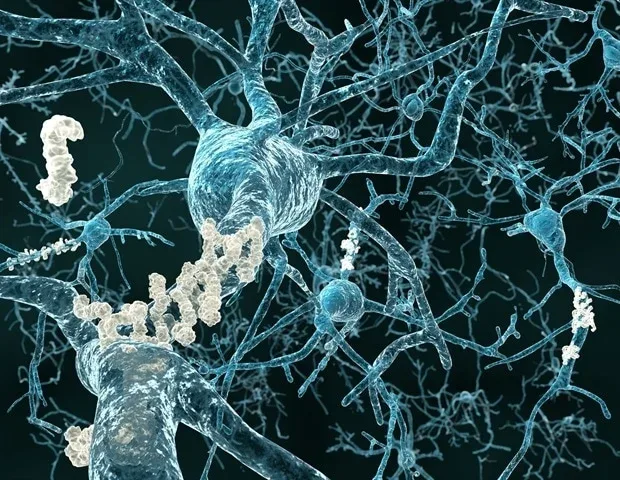
Antimicrobial Peptides: A New Link to Neurodegenerative and Amyloid Diseases
Discover the groundbreaking research linking antimicrobial peptides (AMPs) to neurodegenerative and amyloid diseases. This article delves into the shared mechanisms, bidirectional feedback loops, and potential new therapeutic strategies emerging from this exciting field.
8 min read
Eli Lilly's Oral Weight Loss Drug Foundayo Shows Promising Early Uptake
Eli Lilly's newly launched oral weight loss medication, Foundayo, has demonstrated significant early traction in the US market, with thousands of prescriptions issued within its first two weeks. This launch marks a pivotal moment in the evolving landscape of weight management therapies, particularly in the context of established injectables like semaglutide (Wegovy).
7 min read
Kailera Therapeutics Eyes IPO for Obesity Drug Pipeline
Boston-based Kailera Therapeutics is gearing up for an IPO to fuel its obesity drug pipeline, including Phase III GLP-1/GIP agonist ribupatide. Backed by $400M Series A and $600M Series B, the company eyes superior profiles versus blockbusters like Zepbound. Despite $368.7M deficits, topline data looms large.
5 min read
Ozempic Turned Happy Drunk to Sad One with Horrendous Hangovers
Trey Luker-Stewart lost 60 pounds on Ozempic, but it transformed his drinking from fun nights to anxious, emotional ones with brutal hangovers. As a Dallas bar owner, he's seen a 35% drop in alcohol sales linked to GLP-1 drugs. Doctors reveal why these medications blunt alcohol's rewards and worsen next-day effects.
5 min read
Tirzepatide in Mounjaro Cuts Alcohol Intake Over 50%, Study Shows
The weight-loss drug Mounjaro's active ingredient, tirzepatide, is showing promise beyond metabolic health by slashing alcohol intake in animal models. A new study from the University of Gothenburg found it reduced voluntary consumption by over 50%, curbed binge drinking, and prevented relapse. This could signal a new avenue for treating alcohol use disorder through GLP-1/GIP receptor agonism.
6 min read
GLP-1s Show Promise in MS, But More Rigorous Research Needed
GLP-1 receptor agonists, originally developed for diabetes, are gaining attention for potential benefits in multiple sclerosis (MS) due to their effects on the brain and metabolic health. Expert Afsaneh Shirani, MD, highlighted promising studies at ACTRIMS, including weight loss and minimal relapses, but stressed the need for more rigorous trials. Key challenges like biomarkers, patient selection, and access remain.
6 min read
Semax: Potential of a Synthetic Peptide in Neuroscience Research
Semax, a synthetic heptapeptide derived from ACTH research, is capturing interest for its neuroactive properties without endocrine effects. Ongoing studies highlight its roles in neuroplasticity, stress resilience, and cognitive function. This guide delves into the science behind its multifaceted research potential.
5 min read
Oprah's Ozempic Journey: GLP-1s, Strength Training & Aging
At 72, Oprah Winfrey deadlifted her way through her birthday workout, crediting GLP-1 medications like Ozempic alongside strength training for her transformation. Her candid story highlights silencing 'food noise,' the risks of weight regain, and why muscle matters in weight loss. Learn evidence-based lessons for your own journey.
5 min read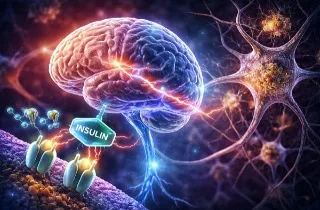
Brain Insulin Resistance: Driving Alzheimer's as Type 3 Diabetes
Alzheimer's disease may be more than just amyloid plaques—emerging evidence points to brain insulin resistance as a core driver, earning it the label 'Type 3 diabetes.' A recent Polish study uncovers how impaired insulin signaling starves neurons of energy and accelerates toxic protein buildup. Discover the science and potential therapies like GLP-1 agonists that could change the game.
5 min read
Jim Cramer: Eli Lilly's GLP-1 Pill Will 'Revolutionize Everything'
Jim Cramer commented on Eli Lilly's GLP-1 pill, anticipating a revolutionary impact. He also assessed other portfolio holdings, including Taiwan Semi, Chevron, SL Green, and Microsoft, providing insights into their respective sectors.
2 min read
Semax Peptide: Research on Neuroprotection, Inflammation, and Vascular Effects
Semax, a synthetic heptapeptide, has demonstrated neuroregulatory, neuroprotective, and immunomodulating properties in various research models. This article examines its biochemical characteristics, possible effects on gene expression, interactions with neurotransmitter systems, vascular modulation, metal binding, and utility in ischemia-reperfusion injury studies.
5 min read
Brain Scientists Aim to Develop Weight-Loss Medications Without Nausea
Scientists are striving to develop weight-loss drugs that don't cause nausea, a common side effect of medications like Wegovy and Zepbound. Research is focused on targeting specific brain regions to suppress appetite effectively without triggering nausea or other adverse effects.
4 min read
A Peek Inside Dominic Cummings' Ambitious Lab Aiming for an 'Ozempic Moment'
Dominic Cummings' vision for a groundbreaking research agency is gaining momentum with cross-party support and substantial funding. ARIA aims to revolutionize the UK through cutting-edge technologies and entrepreneurial science, seeking its own 'Ozempic moment'.
5 min read