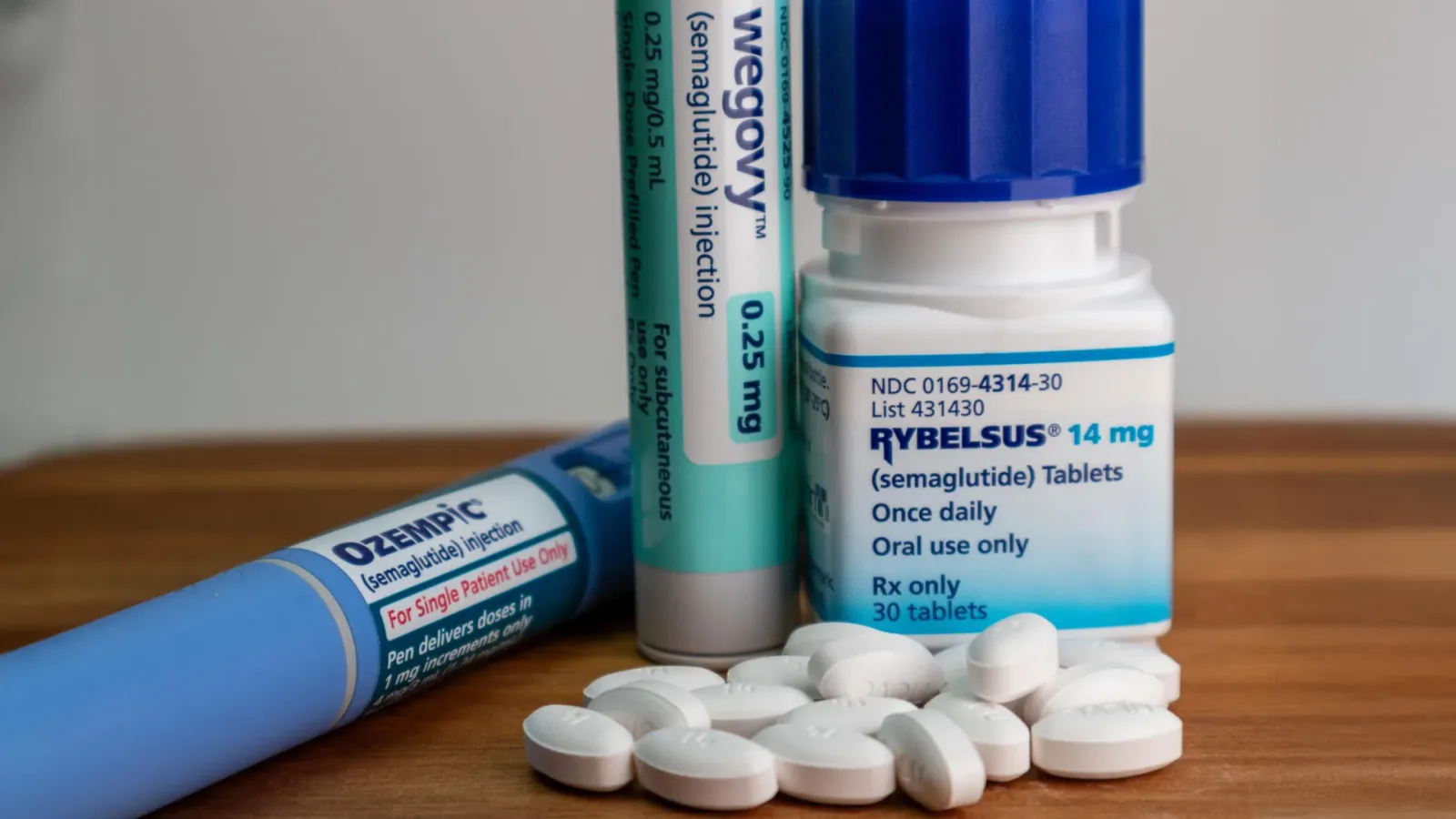

Millions worldwide grapple with the profound challenges of addiction, facing limited treatment options and high relapse rates. For years, the medical community has sought more effective interventions. Now, a growing body of research is exploring a surprising new avenue: the potential of Glucagon-Like Peptide-1 (GLP-1) receptor agonists. These are the same class of drugs that have gained significant attention for their efficacy in managing Type 2 diabetes and promoting weight loss, with well-known examples including semaglutide (Ozempic, Wegovy) and tirzepatide (Mounjaro). A recent review published in the British Journal of Pharmacology delves into how these powerful hormones might help curb cravings and addictive behaviors by influencing the brain's reward system.
Understanding GLP-1: More Than Just Blood Sugar Control
Glucagon-Like Peptide-1 (GLP-1) is a naturally occurring hormone produced in the intestines after we eat. Its primary roles include regulating blood glucose levels by stimulating insulin release and slowing gastric emptying, which contributes to feelings of fullness and reduced appetite. These effects are precisely why GLP-1 receptor agonists have become cornerstones in treating Type 2 diabetes and obesity.
However, GLP-1's influence extends beyond the digestive system and metabolic regulation. It is also produced in the brain, acting as a neurotransmitter. In this capacity, it interacts with crucial brain regions, including those involved in reward processing and motivation. This dual action – impacting both physiological satiety and brain reward pathways – is what has sparked interest in its potential therapeutic applications for addiction.
The Brain's Reward System and Addiction
Addictive disorders are complex conditions characterized by compulsive substance-seeking and use, despite harmful consequences. A key neurobiological mechanism underlying addiction involves the mesolimbic dopamine pathway, often referred to as the brain's reward pathway. When individuals consume addictive substances like alcohol, nicotine, opioids, cocaine, or stimulants, dopamine levels surge in this pathway. This surge reinforces the pleasurable sensations associated with the substance, creating a powerful learning loop that drives repeated use and dependence.
While dopamine signaling is central, addiction is understood to be a multifaceted disease influenced by genetics, environment, stress, and learning. The challenge for clinicians lies in addressing these complex interactions effectively. The possibility that GLP-1 receptor agonists could modulate this reward pathway offers a novel therapeutic strategy.
GLP-1 Receptor Agonists: Promising Findings in Addiction Research
The review highlights a growing body of preclinical evidence suggesting that GLP-1 receptor agonists can significantly impact substance use behaviors. Medications like exenatide, liraglutide, semaglutide, and dulaglutide, already approved for metabolic conditions, are being investigated for their potential to reduce cravings and substance dependence.
Impact on Alcohol Use Disorder
Alcohol use disorder (AUD) remains a major public health concern, contributing to significant mortality and disease burden globally. Existing treatments, such as naltrexone and acamprosate, offer limited success for many individuals. Research in animal models has provided compelling evidence for the efficacy of GLP-1 receptor agonists in reducing alcohol consumption.
Studies involving rats, mice, and nonhuman primates have demonstrated that drugs like liraglutide, exenatide, and dulaglutide can decrease both the amount of alcohol consumed and the perceived reward associated with drinking. Furthermore, these agonists have shown promise in reducing relapse-like drinking behaviors after periods of abstinence. Notably, long-acting GLP-1 receptor agonists, such as dulaglutide, have consistently reduced drinking levels in animal models without evidence of tolerance development. Exenatide and liraglutide have also shown reductions in alcohol consumption in nonhuman primates without significant side effects like nausea or vomiting.
Two clinical trials are currently underway to investigate the effects of weekly exenatide injections in individuals with AUD, aiming to assess their ability to reduce heavy drinking days and alcohol cravings. These trials represent crucial steps in translating promising preclinical findings into human therapeutic applications.
Effects on Cocaine, Nicotine, and Opioid Dependence
The potential therapeutic benefits of GLP-1 receptor agonists are not limited to alcohol. Preclinical studies suggest they may also help mitigate cocaine-related reward and drug-seeking behaviors. Exenatide, for instance, has been shown in animal models to reduce cocaine self-administration, decrease relapse-like behavior, and even blunt dopamine release following cocaine consumption. While early human evidence for cocaine use disorder is still limited and mixed, these findings are encouraging.
Precision tracking for your journey
Join thousands using Shotlee to accurately track GLP-1 medications and side effects.
📱 Get the Shotlee App
Track your GLP-1 medications, peptides, and health metrics on the go with our mobile app!
Nicotine addiction has also shown promising responses. Animal studies indicate that exenatide can reduce nicotine self-administration and associated reward behaviors, as well as dopamine release in key brain areas like the nucleus accumbens. An early human pilot trial involving exenatide combined with nicotine replacement therapy reported improved smoking abstinence rates and reduced cravings. Clinical studies with liraglutide and dulaglutide are ongoing to further explore these effects.
Research into opioid dependence has yielded mixed but intriguing results. Some rodent studies have found that exenatide can reduce the self-administration of oxycodone and heroin-seeking behaviors. However, other studies reported minimal effects on morphine-related behaviors. Clinical trials are now evaluating liraglutide's potential to reduce opioid cravings in individuals with opioid dependence. Similarly, studies involving amphetamines suggest that GLP-1 receptor activation may reduce stimulant-related reward behaviors and hyperactivity, although no specific clinical trials for stimulant use disorder were identified in the reviewed literature.
Dopamine Regulation and Brain Mechanisms: The Core of the Effect
A significant finding across various addiction studies is the impact of GLP-1 receptor agonists on dopamine regulation. By selectively modulating dopamine signaling in the mesolimbic reward pathway, these drugs appear to reduce the reinforcing effects of addictive substances. Crucially, GLP-1 receptor agonists seem to reduce substance-induced dopamine activity without completely eliminating baseline dopamine function. This selective action is hypothesized to be key, potentially allowing them to curb maladaptive substance-seeking behaviors without broadly suppressing normal motivation and pleasure derived from everyday activities.
Beyond reward pathways, researchers are exploring GLP-1's influence on stress systems, which are intimately linked to addiction and relapse. Some studies suggest that GLP-1 receptor stimulation can reduce anxiety-like behaviors during withdrawal periods and decrease relapse-like drinking patterns. This indicates that GLP-1 therapies might target both reward-driven and stress-driven aspects of addiction. However, the review emphasizes that the interplay between GLP-1 and stress systems is complex and requires further investigation.
It's important to note that while nausea and reduced food intake are known side effects of some GLP-1 receptor agonists, the observed reductions in substance-seeking behaviors in studies occurred even when substances were administered intravenously. This suggests that the therapeutic effects are not solely attributable to appetite suppression but involve more direct actions on brain reward circuitry.
The Practical Implications and Future Directions
The ongoing research into GLP-1 receptor agonists for addiction treatment offers a beacon of hope. The fact that several of these medications are already approved and have established safety profiles for diabetes and obesity could significantly accelerate their path to becoming widely available addiction treatments, provided robust clinical efficacy is demonstrated.
For individuals managing their health and treatment progress, tools like Shotlee can be invaluable. Tracking medication doses, noting any side effects, and monitoring behavioral changes or cravings can provide essential data for patients and their healthcare providers, especially as new treatment modalities emerge.
However, significant questions remain. Further large-scale clinical trials are essential to confirm these findings in diverse human populations. Key areas requiring more research include:
- Long-term effectiveness and durability of treatment effects.
- Potential sex differences in response to GLP-1 therapies for addiction.
- Detailed elucidation of brain-specific mechanisms and pathways involved.
- Comprehensive safety and tolerability assessments in individuals with severe substance dependence.
| GLP-1 Agonists in Addiction Research: Key Findings & Considerations | ||
|---|---|---|
| Substance Class | Observed Effects (Preclinical/Early Human) | Key Considerations |
| Alcohol | Reduced consumption, decreased reward value, reduced relapse-like drinking. | Two clinical trials ongoing; long-term safety in AUD needed. |
| Cocaine | Reduced self-administration, blunted dopamine release. | Limited human evidence; further research crucial. |
| Nicotine | Reduced self-administration, improved smoking abstinence in pilot trial. | Ongoing clinical studies with liraglutide and dulaglutide. |
| Opioids | Mixed results (reduced oxycodone/heroin seeking in some studies). | Liraglutide trials for opioid cravings underway. |
| Stimulants (e.g., Amphetamines) | Potential reduction in reward behaviors/hyperactivity. | No identified clinical trials for stimulant use disorder. |
Conclusion
The exploration of GLP-1 receptor agonists for addiction treatment represents a paradigm shift in how we might approach these complex disorders. The convergence of evidence from neuroscience and pharmacology suggests these medications could offer a novel way to target the underlying reward circuitry and stress pathways implicated in addiction. While the journey from promising research to established clinical practice is ongoing, the potential for repurposed GLP-1 drugs to provide more effective and accessible treatments for millions is a significant and exciting development in the field of addiction medicine.
Practical Takeaways:
- GLP-1 receptor agonists are showing promise in preclinical and early human studies for reducing cravings and substance-seeking behaviors across various addictions.
- Their established safety profiles for diabetes and obesity could expedite their potential use in addiction treatment.
- Further large-scale clinical trials are essential to confirm efficacy, understand long-term effects, and ensure safety in diverse patient populations.
- Individuals managing chronic conditions or exploring new treatment options should consult with their healthcare providers.