
The Public Eye and Shifting Perceptions of Health
In recent times, public figures have found themselves under an ever-intensifying microscope, with their appearances, health, and personal lives dissected by media and social platforms alike. Michelle Obama, a figure of immense public admiration and respect, recently found herself at the center of such scrutiny following a public outing. Her noticeably slimmer appearance during a dinner with her daughters in Beverly Hills quickly ignited a flurry of online commentary, ranging from expressions of concern to outright speculation about her health and potential use of weight-loss medications.
The conversation quickly moved from simple observation to more pointed questions, with some social media users expressing worries about her well-being, suggesting illness, or directly referencing the growing popularity of GLP-1 receptor agonists, commonly known by brand names like Ozempic and Wegovy. This phenomenon highlights a broader trend: the public's fascination with and often unsolicited opinions on the bodies and health choices of celebrities, particularly when those choices intersect with trending medical interventions.
Understanding GLP-1 Medications and Their Impact
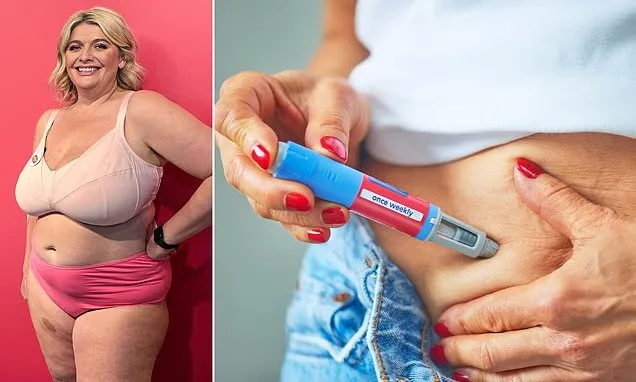
The surge in discussion around Michelle Obama's weight is inextricably linked to the widespread adoption and media attention surrounding GLP-1 receptor agonists. These medications, initially developed for managing type 2 diabetes, have demonstrated significant efficacy in promoting weight loss, leading to their expanded use for obesity management. Semaglutide (Ozempic, Wegovy) and tirzepatide (Mounjaro) are prominent examples, working by mimicking the action of a natural hormone that regulates appetite and blood sugar.
How GLP-1s Work for Weight Loss
GLP-1 receptor agonists function in several key ways to facilitate weight loss:
- Appetite Regulation: They slow gastric emptying, leading to a prolonged feeling of fullness and reduced hunger.
- Blood Sugar Control: By enhancing insulin secretion and reducing glucagon release, they help stabilize blood sugar levels.
- Brain Signaling: They can influence appetite control centers in the brain, reducing cravings and the desire to eat.
The dramatic results observed in clinical trials and in real-world use have made these medications a topic of widespread interest, often leading to public figures being scrutinized for any perceived changes in their physique. This often occurs without any confirmation of their medical history or treatment plans.
The Rise of Ozempic, Wegovy, and Mounjaro
Ozempic, primarily prescribed for type 2 diabetes, gained significant traction for its weight-loss side effects. This led to the development and approval of Wegovy, a higher-dose formulation of semaglutide specifically for chronic weight management. Similarly, tirzepatide, initially approved for type 2 diabetes, has shown robust weight loss results and is also being explored and used for obesity. These medications represent a significant advancement in pharmacological approaches to weight management, offering a new avenue for individuals struggling with excess weight and related health conditions.
The Complexities of Public Scrutiny and Health Speculation
The intense public reaction to Michelle Obama's appearance underscores a critical issue: the pervasive nature of body shaming and health speculation directed at public figures. When individuals, especially women and those in the public eye, deviate from perceived norms, they often face harsh criticism and unfounded assumptions. The comments, ranging from concerns about her health to critiques of her aging process, illustrate how societal pressures and media narratives can impact perceptions of well-being.
Precision tracking for your journey
Join thousands using Shotlee to accurately track GLP-1 medications and side effects.
📱 Get the Shotlee App
Track your GLP-1 medications, peptides, and health metrics on the go with our mobile app!
It's crucial to remember that a person's weight and body composition are influenced by a myriad of factors, including genetics, diet, exercise, stress levels, sleep, and underlying medical conditions. Attributing changes solely to specific medications or making assumptions about health based on appearance is often inaccurate and can contribute to harmful stereotypes. Furthermore, the privacy surrounding an individual's health decisions should be respected, and speculation can be deeply distressing for the person involved.
Navigating Health Tracking in the Public Eye
For individuals managing their health, whether through lifestyle changes or medical interventions, the ability to track progress discreetly and effectively is paramount. Tools that allow for the logging of symptoms, medication dosages, and overall well-being can provide valuable insights and support. For those on weight management journeys, understanding how their bodies respond to different treatments, including GLP-1 therapies, is key. This is where platforms designed for health tracking can play a supportive role, empowering individuals to take an active part in their health management without the need for public disclosure.
The Broader Implications for Health and Wellness
The conversation surrounding Michelle Obama's weight and the associated GLP-1 rumors extends beyond celebrity gossip. It touches upon broader societal attitudes towards weight, health, and the role of medical interventions. The widespread discussion, while often speculative, also brings to light the significant challenges many face with weight management and the potential of new treatments. However, it also highlights the need for responsible reporting and a more empathetic approach to discussions about health and body image.
It's important to foster an environment where individuals feel empowered to make health decisions that are right for them, free from judgment and undue pressure. The focus should always be on overall health and well-being, rather than solely on a number on the scale or a particular physical appearance. Promoting accurate information about weight management strategies, including the benefits and risks of various medical treatments, is essential to combat misinformation and support informed decision-making.
Practical Takeaways for Health Management
The intense public focus on weight and health can be overwhelming. For individuals managing their own health journeys, particularly those considering or using weight management therapies like GLP-1s, several practical steps can be beneficial:
- Consult Healthcare Professionals: Always discuss weight concerns and potential treatments with a qualified doctor. They can provide personalized advice based on your health history and needs.
- Focus on Holistic Health: Remember that weight is just one aspect of health. Prioritize balanced nutrition, regular physical activity, adequate sleep, and stress management.
- Track Your Progress Wisely: If you are undergoing treatment, consider using tools to monitor your symptoms, medication adherence, and overall well-being. This can provide valuable data for you and your doctor. Platforms like Shotlee can help you log medication details, side effects, and general health metrics, offering a private and organized way to manage your health journey.
- Be Mindful of Public Discourse: Recognize that public discussions about weight and health can be influenced by speculation and misinformation. Focus on your personal health goals and consult reliable sources for information.
Conclusion: Empathy, Education, and Empowerment
The recent speculation surrounding Michelle Obama's appearance serves as a poignant reminder of the intense scrutiny public figures endure and the broader societal conversations about weight, health, and the role of modern medical advancements like GLP-1 medications. While the public's curiosity is understandable, it is crucial to approach discussions about individual health with empathy, respect for privacy, and a commitment to factual accuracy. The rise of effective weight management tools, including semaglutide and tirzepatide, offers hope to many, but their use should always be guided by professional medical advice.
Ultimately, fostering a culture that prioritizes holistic well-being, encourages informed health decisions, and respects individual journeys is paramount. By focusing on education, empowering individuals with reliable information, and promoting empathetic dialogue, we can move towards a more supportive and understanding approach to health and wellness for everyone.