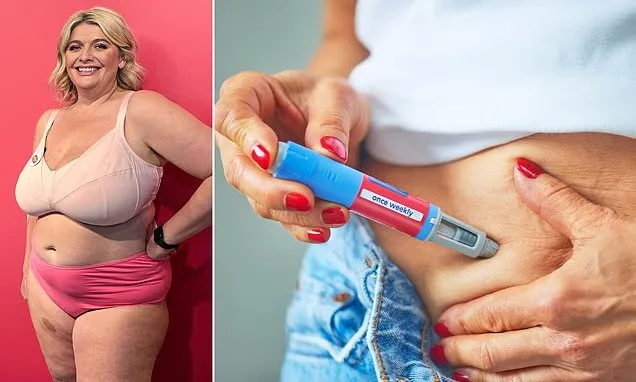

The conversation around body image and societal beauty standards is constantly evolving. In recent times, a significant shift has been observed, particularly within women's aesthetic preferences, with a notable trend emerging that connects the widespread use of GLP-1 medications to changes in breast size and surgical procedures. This phenomenon, sometimes dubbed the 'Mounjaro craze,' has sparked discussions about the influence of weight loss drugs on body perception and the pursuit of a particular silhouette.
The Shifting Aesthetic: From Curves to 'Ballerina Boobs'
Reports from organizations like the British Association of Aesthetic Plastic Surgeons (BAAPS) indicate a significant trend: for the first time, breast reduction and implant removal surgeries are surpassing breast augmentation procedures. This suggests a move away from larger, augmented breasts towards a more natural and often smaller aesthetic. This shift is being met with terms like 'Ballerina Boobs,' a description coined by some surgeons to represent a 'smaller, lighter, and more delicate breast shape, often associated with a leaner physique and a natural aesthetic.'
According to Nora Nugent, president of BAAPS, these 'Ballerina Boobs' reflect 'a broader shift away from exaggerated curves towards a more natural silhouette, one that better compliments active lifestyles and the continued rise of athleisure fashion.' This perspective highlights how evolving fashion trends and a focus on fitness and comfort can influence desired body shapes.
The Role of GLP-1 Medications
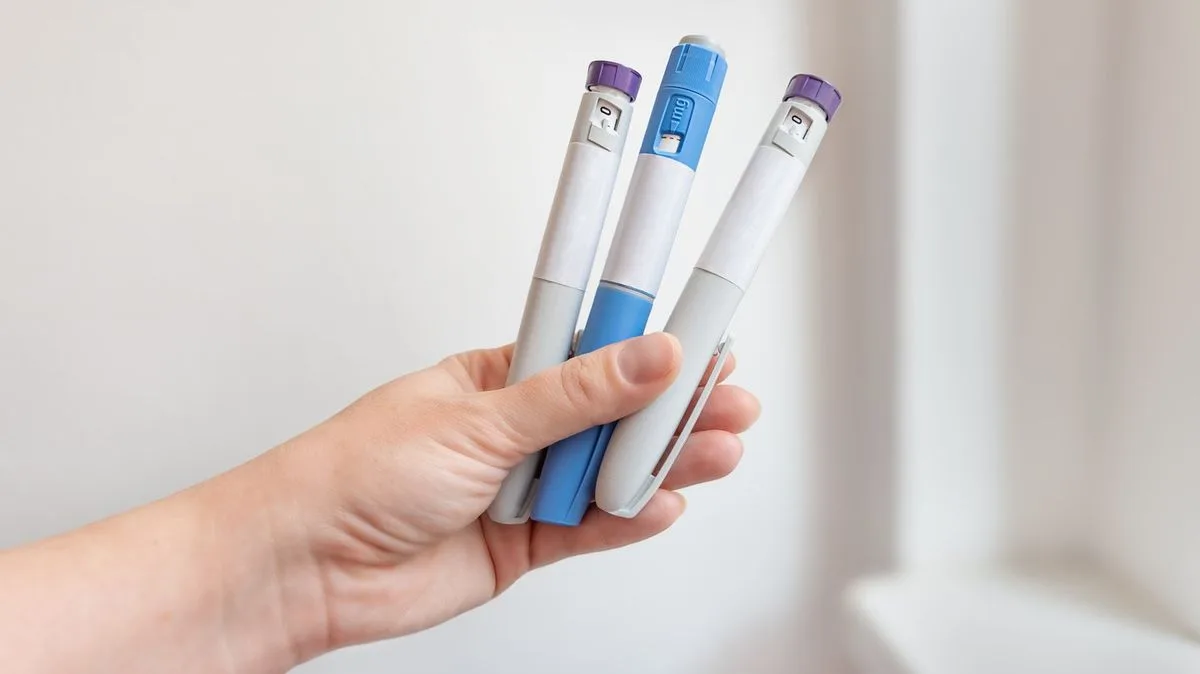
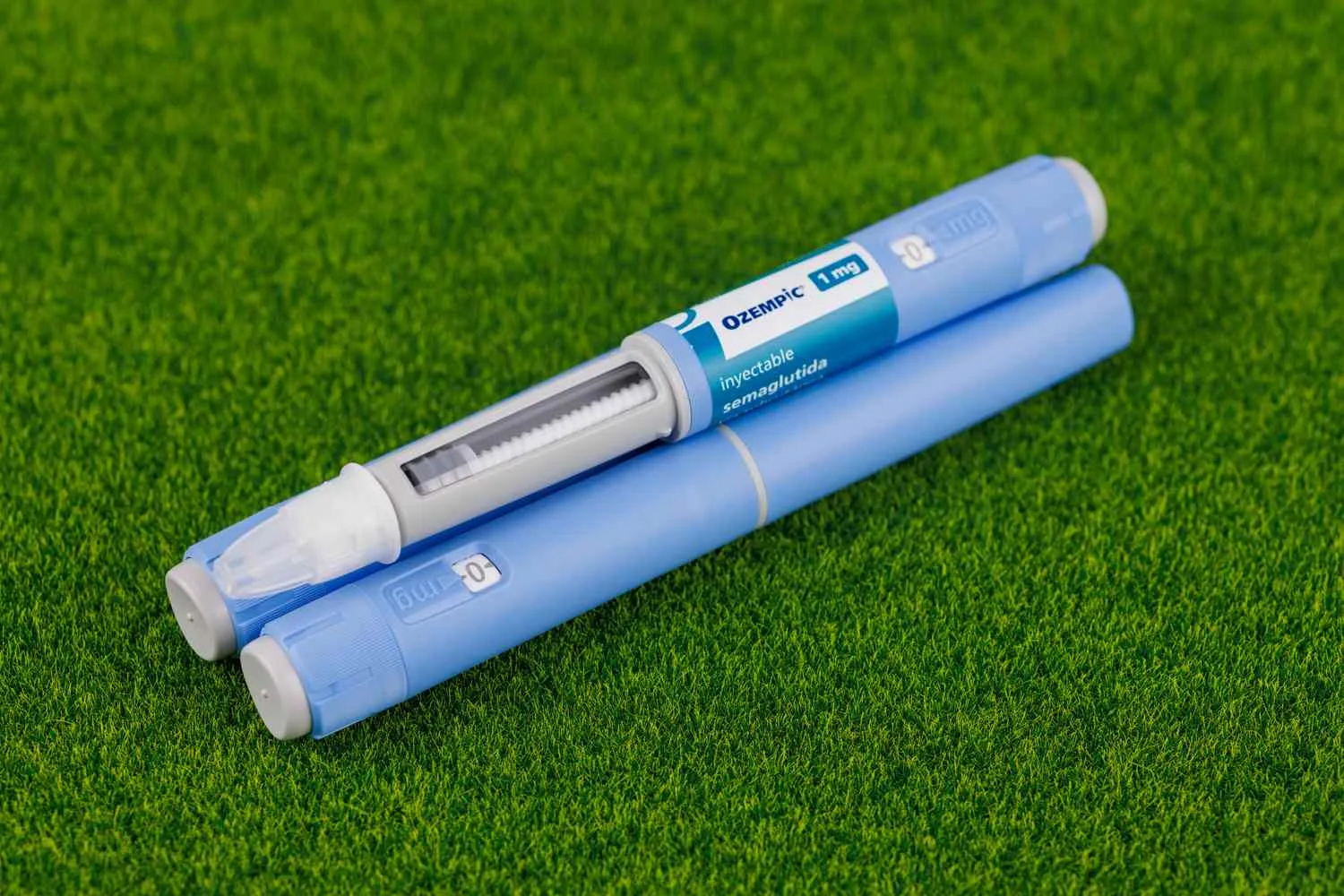
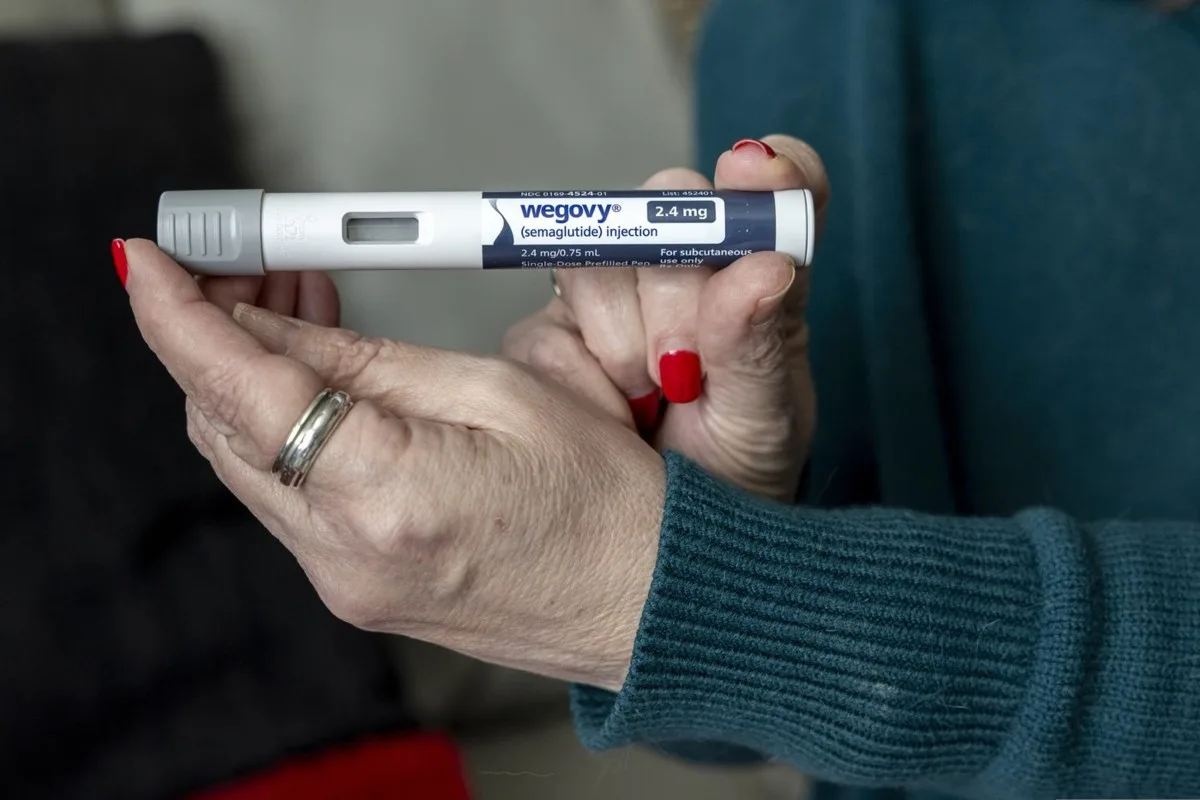
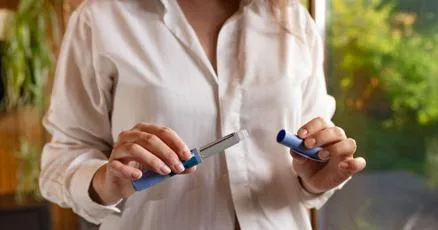
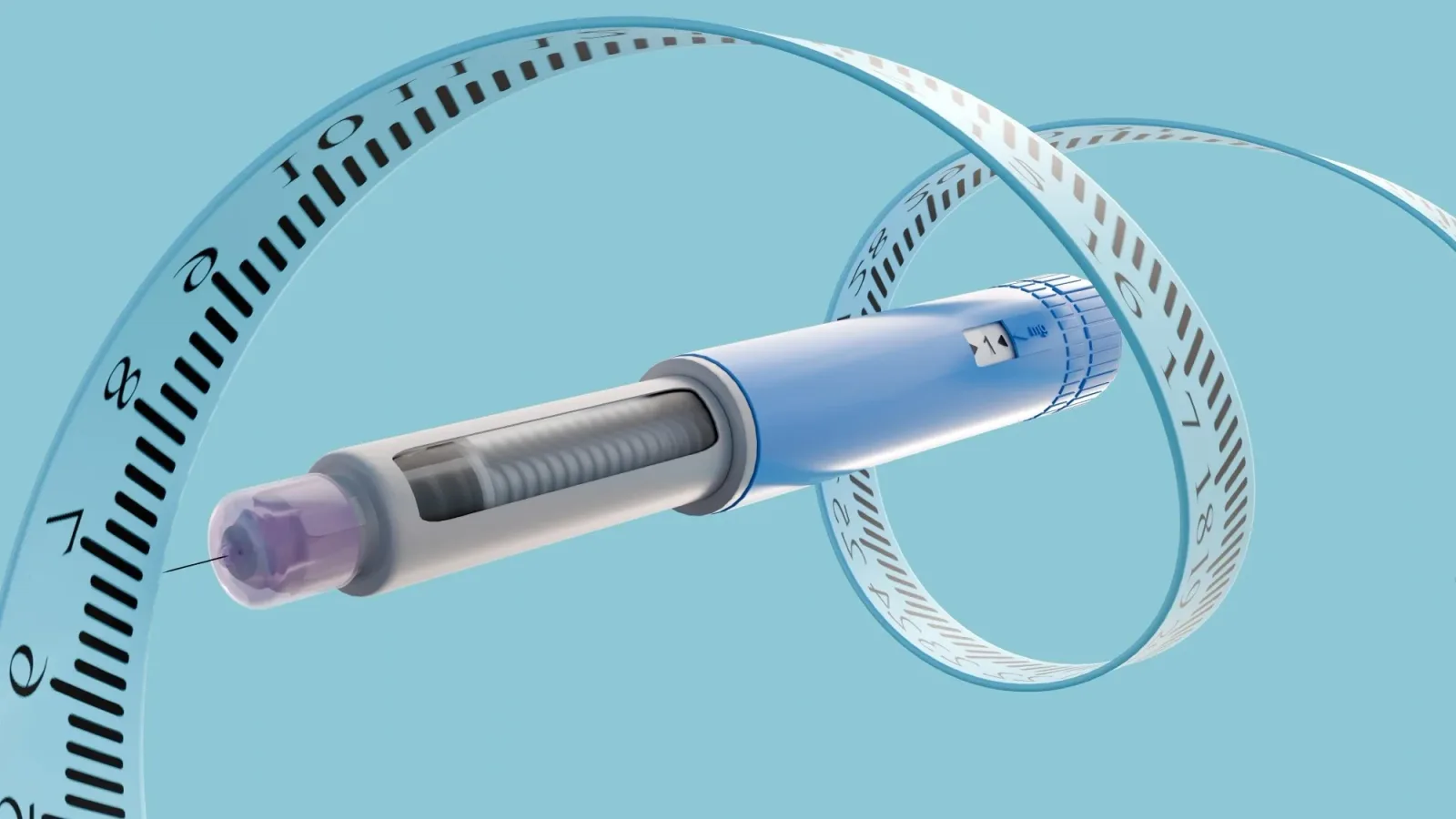
A key factor contributing to this aesthetic shift appears to be the widespread adoption of GLP-1 receptor agonists, such as semaglutide (found in Ozempic and Wegovy) and tirzepatide (found in Mounjaro). These medications have gained considerable attention for their effectiveness in weight management, leading to significant and often rapid weight loss for many individuals. As people lose weight, their body composition changes, which naturally includes a reduction in breast size.
The popularity of these drugs, amplified by social media and celebrity endorsements, has created a powerful momentum in the pursuit of a slimmer physique. This has, in turn, influenced perceptions of what is considered desirable, with a leaner silhouette becoming increasingly aspirational. The ease with which these medications can be accessed, coupled with their transformative results, has undoubtedly contributed to a broader cultural conversation about body modification and the pursuit of specific aesthetic ideals.
"When you're spending a significant amount on weight-loss jabs, is it really that much of a jump to consider plastic surgery to align with the new physique?"
- Medical Expert Analysis
Societal Pressures and Body Objectification
While the trend towards a more natural silhouette and the effectiveness of GLP-1 medications are undeniable, it's crucial to examine the underlying societal pressures that may be driving these changes. Critics argue that the focus on 'Ballerina Boobs' and the ease with which women are encouraged to alter their bodies can contribute to the objectification of women. Instead of celebrating diverse body types, there's a risk of reinforcing the idea that women's bodies are accessories to be altered according to fleeting fashion trends.
Precision tracking for your journey
Join thousands using Shotlee to accurately track GLP-1 medications and side effects.
📱 Get the Shotlee App
Track your GLP-1 medications, peptides, and health metrics on the go with our mobile app!
The narrative that larger breasts are somehow impractical or undesirable for an active lifestyle can place an undue burden on women. For many, larger breasts are a natural part of their anatomy and do not impede their ability to exercise or live fulfilling lives. The emphasis on removing them, rather than addressing societal commentary or discomfort, can feel like a forced adaptation rather than a personal choice.
Navigating Weight Loss and Body Image with GLP-1 Therapy
For individuals considering or undergoing treatment with GLP-1 medications like semaglutide or tirzepatide for weight loss, it's important to approach the journey with a holistic perspective. While the physical changes are significant, so too is the psychological aspect of body image.
Here are some key considerations:
- Realistic Expectations: Understand that weight loss with GLP-1s will impact all areas of the body, including breast size. Discuss potential changes with your healthcare provider.
- Focus on Health, Not Just Aesthetics: While aesthetic goals are valid, prioritize the health benefits of weight loss, such as improved metabolic markers and reduced risk of chronic diseases.
- Mindful Body Image: Cultivate a positive body image by focusing on what your body can do, rather than solely on its appearance. Engage in activities you enjoy and practice self-compassion.
- Informed Surgical Decisions: If considering cosmetic procedures like breast reduction, ensure it aligns with your personal desires and not solely with external pressures or trends. Thorough consultation with a board-certified plastic surgeon is essential.
- Tracking Progress Holistically: Utilizing tools like Shotlee can be invaluable for monitoring not only weight and medication adherence but also subjective feelings about your body and overall well-being throughout your weight loss journey. This comprehensive tracking can provide valuable insights into your progress and any emotional shifts.
The Broader Implications of Body Modification Trends
The trend linking GLP-1 medications to breast reduction is part of a larger societal conversation about the increasing accessibility and acceptance of body modification. With the rise of cosmetic surgery and non-invasive treatments, individuals have more options than ever to alter their appearance. While this can be empowering for some, it also raises concerns about the potential for over-reliance on external solutions to address internal feelings of inadequacy.
It's essential to differentiate between genuine personal desire for change and the pressure to conform to societal ideals. The discussion around 'Ballerina Boobs' and the role of weight-loss drugs highlights the complex interplay between medical advancements, cultural influences, and individual self-perception. The goal should be to foster an environment where women feel empowered to make choices about their bodies that are authentic to them, free from judgment or external pressure.
Practical Takeaways for Women
For women navigating the current landscape of weight management and aesthetic trends, here are some practical takeaways:
- Prioritize Health: Focus on the overall health benefits of GLP-1 medications and weight loss, such as improved cardiovascular health and metabolic function.
- Self-Advocacy: Be vocal about your personal goals and comfort levels regarding your body. Don't hesitate to question societal norms or external pressures.
- Seek Support: Connect with healthcare professionals, therapists, or support groups to discuss your feelings about body image and weight loss.
- Informed Choices: Make well-informed decisions about any medical or surgical interventions, ensuring they align with your personal values and long-term well-being.
- Utilize Tracking Tools: Leverage platforms like Shotlee to meticulously track your medication, symptoms, and how you feel about your body. This data can empower you and your healthcare provider to make the best decisions for your health journey.
Conclusion
The emergence of the 'Ballerina Boob' trend, seemingly influenced by the widespread use of GLP-1 medications like Ozempic and Mounjaro, underscores a complex relationship between medical innovation, societal beauty standards, and female body image. While these medications offer significant health benefits for weight management, their impact on body perception warrants careful consideration. It is vital to encourage a nuanced approach that prioritizes individual well-being, self-acceptance, and informed decision-making, ensuring that the pursuit of aesthetic ideals does not overshadow the importance of holistic health and genuine self-empowerment.