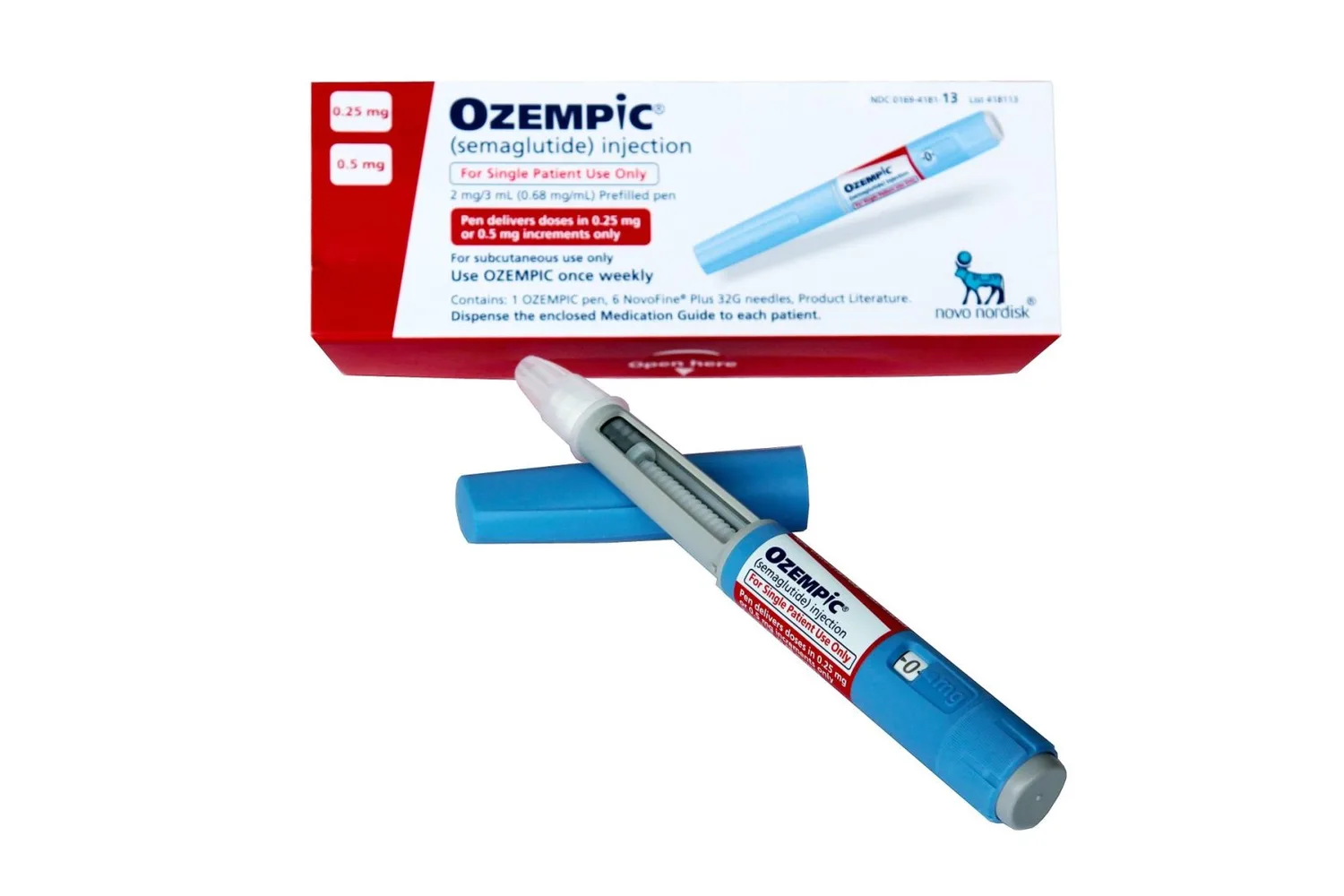

Obesity is a complex chronic condition affecting over 650 million adults worldwide, impacting not only physical health but also mental well-being. Individuals living with obesity often face a higher prevalence of psychiatric conditions such as anxiety and depression, and conversely, mental illness can contribute to the development of obesity. The advent of incretin-based medications, including semaglutide (found in Ozempic and Wegovy) and tirzepatide (found in Mounjaro and Zepbound), has revolutionized obesity treatment by facilitating significant weight loss. However, their precise effects on neuropsychiatric health in real-world clinical practice have remained an area of active investigation.
A recent study published in Communications Medicine offers valuable insights into these effects. Researchers delved into real-world data to examine the associations between initiating tirzepatide or semaglutide and the occurrence of neuropsychiatric diagnoses in adults with obesity. The study meticulously compared these newer medications with other weight-loss treatments and analyzed outcomes separately for individuals with and without type 2 diabetes.
Understanding the Study Design and Methodology
This retrospective cohort study utilized de-identified electronic health records from the TriNetX United States Collaborative Network, spanning from January 2020 to November 2025. The research team identified adults who met specific obesity criteria and newly started treatment with either tirzepatide or semaglutide. These individuals were then compared to carefully matched participants who initiated other weight-loss medications, including naltrexone-bupropion, phentermine, or phentermine-topiramate. To ensure robust comparisons, the study conducted two distinct analyses: one focusing on individuals with type 2 diabetes and another on those without.
Further contextual comparison groups included individuals who had undergone bariatric surgery and a cohort focused on non-pharmacological weight-loss methods. To enhance the comparability of treatment groups, researchers employed propensity score matching. This technique involved aligning participants based on a wide range of factors, including:
- Demographic features
- Body Mass Index (BMI)
- Glycated Hemoglobin (HbA1c) levels
- Medical history
- Concurrent treatments
- Healthcare utilization patterns
- Results of laboratory investigations
Strict exclusion criteria were applied to ensure the integrity of the data. Participants with type 1 diabetes, a history of bariatric surgery, organ transplantation, HIV infection, or end-stage renal disease were not included in the study. Patients were monitored for a maximum of 24 months from their treatment initiation date. This monitoring period extended until the first diagnosis of a neuropsychiatric outcome, death, loss to follow-up, or the conclusion of the study.
Key Outcomes and Analytical Approach
The primary focus of the study was to assess the incidence of new diagnoses of anxiety disorders. In addition to this, several secondary outcomes were investigated, including diagnoses of depression, mood disorders, insomnia, broadly defined cognitive deficits, nerve disorders, peripheral neuropathy, and substance-related disorders. To quantify the associations, researchers calculated Hazard Ratios (HRs) with 95% Confidence Intervals (CIs) using Cox proportional hazards models. These models were adjusted for potential confounding factors, and various sensitivity analyses were performed to bolster the reliability of the findings.
Study Findings: A Nuanced Picture of Mental Health Outcomes
The study revealed that before matching, individuals initiating incretin-based therapies differed significantly from comparator groups, particularly concerning pre-existing psychiatric illnesses and the use of psychotropic medications. However, after the rigorous propensity score matching process, the groups exhibited remarkably similar baseline characteristics. This allowed for more reliable comparisons of the treatment effects.
Incretin Therapies vs. Bariatric Surgery
Generally, individuals receiving semaglutide and tirzepatide demonstrated lower hazards for several recorded neuropsychiatric diagnoses when compared to those who had undergone bariatric surgery. This suggests a potentially favorable neuropsychiatric profile for these medications relative to surgical intervention in this context.
Impact on Individuals with and Without Type 2 Diabetes
Among individuals with obesity and type 2 diabetes, both semaglutide and tirzepatide were associated with a reduced risk of anxiety disorders, broadly defined cognitive deficits, mood disorders, and depression. Similar positive trends were observed in individuals without type 2 diabetes, although the consistency of findings for neurological outcomes varied.
Specifically, in participants without diabetes:
- Semaglutide was linked to a higher hazard of nerve disorders.
- Tirzepatide showed lower hazards of substance-related disorders and peripheral neuropathy when compared to bariatric surgery.
Importantly, negative control analyses did not reveal any clinically significant differences, providing confidence in the study's analytical methods.
Direct Comparisons with Other Weight-Loss Medications
When compared to naltrexone-bupropion:
Precision tracking for your journey
Join thousands using Shotlee to accurately track GLP-1 medications and side effects.
📱 Get the Shotlee App
Track your GLP-1 medications, peptides, and health metrics on the go with our mobile app!
- In adults with type 2 diabetes, semaglutide was associated with lower hazards of anxiety disorders, depression, cognitive deficits, and insomnia.
- Tirzepatide also demonstrated lower hazards of anxiety disorders, depression, mood disorders, and cognitive deficits in this group.
These reductions were also observed among adults without type 2 diabetes, indicating a consistent association between both incretin-based medications and lower rates of several recorded psychiatric diagnoses compared to naltrexone-bupropion.
Head-to-Head: Tirzepatide vs. Semaglutide
A direct comparison between tirzepatide and semaglutide among adults without type 2 diabetes yielded some notable distinctions. Tirzepatide was associated with higher hazards of anxiety disorders and insomnia compared to semaglutide. However, after statistical adjustment, no consistent differences were found for most neurological outcomes. The authors cautioned that these small differences in anxiety and insomnia should be interpreted with care due to variations in absolute and relative estimates.
The study also highlighted that absolute risk differences indicated larger reductions in anxiety disorders among individuals with type 2 diabetes than among those without, when comparing tirzepatide or semaglutide against naltrexone-bupropion.
Sensitivity and Subgroup Analyses
Sensitivity analyses generally supported the primary findings, with per-protocol and as-treated analyses showing similar directions of association for anxiety and depression, though the strength of these associations varied with treatment persistence. A lower use of psychiatric medications, particularly SSRIs, was observed among recipients of incretin-based therapies compared to matched comparator groups.
Subgroup analyses indicated that these associations remained generally consistent across different age groups, BMI levels, and clinical characteristics. Some stronger associations were noted among older adults and individuals with severe obesity.
Exploratory Findings on Weight and HbA1c
Exploratory analyses revealed greater reductions in body weight and HbA1c levels over the 24-month study period in the incretin-based therapy groups compared to conventional anti-obesity medication groups. However, these findings varied depending on diabetes status and the specific outcome measure.
Additional sensitivity analyses, employing stricter outcome definitions and alternative cohort criteria, yielded results that were directionally similar, though some estimates became less precise due to smaller sample sizes. It's crucial to note that cognitive findings were sensitive to how outcomes were defined, and the broad cognitive endpoint included codes that could reflect acute or transient altered mental status rather than progressive cognitive decline.
Practical Takeaways for Patients and Clinicians
The findings from this study offer valuable real-world evidence that can inform treatment decisions for both clinicians and patients. Tracking your progress, including any changes in mood or sleep patterns, can be incredibly beneficial. Tools like Shotlee can help you meticulously record your medication doses, any experienced symptoms, and overall health data, providing a comprehensive overview for discussions with your healthcare provider.
Key takeaways include:
- Nuanced Mental Health Profiles: Semaglutide and tirzepatide appear to have different neuropsychiatric outcome patterns depending on the comparator treatment and the presence of type 2 diabetes.
- Anxiety and Depression Benefits: Compared to naltrexone-bupropion, both medications were generally associated with lower risks of anxiety and depression.
- Tirzepatide vs. Semaglutide: In individuals without type 2 diabetes, tirzepatide showed higher risks of anxiety and insomnia compared to semaglutide.
- Importance of Monitoring: Continued patient monitoring for neuropsychiatric symptoms is essential when initiating these therapies.
Conclusion: Informed Decisions and Future Directions
The study concludes that the initiation of tirzepatide and semaglutide is associated with distinct neuropsychiatric outcome patterns, influenced by the comparator treatment and the presence of type 2 diabetes. While both medications showed a general association with lower hazards of anxiety and depression when compared to naltrexone-bupropion, tirzepatide exhibited higher hazards of anxiety and insomnia than semaglutide in patients without type 2 diabetes. These findings are crucial for clinicians and patients in making informed treatment decisions. However, it is imperative to interpret these results cautiously. They should not be misconstrued as evidence that these medications prevent dementia, progressive cognitive decline, or psychiatric diseases, as the study relied on diagnostic codes and is subject to potential residual confounding and misclassification.
Given the observational nature of this study, prospective research employing standardized neuropsychiatric assessments is necessary to confirm these associations. Further investigation is also warranted to fully understand the mechanisms through which these medications might influence mental health outcomes across diverse patient populations.