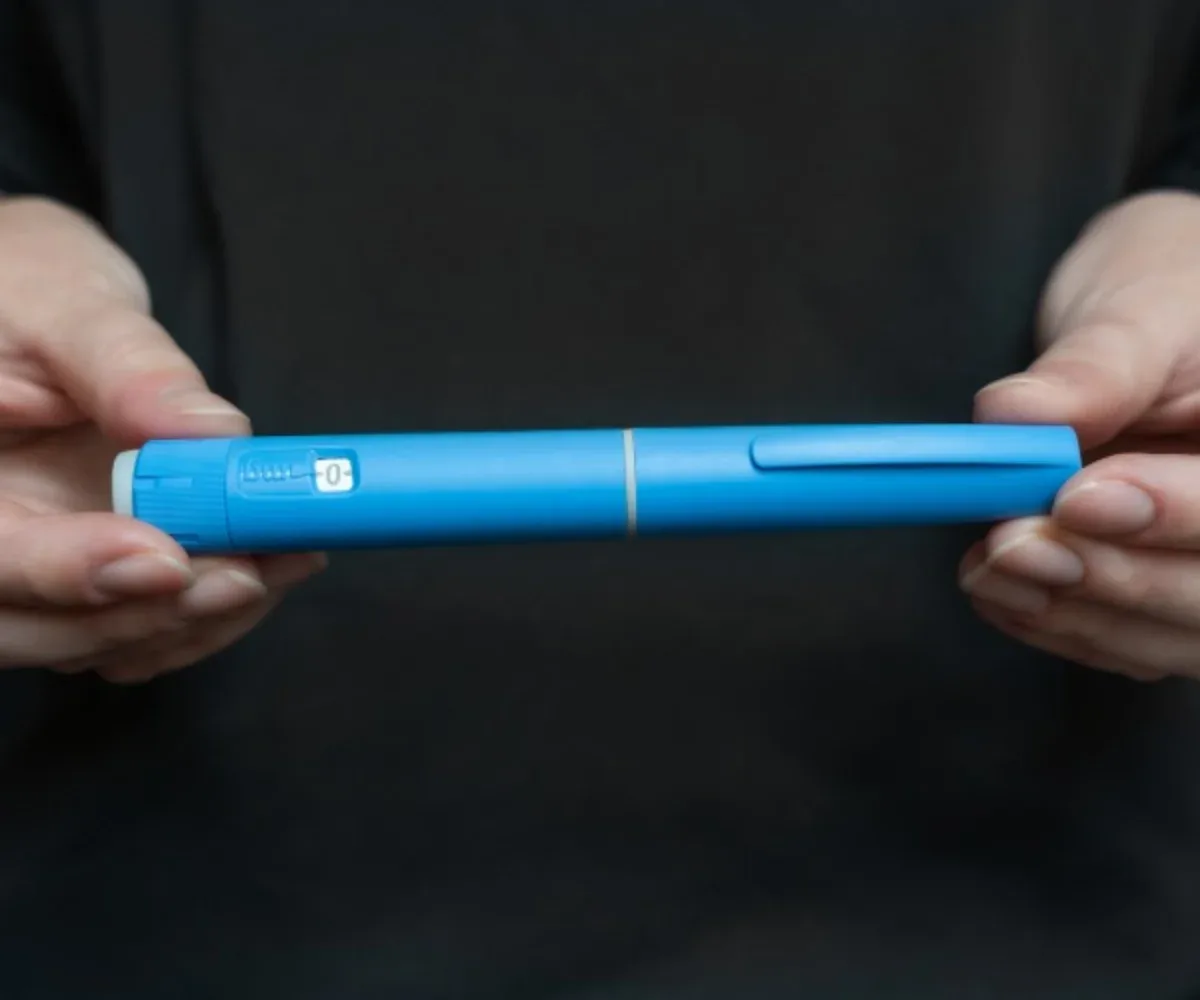

The Turning Point: Medicare and GLP-1 Coverage for Weight Management
The landscape of weight management is rapidly evolving, driven largely by the success of GLP-1 receptor agonists such as semaglutide (found in Ozempic and Wegovy) and tirzepatide (found in Mounjaro and Zepbound). For millions of Americans reliant on Medicare, access to these transformative medications for obesity treatment has historically been blocked. Medicare coverage traditionally extended to these drugs only when treating Type 2 Diabetes, leaving individuals struggling with obesity but without diabetes facing significant out-of-pocket costs.
However, a crucial update is set to change this dynamic. Starting July 1, Medicare is implementing a new 'Bridge' program, signaling a significant, albeit complex, shift toward covering GLP-1s specifically for weight loss. This is not a blanket approval, but rather a structured pathway designed to bring coverage to eligible beneficiaries.
Understanding the Historical Barrier to Coverage
To appreciate the significance of this new program, it’s essential to understand the previous regulatory framework. Medicare’s Part D prescription drug coverage, and its Part B medical insurance, have long adhered to strict guidelines regarding weight loss treatments. The core issue has been the statutory exclusion:
Medicare law explicitly prohibits coverage for medications whose primary indication is cosmetic weight loss. This meant that while a patient could receive Ozempic (semaglutide) covered under Part D if they had a diagnosis of Type 2 Diabetes, the exact same medication, prescribed for obesity, would not be covered.
This distinction created a major disparity. Patients with co-morbidities like diabetes benefited, while those whose primary health concern was obesity—a condition carrying substantial long-term health risks—were left to pay the full, often prohibitive, cost of medications like Wegovy or Zepbound.
The Mechanics of the New GLP-1 'Bridge' Program
The new initiative attempts to bridge this gap by establishing criteria that align with Medicare’s existing coverage rules while acknowledging the therapeutic value of these agents for obesity management. This program is less about overturning the statute and more about creatively utilizing existing pathways.
Who Qualifies Under the New Framework?
The coverage extension is tied directly to specific clinical criteria that patients must meet. While the exact implementation details can vary based on individual state regulations and specific Medicare Advantage plans, the general criteria often center on:
- Body Mass Index (BMI) Thresholds: Patients typically need to meet the clinical definition of obesity (BMI of 30 or greater) or be overweight (BMI of 27 or greater) with at least one weight-related comorbidity, such as hypertension, high cholesterol, or established cardiovascular disease.
- Prior Treatment Failure: Often, Medicare requires documentation that the patient has attempted and failed to achieve meaningful weight loss through established, non-pharmacological means, such as intensive behavioral therapy (IBT) or structured diet and exercise programs, over a defined period.
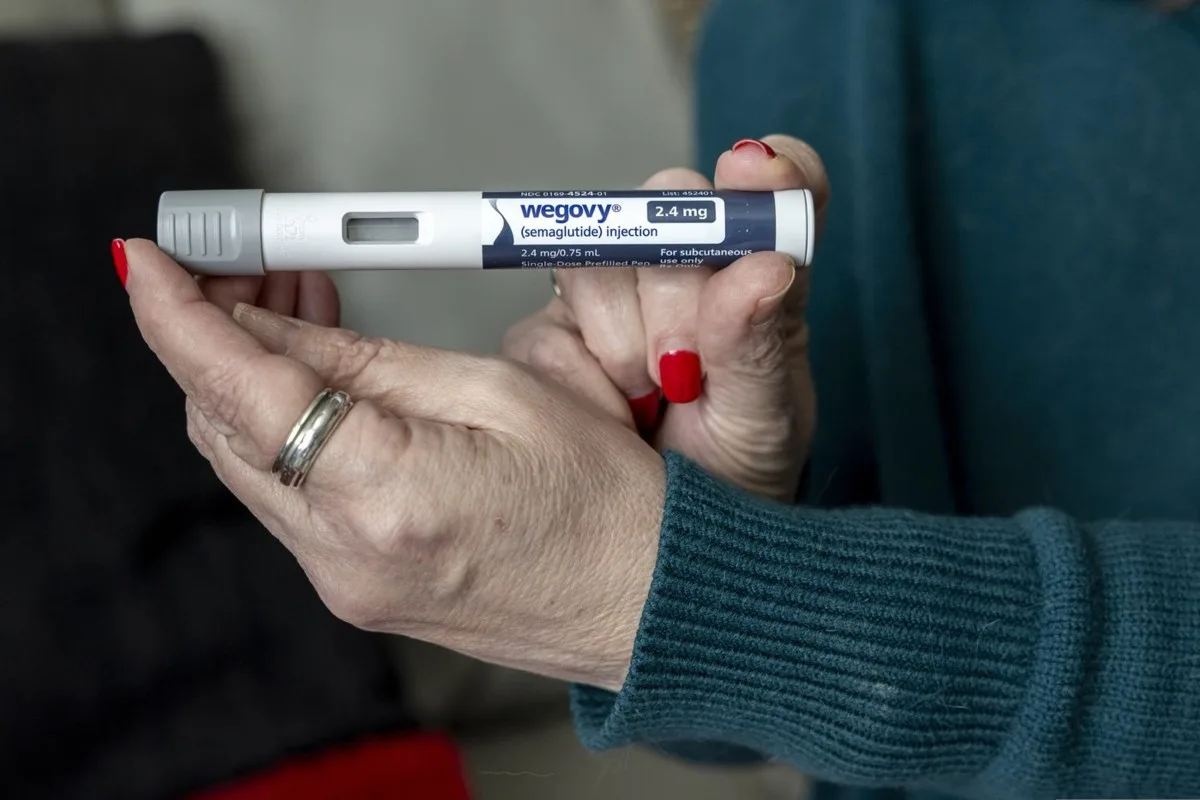
- Specific Drug Formulation: Crucially, the coverage applies to the specific formulations FDA-approved for chronic weight management (e.g., Wegovy, Zepbound), rather than the formulations primarily approved for diabetes (e.g., Ozempic, Mounjaro), even if the active ingredient is the same.
The Role of Part B vs. Part D
The classification of the drug dictates where the coverage falls, impacting deductibles, copays, and overall cost structure:
- Part B (Medical Insurance): Drugs administered in a physician's office or clinic often fall under Part B. For weight loss treatments, if Medicare deems the service part of a comprehensive obesity management program, coverage might apply here, subject to the Part B deductible and 20% coinsurance.
- Part D (Prescription Drug Coverage): Medications taken at home, like self-injected GLP-1s, usually fall under Part D. Coverage here depends on the specific formulary of the beneficiary’s chosen plan.
Beneficiaries must meticulously check their specific plan documents, as Medicare Advantage plans (Part C) often have different formularies and coverage rules than Original Medicare (Parts A & B).
Precision tracking for your journey
Join thousands using Shotlee to accurately track GLP-1 medications and side effects.
📱 Get the Shotlee App
Track your GLP-1 medications, peptides, and health metrics on the go with our mobile app!
Comparing the Key GLP-1 Options Under New Rules
The shift in coverage opens the door for several highly effective medications. Here is a comparison of the primary molecules now being considered for weight management coverage:
| Medication (Brand Name) | Active Ingredient | FDA Approval Indication | Typical Coverage Pathway |
|---|---|---|---|
| Wegovy | Semaglutide | Chronic Weight Management | Potential Part D or Part B coverage |
| Zepbound | Tirzepatide | Chronic Weight Management | Potential Part D or Part B coverage |
| Ozempic | Semaglutide | Type 2 Diabetes | Covered only if T2D is primary diagnosis |
The key takeaway for patients is that the drug must be approved for weight management to qualify under the new weight loss coverage criteria.
Practical Steps for Beneficiaries: Navigating Prior Authorization
Even with the 'Bridge' program in place, obtaining coverage will almost certainly require navigating the prior authorization (PA) process. This is where meticulous documentation becomes non-negotiable. Patients should partner closely with their prescribing physician to ensure all necessary data is submitted accurately.
Essential Documentation Checklist:
- Confirm Eligibility: Verify current BMI and presence of related comorbidities.
- Document Lifestyle Interventions: Provide records showing participation in required dietary counseling or intensive behavioral therapy sessions prior to starting medication.
- Submit the Correct Diagnosis Code: Ensure the claim reflects the diagnosis that triggers weight management coverage, not just a vague 'obesity' code if specific comorbidities are required.
- Track Progress Diligently: Once approved, ongoing coverage often hinges on demonstrating continued progress. Tools like the Shotlee app can be invaluable here, helping users log weight changes, side effects, and dosage adherence to provide robust data during required coverage reviews.
If the initial PA is denied, patients and providers must be prepared to appeal. The complexity of these new pathways means that persistence in the appeals process is often necessary to secure long-term access.
Beyond Coverage: Managing the Journey
Securing Medicare coverage is a massive hurdle cleared, but the journey with GLP-1 therapy is ongoing. These medications are powerful tools that require consistent management, dose titration, and lifestyle reinforcement.
Managing Side Effects and Adherence
Common side effects, such as nausea, gastrointestinal upset, and fatigue, can impact adherence. For beneficiaries newly starting these therapies under Medicare supervision, tracking symptoms is vital. Consistent monitoring allows providers to adjust doses or offer supportive care, ensuring the patient stays on track to meet the weight loss milestones Medicare requires for continued prescription approval.
The shift toward covering these medications reflects a growing recognition of obesity as a chronic disease deserving of pharmacological intervention. While the process is filtered through complex insurance rules, the opportunity for millions of Medicare recipients to access effective weight management therapy is finally becoming a reality.
Conclusion
Medicare’s new 'Bridge' program represents a significant, positive evolution in access to GLP-1 therapies for weight loss. It moves beyond the historical diabetes-only restriction, offering hope to beneficiaries struggling with obesity. However, this access is conditional, demanding strict adherence to clinical guidelines, meticulous documentation, and proactive engagement with the prior authorization process. Patients must work closely with their healthcare team to navigate these intricacies and leverage this new coverage opportunity effectively.