
For many years, individuals seeking to manage their weight through the groundbreaking advancements of GLP-1 receptor agonists faced a significant hurdle: Medicare coverage. The answer to whether Medicare would pay for these powerful medications, such as Ozempic or Wegovy, specifically for weight loss, was consistently a definitive 'no.' While these drugs were covered for conditions like type 2 diabetes, their use for obesity was largely outside the scope of traditional Medicare benefits. However, a pivotal change is now in effect, transforming this landscape and offering new hope for eligible beneficiaries.
A New Era for Weight Management: Medicare's GLP-1 Initiative
Starting July 1st, Medicare has initiated a significant program designed to provide access to GLP-1 receptor agonists specifically for weight management. This marks a monumental shift from its previous policy. Previously, Medicare beneficiaries could receive drugs like Ozempic (semaglutide) or Trulicity (dulaglutide) if they had type 2 diabetes, but not if their primary concern was weight loss. The new initiative, often referred to as a 'Bridge' program, aims to address this gap by offering coverage for FDA-approved weight loss medications within the GLP-1 class.
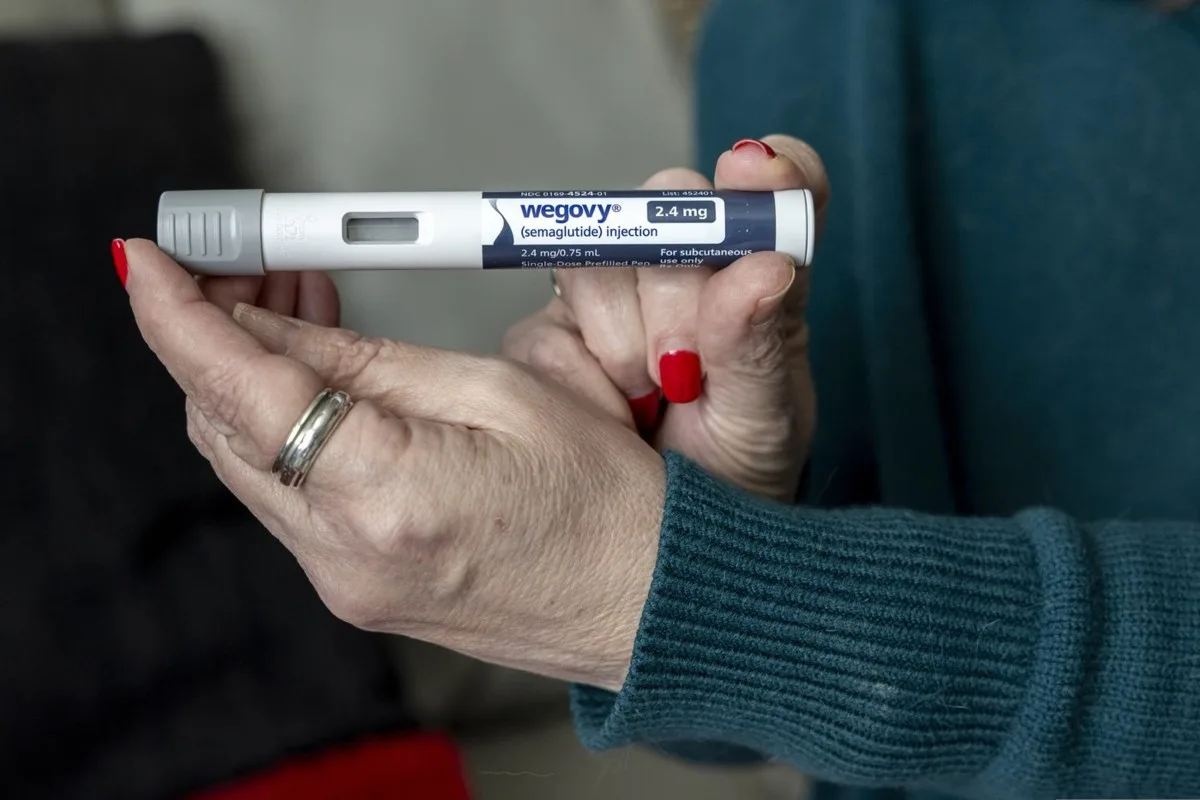
This expansion is particularly impactful for medications like Wegovy, which contains semaglutide – the same active ingredient as Ozempic but specifically approved by the FDA for chronic weight management. Similarly, other GLP-1 agonists and dual GIP/GLP-1 receptor agonists like Mounjaro (tirzepatide) and its weight-loss indication Zepbound are now within the realm of potential Medicare coverage under specific circumstances. This policy evolution acknowledges the critical role these medications can play in improving overall health outcomes for individuals struggling with obesity, a condition often linked to numerous other chronic diseases.
Understanding the 'Bridge' Program: Eligibility and Coverage Details
While the new program represents a significant step forward, it's crucial to understand that it's not a blanket endorsement for all Medicare beneficiaries. The 'Bridge' program is designed with specific criteria to ensure that the benefits are directed towards those who stand to gain the most medically. Eligibility typically hinges on a combination of factors, including:
- Body Mass Index (BMI): Beneficiaries usually need to meet specific BMI thresholds, often indicating obesity (BMI of 30 or higher) or overweight (BMI of 27 or higher) with at least one weight-related comorbidity.
- Underlying Health Conditions: The presence of obesity-related health issues, such as type 2 diabetes, hypertension, or cardiovascular disease, can strengthen the case for coverage.
- Prior Weight Loss Efforts: Demonstrating a history of unsuccessful attempts at weight loss through diet and exercise may be a requirement.
- Prescription by a Healthcare Provider: A physician's prescription and medical necessity documentation are paramount.
It's important to note that Medicare coverage for these medications is often administered through Medicare Part D (prescription drug coverage) or Medicare Advantage plans. The exact co-pays, deductibles, and formulary placement can vary significantly between different plans. Therefore, beneficiaries are strongly encouraged to consult their specific Medicare plan documents or speak directly with their plan provider to understand their individual coverage details, potential out-of-pocket costs, and any prior authorization requirements.
The Role of Clinical Trials and Evidence
The decision to expand Medicare coverage for GLP-1s for weight loss is underpinned by a growing body of robust clinical trial data. Landmark studies, such as the SELECT trial for semaglutide (Wegovy), have demonstrated significant cardiovascular benefits in addition to substantial weight reduction. These trials provide compelling evidence that these medications are not just about aesthetics but are powerful tools for improving long-term health and reducing the risk of serious medical events associated with obesity. The data highlights:
Precision tracking for your journey
Join thousands using Shotlee to accurately track GLP-1 medications and side effects.
📱 Get the Shotlee App
Track your GLP-1 medications, peptides, and health metrics on the go with our mobile app!
- Cardiovascular Risk Reduction: Studies have shown a notable decrease in major adverse cardiovascular events (MACE) like heart attack and stroke in individuals taking these medications.
- Sustainable Weight Loss: Clinical trials have documented significant and sustained weight loss over extended periods, often exceeding that achieved with previous pharmacological interventions.
- Improvement in Comorbidities: Beyond weight loss, these drugs have shown positive impacts on blood pressure, lipid profiles, and glycemic control in individuals with related health conditions.
This evidence-based approach ensures that Medicare's coverage decisions are aligned with the latest medical science, prioritizing treatments that offer the greatest potential for improved patient outcomes and reduced healthcare burdens in the long run.
Navigating the Practicalities: What Beneficiaries Need to Do
For Medicare beneficiaries considering GLP-1 medications for weight loss, the new program offers a viable pathway, but it requires proactive engagement. The journey typically involves several key steps:
- Consult Your Doctor: The first and most critical step is to discuss your weight management goals and any potential health concerns with your primary care physician or a specialist. They can assess your eligibility, determine if a GLP-1 medication is appropriate for you, and initiate the prescription process.
- Understand Your Medicare Plan: Thoroughly review your Medicare Part D or Medicare Advantage plan details. Pay close attention to the formulary, which lists covered drugs, and check for any specific requirements related to weight loss medications.
- Prepare for Prior Authorization: Many Medicare plans require prior authorization for expensive medications like GLP-1 agonists. Your doctor's office will typically handle this process, submitting necessary medical documentation to the insurance provider for approval.
- Track Your Progress: Once you begin treatment, consistent monitoring is essential. This includes tracking your weight, any side effects, your medication adherence, and how the medication is impacting your overall health. Tools like the Shotlee app can be invaluable for logging doses, symptoms, and progress, providing a clear record for both you and your healthcare provider.
Comparing GLP-1 Options: Wegovy vs. Mounjaro and Beyond
The landscape of GLP-1 medications for weight loss includes several key players, each with its unique profile. Understanding these differences can help in discussions with your doctor.
| Medication | Active Ingredient(s) | Primary FDA Approval(s) | Key Considerations |
|---|---|---|---|
| Wegovy | Semaglutide | Chronic weight management | Demonstrated cardiovascular benefits; widely studied. |
| Mounjaro / Zepbound | Tirzepatide (dual GIP/GLP-1 agonist) | Type 2 diabetes (Mounjaro), Chronic weight management (Zepbound) | Potentially greater weight loss efficacy for some; newer to market for weight loss. |
| Saxenda | Liraglutide | Chronic weight management | Daily injection; a longer-standing option. |
The choice between these medications will depend on individual health status, treatment goals, physician recommendation, and, importantly, Medicare coverage. While Wegovy and Zepbound (for weight loss) are the primary targets of this new Medicare initiative, understanding the broader class helps in informed decision-making.
Conclusion: A Promising Step for Healthier Futures
Medicare's expansion of coverage for GLP-1 medications for weight loss signifies a profound recognition of obesity as a serious chronic disease requiring effective medical intervention. This 'Bridge' program is more than just a policy change; it's an opportunity for millions of seniors and individuals with disabilities to access transformative treatments that can lead to significant improvements in their health, well-being, and quality of life. While navigating the specifics of eligibility and coverage requires diligence, the potential benefits – from substantial weight loss to reduced risk of cardiovascular events – make this a development worth exploring for anyone who qualifies.