
Shotlee LogoShotlee
Blog
Download on theApp Store
Get it onGoogle Play
Skip to main content
Ozempic, Wegovy, Mounjaro: Navigating the New GLP-1 Landscape - Featured image
Health & Wellness

Ozempic, Wegovy, Mounjaro: Navigating the New GLP-1 Landscape

Dr. Adrian Vale, MD
Reviewed by Dr. Adrian Vale, MDInternal Medicine · Board-Certified Obesity Medicine
·June 28, 2026·6 min read

On this page

  • Understanding the Medicare GLP-1 Bridge Program
  • The Role of Market Forces in GLP-1 Pricing
  • Potential Pitfalls of Government Intervention
  • Practical Takeaways for Patients
  • Conclusion
  • How the Bridge Program Works
  • Impact on Innovation and Future Treatments

Track Smart

Calculate active GLP-1 levels automatically with Shotlee.

Download →

The landscape of GLP-1 medications for weight loss and chronic disease management is rapidly evolving. From new access programs to shifting pricing dynamics, understanding these advancements is crucial for patients and healthcare providers alike.

Share

On this page

  • Understanding the Medicare GLP-1 Bridge Program
  • The Role of Market Forces in GLP-1 Pricing
  • Potential Pitfalls of Government Intervention
  • Practical Takeaways for Patients
  • Conclusion
  • How the Bridge Program Works
  • Impact on Innovation and Future Treatments

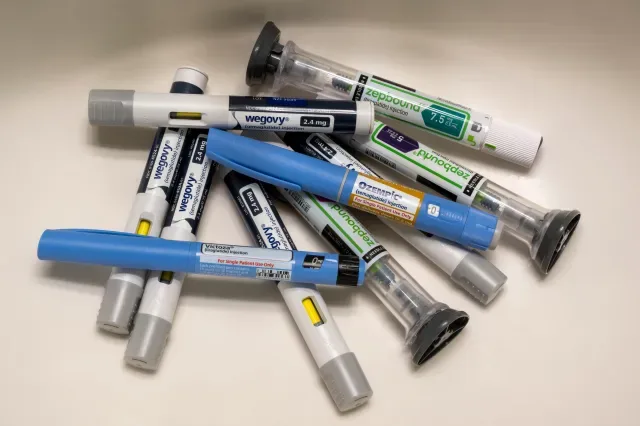
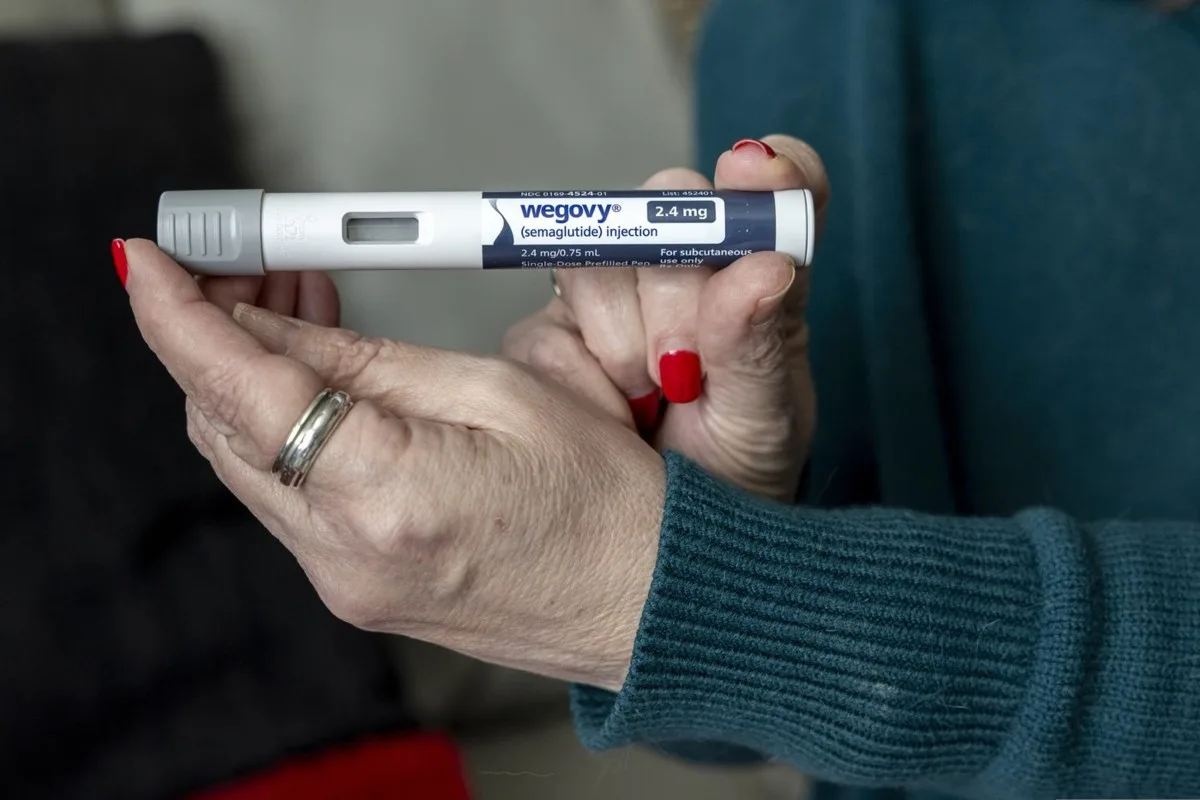
The advent of GLP-1 receptor agonists has revolutionized the approach to managing obesity and related chronic conditions. Medications like semaglutide (Ozempic, Wegovy) and tirzepatide (Mounjaro, Zepbound) have demonstrated remarkable efficacy in promoting weight loss and improving metabolic health. However, access and affordability remain significant challenges for many. Recently, a new initiative, the Medicare GLP-1 Bridge program, has emerged, aiming to improve access for eligible Medicare beneficiaries. This program, alongside evolving market dynamics, offers a glimpse into the future of these transformative therapies.

Understanding the Medicare GLP-1 Bridge Program

In an effort to address the growing need for effective obesity treatments, the Centers for Medicare and Medicaid Services (CMS) announced the Medicare GLP-1 Bridge program. Starting July 1, eligible Medicare Part D beneficiaries will have access to select GLP-1 obesity medications for a copay of $50 per month. This program is slated to run through the end of 2027 and will include medications such as Wegovy, Zepbound, and potentially others when prescribed for weight reduction.

For seniors and individuals with long-term disabilities who are battling obesity and its associated health issues, this initiative represents a significant positive development. Obesity is not merely a cosmetic concern; it is a serious chronic disease that substantially increases the risk of developing other costly and debilitating conditions, including type 2 diabetes, heart disease, sleep apnea, and various forms of cancer. Patients should not be excluded from accessing cutting-edge treatments simply because existing Medicare regulations haven't kept pace with rapid medical innovation.

How the Bridge Program Works

It's important to understand the structure of the Medicare GLP-1 Bridge program. CMS has clarified that this program operates outside the standard Part D payment pathway. Pharmacies will collect the $50 copay directly from patients. A central processor will then manage the payments to pharmacies, ensuring a streamlined process. Crucially, manufacturers will supply eligible GLP-1 drugs to the program at a net price of $245 per monthly supply. This arrangement signifies a significant investment, with taxpayers effectively subsidizing the cost with the expectation that the long-term healthcare savings from improved health outcomes will outweigh the upfront expenditure. This is a calculated bet that proactive treatment will ultimately prove more cost-effective than managing the emergency medical care required for obesity-related complications.

The Role of Market Forces in GLP-1 Pricing

While the Medicare GLP-1 Bridge program is a welcome step, it's essential to recognize that it's not a reflection of a government-dictated price for these medications. Instead, the program's feasibility is partly due to the ongoing competition and innovation within the pharmaceutical market itself. Market forces, including increased competition and direct-to-consumer access, have already begun to drive down the prices of GLP-1 medications.

We are witnessing this shift in the direct-to-consumer and self-pay markets. For instance, Eli Lilly launched Zepbound, a tirzepatide-based medication for weight loss, with pricing structures designed for self-pay patients. Initially, single-dose vials were offered at $399 per month for the 2.5 mg dose and $549 per month for the 5 mg dose. By removing third-party supply chain costs, manufacturers aim to make these therapies more accessible. The trend is promising, with consumer prices for some formulations seeing reductions of up to 27 percent by the end of 2025.

Precision tracking for your journey

Join thousands using Shotlee to accurately track GLP-1 medications and side effects.

📱 Get the Shotlee App

Track your GLP-1 medications, peptides, and health metrics on the go with our mobile app!

Download on theApp Store
Get it onGoogle Play

Similarly, Novo Nordisk has introduced programs for Wegovy (semaglutide) aimed at cash-paying patients. NovoCare Pharmacy began offering Wegovy at $499 per month, with initial discounts of up to $199 per month for the first two fills, followed by $349 thereafter. These initiatives suggest that as more companies enter the GLP-1 market and competition intensifies, pricing will continue to become more favorable for consumers. This is the essence of sustainable affordability: increased options, direct patient access, and pressure on intermediaries to reduce costs.

Potential Pitfalls of Government Intervention

The Medicare GLP-1 Bridge program, while beneficial for its enrollees, presents a potential risk if policymakers misinterpret its success. The danger lies in the possibility that such programs could be seen as a mandate for the government to set drug prices across the board. This approach could have unintended negative consequences for innovation and long-term healthcare advancements.

Discussions around drug pricing often involve proposals like Most-Favored-Nation (MFN) pricing. While MFN sounds appealing because it promises Americans the lowest prices available internationally, its practical application can lead to the importation of foreign price controls into the U.S. healthcare system. CMS has previously described MFN as requiring manufacturers to sell certain Medicare drugs in the U.S. at prices no higher than the lowest price they receive in developed countries. Such policies, while seemingly offering a quick fix, can carry substantial long-term costs.

Impact on Innovation and Future Treatments

If the government begins to treat every medical breakthrough as an opportunity for price-setting, it could significantly dampen investment in research and development. Pharmaceutical companies and investors may become less inclined to allocate resources to the next generation of treatments for obesity, diabetes, cancer, cardiovascular diseases, and other critical health areas if they anticipate restrictive pricing policies. This could mean that consumers might benefit from a discount today at the expense of missing out on potentially life-saving cures and advanced therapies tomorrow.

Practical Takeaways for Patients

For individuals considering or currently using GLP-1 medications, staying informed is paramount. The evolving landscape of access programs and pricing means that options may change. It's crucial to:

  • Consult your healthcare provider: Discuss which GLP-1 medication is most appropriate for your specific health needs and goals.
  • Understand your insurance coverage: Investigate your Medicare Part D benefits or other insurance plans to see if you qualify for programs like the GLP-1 Bridge or if other coverage options are available.
  • Explore self-pay options: If insurance coverage is limited, research direct-to-consumer or self-pay programs offered by manufacturers, as these can sometimes provide more affordable access.
  • Track your progress: Utilize tools like the Shotlee app to monitor your weight, medication adherence, symptom changes, and overall health metrics. This data can be invaluable for discussions with your doctor and for assessing the effectiveness of your treatment plan.

Conclusion

The Medicare GLP-1 Bridge program represents a valuable, albeit temporary, subsidy designed to improve access to crucial GLP-1 medications for eligible Part D patients. It acknowledges the critical role these drugs play in improving health outcomes and managing chronic diseases. However, it is not a sustainable model for government price setting. The true path to long-term affordability and accessibility for GLP-1s lies in fostering competition, encouraging direct access, and allowing market forces to drive innovation and efficiency. By balancing innovative access programs with a healthy market environment, we can ensure that these life-changing therapies remain available to those who need them most, both now and in the future.
?Frequently Asked Questions

What is the Medicare GLP-1 Bridge program?

The Medicare GLP-1 Bridge program is a temporary initiative by CMS that allows eligible Medicare Part D beneficiaries to access select GLP-1 obesity medications for a $50 monthly copay. It aims to improve access to these treatments for seniors and individuals with disabilities struggling with obesity and related health issues.

How does the Medicare GLP-1 Bridge program affect drug pricing?

The program does not set a permanent price for GLP-1s but rather acts as a subsidy. Manufacturers provide eligible drugs at a net price of $245 per monthly supply, with Medicare covering the difference beyond the patient's $50 copay. This is made possible by existing market forces that have already begun to lower GLP-1 prices.

Are GLP-1 medications like Ozempic and Wegovy covered by Medicare?

Coverage for GLP-1 medications for weight loss under Medicare can vary. While the GLP-1 Bridge program offers specific access for eligible Part D beneficiaries, general coverage for weight loss indications may depend on individual Medicare plans and specific drug approvals. It's essential to check your plan details or consult with your provider.

What are the benefits of GLP-1 medications for weight loss?

GLP-1 receptor agonists, such as semaglutide and tirzepatide, are highly effective in promoting significant weight loss by mimicking the effects of natural hormones that regulate appetite and blood sugar. They can also improve metabolic health and reduce the risk of obesity-related conditions like type 2 diabetes and heart disease.

How can I track my progress with GLP-1 medications?

Tracking your progress is vital. You can monitor your weight, medication adherence, any side effects, and general health changes. Tools like the Shotlee app can help you conveniently record and visualize this data, providing valuable insights to share with your healthcare provider for informed treatment adjustments.

Source Information

Originally published by The Hill.Read the original article →

Read next

Keep exploring

More on Ozempic

Articles covering Ozempic dosing, side effects, and clinical updates.

Peptides and Health: The Truth Behind the Beauty and Weight Loss Claims
Medical Insights

Peptides and Health: The Truth Behind the Beauty and Weight Loss Claims

Peptides are the newest buzzword in health and beauty, promising everything from wrinkle reduction to profound weight loss. But does the science actually back up the claims, and are they safe?

7 min read
Svemia Approved: What Canada's New Semaglutide Generic Means for You
Medical News

Svemia Approved: What Canada's New Semaglutide Generic Means for You

Canada's Health Department has cleared Apotex's Svemia, marking a major milestone for generic semaglutide availability and weight loss treatment access.

7 min read
Ozempic, Wegovy, Mounjaro: How Do They Affect Mental Health?
Health & Wellness

Ozempic, Wegovy, Mounjaro: How Do They Affect Mental Health?

New research sheds light on the neuropsychiatric effects of popular weight loss medications like semaglutide and tirzepatide. Discover how these treatments may influence anxiety, depression, and other mental health outcomes.

7 min read

Same topic: Weight Management

All Weight Management articles →
Navigating Medicare's New Path for GLP-1 Weight Loss Coverage
Medication & Treatment Access

Navigating Medicare's New Path for GLP-1 Weight Loss Coverage

For years, Medicare coverage for GLP-1 medications like Ozempic and Wegovy was strictly limited to diabetes management. A significant shift is underway, however, as a new 'Bridge' program opens doors for weight loss coverage, albeit with specific requirements and nuances that patients must navigate.

6 min read
Wegovy and Ozempic: The Critical Question to Prevent Weight Regain
Health & Wellness

Wegovy and Ozempic: The Critical Question to Prevent Weight Regain

Discover the single most important question to ask before starting GLP-1 medications like Ozempic or Wegovy. Learn how to ensure sustainable weight loss and avoid the common pitfalls of viewing these drugs as a magic cure.

8 min read
Wegovy Arrives in Jordan: A New Era for Weight Management
Health & Wellness

Wegovy Arrives in Jordan: A New Era for Weight Management

Novo Nordisk has officially launched Wegovy®️ (semaglutide 2.4 mg) in Jordan, marking a significant advancement in the country's approach to tackling the growing challenge of excess weight and its associated health risks.

7 min read

More in Health & Wellness

Beyond the Hype: Why Some Aren't Responding to GLP-1 Weight Loss Drugs
Health & Wellness

Beyond the Hype: Why Some Aren't Responding to GLP-1 Weight Loss Drugs

While GLP-1 agonists have revolutionized weight loss for many, a significant portion of individuals don't experience the same dramatic results. This article delves into the reasons behind GLP-1 non-response and offers guidance for those seeking effective weight management solutions.

7 min read
Ozempic, Wegovy & Mounjaro: Weighing Risks for Young Patients on GLP-1s
Health & Wellness

Ozempic, Wegovy & Mounjaro: Weighing Risks for Young Patients on GLP-1s

As GLP-1 medications gain traction for weight management, doctors are increasingly prescribing them to adolescents. While short-term benefits are evident, significant questions remain about the long-term implications for young, developing bodies and minds.

7 min read
Ozempic, Wegovy & Mounjaro: How GLP-1s Are Reshaping the Diet Industry
Health & Wellness

Ozempic, Wegovy & Mounjaro: How GLP-1s Are Reshaping the Diet Industry

The landscape of weight loss and diet trends is undergoing a seismic shift, largely driven by the widespread adoption of GLP-1 receptor agonists. From Ozempic to Wegovy and Mounjaro, these medications are not just changing how individuals manage their weight but are fundamentally altering the food industry and the very concept of dieting.

7 min read
Share this article
  1. Home
  2. Blog
  3. Ozempic, Wegovy, Mounjaro: Navigating the New GLP-1 Landscape
Dr. Adrian Vale, MD — Internal Medicine · Board-Certified Obesity Medicine
Medically reviewed

Dr. Adrian Vale, MD

Internal Medicine · Board-Certified Obesity Medicine

Dr. Adrian Vale is a board-certified internal medicine physician with a clinical focus on obesity medicine and metabolic health. He reviews Shotlee guides and articles on GLP-1 medications, peptide therapy, and weight-management protocols for clinical accuracy.

View all articles reviewed by Dr. Adrian Vale, MD
Shotlee LogoShotlee

Your comprehensive health tracking companion. Track, analyze, and optimize your journey with advanced metrics and community support.

Product

  • Medication Trackers
  • Health Guides
  • Calculators
  • Compare Medications
  • Pricing

Resources

  • Health Blog
  • Support Center

Legal

  • Privacy Policy
  • Terms of Service
  • Community Guidelines
  • Refund Policy

© 2026 Shotlee. All rights reserved.

Made with for the community♥ for the community