
The GLP-1 Revolution: A New Era in Weight Management
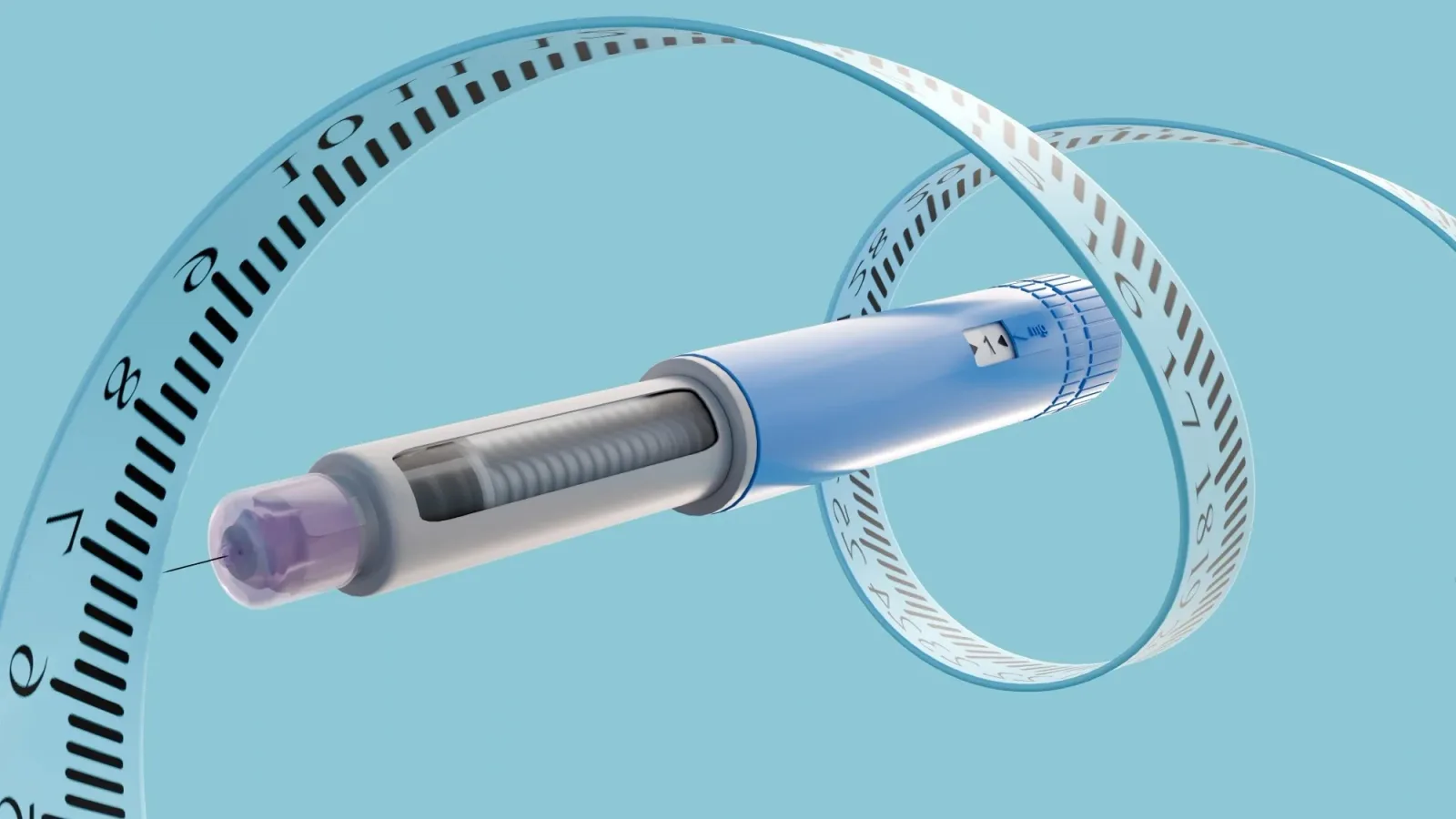
In recent years, medications belonging to the GLP-1 receptor agonist class have emerged as groundbreaking tools in the fight against obesity. Celebrities and everyday individuals alike have shared remarkable success stories, with many reporting significant weight loss and improvements in related health markers. These drugs, including popular names like Ozempic (semaglutide), Wegovy (semaglutide), Mounjaro (tirzepatide), and Zepbound (tirzepatide), mimic the action of a natural hormone, glucagon-like peptide-1, which plays a crucial role in regulating appetite and blood sugar.
The appeal of these medications is undeniable. They offer a scientifically backed approach to weight management, often leading to substantial reductions in body weight that can be difficult to achieve through diet and exercise alone. Beyond the scale, studies have consistently shown that GLP-1 agonists can also improve cardiovascular health, reduce the risk of type 2 diabetes, and positively impact other metabolic parameters. This broad spectrum of benefits has positioned them as a transformative therapy for many struggling with excess weight and its associated health challenges.
Understanding GLP-1 Agonists: How They Work
To appreciate why some individuals might not respond to these medications, it's essential to understand their mechanism of action. GLP-1 receptor agonists work in several key ways:
- Appetite Suppression: They signal to the brain that you are full, reducing hunger and cravings. This leads to a natural decrease in calorie intake.
- Gastric Emptying Delay: They slow down the rate at which food leaves the stomach, contributing to prolonged feelings of fullness.
- Blood Sugar Regulation: They enhance insulin secretion and reduce glucagon secretion, which helps to lower blood glucose levels, particularly beneficial for individuals with type 2 diabetes.
These combined effects can lead to a significant calorie deficit, prompting the body to utilize stored fat for energy, resulting in weight loss. For many, this has been a life-changing intervention, offering a path to a healthier weight and improved well-being.
The Phenomenon of Non-Response: Why It Happens
Despite the widespread success, it's crucial to acknowledge that GLP-1 agonists are not a universal solution. A notable percentage of individuals, estimated to be around 10-20%, may not experience the desired level of weight loss. This phenomenon, often referred to as GLP-1 non-response, can be attributed to a complex interplay of genetic, physiological, and lifestyle factors.
Genetic Predisposition and Individual Metabolism
Our genes play a significant role in how our bodies respond to medications. Variations in genes related to appetite regulation, metabolism, and drug absorption can influence the effectiveness of GLP-1 agonists. Some individuals may have genetic makeup that makes their bodies less sensitive to the signals sent by these drugs, or their metabolic pathways may process them differently.
Hormonal Imbalances and Gut Microbiome
The intricate balance of hormones governing appetite and satiety is highly individual. Pre-existing hormonal imbalances, such as those related to thyroid function or other metabolic disorders, could potentially interfere with how GLP-1 agonists work. Furthermore, the composition of an individual's gut microbiome—the trillions of bacteria residing in the digestive tract—is increasingly recognized for its influence on metabolism and nutrient absorption. Differences in gut bacteria could affect how the body responds to the medication.
Lifestyle Factors and Adherence
While GLP-1 agonists are powerful tools, they are most effective when combined with sustainable lifestyle changes. Inadequate adherence to dietary recommendations, lack of physical activity, or poor sleep hygiene can all mitigate the drug's effects. It's also important to consider the dosage and duration of treatment. Sometimes, a change in dosage or a longer treatment period might be necessary for an individual to see results.
Precision tracking for your journey
Join thousands using Shotlee to accurately track GLP-1 medications and side effects.
📱 Get the Shotlee App
Track your GLP-1 medications, peptides, and health metrics on the go with our mobile app!
Underlying Medical Conditions
Certain co-existing medical conditions might also impact the efficacy of GLP-1 agonists. For instance, conditions affecting nutrient absorption or gastrointestinal motility could alter the drug's impact. A thorough medical evaluation is always necessary to rule out any contributing factors.
Navigating Non-Response: What Are Your Options?
If you've been using a GLP-1 agonist and are not seeing the weight loss results you expected, it's important to consult with your healthcare provider. They can help you understand why you might be a non-responder and explore alternative strategies. Here are some potential avenues:
Re-evaluation of Treatment Plan
Your doctor may suggest adjusting your current medication regimen. This could involve:
- Dosage Adjustment: Increasing the dose of your current GLP-1 medication, if appropriate and within safe limits.
- Switching Medications: Exploring other GLP-1 agonists or medications with different mechanisms of action, such as those targeting other appetite-regulating hormones or metabolic pathways.
- Combination Therapy: In some cases, combining a GLP-1 agonist with another weight-loss medication or a different therapeutic approach might be considered.
Comprehensive Lifestyle Interventions
For those who are not responding optimally to medication alone, a renewed focus on lifestyle modifications is crucial. This includes:
- Personalized Nutrition Plans: Working with a registered dietitian to develop a sustainable eating pattern that supports your weight loss goals and overall health.
- Structured Exercise Programs: Incorporating regular physical activity tailored to your fitness level and preferences.
- Behavioral Therapy: Addressing emotional eating, stress management, and developing coping strategies for challenges related to weight management.
Exploring Other Medical Interventions
If medication and lifestyle changes are insufficient, your healthcare provider might discuss other medical interventions, such as:
- Bariatric Surgery: For individuals with severe obesity, bariatric surgery can be a highly effective option.
- Other Pharmacotherapies: Investigating medications that work through different pathways to promote weight loss.
The Role of Health Tracking
For individuals on any weight management journey, meticulous health tracking can be invaluable. Tools like Shotlee can help you monitor key metrics such as medication adherence, dosage, side effects, and even correlate them with your weight fluctuations and other health indicators. By diligently recording this data, you and your healthcare provider can gain deeper insights into your personal response to treatment, identify patterns, and make more informed decisions about your care. This data-driven approach empowers you to be an active participant in your health journey.
Conclusion: A Personalized Path to Health
The development of GLP-1 receptor agonists represents a significant advancement in weight management, offering hope and tangible results for millions. However, it's essential to approach these medications with realistic expectations, understanding that individual responses can vary. For those who find themselves in the category of GLP-1 non-responders, it's not a sign of failure but an opportunity to collaborate closely with healthcare professionals. By exploring personalized treatment plans, embracing comprehensive lifestyle changes, and leveraging the power of detailed health tracking, every individual can forge a unique and effective path toward achieving their health and weight management goals.
| Factor | Potential Impact on GLP-1 Response | Considerations |
|---|---|---|
| Genetics | Variations in genes affecting metabolism and appetite signaling can reduce drug sensitivity. | Individualized genetic makeup plays a role; no direct intervention, but informs approach. |
| Hormonal Balance | Imbalances (e.g., thyroid) can interfere with appetite regulation pathways targeted by GLP-1s. | Thorough medical evaluation to identify and manage underlying hormonal issues. |
| Gut Microbiome | Different bacterial compositions may influence nutrient absorption and metabolic response. | Emerging research area; focus on gut health through diet may be beneficial. |
| Lifestyle Adherence | Poor diet, lack of exercise, and insufficient sleep can counteract medication effects. | Crucial to integrate medication with sustainable diet, exercise, and sleep habits. |
| Dosage & Duration | Suboptimal dosage or insufficient treatment time may lead to perceived non-response. | Discuss dose adjustments and adequate trial periods with your doctor. |