
For decades, the medical community has often approached childhood and adolescent obesity with a simplistic, and frankly, outdated perspective. The prevailing advice for young people struggling with their weight has often been reduced to a mantra of "eat less, move more, try harder." This overlooks the complex biological, genetic, and environmental factors that contribute to this chronic condition.
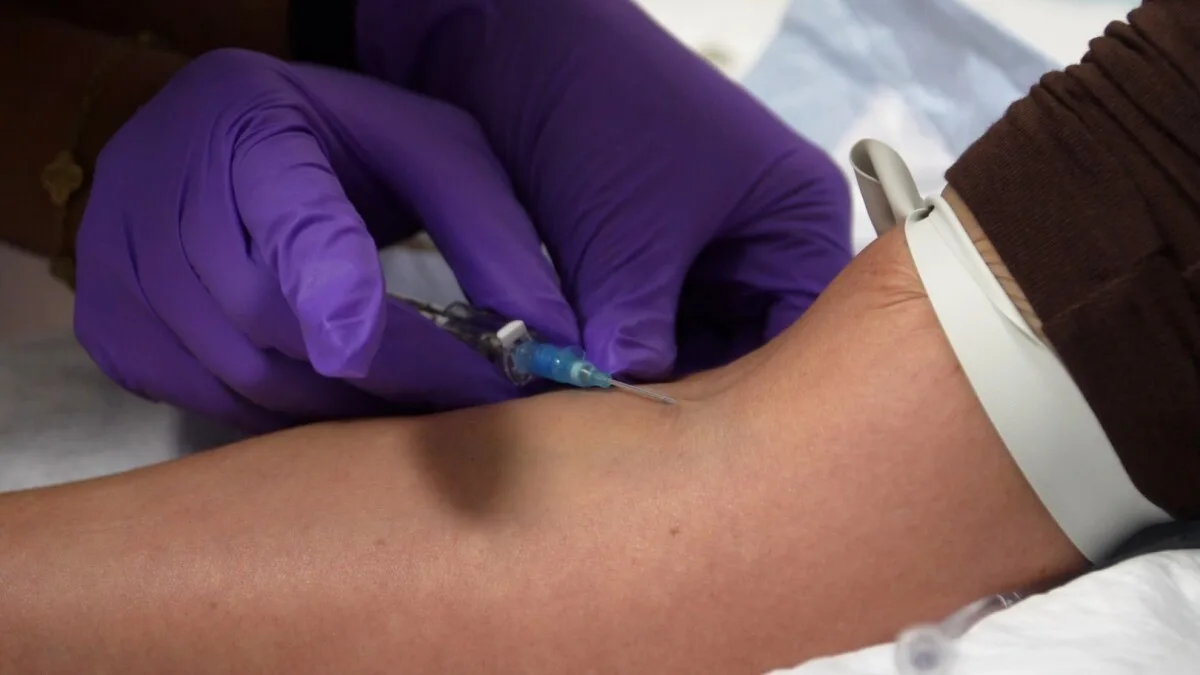
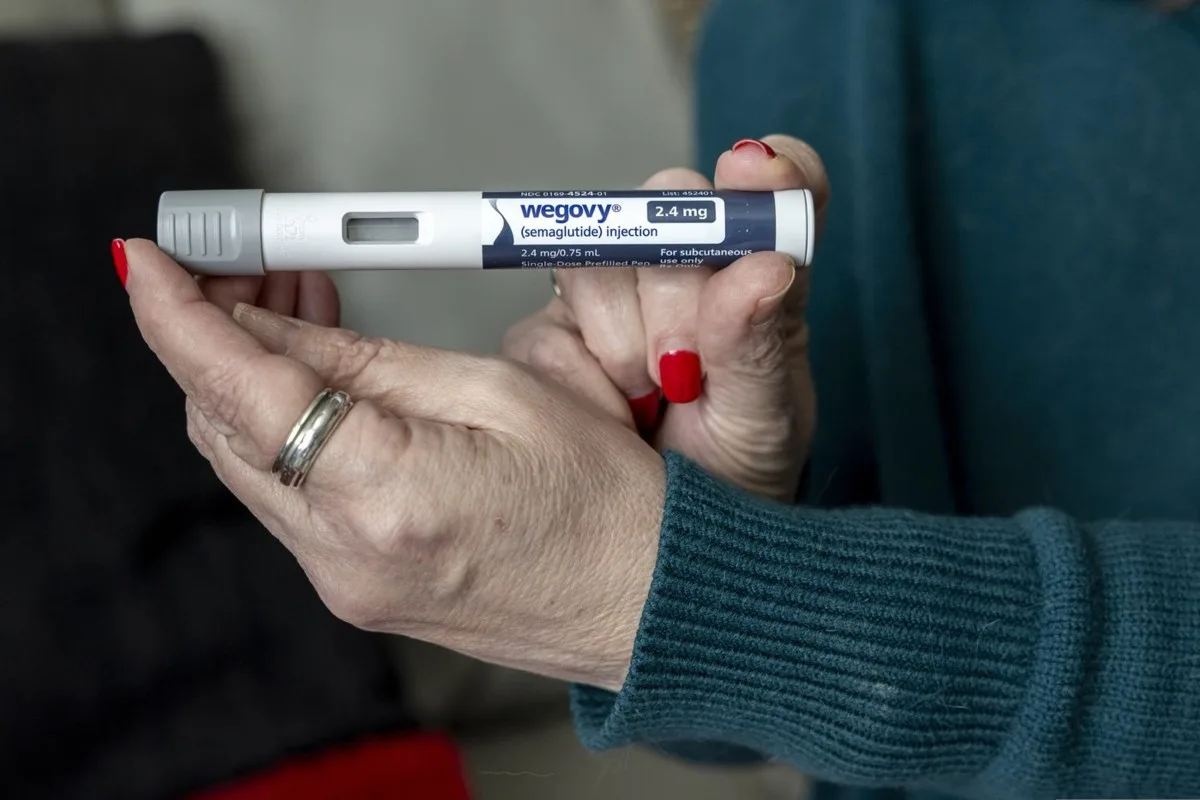
Now, a new class of medications, the GLP-1 receptor agonists (like semaglutide and tirzepatide), are revolutionizing adult weight loss and are increasingly being considered and prescribed for younger patients. Medications such as Wegovy are already approved for adolescents aged 12 and older with obesity, and others are being used off-label. While the initial results can be transformative, a growing chorus of medical professionals is raising crucial questions about the long-term safety and efficacy of these powerful drugs in developing bodies.
The Promise and the Peril: GLP-1s in Adolescents
The appeal of GLP-1 medications for weight management is undeniable. These drugs mimic a natural hormone that regulates appetite and blood sugar. For adults, they have demonstrated significant success in promoting weight loss, often leading to improvements in associated health conditions like type 2 diabetes, high blood pressure, and fatty liver disease. The impact on a young person's life can be equally profound.
A landmark 2021 trial involving semaglutide (the active ingredient in Wegovy) showed that obese adolescent participants achieved an average body weight reduction of 16 percent. This far surpassed the results typically seen with lifestyle interventions alone. Beyond the aesthetic changes, such weight loss can lead to tangible health benefits, including better insulin sensitivity, reduced blood pressure, and a potentially brighter long-term health outlook.
The statistics underscore the urgent need for effective interventions. According to the Centers for Disease Control and Prevention (CDC), over 20 percent of teenagers are now considered obese, a stark increase from approximately five percent in the 1970s. This surge highlights the limitations of traditional approaches and the growing interest in pharmacological solutions. Indeed, GLP-1 usage among adolescents saw a staggering 600 percent increase between 2020 and 2023, according to data published in the Journal of the American Medical Association.
Uncharted Territory: Long-Term Effects Remain a Mystery
Despite the compelling short-term benefits, the medical community faces a significant knowledge gap regarding the long-term effects of GLP-1 medications on young, developing individuals. Unlike adult trials that may span several years, most adolescent studies have followed participants for only one to two years. This limited timeframe leaves many critical questions unanswered.
Physicians are concerned about how sustained appetite suppression might impact:
- Bone Growth: The crucial period of skeletal development in adolescence could be affected by reduced nutrient intake.
- Nutrient Absorption: Long-term changes in eating patterns might interfere with the body's ability to absorb essential vitamins and minerals.
- Brain Development: The ongoing impact of altered appetite signals on the developing adolescent brain is not yet understood.
As Dr. Sheila Nazarian, founder of Nazarian Plastic Surgery and NazarianSkin, points out, honesty about these uncertainties is paramount. "We must be honest about these uncertainties," she states. "For the moment, we don't know how long teenagers should stay on GLP-1s because most adolescent trials have only followed patients for roughly one to two years, not five or 10, which would provide greater insight into long-term effects."
Many obesity specialists now believe that for a significant number of patients, GLP-1s may function less as a temporary fix and more as a chronic disease management tool, akin to medications for hypertension or high cholesterol. This perspective suggests that young people might need to remain on these medications indefinitely to maintain their weight, even with concurrent lifestyle modifications, as the drugs can potentially alter the body's natural metabolic processes.
Precision tracking for your journey
Join thousands using Shotlee to accurately track GLP-1 medications and side effects.
📱 Get the Shotlee App
Track your GLP-1 medications, peptides, and health metrics on the go with our mobile app!
Complexities of Eating Disorders and GLP-1s
The role of GLP-1s in adolescents with eating disorders presents another layer of complexity. For adults struggling with binge eating disorder, these medications have shown remarkable efficacy. Studies indicate that individuals with binge eating disorder often have dysregulated satiety hormones. GLP-1s can enhance feelings of fullness and diminish the intense reward pathways associated with food, leading to a significant reduction in cravings and compulsive eating behaviors.
However, caution is essential, especially when considering younger patients. Not all eating disorders are driven solely by hormonal imbalances. Many are rooted in deeper psychological issues such as anxiety, self-destructive compulsions, distorted body image, or an intense fear of gaining weight. In vulnerable adolescents, these psychological drivers may be more influential than biological ones.
For these young individuals, appetite suppression alone is unlikely to resolve underlying issues and could potentially exacerbate them. The focus must remain on comprehensive care that addresses both the biological and psychological facets of eating disorders. As Dr. Nazarian notes, "Particularly in adolescents, these psychological drivers may be more important than the biological ones. In fact, for vulnerable young people prone to unhealthy relationships with food, appetite suppression alone is unlikely to fix underlying triggers. Concerningly, they may even make things worse."
Navigating the Decision: When is GLP-1 Use Justified?
The decision to prescribe GLP-1 medications to adolescents is not one to be taken lightly. It requires a thorough evaluation of the individual patient's health profile, the severity of their obesity, and the presence of co-occurring conditions. For a 15-year-old with severe obesity, diagnosed fatty liver disease, prediabetes, and a history of unsuccessful dieting attempts, physicians might understandably consider GLP-1s as a crucial intervention. Similarly, for a teenager whose life is significantly impaired by binge eating disorder, the potential benefits of these medications warrant investigation.
However, the consensus among many medical professionals is that these drugs should never be viewed as a universal solution. A structured approach is vital:
- Careful Screening: Rigorous assessment for underlying medical and psychological conditions is paramount.
- Close Medical Supervision: Ongoing monitoring by healthcare providers is essential to track progress and manage potential side effects.
- Psychological Support: Integrating mental health professionals into the care team is crucial, especially for adolescents with a history of or predisposition to eating disorders.
- Informed Consent: Patients and their families must be fully informed about the known benefits, potential risks, and significant uncertainties surrounding long-term use.
Obesity is a chronic condition that requires ongoing management. GLP-1 medications may indeed prove to be a powerful tool in this fight for adolescents, much like they have for adults. Yet, until more definitive scientific evidence emerges regarding their long-term impact, the term "promising" should not be mistaken for "proven" when it comes to the use of these medications in children and young adults.
For individuals and families navigating the complexities of weight management and considering these advanced therapies, diligent health tracking is invaluable. Tools like Shotlee can help monitor weight fluctuations, medication adherence, symptom changes, and overall well-being, providing a comprehensive picture for both patients and their healthcare providers to make informed decisions.
Practical Takeaways
As GLP-1 medications become more prevalent for adolescent weight management, it's crucial for patients, parents, and healthcare providers to approach their use with informed caution. The short-term benefits are significant, but the long-term implications for developing bodies remain a critical area of ongoing research. Comprehensive screening, close medical supervision, and robust psychological support are non-negotiable components of care. Remember that these medications are part of a larger strategy to manage a complex chronic condition, not a standalone cure.
Conclusion
The advent of GLP-1 receptor agonists has opened new avenues for treating obesity, a growing public health crisis affecting millions, including a significant number of adolescents. While the efficacy of drugs like Ozempic, Wegovy, and Mounjaro in promoting weight loss and improving metabolic health is well-documented in adults, their application in younger populations introduces a unique set of challenges and uncertainties. The medical community is grappling with the unknown long-term effects on bone growth, nutrient absorption, and brain development, as well as the complex interplay with psychological factors in eating disorders. As research continues, a balanced approach that prioritizes patient safety, comprehensive care, and honest communication about risks and benefits will be essential in determining the appropriate role of these powerful medications in the lives of young people.