
Canada Approves Svemia: A New Era for Semaglutide Access
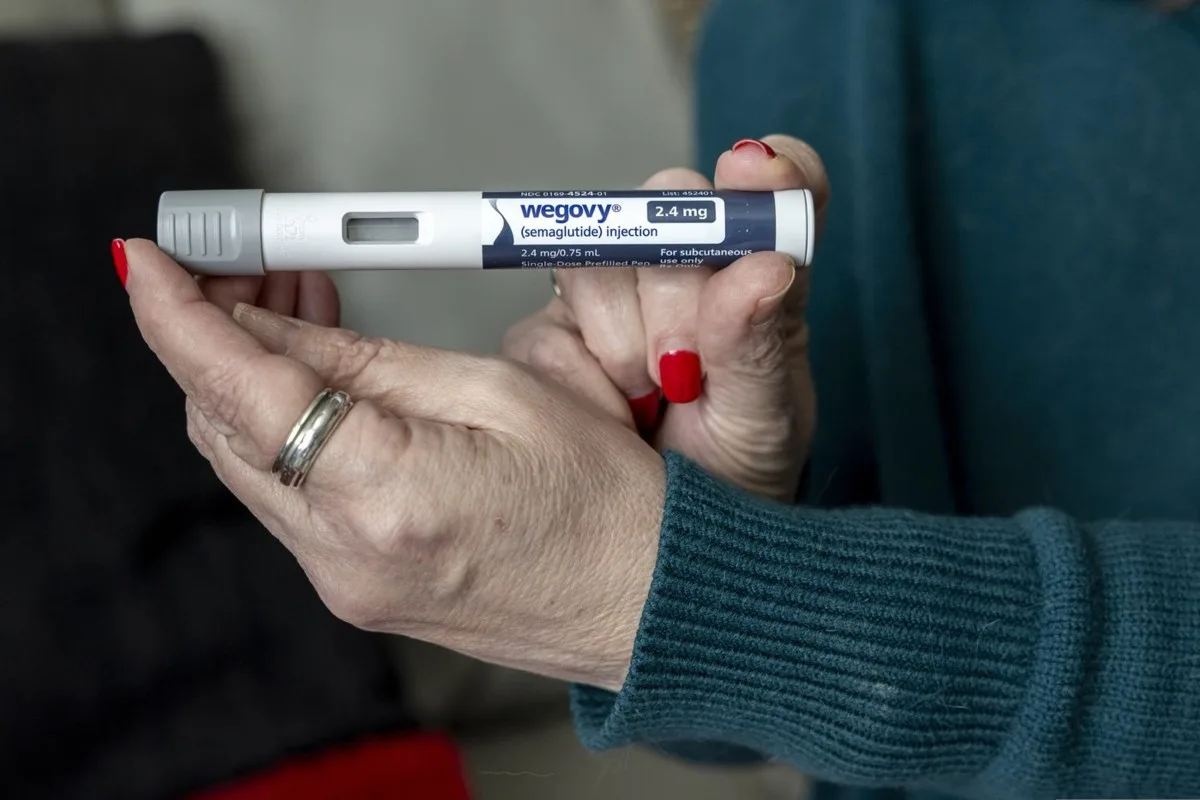
In a significant development for the Canadian healthcare landscape, Health Canada has officially approved the first generic semaglutide injection specifically indicated for weight loss. The product, manufactured by the Canadian pharmaceutical company Apotex, is named Svemia. This approval marks a pivotal moment for patients seeking chronic weight management solutions, offering a potential alternative to the brand-name drug Wegovy.
This approval comes as part of a broader trend toward increasing accessibility to GLP-1 receptor agonists. While brand-name medications have revolutionized weight management, the high cost and supply constraints have often limited access. The introduction of Svemia, a generic version of Novo Nordisk's Wegovy, signals a shift toward more affordable options, provided they meet the rigorous safety and efficacy standards set by Health Canada.
For individuals navigating the complexities of obesity treatment, this news raises important questions regarding availability, eligibility, and the long-term impact on the Canadian market. Below, we explore what this approval means for patients, the medical community, and the future of weight loss therapy in the region.
What is Svemia and How Does It Compare to Wegovy?
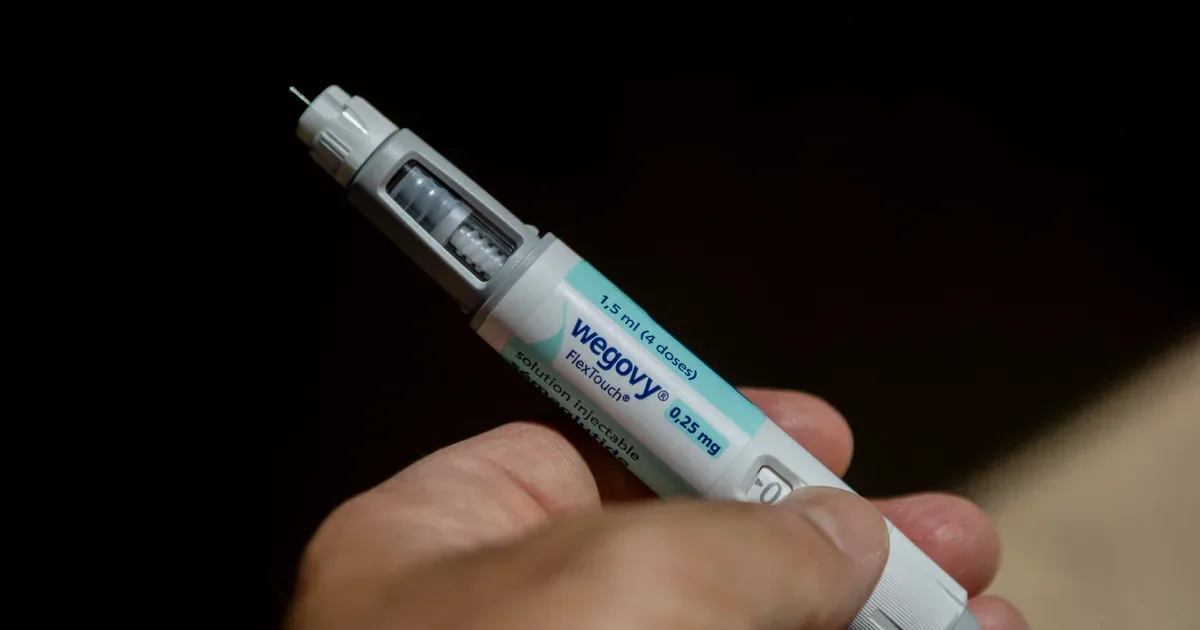
Svemia is classified as a generic version of Wegovy. Both medications contain the active ingredient semaglutide, a synthetic peptide that mimics the action of the glucagon-like peptide-1 (GLP-1) hormone. In the pharmaceutical industry, a generic product must demonstrate bioequivalence to the brand-name reference product. This means that Svemia is expected to have the same dosage, safety profile, strength, and quality as Wegovy.
The key distinction lies in the manufacturer and the cost structure. While Novo Nordisk produces the original Wegovy, Apotex produces Svemia. Historically, generic medications become available after the patent expiration of the original drug. This approval suggests that the Canadian regulatory body has validated Apotex's manufacturing process and the stability of the injection formulation.
It is important to note that while the active ingredient is the same, the inactive ingredients (such as the preservatives or buffer solutions) may differ slightly. However, these differences are strictly regulated to ensure they do not impact the efficacy or safety of the treatment. For patients, the primary benefit is the potential for reduced cost, which could make long-term weight management more sustainable.
The Science Behind Semaglutide: Mechanism and Benefits
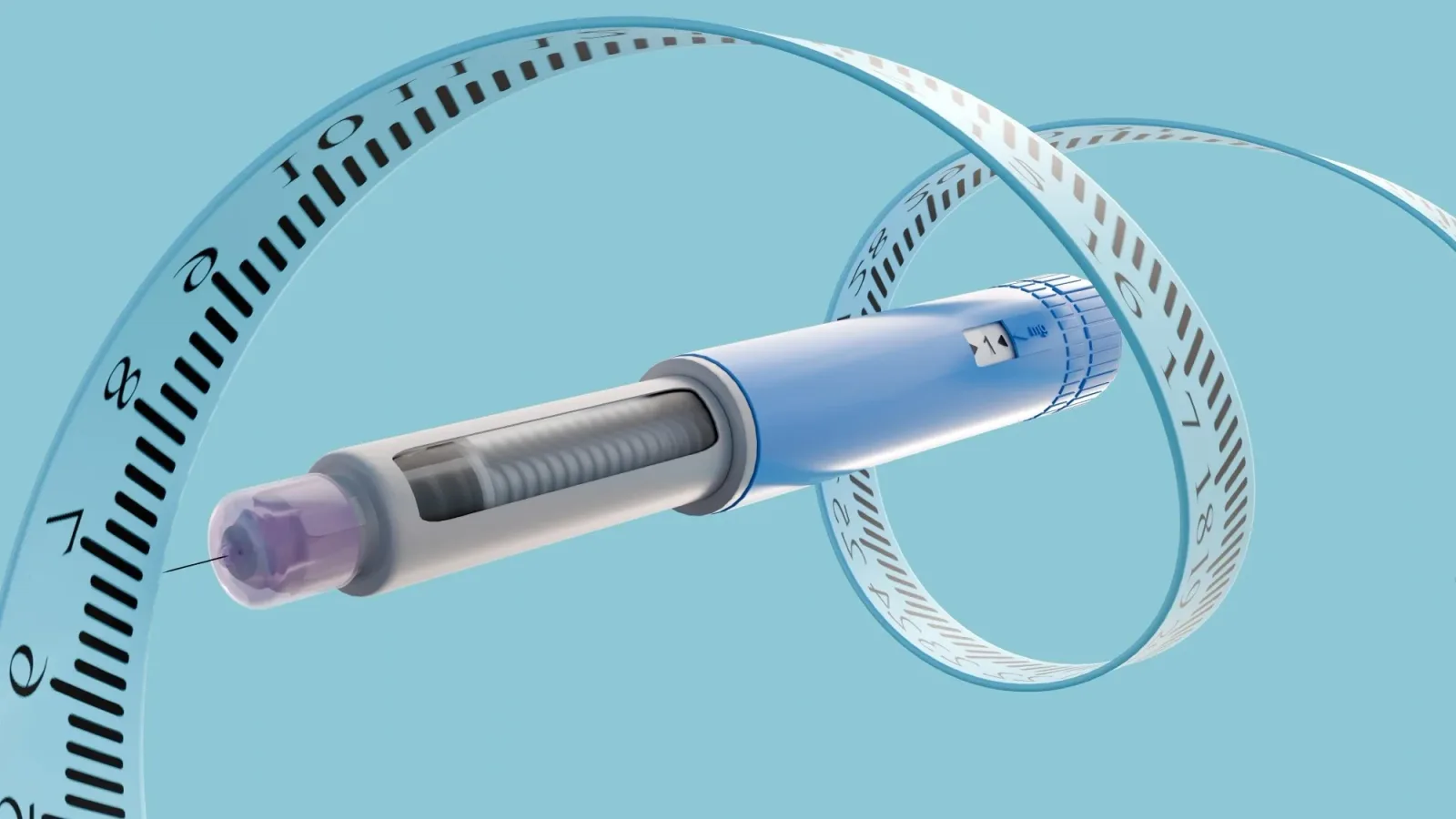
To understand the significance of Svemia, it is helpful to understand the mechanism of semaglutide itself. Semaglutide belongs to a class of drugs known as GLP-1 receptor agonists. These drugs work by binding to receptors in the brain that regulate appetite and food intake.
How It Works
- Appetite Suppression: It acts on the hypothalamus to increase feelings of fullness (satiety) and reduce hunger signals.
- Gastric Emptying: It slows down the rate at which food leaves the stomach, helping patients feel full for longer periods after eating.
- Blood Sugar Regulation: It stimulates insulin secretion in response to meals and suppresses glucagon, which helps stabilize blood glucose levels.
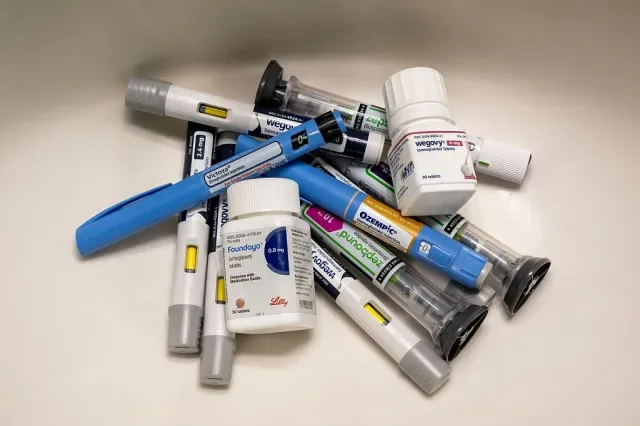
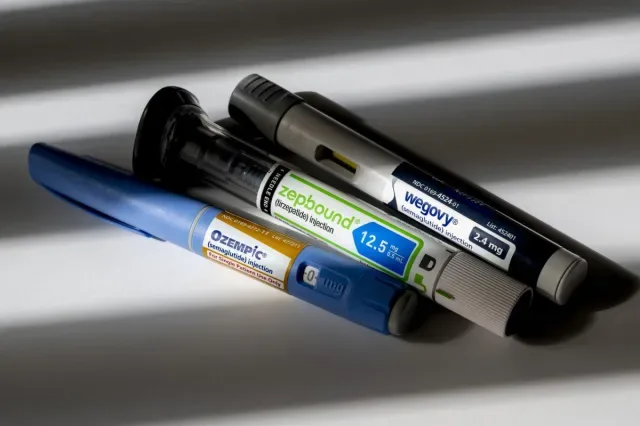
While semaglutide was initially approved for Type 2 diabetes under the brand name Ozempic, its efficacy in promoting weight loss led to the development of Wegovy at a higher dosage specifically for chronic weight management. Svemia now extends this same therapeutic approach to the weight loss indication.
The Expanding Landscape of Generic Semaglutide in Canada
The approval of Svemia is not an isolated event; it is part of a growing wave of generic semaglutide approvals in Canada. Health Canada notes that this is the third generic semaglutide product approved by the department, though the first two were authorized for the treatment of Type 2 diabetes in adults.
Earlier this year, generic versions of Novo Nordisk's Ozempic were approved. These included products from India-based Dr. Reddy's Laboratories and Apotex. The distinction between these approvals is crucial: the earlier generics were for diabetes management, whereas Svemia is specifically cleared for weight loss.
This distinction highlights the regulatory nuance involved. While the molecule is the same, the indication (the specific medical condition being treated) dictates the approval pathway. Svemia is approved for the once-weekly treatment of people 12 and over, as a supplement to a reduced-calorie diet and increased physical activity for chronic weight management.
Precision tracking for your journey
Join thousands using Shotlee to accurately track GLP-1 medications and side effects.
📱 Get the Shotlee App
Track your GLP-1 medications, peptides, and health metrics on the go with our mobile app!
Comparison of Semaglutide Products in Canada
| Product Name | Manufacturer | Primary Indication | Status |
|---|---|---|---|
| Wegovy | Novo Nordisk | Weight Management | Brand Name |
| Svemia | Apotex | Weight Management | Generic (New) |
| Ozempic | Novo Nordisk | Type 2 Diabetes | Brand Name |
| Generic Ozempic | Dr. Reddy's / Apotex | Type 2 Diabetes | Generic |
Eligibility, Usage, and Monitoring for Patients
With the approval of Svemia, patients must understand who qualifies for this treatment. Health Canada specifies that Svemia is for individuals aged 12 and over. This pediatric inclusion is significant, as obesity in adolescents is a growing public health concern requiring effective, long-term management strategies.
However, the medication is not a standalone solution. The approval is contingent upon the patient also engaging in a reduced-calorie diet and increased physical activity. This reinforces the medical consensus that lifestyle modification remains the foundation of chronic weight management, with medication serving as a supportive tool.
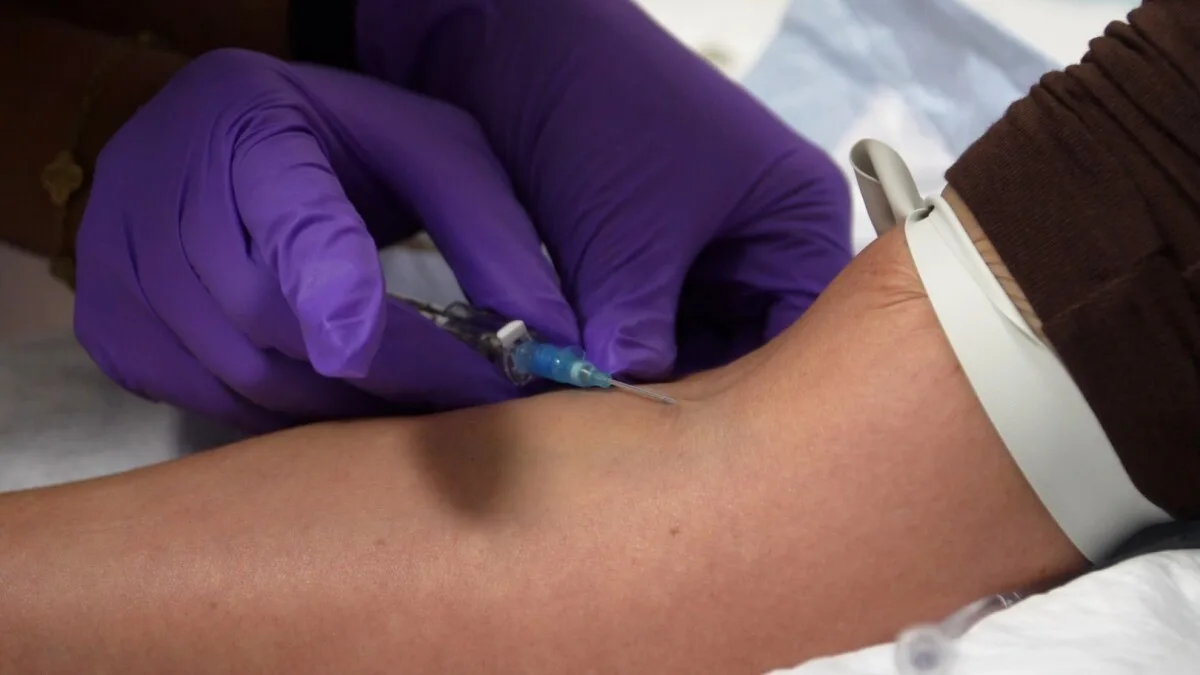
Patients should be aware of the administration method. Semaglutide is delivered via a once-weekly subcutaneous injection. Consistency is key to maintaining steady blood levels of the medication. Missing doses can lead to fluctuations in appetite control and potential weight regain.
Tracking Your Journey with Digital Tools
Successful treatment often requires diligent monitoring. Whether you are using Svemia, Wegovy, or another GLP-1 therapy, tracking your progress is essential for optimizing results and ensuring safety. This is where digital health platforms like Shotlee can play a valuable role.
Using a health tracking app allows you to log your weekly doses, monitor side effects, and record weight trends over time. By correlating your medication adherence with your weight data, you and your healthcare provider can make informed decisions about dosage adjustments or lifestyle changes. Shotlee provides a structured environment to visualize this data, helping you stay accountable to the diet and activity requirements mandated alongside the medication.
What Comes Next for Semaglutide Supply?
The approval of Svemia is just the beginning. Health Canada has indicated that it is currently reviewing six other submissions for generic semaglutide from different companies. The department expects to make more decisions in the coming weeks and months.
This pipeline suggests a future with increased competition and potentially greater supply stability. When multiple manufacturers produce the same medication, the risk of shortages decreases. For patients who have experienced supply interruptions with brand-name Wegovy, the influx of generics offers hope for consistent access.
However, patients should remain cautious. As demand surges, regulatory bodies will continue to monitor the quality and safety of these generic products closely. It is vital to obtain medications only through licensed pharmacies and with a valid prescription from a qualified healthcare provider.
Conclusion
The approval of Svemia by Health Canada represents a major step forward in the accessibility of semaglutide for weight loss in Canada. By offering a generic alternative to Wegovy, Apotex provides a potential pathway for more affordable chronic weight management. For patients aged 12 and over, this opens new doors for treatment, provided they commit to the necessary lifestyle changes.
As more generic submissions move through the approval pipeline, the landscape of obesity treatment in Canada is poised for significant change. Staying informed and utilizing tools to track your health journey will be key to maximizing the benefits of these advanced therapies.