
Choosing the Right Path: New Data on Weight Loss Medications
In the rapidly evolving landscape of obesity treatment, patients and providers often face a critical question: which medication offers the best balance of efficacy and safety? For years, GLP-1 agonists have dominated the conversation, revolutionizing how we approach metabolic health. However, with multiple options available under different brand names, distinguishing between them can be challenging.
A recent study from the University of Georgia has provided much-needed clarity. By conducting a meta-analysis of 14,000 non-diabetic patients, researchers compared the efficacy of the three most popular injectable medications: tirzepatide, semaglutide, and liraglutide. The findings offer a definitive ranking for weight loss potential, yet they also highlight important nuances regarding long-term management and administration.
This article breaks down the study results, explains the science behind the differences, and outlines what this means for patients navigating their health journey.
The Study Breakdown: Methodology and Scope
To understand the weight of these findings, it is essential to look at the scope of the research. The University of Georgia team did not simply review anecdotal evidence or small-scale trials. Instead, they aggregated data from a massive cohort of 14,000 non-diabetic patients. This sample size is significant because it provides a statistical power that smaller studies often lack.
The researchers focused on three specific classes of medication that act on the incretin system:
- Tirzepatide: Marketed as Zepbound for weight loss and Mounjaro for type 2 diabetes.
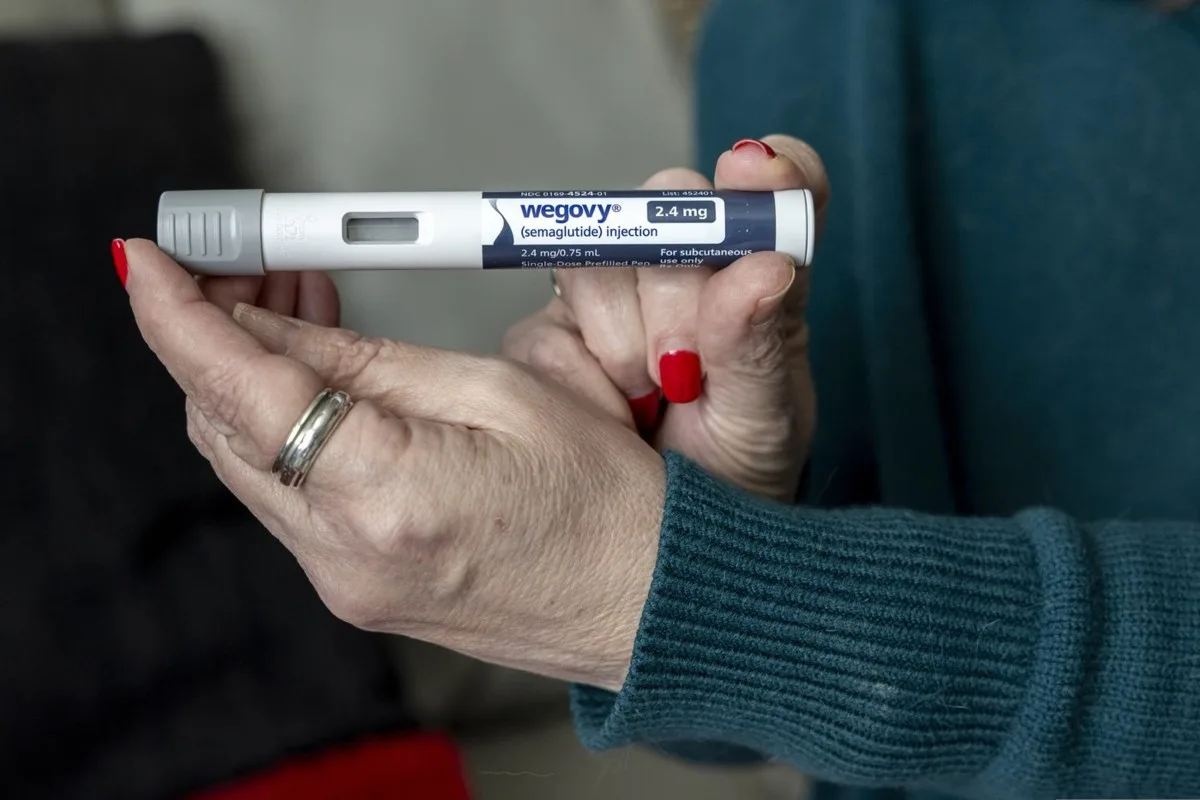
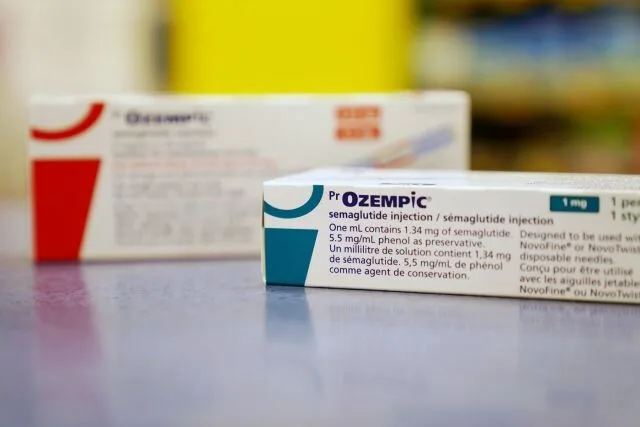
- Semaglutide: Sold as Wegovy for weight management and Ozempic for diabetes.
- Liraglutide: Known as Saxenda for weight loss and Victoza for diabetes.
By comparing these drugs directly, the study aimed to determine which option yields the highest percentage of body weight reduction while maintaining a comparable safety profile regarding gastrointestinal side effects.
Head-to-Head Results: The Weight Loss Hierarchy
The results of the meta-analysis were clear and consistent across the data points. When patients adhered to the highest doses of their respective medications, a distinct hierarchy of effectiveness emerged. Tirzepatide (Zepbound) took the lead, followed by semaglutide (Wegovy), with liraglutide (Saxenda) showing the lowest average weight loss among the three.
Here is a summary of the comparative data:
| Medication (Generic) | Brand Name (Weight Loss) | Approximate Weight Loss | Primary Mechanism |
|---|---|---|---|
| Tirzepatide | Zepbound | Over 20% of starting weight | Dual Agonist (GLP-1 + GIP) |
| Semaglutide | Wegovy | Approximately 15% of starting weight | GLP-1 Receptor Agonist |
| Liraglutide | Saxenda | Approximately 8% of starting weight | GLP-1 Receptor Agonist |
Clinical Significance of the Percentages
In the context of clinical obesity treatment, these percentages represent substantial health improvements. Losing more than 20% of body weight is often associated with remission of comorbidities such as hypertension, sleep apnea, and type 2 diabetes. While a 15% loss is also clinically significant, the additional 5% to 12% difference between the dual agonist and the single agonists suggests a more potent metabolic impact for tirzepatide.
Understanding the Mechanism: Why Tirzepatide Performs Differently
To understand why the numbers differ, one must look at the biological mechanisms at play. All three medications in this study work by mimicking hormones that regulate blood sugar and appetite. They slow digestion and signal the brain to feel fuller for longer periods.
However, semaglutide and liraglutide function as single agonists. They target only the GLP-1 (glucagon-like peptide-1) receptors. In contrast, tirzepatide is a dual agonist. It targets both GLP-1 receptors and the receptors for the hormone GIP (glucose-dependent insulinotropic polypeptide).
Dr. Pooja Gokhale, a lead author of the review and Ph.D. student at the UGA College of Pharmacy, noted the importance of this dual action. "We were interested in finding which drug gives the most weight loss and doesn't have higher rates of side effects like nausea and gastrointestinal problems," she stated. The study suggests that the addition of GIP receptor activation enhances the weight loss effect without proportionally increasing adverse events.
Safety Profile and Side Effect Management
Efficacy is only one side of the equation; safety is equally critical. A common concern among patients considering these medications is the risk of gastrointestinal distress, including nausea, vomiting, and diarrhea. The meta-analysis addressed this directly, comparing the side effect rates across the three groups.
Precision tracking for your journey
Join thousands using Shotlee to accurately track GLP-1 medications and side effects.
📱 Get the Shotlee App
Track your GLP-1 medications, peptides, and health metrics on the go with our mobile app!
The data indicates that while nausea is a common experience with all three drugs, the rate of discontinuation due to side effects did not outweigh the benefits seen with tirzepatide. However, individual tolerance varies significantly. Factors such as dose escalation speed, diet composition, and individual metabolism play a role in how a patient tolerates the drug.
For patients managing these medications, monitoring symptoms is vital. Tools like Shotlee can be incredibly useful for tracking not just weight, but also nausea levels, energy fluctuations, and specific side effects. By logging this data, patients can provide their prescribing physicians with concrete evidence to help optimize dosing schedules and minimize discomfort.
Long-Term Considerations: The Rebound Effect and Formulations
While the study provides robust data on efficacy during treatment, it is important to acknowledge what the research did not cover. The meta-analysis did not track what happens after patients stop taking the medication. Clinical consensus and existing literature suggest that weight regain is common once the drug is discontinued, as the hormonal signals that suppressed appetite return to baseline.
Additionally, the study focused primarily on injectable formulations. It did not deeply distinguish between the injectable versions and the newer oral pill forms of these medications. Current clinical trials indicate that oral formulations may not be as bioavailable or effective as their injectable counterparts, potentially leading to lower weight loss percentages.
Patients should view these medications as part of a long-term management strategy rather than a short-term fix. Sustainable lifestyle changes, including nutrition and physical activity, remain the foundation of any successful weight management plan.
Practical Takeaways for Patients
Based on the University of Georgia study and current medical understanding, here are key points to consider when discussing weight loss options with your healthcare provider:
- Efficacy Priorities: If maximum weight loss is the primary goal, tirzepatide (Zepbound) currently shows the strongest data.
- Safety Monitoring: Track your symptoms closely. High efficacy should not come at the cost of unmanageable side effects.
- Formulation Awareness: Understand that oral versions may offer different results compared to injections.
- Long-Term Planning: Be prepared for the possibility of maintenance therapy to prevent weight regain after stopping treatment.
- Data Tracking: Use health tracking tools to maintain a clear record of your progress and symptoms for your medical team.
Conclusion
The University of Georgia meta-analysis provides a clear answer to the question of which GLP-1 medication is most effective for weight loss. Tirzepatide (Zepbound) outperformed semaglutide (Wegovy) and liraglutide (Saxenda) in terms of percentage of body weight lost, likely due to its unique dual-agonist mechanism.
However, the "best" medication is ultimately the one that balances efficacy with the patient's ability to adhere to the treatment and manage side effects. For many, the dual-action approach of Zepbound offers the most significant metabolic benefit, but it requires careful management and monitoring. As the field of obesity medicine continues to evolve, staying informed through reputable studies and maintaining open communication with your healthcare provider remains the best path to success.
Frequently Asked Questions
1. Does the University of Georgia study apply to diabetic patients?
No, the meta-analysis specifically focused on 14,000 non-diabetic patients. While these medications are used for diabetes management, the weight loss efficacy in non-diabetic populations may differ from those with metabolic conditions.
2. Will I regain weight if I stop taking Zepbound or Wegovy?
The study did not track post-discontinuation data, but clinical evidence suggests that weight regain is common once the medication is stopped because the hormonal appetite suppression ceases. Long-term maintenance strategies are often recommended.
3. Are the oral pill versions of these drugs as effective as injections?
Current clinical trials indicate that oral formulations are generally less effective than injectable counterparts. The injectable forms ensure higher bioavailability and more consistent absorption of the medication.
4. Does tirzepatide cause more nausea than semaglutide?
The study found that tirzepatide provided better weight loss without significantly higher rates of side effects like nausea compared to semaglutide. However, individual reactions to medication vary widely.
5. How can I track my progress while on GLP-1 medications?
Tracking weight, dietary intake, and side effects is crucial. Using a health tracking platform like Shotlee allows you to log symptoms and doses over time, helping you and your doctor identify patterns and optimize your treatment plan.