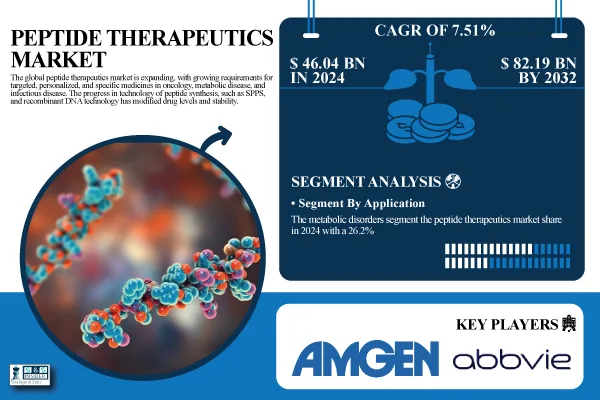

If the term "peptides" is new to you, prepare to encounter it more frequently. These remarkable molecules have surged in popularity within the health and wellness industry, largely propelled by the widespread recognition of medications like Ozempic.
Ozempic, known chemically as semaglutide, is a prime example of a peptide-based drug. Initially developed and marketed in 2017 to manage high blood sugar levels in individuals with diabetes, its therapeutic scope expanded significantly in 2021 when it received approval for the treatment of obesity and weight loss. Since then, its utilization has seen exponential growth, transforming how we approach metabolic health.
The impact is evident in population health statistics. In Canada, for instance, approximately one in ten adults have used Ozempic or a similar peptide-based medication for either diabetes management or weight loss. Similarly, in the United States, about one in eight individuals have reported trying these types of drugs at some point.
Beyond their well-known applications, the world of peptides is vast and diverse. Many other peptides are being explored and utilized for their ability to mimic specific biological functions within the human body. These functions range from aiding in tissue repair and regeneration to combating the oxidative damage associated with aging and bolstering the immune system. This broad potential has fostered a dedicated following for peptides within fitness communities, weightlifting circles, and natural health enthusiasts.
Understanding Peptides: The Building Blocks of Life
At their core, peptides are relatively short chains of amino acids linked together. Amino acids themselves are fundamental organic compounds, characterized by an amino group containing nitrogen at one end and a carboxylic acid group at the other. These ubiquitous molecules are found throughout the plant and animal kingdoms and serve as the essential building blocks for proteins.
The human body requires 20 different amino acids to function optimally and synthesize proteins. Of these, nine are classified as "essential amino acids." These are crucial for daily bodily functions, but the human body cannot produce them internally; they must be obtained through diet. The remaining eleven amino acids are considered "non-essential" because the body has the capacity to synthesize them when needed.
When amino acids link together in long chains, they form proteins. Proteins are the workhorses of the body, responsible for constructing muscles, connective tissues, hair, teeth, nails, and organs. They also function as enzymes that catalyze biochemical reactions, hormones that regulate bodily processes, immune antibodies that defend against pathogens, and transport and storage molecules. Even energy production relies on protein structures.
Naturally occurring peptides are integral to human physiology. Familiar examples include insulin, growth hormone, oxytocin, endorphins, and enkephalins. However, countless other, less widely known, and perhaps yet undiscovered peptides also play vital roles within the human body.
Bio-Identical vs. Synthetic Peptides
The landscape of peptide therapeutics includes both bio-identical peptides, which are structurally identical or very similar to those naturally produced by the human body, and synthetically produced peptides. Synthetic peptides may undergo slight chemical modifications to enhance their stability, bioavailability, or specific therapeutic effects. This distinction is important when considering their origin, production, and regulatory status.
The Rise of Peptide Therapy: Beyond Diabetes and Weight Loss
The success of semaglutide (Ozempic, Wegovy) and tirzepatide (Mounjaro, Zepbound) has dramatically spotlighted the potential of peptide-based treatments. These medications, belonging to the GLP-1 receptor agonist class, have revolutionized the management of type 2 diabetes and obesity, offering significant benefits for millions worldwide. Their mechanism involves mimicking the action of the naturally occurring hormone GLP-1, which helps regulate appetite, slow gastric emptying, and improve insulin sensitivity.
Precision tracking for your journey
Join thousands using Shotlee to accurately track GLP-1 medications and side effects.
📱 Get the Shotlee App
Track your GLP-1 medications, peptides, and health metrics on the go with our mobile app!
However, the therapeutic applications of peptides extend far beyond metabolic health. Advances in genetics and molecular biology have enabled scientists to sequence and synthesize many naturally occurring, less common peptides. These synthesized versions can then be studied for their potential therapeutic benefits.
Some of the peptides gaining attention for their diverse applications include:
- BPC-157 (Body Protection Compound): Naturally found in the stomach, BPC-157 is known for its potent healing and protective properties. Research suggests it can accelerate tissue repair, reduce inflammation, promote the formation of new blood vessels, and protect the gastric lining from damage caused by irritants like alcohol or NSAIDs. Preliminary studies in animal models have indicated its efficacy in promoting healing and reducing inflammation in various tissues.
- TB-500: A synthetic peptide fragment of Thymosin Beta-4, TB-500 is explored for its role in tissue repair. It is believed to enhance cell migration, reduce inflammation, and support the formation of new blood vessels, potentially aiding recovery in muscles, tendons, and ligaments.
- GHK-Cu (Copper Peptide): This small peptide complexed with copper is recognized for its regenerative properties. It is studied for its ability to stimulate collagen production, promote skin regeneration, and support tissue repair, with some indications for hair regrowth.
- Thymosin Alpha-1: Produced in the thymus gland, Thymosin Alpha-1 plays a role in immune system modulation. Research indicates it can enhance immune responses, reduce inflammation, and stimulate key immune cells like T-cells and natural killer cells, potentially aiding the body in fighting infections and regulating immune function.
- CJC-1295: Often discussed in the context of growth hormone release, CJC-1295 is a synthetic peptide that can stimulate the pituitary gland to release more growth hormone.
- Ipamorelin: Another growth hormone-releasing peptide (GHRP), Ipamorelin is known for its ability to stimulate the release of growth hormone with a potentially favorable side effect profile.
- Reta (AOD9604): This peptide is a fragment of human growth hormone and is being investigated for its potential to promote fat loss.
Navigating the Research Landscape: Efficacy and Safety
While the potential of these peptides is exciting, it's crucial to acknowledge the current state of scientific research. For many of these compounds, particularly the newer ones, robust, large-scale human clinical trials are still lacking. Much of the available data comes from in vitro (test tube) studies and animal models. While these preliminary findings are promising, they do not always translate directly to human efficacy and safety.
The scientific community emphasizes the need for more high-quality studies to fully determine the effectiveness and safety profiles of these peptides for human consumption. Regulatory bodies like the FDA in the United States and Health Canada have approved only a limited number of peptides for specific medical uses. Compounding pharmacies, licensed to prepare and dispense certain medications, may offer a select few peptides under strict medical supervision.
It is important to be aware that many peptides are available through online sources, often marketed for "research purposes only" and not approved for human consumption. These products may be manufactured in countries with less stringent regulatory oversight, raising concerns about purity, quality, and safety. The administration of many peptide therapies, particularly injectables, requires sterile technique and proper reconstitution to ensure safety and efficacy.
The Future of Peptide Therapeutics
Peptide therapy represents an evolving frontier in medicine and wellness. The ability to harness the body's own signaling molecules, or to create synthetic analogs with targeted effects, opens up unprecedented possibilities for treating a wide range of conditions and enhancing human health. From managing chronic diseases to promoting recovery and regeneration, peptides hold immense promise.
As research progresses and more clinical data becomes available, we can expect to see a clearer understanding of which peptides are safe and effective for specific therapeutic applications. For individuals considering peptide therapies, consulting with a qualified healthcare professional is paramount. They can provide personalized guidance, assess individual needs, and ensure that any treatment is administered safely and responsibly.
For those embarking on a peptide therapy journey, whether for weight management, metabolic health, or other wellness goals, diligent tracking of progress, doses, and any experienced symptoms is essential. Tools like Shotlee can be invaluable in this regard, helping users maintain a detailed record of their treatment, empowering them to have more informed discussions with their healthcare providers and to optimize their therapeutic outcomes.
Practical Takeaways
- Peptides are short chains of amino acids with diverse biological functions.
- GLP-1 agonists like semaglutide and tirzepatide have revolutionized diabetes and weight loss treatment.
- Other peptides are being explored for tissue repair, immune support, skin regeneration, and more.
- Robust human clinical trials are still needed for many emerging peptides.
- Always consult a healthcare professional before starting any peptide therapy.
- Be cautious of peptides sold online for "research purposes only."
Conclusion
The world of peptides is rapidly expanding, moving beyond its initial breakthroughs in diabetes and weight management to explore a broad spectrum of health and therapeutic possibilities. While the scientific validation for many newer peptides is still in its nascent stages, the underlying science is compelling. As research continues to mature, peptide therapy is poised to become an increasingly significant pillar of modern medicine, offering innovative solutions for a healthier future. Responsible exploration, guided by scientific evidence and professional medical advice, will be key to unlocking the full potential of these remarkable molecules.