
Shotlee LogoShotlee
Blog
Download on theApp Store
Get it onGoogle Play
Skip to main content
Beyond Ozempic: Why Zepbound Might Be the Heavyweight Champion for Weight Loss - Featured image
Health & Wellness

Beyond Ozempic: Why Zepbound Might Be the Heavyweight Champion for Weight Loss

Dr. Adrian Vale, MD
Reviewed by Dr. Adrian Vale, MDInternal Medicine · Board-Certified Obesity Medicine
·June 20, 2026·8 min read

On this page

  • The Quest for Effective Weight Management: A New Benchmark
  • Comparing the Giants: Tirzepatide, Semaglutide, and Liraglutide
  • The Data: What the 14,000-Patient Study Reveals
  • Understanding the Mechanism: Why Tirzepatide Stands Out
  • Safety Profile and Side Effects
  • The Long Game: Maintenance and Data Tracking
  • Practical Takeaways for Patients
  • Conclusion
  • Frequently Asked Questions
  • 1. Tirzepatide (Zepbound / Mounjaro)
  • 2. Semaglutide (Wegovy / Ozempic)
  • 3. Liraglutide (Saxenda / Victoza)
  • Single vs. Dual Agonism
  • Oral vs. Injectable Forms
  • 1. What is the most effective GLP-1 for weight loss according to recent studies?
  • 2. How does Zepbound differ from Wegovy in terms of mechanism?
  • 3. Do GLP-1 medications cause significant side effects?
  • 4. What happens if you stop taking GLP-1s?
  • 5. Are oral GLP-1 versions as effective as injections?

Track Smart

Calculate active GLP-1 levels automatically with Shotlee.

Download →

A comprehensive review of the latest clinical data comparing Tirzepatide, Semaglutide, and Liraglutide to determine the most effective option for significant weight reduction.

Share

On this page

  • The Quest for Effective Weight Management: A New Benchmark
  • Comparing the Giants: Tirzepatide, Semaglutide, and Liraglutide
  • The Data: What the 14,000-Patient Study Reveals
  • Understanding the Mechanism: Why Tirzepatide Stands Out
  • Safety Profile and Side Effects
  • The Long Game: Maintenance and Data Tracking
  • Practical Takeaways for Patients
  • Conclusion
  • Frequently Asked Questions
  • 1. Tirzepatide (Zepbound / Mounjaro)
  • 2. Semaglutide (Wegovy / Ozempic)
  • 3. Liraglutide (Saxenda / Victoza)
  • Single vs. Dual Agonism
  • Oral vs. Injectable Forms
  • 1. What is the most effective GLP-1 for weight loss according to recent studies?
  • 2. How does Zepbound differ from Wegovy in terms of mechanism?
  • 3. Do GLP-1 medications cause significant side effects?
  • 4. What happens if you stop taking GLP-1s?
  • 5. Are oral GLP-1 versions as effective as injections?

The Quest for Effective Weight Management: A New Benchmark

The landscape of obesity treatment has shifted dramatically in recent years with the introduction of GLP-1 receptor agonists. For millions of individuals struggling with weight management, these medications have offered a beacon of hope where traditional diet and exercise alone often fell short. However, as the market becomes saturated with options, a critical question arises: which medication truly delivers the best results?

A groundbreaking new meta-analysis conducted by researchers at the University of Georgia has finally put the leading contenders head-to-head. By analyzing data from over 14,000 non-diabetic patients, this study provides a clearer picture of efficacy across the three major classes of GLP-1 medications. The findings suggest that while all options offer benefits, one stands out significantly in terms of weight loss potential.

Comparing the Giants: Tirzepatide, Semaglutide, and Liraglutide

To understand the results of this meta-analysis, it is essential to first understand the medications being compared. These drugs are not identical; they belong to the same family of hormones but target the body differently. Here is a breakdown of the three primary contenders:

1. Tirzepatide (Zepbound / Mounjaro)

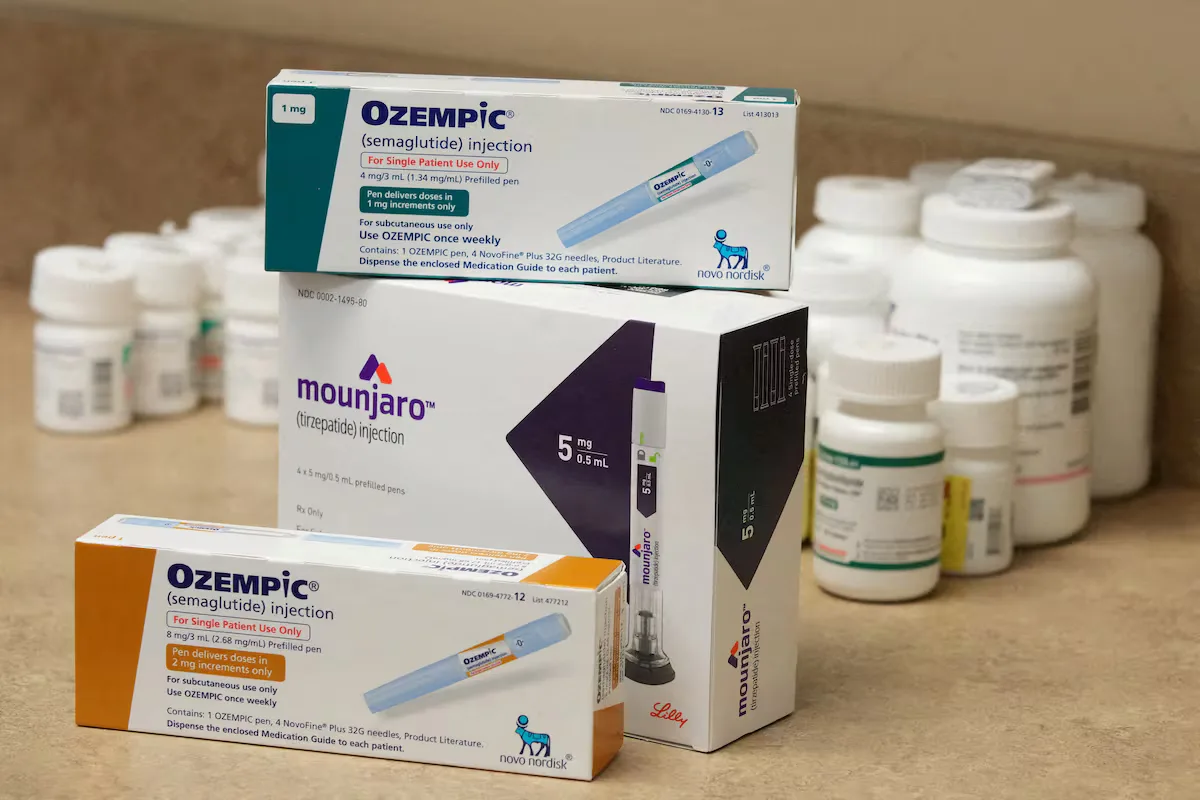
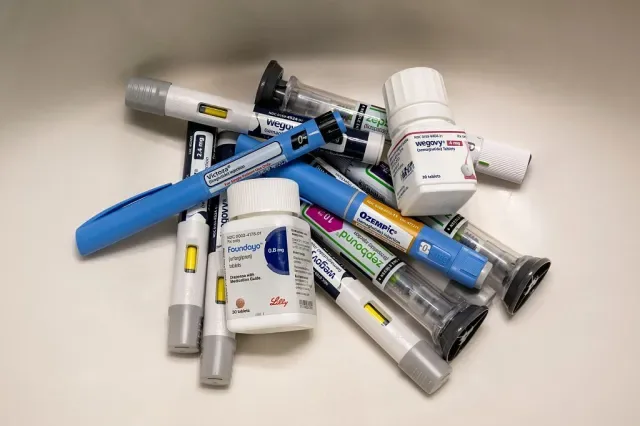
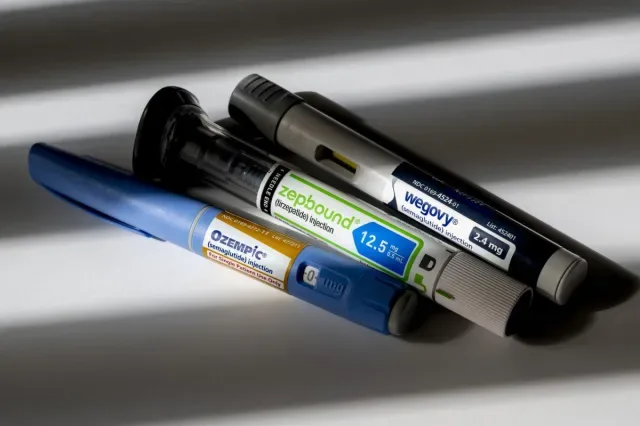
Manufactured by Eli Lilly, tirzepatide is marketed under two brand names depending on the indication. Zepbound is approved specifically for weight management, while Mounjaro is approved for the treatment of type 2 diabetes. Despite the different labels, the active ingredient is the same. Tirzepatide has recently captured significant attention for its potent weight loss capabilities.

2. Semaglutide (Wegovy / Ozempic)

Developed by Novo Nordisk, semaglutide is perhaps the most widely recognized name in the current weight loss conversation. Wegovy is the high-dose formulation approved for chronic weight management, whereas Ozempic is primarily prescribed for blood sugar control in diabetes. It has been a market leader for several years.

3. Liraglutide (Saxenda / Victoza)

The oldest of the three, liraglutide was the first GLP-1 medication to gain approval for weight loss under the brand Saxenda. Its diabetes counterpart is known as Victoza. While it paved the way for the class, newer data suggests it may be less effective for significant weight reduction compared to its successors.

The Data: What the 14,000-Patient Study Reveals

The University of Georgia study serves as one of the most comprehensive comparisons to date. By aggregating data from multiple clinical trials involving 14,000 non-diabetic patients, the researchers were able to isolate the efficacy of each drug with a high degree of statistical confidence. The results were stark.

The study highlighted that tirzepatide outperformed the other two medications in terms of percentage of body weight lost. Specifically, patients taking Zepbound lost more than 20% of their starting body weight. In comparison, those on semaglutide (Wegovy) achieved closer to 15% weight loss, while liraglutide (Saxenda) resulted in approximately 8% weight loss.

These percentages are not merely marketing numbers; they represent clinically significant milestones. Losing 10% of body weight is often associated with improvements in metabolic health, and exceeding 20% can lead to substantial remission of obesity-related comorbidities like hypertension and sleep apnea.

Comparative Weight Loss Efficacy in Non-Diabetic Patients
Medication (Generic) Brand Names Weight Loss Range Mechanism
Tirzepatide Zepbound / Mounjaro > 20% Dual Agonist (GLP-1 + GIP)
Semaglutide Wegovy / Ozempic ~ 15% Single Agonist (GLP-1)
Liraglutide Saxenda / Victoza ~ 8% Single Agonist (GLP-1)

Understanding the Mechanism: Why Tirzepatide Stands Out

Why does tirzepatide show superior results? The answer lies in its mechanism of action. All three medications work by mimicking the hormone GLP-1 (Glucagon-Like Peptide-1). This hormone naturally regulates blood sugar, slows digestion, and signals the brain that you are full, reducing appetite.

Single vs. Dual Agonism

Wegovy and Saxenda are considered single agonists. They target only the GLP-1 receptors in the body. Tirzepatide, however, is classified as a dual agonist. It targets both the GLP-1 receptors and the receptors for the hormone GIP (Glucose-Dependent Insulinotropic Polypeptide).

By engaging two pathways simultaneously, tirzepatide may enhance the metabolic effects. GIP plays a role in insulin secretion and fat metabolism. The combination of these two signals appears to create a more potent appetite suppression and metabolic shift than targeting GLP-1 alone. This biological advantage explains the higher percentage of weight loss observed in the study.

Safety Profile and Side Effects

When considering weight loss medication, efficacy is only one side of the equation. Safety and tolerability are paramount. One of the primary concerns with GLP-1 medications is gastrointestinal distress, including nausea, vomiting, and diarrhea.

The authors of the meta-analysis, including Ph.D. student Pooja Gokhale from the UGA College of Pharmacy, specifically investigated whether the higher efficacy of tirzepatide came at the cost of higher side effects. The study found that tirzepatide did not have significantly higher rates of nausea and gastrointestinal problems compared to the other options.
Precision tracking for your journey

Join thousands using Shotlee to accurately track GLP-1 medications and side effects.

📱 Get the Shotlee App

Track your GLP-1 medications, peptides, and health metrics on the go with our mobile app!

Download on theApp Store
Get it onGoogle Play

This is a crucial finding for patients. Often, a more potent medication might be less tolerable, causing users to discontinue early. The fact that Zepbound offers superior weight loss without a marked increase in adverse events makes it a compelling option for those seeking maximum results.

The Long Game: Maintenance and Data Tracking

While the study highlights impressive initial results, it also noted a significant limitation: it did not track what happens when patients stop taking the medication. Clinical experience and other data suggest that weight regain is a common occurrence once therapy is ceased. Obesity is a chronic condition, and for many, these medications are a long-term management tool rather than a temporary fix.

For this reason, consistency is key. Whether a patient is on Zepbound, Wegovy, or another therapy, maintaining a structured approach to health is vital. This is where comprehensive health tracking becomes essential.

Using a dedicated health platform like Shotlee can help patients stay on track. Since these medications require precise dosing schedules and monitoring of physiological responses, tracking tools allow users to log their doses, record side effects, and visualize their weight trends over time. By correlating medication adherence with weight data, patients and their providers can make informed decisions about dosage adjustments or lifestyle interventions.

Oral vs. Injectable Forms

Another area where the study noted a gap in data is the comparison between injectable and oral formulations. While the injectable versions of these medications have established clinical efficacy, newer oral pill forms are entering the market. Current clinical evidence suggests that oral versions are not quite as effective as their injectable counterparts, possibly due to absorption differences. Patients should discuss the best delivery method with their prescribing physician.

Practical Takeaways for Patients

Based on the University of Georgia meta-analysis and current medical understanding, here are the key takeaways for anyone navigating GLP-1 therapy:

  • Efficacy Hierarchy: Tirzepatide (Zepbound) appears to offer the highest percentage of weight loss, followed by Semaglutide (Wegovy), with Liraglutide (Saxenda) showing the lowest efficacy in this specific comparison.
  • Safety Balance: Higher efficacy does not necessarily mean higher side effects. Tirzepatide offers a strong safety profile relative to its weight loss results.
  • Dual Action: The dual agonist mechanism is a significant factor in why newer medications outperform older single-agonist drugs.
  • Long-Term View: Weight management is a marathon. Be prepared for potential maintenance strategies to prevent regain after stopping medication.
  • Medical Supervision: Always consult with a healthcare provider to determine which medication aligns with your specific health history and goals.

Conclusion

The evolution of weight loss medication is moving rapidly toward more potent, dual-acting therapies. The new meta-analysis from the University of Georgia provides strong evidence that tirzepatide may currently hold the edge in the fight against obesity. However, the "best" medication ultimately depends on individual patient response, availability, and medical guidance.

As the field continues to advance, tools that help patients track their progress and manage their data will become increasingly important. By combining the right medication with diligent health tracking, individuals can maximize their chances of achieving lasting metabolic health and a sustainable lifestyle.

Frequently Asked Questions

1. What is the most effective GLP-1 for weight loss according to recent studies?

According to a meta-analysis of 14,000 patients from the University of Georgia, tirzepatide (Zepbound) is the most effective, with patients losing more than 20% of their starting weight. This outperforms semaglutide (Wegovy) at approximately 15% and liraglutide (Saxenda) at around 8%.

2. How does Zepbound differ from Wegovy in terms of mechanism?

Zepbound contains tirzepatide, which is a dual agonist targeting both GLP-1 and GIP receptors. Wegovy contains semaglutide, which is a single agonist targeting only GLP-1 receptors. This dual-action mechanism is believed to drive the higher weight loss efficacy seen with Zepbound.

3. Do GLP-1 medications cause significant side effects?

Gastrointestinal issues like nausea are common side effects across all GLP-1 medications. However, the recent study indicates that tirzepatide does not have significantly higher rates of these side effects compared to semaglutide or liraglutide, despite its higher efficacy.

4. What happens if you stop taking GLP-1s?

The study did not track post-cessation outcomes, but general clinical data indicates that weight regain is common once patients stop taking the medication. This suggests that these drugs are often intended for long-term management of obesity rather than a short-term solution.

5. Are oral GLP-1 versions as effective as injections?

Current clinical trials suggest that oral pill forms of these medications are not quite as effective as their injectable counterparts, likely due to differences in bioavailability and absorption rates.

?Frequently Asked Questions

What is the most effective GLP-1 for weight loss according to recent studies?

According to a meta-analysis of 14,000 patients from the University of Georgia, tirzepatide (Zepbound) is the most effective, with patients losing more than 20% of their starting weight. This outperforms semaglutide (Wegovy) at approximately 15% and liraglutide (Saxenda) at around 8%.

How does Zepbound differ from Wegovy in terms of mechanism?

Zepbound contains tirzepatide, which is a dual agonist targeting both GLP-1 and GIP receptors. Wegovy contains semaglutide, which is a single agonist targeting only GLP-1 receptors. This dual-action mechanism is believed to drive the higher weight loss efficacy seen with Zepbound.

Do GLP-1 medications cause significant side effects?

Gastrointestinal issues like nausea are common side effects across all GLP-1 medications. However, the recent study indicates that tirzepatide does not have significantly higher rates of these side effects compared to semaglutide or liraglutide, despite its higher efficacy.

What happens if you stop taking GLP-1s?

The study did not track post-cessation outcomes, but general clinical data indicates that weight regain is common once patients stop taking the medication. This suggests that these drugs are often intended for long-term management of obesity rather than a short-term solution.

Are oral GLP-1 versions as effective as injections?

Current clinical trials suggest that oral pill forms of these medications are not quite as effective as their injectable counterparts, likely due to differences in bioavailability and absorption rates.

Source Information

Originally published by WWTI - InformNNY.com.Read the original article →

Read next

Keep exploring

More on Ozempic

Articles covering Ozempic dosing, side effects, and clinical updates.

Semaglutide Linked to Stronger Bones in Type 2 Diabetes Patients
Health & Wellness

Semaglutide Linked to Stronger Bones in Type 2 Diabetes Patients

A landmark study suggests semaglutide may protect bone strength while aiding weight loss, offering new hope for diabetes management and bone health.

8 min read
Ozempic Alternative Found: Stanford’s BRP Peptide Breakthrough
Medical News

Ozempic Alternative Found: Stanford’s BRP Peptide Breakthrough

A new study reveals BRP, a natural peptide, may offer the benefits of Ozempic without common side effects.

7 min read
Beyond Weight Loss: How GLP-1s Like Ozempic May Impact Impulse and Behavior
Health & Wellness

Beyond Weight Loss: How GLP-1s Like Ozempic May Impact Impulse and Behavior

While known for diabetes and weight management, GLP-1 receptor agonists like Ozempic and Wegovy might have a surprising effect on impulse control and behavior, according to emerging research.

6 min read

Same topic: Weight Management

All Weight Management articles →
Ozempic and Male Fertility: Can Semaglutide Boost Sperm Quality?
Health & Wellness

Ozempic and Male Fertility: Can Semaglutide Boost Sperm Quality?

Emerging research indicates that GLP-1 medications, including Ozempic and Mounjaro, may offer unexpected benefits for male reproductive health by addressing underlying metabolic issues.

7 min read
Beyond the Hype: Navigating the Rise of Online Peptides
Health & Wellness

Beyond the Hype: Navigating the Rise of Online Peptides

A surge in injectable peptides marketed online for enhancement purposes is outpacing regulatory oversight, creating a 'grey zone' with potential public health implications. This article delves into the complexities, risks, and what consumers should understand.

6 min read
Beyond the Scale: GLP-1 Users & the Exercise Paradox
Health & Wellness

Beyond the Scale: GLP-1 Users & the Exercise Paradox

While GLP-1 medications have revolutionized weight loss, a recent study indicates a concerning trend: users may be reducing their physical activity. This article explores the findings and emphasizes the continued importance of exercise.

7 min read

More in Health & Wellness

Beyond Ozempic: The Future of Weight Loss & Metabolic Health Innovation
Health & Wellness

Beyond Ozempic: The Future of Weight Loss & Metabolic Health Innovation

The GLP-1 revolution is just the beginning. This article delves into the cutting-edge advancements poised to reshape the future of weight loss and metabolic health, offering insights for patients and observers alike.

7 min read
Pfizer's Berobenatide: A New Monthly GLP-1 for Weight Loss?
Health & Wellness

Pfizer's Berobenatide: A New Monthly GLP-1 for Weight Loss?

Pfizer's investigational GLP-1 receptor agonist, berobenatide, has shown promising results in Phase 2b trials for weight loss. This article delves into the data, its implications for obesity treatment, and what it means for Pfizer's investment outlook.

7 min read
Ozempic, Wegovy & Mounjaro: Navigating Dizziness and Fainting Risks
Health & Wellness

Ozempic, Wegovy & Mounjaro: Navigating Dizziness and Fainting Risks

Recent research highlights a potential safety concern with GLP-1 medications, linking them to an increased risk of dizziness and fainting, particularly in certain patient groups. Discover what this means for your health.

6 min read
Share this article
  1. Home
  2. Blog
  3. Beyond Ozempic: Why Zepbound Might Be the Heavyweight Champion for Weight Loss
Dr. Adrian Vale, MD — Internal Medicine · Board-Certified Obesity Medicine
Medically reviewed

Dr. Adrian Vale, MD

Internal Medicine · Board-Certified Obesity Medicine

Dr. Adrian Vale is a board-certified internal medicine physician with a clinical focus on obesity medicine and metabolic health. He reviews Shotlee guides and articles on GLP-1 medications, peptide therapy, and weight-management protocols for clinical accuracy.

View all articles reviewed by Dr. Adrian Vale, MD
Shotlee LogoShotlee

Your comprehensive health tracking companion. Track, analyze, and optimize your journey with advanced metrics and community support.

Product

  • Medication Trackers
  • Health Guides
  • Calculators
  • Compare Medications
  • Pricing

Resources

  • Health Blog
  • Support Center

Legal

  • Privacy Policy
  • Terms of Service
  • Community Guidelines
  • Refund Policy

© 2026 Shotlee. All rights reserved.

Made with for the community♥ for the community