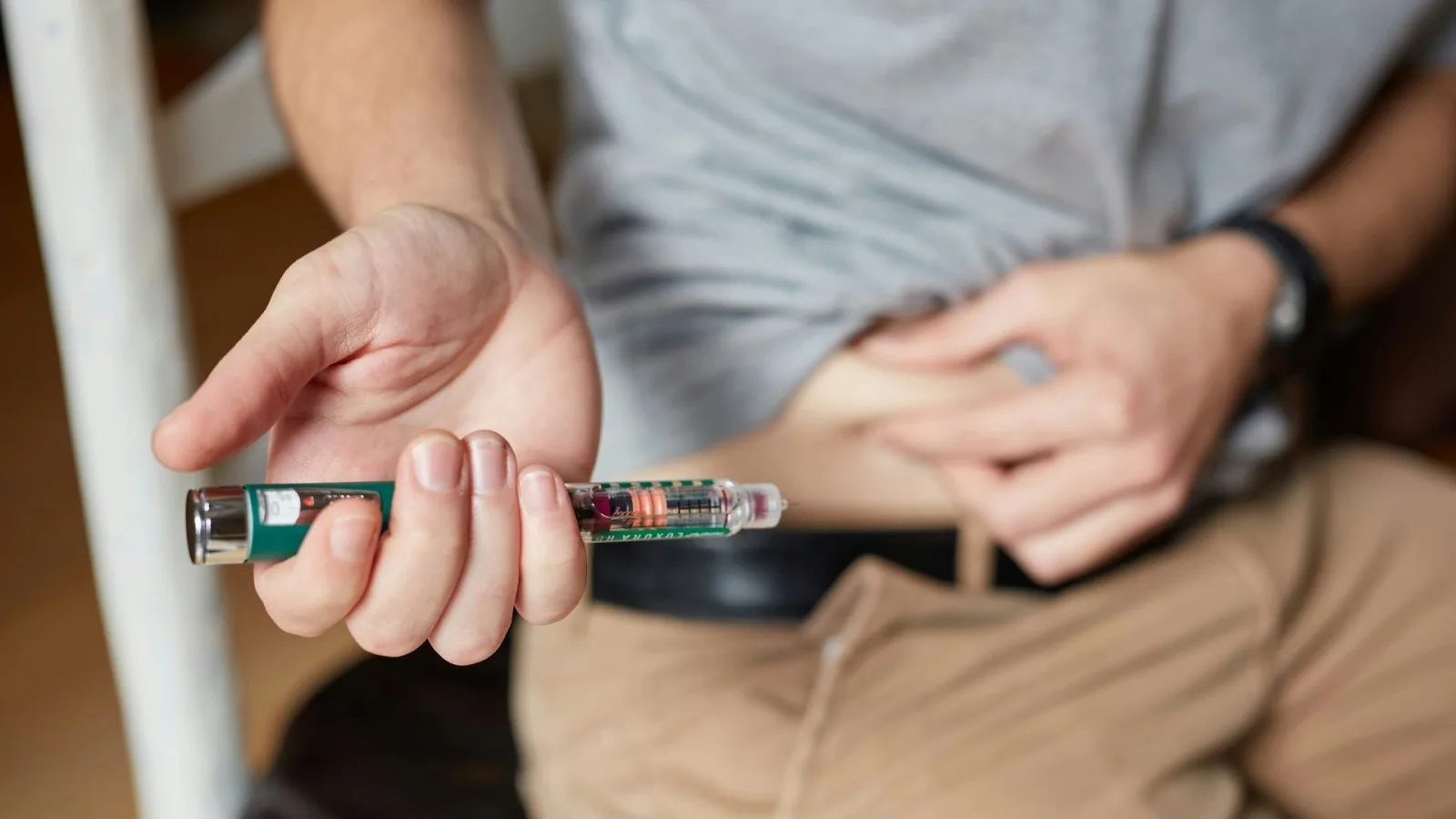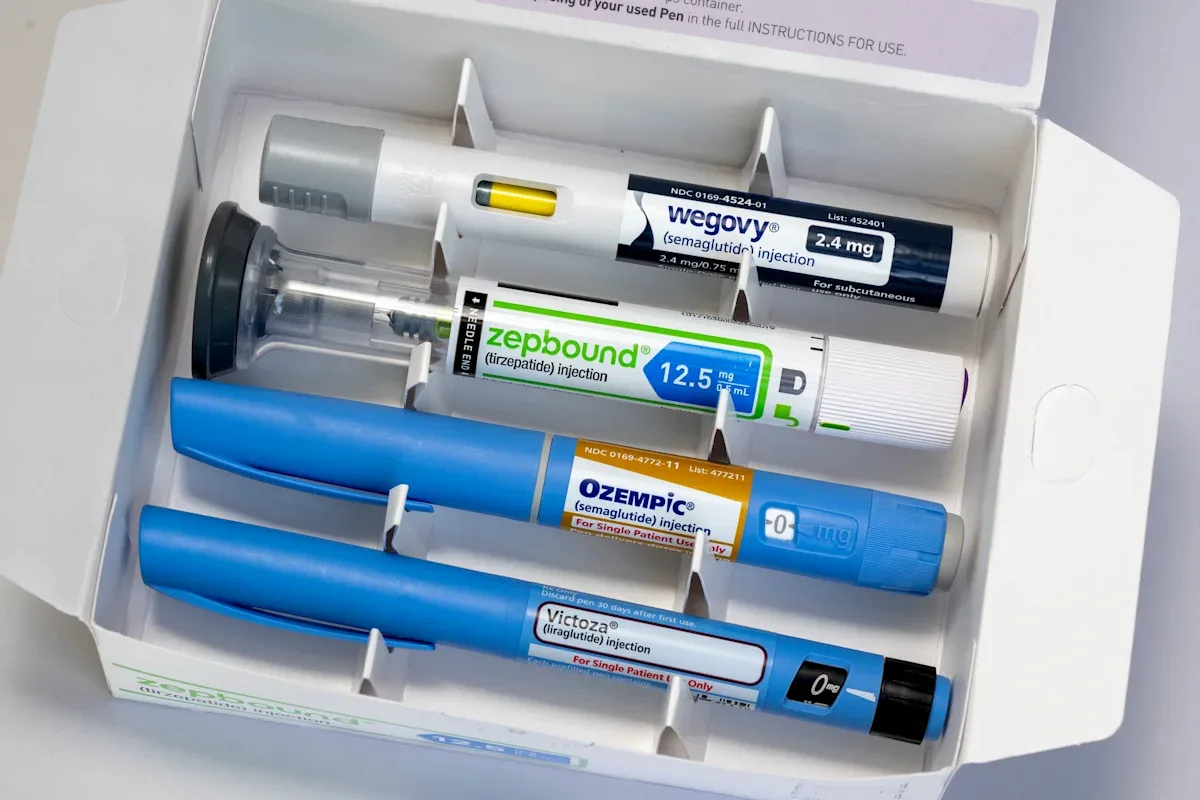

In recent years, GLP-1 receptor agonists have revolutionized the landscape of type 2 diabetes management and weight loss. Medications such as Ozempic, Wegovy, Mounjaro, and Zepbound have become household names, celebrated for their efficacy in helping individuals achieve significant health improvements. However, the conversation around these powerful peptide therapies is expanding, with new research suggesting potential impacts that reach far beyond their primary therapeutic targets.
A compelling study published in the journal Criminology has sparked considerable interest by exploring a potential, albeit indirect, link between GLP-1 medications and the reduction of violent behavior. While the findings are preliminary and do not establish a direct causal relationship with criminality, they offer a unique window into how these drugs might influence brain processes related to impulse control and decision-making. This exploration delves into the science behind these observations, the implications for understanding human behavior, and the broader context of these transformative medications.
Understanding the GLP-1 Mechanism: More Than Just Appetite
Glucagon-like peptide-1 (GLP-1) receptor agonists are a class of medications designed to mimic the action of the naturally occurring GLP-1 hormone. This hormone plays a crucial role in regulating blood sugar levels by stimulating insulin secretion and reducing glucagon release. Beyond its effects on glucose metabolism, GLP-1 also influences satiety and appetite, which is the basis for its effectiveness in weight management.
However, the influence of GLP-1 extends to the brain. Receptors for GLP-1 are found in various brain regions involved in reward pathways, stress regulation, and executive functions, including impulse control. This widespread presence suggests that GLP-1 medications could have a more profound impact on behavior than initially understood.
As Daniel C. Semenza, a criminologist at Rutgers University and lead author of the recent study, explains, "There is growing evidence that these medications can affect processes such as compulsive desire, reward sensitivity, stress regulation, and impulse control." These are precisely the cognitive and emotional processes that are often implicated in various forms of behavior, including aggression and impulsivity.
New Research: GLP-1s and the Link Between Impulse, Alcohol, and Violence
The study published in Criminology investigated a population-based sample of 821 adults who had used GLP-1 medications. The researchers examined the association between impulsivity, alcohol consumption, and the commission of violent crimes. Their findings indicated a significant weakening of these associations among GLP-1 users.
Specifically, the study suggested that the link between impulsivity and violent acts was reduced by approximately 62% in GLP-1 users. Similarly, the association between alcohol consumption and violence saw a reduction of about 52%. This implies that even when individuals using these medications experience impulsivity or consume alcohol, the likelihood of those situations escalating into violent behavior may be diminished.
It is crucial to emphasize that this research does not claim that GLP-1 medications directly prevent or eliminate violence. Semenza clarifies, "The simplest interpretation is that they weaken the transition from impulse to action, not that they eliminate impulsivity." This nuanced distinction is vital for understanding the study's implications.
The Complex Interplay of Factors in Behavior
The relationship between alcohol and violence is well-documented. Alcohol is known to lower inhibitions, impair risk perception, and increase impulsivity, acting as a "pharmacological disinhibitor," as described by criminologist Francisco Pérez. Studies have estimated that a significant percentage of assaults and homicides are committed by individuals under the influence of alcohol.
The emergence of GLP-1 medications adds another layer to this complex equation. While the primary effect of these drugs is on appetite and metabolism, their impact on brain circuits related to reward and impulse control is increasingly recognized. Endocrinologist Cristóbal Morales notes, "This study does not show that GLP-1s reduce violence. But it does reinforce an increasingly solid idea: these treatments act on brain circuits related to reward, addiction, and impulse control."
The findings resonate with previous research highlighting the role of impulse control in behavioral outcomes. However, experts caution against oversimplifying the connection to criminality. Pérez warns that crime is a multifaceted issue influenced by a confluence of factors, including opportunity, environment, and social control, in addition to individual physiology.
Precision tracking for your journey
Join thousands using Shotlee to accurately track GLP-1 medications and side effects.
📱 Get the Shotlee App
Track your GLP-1 medications, peptides, and health metrics on the go with our mobile app!
"We are complex psychosocial beings, subject to interactions between physiology and environment," Pérez states. "We are not only physiological. We are not chemically controllable." This perspective underscores that while medications can influence certain biological pathways, they are just one piece of a much larger puzzle.
Broader Behavioral Effects Beyond Weight and Diabetes
The implications of GLP-1 receptor agonists extend far beyond their established benefits for diabetes and weight loss. As their use becomes more widespread, understanding their full spectrum of behavioral effects is becoming increasingly important. This includes potential impacts on mood, addiction, and impulse control.
The study's author, Semenza, echoes this sentiment, acknowledging that "Violence is influenced by poverty, trauma, inequality, the social environment, and many other factors." He emphasizes that medications cannot replace comprehensive prevention strategies. However, he advocates for continued research to understand the broader behavioral effects of these widely prescribed drugs.
For individuals managing their health with these medications, tracking various aspects of their well-being can be incredibly beneficial. Tools that help monitor:
- Medication adherence and dosage
- Changes in appetite and food cravings
- Mood fluctuations
- Sleep patterns
- Any new or unusual symptoms
can provide valuable insights for both the patient and their healthcare provider. Platforms like Shotlee can be instrumental in facilitating this detailed health tracking, empowering individuals to gain a comprehensive understanding of their treatment journey and its multifaceted effects.
Risk vs. Benefit: A Balanced Perspective
The discussion surrounding GLP-1 medications, including their potential to influence behavior, necessitates a balanced view of risks and benefits. These drugs have demonstrated significant positive outcomes for millions of people struggling with type 2 diabetes and obesity, conditions that carry their own substantial health risks.
The potential for reduced impulsivity or a weaker link between alcohol and aggression, if further substantiated, could be considered an additional, albeit indirect, benefit. However, it is crucial to weigh this against the known side effects and contraindications of these medications.
The decision to use GLP-1 agonists should always be made in consultation with a healthcare professional who can assess individual health needs, potential risks, and expected benefits. The conversation should encompass not only the primary indications but also the evolving understanding of their broader physiological and psychological effects.
Conclusion: A New Frontier in Understanding GLP-1s
The research exploring the potential impact of GLP-1 receptor agonists on impulse control and behavior opens an exciting new chapter in our understanding of these powerful medications. While the initial findings are intriguing and suggest a possible weakening of the transition from impulse to action, it is imperative to approach these conclusions with scientific rigor and clinical caution.
These drugs are not a panacea for complex behavioral issues, nor are they a substitute for addressing the societal and environmental factors that contribute to violence. However, by influencing brain circuits related to reward and impulse, GLP-1s may offer a unique avenue for further research into human behavior and its modulation. As the scientific community continues to unravel the intricate mechanisms of these therapies, the dialogue around their comprehensive effects will undoubtedly continue to evolve, offering a more complete picture of their role in health and well-being.