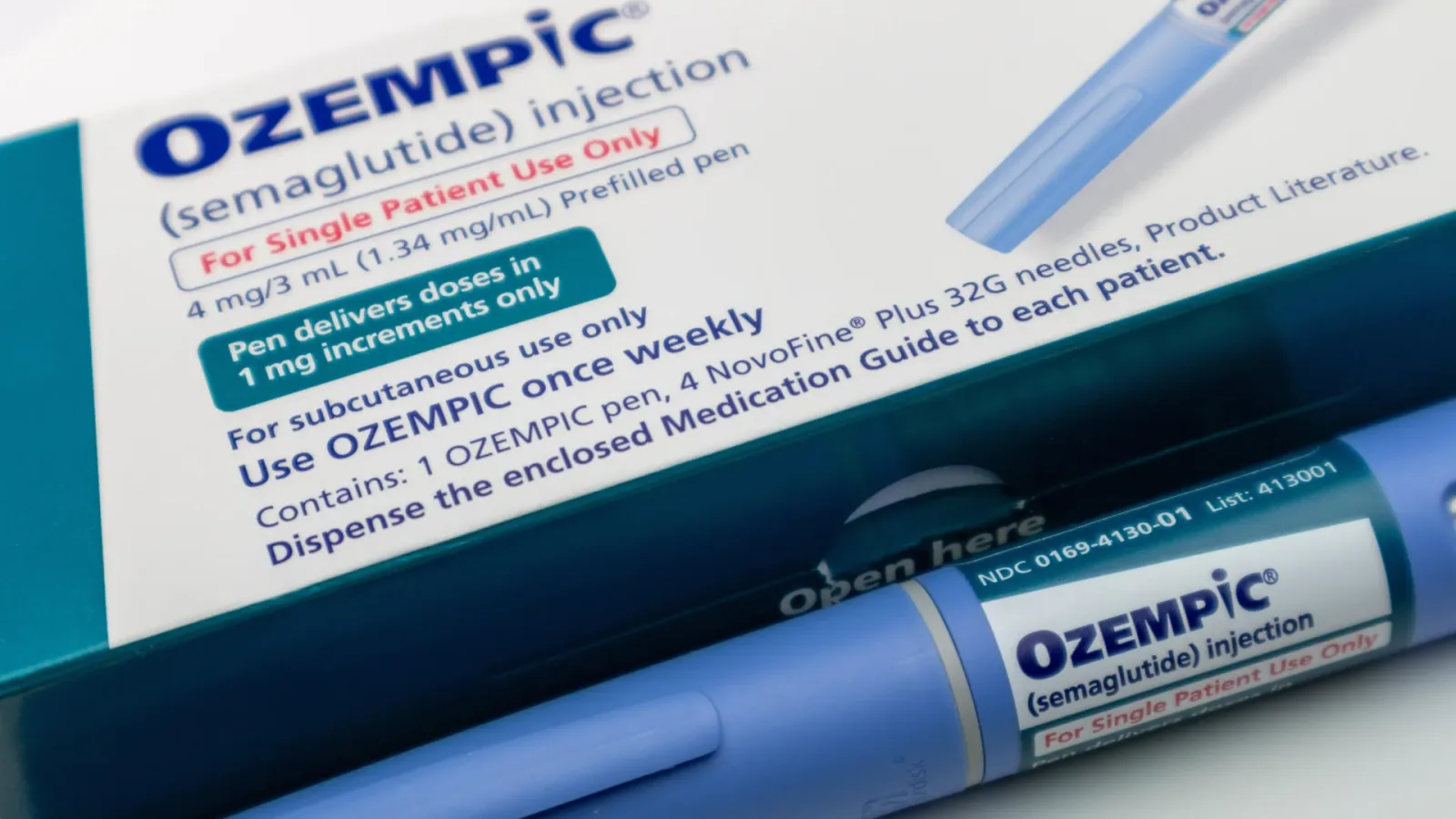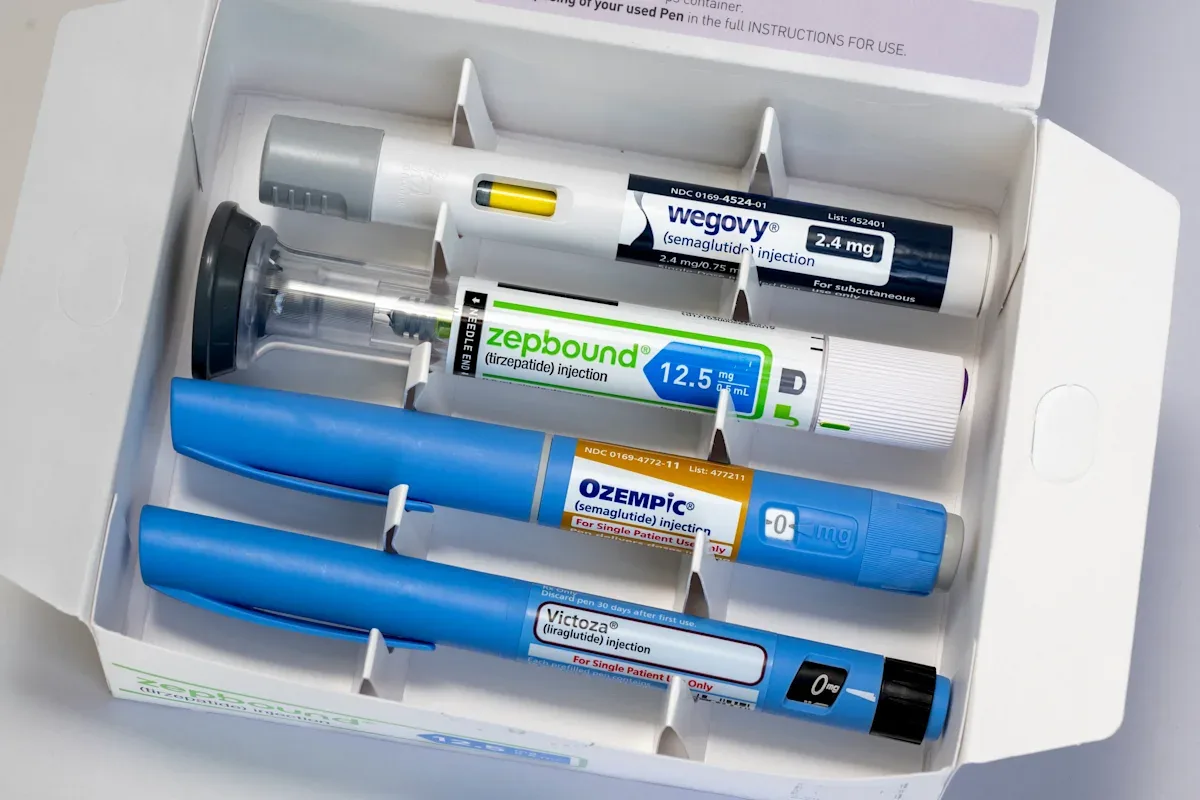

The advent of GLP-1 receptor agonists has been nothing short of revolutionary in the realm of weight management and diabetes care. Medications like Ozempic, Wegovy, Mounjaro, and Zepbound have captured global attention for their remarkable efficacy in shedding pounds. However, the current landscape, while promising, is not without its challenges. Patients often navigate the hurdles of weekly injections, gastrointestinal side effects, and concerns about preserving muscle mass. This reality is fueling an intense race among pharmaceutical leaders to develop the next generation of these groundbreaking therapies.
Eli Lilly and Novo Nordisk, the current frontrunners with their popular GLP-1 offerings, are already reaping significant rewards from a market eager for solutions. Yet, formidable competitors such as Pfizer, Roche, Boehringer Ingelheim, and Amgen are not standing still. They are actively investing in research and development, aiming to introduce improved versions of these drugs. The consensus among industry experts and researchers is clear: simply achieving impressive weight loss figures, like the 21% body weight reduction seen with Zepbound, will no longer be the sole determinant of success. The focus is shifting towards the *quality* of weight loss and the overall patient experience, ensuring long-term adherence and sustainable health outcomes.
Innovations Enhancing Patient Experience: Less Frequent Dosing
One of the most significant barriers to consistent GLP-1 therapy is the requirement for weekly injections. For many individuals, the prospect of self-administering a shot every seven days can be a deterrent, leading to challenges with adherence. Recognizing this, pharmaceutical companies are prioritizing the development of formulations that require significantly less frequent administration.
The Move Towards Monthly Injections
Pfizer is at the forefront of this movement, actively testing a GLP-1 drug designed for monthly injections. This innovation aims to drastically reduce the number of injections needed annually from 52 to as few as 13. Such a substantial reduction in dosing frequency could be a game-changer, alleviating a major source of patient discomfort and improving overall treatment adherence. Beyond simply reducing injection frequency, Pfizer is also exploring combinations with amylin, a natural hormone, to potentially amplify weight loss effects and mitigate side effects.
Further Reducing Injection Burden
Amgen is also pursuing strategies to lessen the injection burden, investigating a GLP-1 drug in combination with a monoclonal antibody. Their approach aims to reduce injections to a manageable four to six times per year. This strategy acknowledges that long-term disease management requires practical, patient-friendly solutions. As Susan Sweeney, Amgen's Executive Vice President for Obesity, stated, "Weight loss is incredibly important, but on top of that is living long-term with this disease and finding easy ways for patients to maintain their weight."
Addressing Side Effects: A Focus on Amylin and Dosing Strategies
Gastrointestinal side effects, including nausea, diarrhea, and constipation, are common challenges associated with current GLP-1 medications. These side effects can significantly impact a patient's quality of life and contribute to treatment discontinuation. The next generation of GLP-1 drugs is being engineered with these issues in mind.
The Role of Amylin in Mitigating Side Effects
Amylin, another naturally occurring hormone produced by the pancreas, is emerging as a key player in the effort to reduce GLP-1 related side effects. Unlike GLP-1s, amylin does not slow down gastric emptying. This distinction is crucial, as the delayed stomach emptying is believed to be a primary driver of nausea. By co-administering amylin with GLP-1 agonists, companies like Roche (through its Genentech division), Eli Lilly, and Novo Nordisk are developing combination therapies. Manu Chakravarthy, a Senior Vice President at Roche-Genentech, explained, "It gives you a feeling of satiation - satisfaction with your meal. It doesn't give you an aversion to eating your meal. It's a subtle but very important difference." This approach aims to provide a feeling of fullness without the unpleasant digestive discomfort.
Precision tracking for your journey
Join thousands using Shotlee to accurately track GLP-1 medications and side effects.
📱 Get the Shotlee App
Track your GLP-1 medications, peptides, and health metrics on the go with our mobile app!
Optimizing Dosing for Tolerance
Beyond novel compound combinations, pharmaceutical companies are also refining dosing strategies. This often involves initiating treatment with a lower dose to allow the body to gradually adapt to the medication's effects on gut chemistry. As tolerance builds, the dosage is slowly increased. This carefully managed titration process is designed to minimize the intensity of initial side effects, making the treatment journey more manageable for patients.
Preserving Lean Mass: The Importance of Quality Weight Loss
While significant weight loss is a primary goal, it's equally critical to ensure that this loss primarily consists of fat rather than lean muscle mass. Muscle plays a vital role in metabolism, strength, and overall health, especially as individuals age. The concern is that rapid weight loss, if not carefully managed, can lead to undesirable muscle depletion.
Combining GLP-1 with Glucagon
Boehringer Ingelheim has presented promising Phase 3 clinical trial results for an experimental GLP-1 drug that combines it with glucagon. This dual-action approach demonstrated an average body weight loss of 16.6% over a 72-week period. Crucially, the study indicated that the weight loss was predominantly fat mass. Of the total weight lost, only 10.8% was lean mass, a significant improvement compared to current GLP-1s, which can result in lean mass losses ranging from 25% to 40%. This suggests a more favorable body composition change, preserving essential muscle tissue.
Targeting Visceral and Liver Fat
Further analysis of Boehringer Ingelheim's trial revealed that a substantial portion of the weight lost was visceral fat – the dangerous fat surrounding abdominal organs. Additionally, patients with metabolic fatty liver disease saw their liver fat reduced to normal levels in a significant majority of cases. These findings highlight the potential of next-generation therapies to not only reduce overall weight but also to specifically target fat depots that pose the greatest health risks. As Neerja Balachander, Boehringer Ingelheim's VP of U.S. Clinical Development, noted, "We continue to believe this is going to be a big tent," suggesting a broad applicability and benefit for various patient needs.
The Future Landscape of GLP-1 Therapy
The evolution of GLP-1 drugs is rapidly moving beyond their initial role as diabetes and weight-loss agents. The ongoing research and development are focused on creating therapies that are more convenient, better tolerated, and more effective in promoting healthy body composition. The introduction of monthly injections, the mitigation of gastrointestinal side effects through compounds like amylin, and the improved preservation of lean muscle mass are all critical advancements that will shape the future of obesity management.
As these new treatments emerge, patients and healthcare providers will have a wider array of options to consider. The ability to track progress, monitor symptoms, and manage medication schedules becomes even more important. Tools like Shotlee can play a vital role in helping individuals stay on track with their treatment plans, ensuring they achieve the best possible outcomes from these innovative therapies. The next few years promise significant developments, offering greater hope and more effective solutions for those seeking to manage their weight and improve their overall health.
Practical Takeaways
- Reduced Injection Frequency: Future GLP-1 medications are moving towards less frequent dosing, potentially monthly, to improve patient convenience and adherence.
- Minimized Side Effects: Combinations with hormones like amylin and optimized dosing strategies are being developed to reduce common gastrointestinal side effects.
- Preservation of Muscle Mass: New therapies aim to ensure that weight loss is primarily fat, preserving lean muscle mass for better long-term metabolic health.
- Targeted Fat Reduction: Some next-generation drugs show promise in specifically reducing visceral and liver fat, addressing key health risks.
- Holistic Health Approach: The focus is shifting from just weight loss numbers to the quality of weight loss and overall patient well-being.
Conclusion
The journey of GLP-1 medications is far from over. The current generation has opened doors to unprecedented weight loss results, but the pharmaceutical industry is actively innovating to address the practical and physiological challenges associated with these therapies. The development of drugs with less frequent dosing, fewer side effects, and a greater emphasis on preserving lean muscle mass signifies a maturing field dedicated to providing more sustainable and patient-centric solutions for obesity and related metabolic conditions. As these advancements come to market, they promise to further revolutionize healthcare and improve the lives of millions.