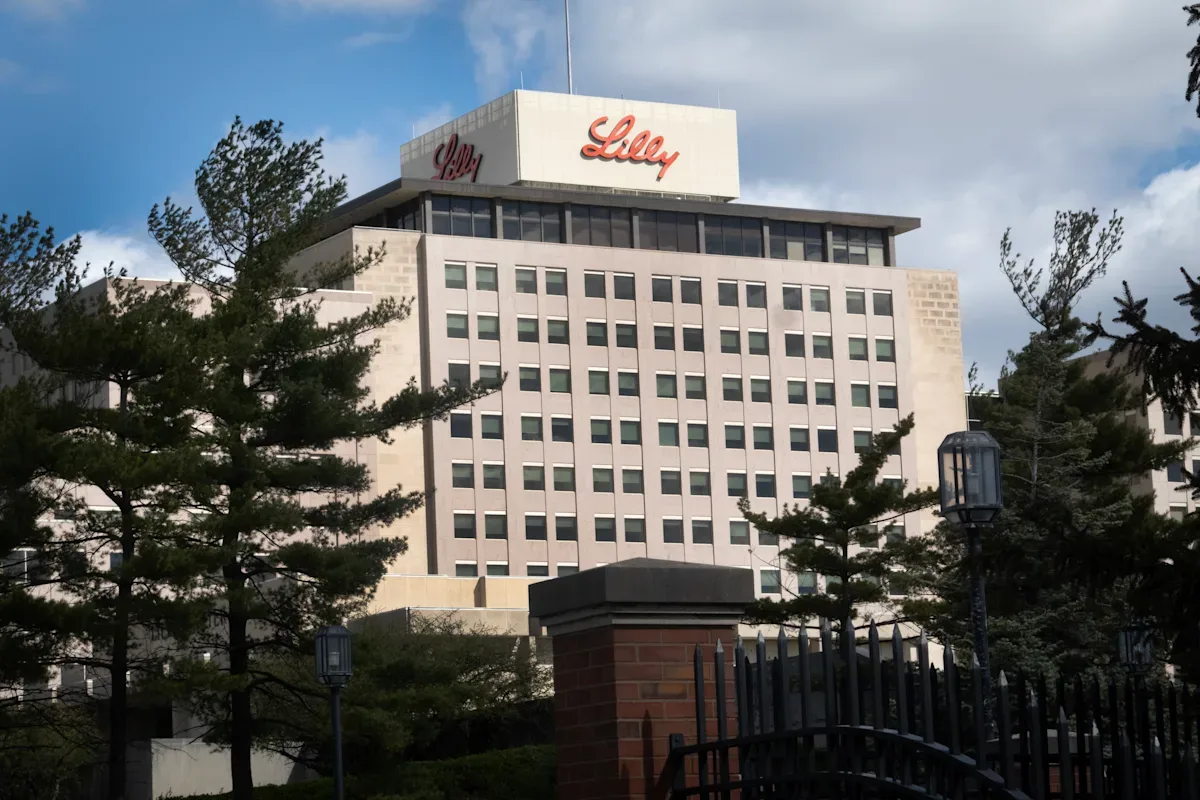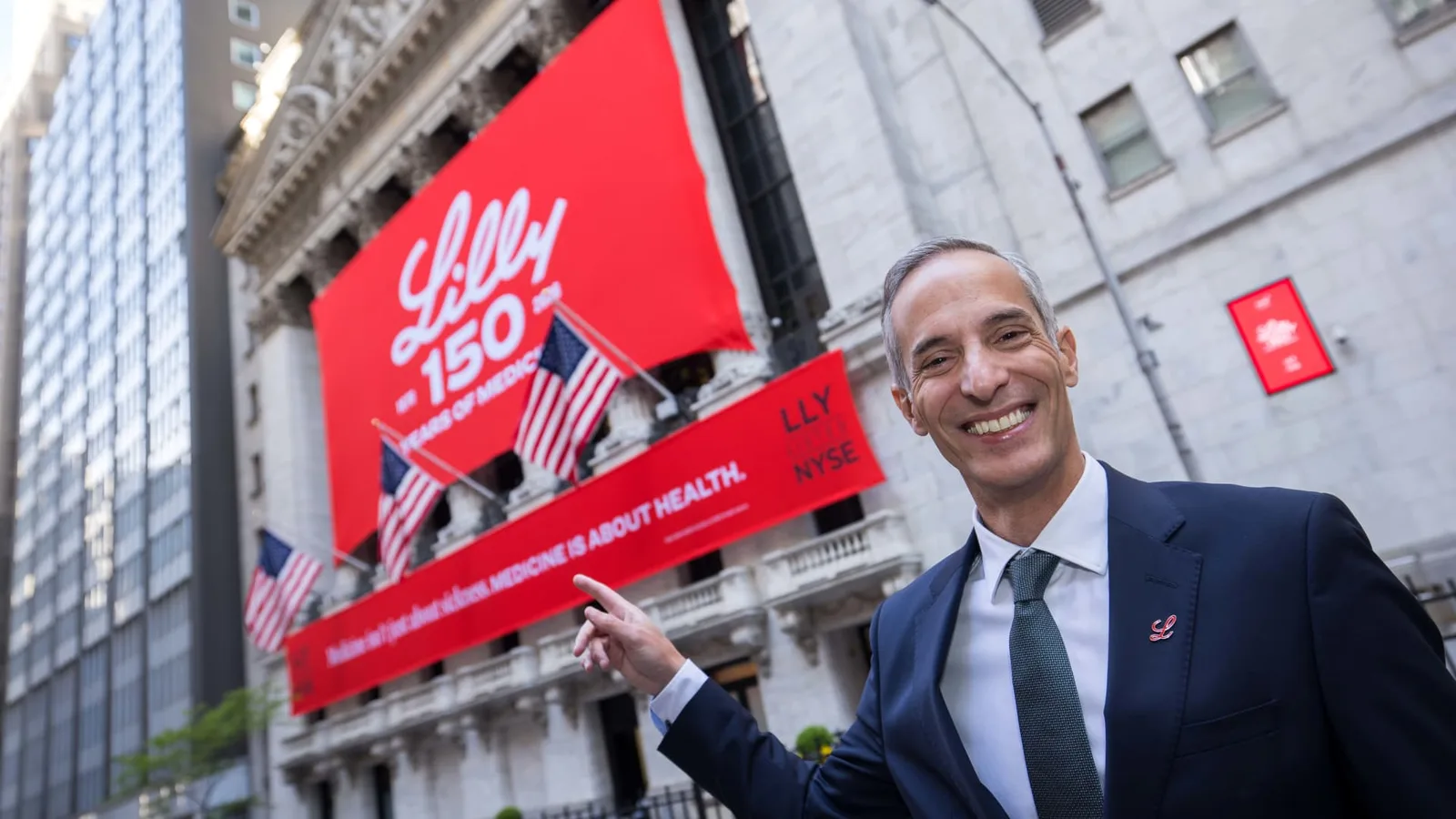
In the dynamic world of pharmaceuticals, particularly within the rapidly expanding GLP-1 agonist market for weight management and diabetes, legal disputes can arise. Recently, Eli Lilly, a major player in this space, found itself in the spotlight due to a lawsuit filed by its competitor, Novo Nordisk. This development prompted an analysis from Jim Cramer, a prominent figure in financial commentary, regarding his stance on Eli Lilly's stock and its future prospects. The core of the dispute centers on advertising claims made by Eli Lilly for its GLP-1 drugs, which Novo Nordisk alleges are misleading when compared to its own offerings, such as Wegovy.
What is the GLP-1 Lawsuit About?
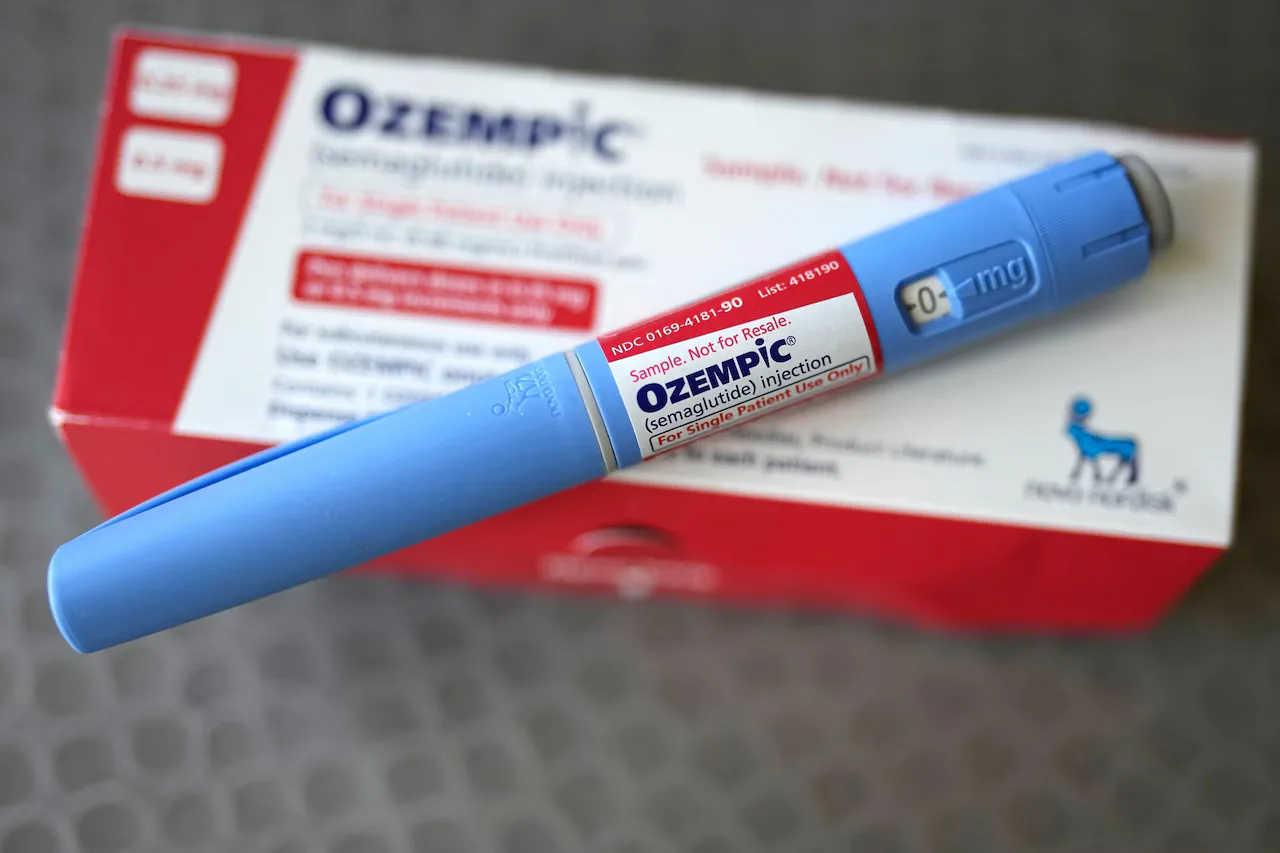
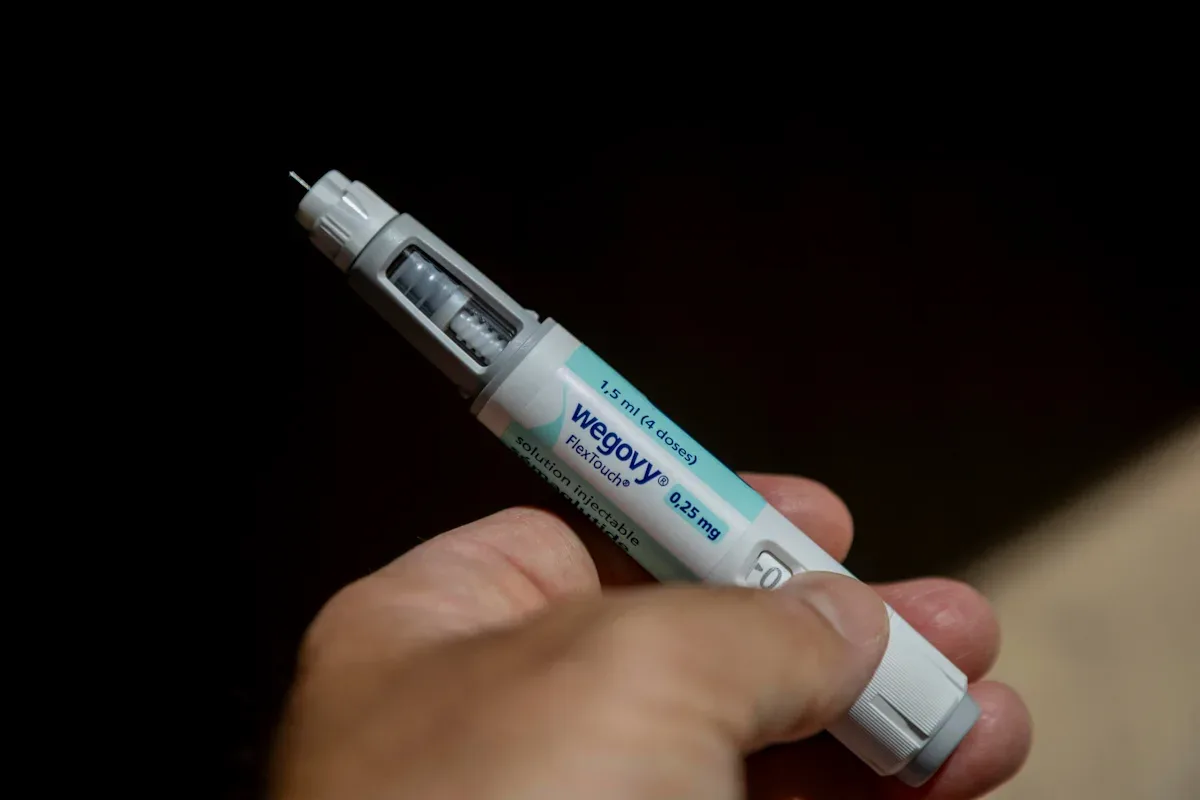
The lawsuit initiated by Novo Nordisk against Eli Lilly concerns the marketing strategies employed by Lilly for its GLP-1 medications. Novo Nordisk, the maker of popular weight-loss drugs like Wegovy and Ozempic, claims that Eli Lilly's advertising campaigns are misleading consumers by overstating the efficacy of its own GLP-1 drugs in comparison to Novo Nordisk's products. Specifically, Novo Nordisk argues that Lilly's advertisements are based on outdated comparative data, failing to account for recent advancements and higher, more effective doses of Wegovy that were approved in March. This legal challenge highlights the intense competition and the high stakes involved in the booming GLP-1 market, where companies are vying for market share and patient attention through their promotional efforts. The efficacy and comparative benefits of these drugs are critical selling points, making advertising claims a focal point of contention.
Why is Eli Lilly Facing Legal Action?
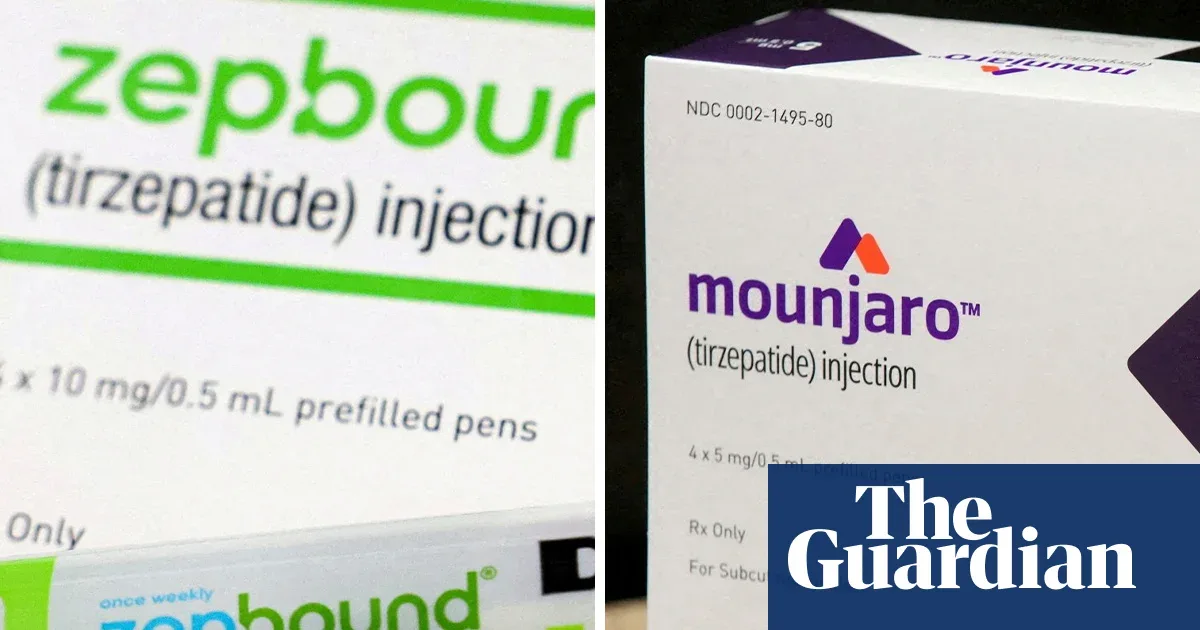
Eli Lilly is facing legal action from Novo Nordisk primarily because of its comparative advertising campaigns for its GLP-1 drugs, which include Zepbound (tirzepatide) for weight loss and Mounjaro (tirzepatide) for type 2 diabetes. Novo Nordisk alleges that these advertisements present an inaccurate and misleading picture of superiority, particularly when compared to Novo Nordisk's own GLP-1 medications like Wegovy (semaglutide). The crux of Novo Nordisk's argument is that Lilly's claims are based on studies that do not reflect the latest clinical data, especially concerning a higher dosage of Wegovy that became available after the publication of the studies Lilly is referencing. This higher dose, approved in March, is claimed by Novo Nordisk to offer superior efficacy, a point that Lilly's current advertisements allegedly fail to acknowledge or adequately represent. Such comparative claims are common in competitive markets, but they must be substantiated by current and comprehensive data to avoid allegations of misleading marketing practices.
What are the Latest Developments in GLP-1 Drug Advertising?
The advertising landscape for GLP-1 drugs is a critical battleground. Eli Lilly's advertisements, which Novo Nordisk claims are misleading, were reportedly based on a head-to-head study comparing Zepbound against Wegovy. This study was published in the New England Journal of Medicine in May 2025. However, Novo Nordisk contends that this publication predates the approval and availability of a higher, more efficacious dose of Wegovy in March of the same year. This timing is central to the lawsuit, as it suggests Lilly's promotional materials may not be presenting the most up-to-date comparative efficacy data. The pharmaceutical industry often relies on robust clinical trial data to support marketing claims, and any perceived discrepancies or outdated information can lead to regulatory scrutiny or legal challenges. The GLP-1 market is particularly sensitive to these claims due to the significant impact these medications can have on patient health and quality of life.
Precision tracking for your journey
Join thousands using Shotlee to accurately track GLP-1 medications and side effects.
📱 Get the Shotlee App
Track your GLP-1 medications, peptides, and health metrics on the go with our mobile app!
What is Jim Cramer's Stance on Eli Lilly?
Despite the lawsuit filed by Novo Nordisk, Jim Cramer, along with his CNBC Investing Club colleague Jeff Marks, has expressed continued confidence in Eli Lilly. Marks described the lawsuit as a "nothing burger," suggesting that it is unlikely to have a significant material impact on Eli Lilly's business. Their focus remains on the fundamental strength of Lilly's GLP-1 drug portfolio, particularly its performance outside the United States and the potential for its oral obesity pill, tirzepatide (often referred to by its investigational name, Foundayo), to gain traction. They acknowledge Novo Nordisk's early lead in the oral GLP-1 market but believe Lilly has strong potential to close that gap. Cramer explicitly stated, "We're sticking by Lilly," indicating a belief that the company's long-term prospects remain robust, and the legal challenge is a temporary distraction rather than a fundamental threat to its market position or growth trajectory.
How Does Shotlee Help Track GLP-1 Therapy?
For individuals managing their health with GLP-1 medications, meticulous tracking of progress, symptoms, and dosages is crucial. Platforms like Shotlee can play a vital role in this process. Shotlee allows users to log their medication intake, monitor weight changes, record side effects, and track other relevant health metrics. This detailed record-keeping can provide valuable insights into treatment effectiveness and help identify any adverse reactions early on. For patients undergoing GLP-1 therapy, having this data readily available can empower them to have more informed discussions with their healthcare providers, adjust treatment plans as needed, and better understand their individual response to the medication. This proactive approach to health management is essential for optimizing outcomes and ensuring the safety and efficacy of these powerful drugs.
What are the Broader Implications for the GLP-1 Market?
The legal dispute between Novo Nordisk and Eli Lilly underscores the immense commercial value and intense competition within the GLP-1 market. As these drugs demonstrate significant efficacy in treating obesity and type 2 diabetes, companies are investing heavily in research, development, and marketing. This lawsuit highlights the critical importance of accurate and up-to-date comparative advertising. Regulatory bodies like the FDA closely monitor pharmaceutical marketing to ensure that claims made to the public are not misleading. For investors, such legal challenges can introduce volatility and uncertainty, even if the immediate impact is deemed minimal by some analysts. The outcome of this lawsuit could set precedents for future advertising practices in the GLP-1 space and potentially influence how companies communicate the benefits of their competing products. It also emphasizes the need for consumers to consult with healthcare professionals for personalized advice rather than relying solely on marketing materials.
| Company | Key GLP-1 Drugs | Allegation | Analyst Stance (Cramer/Marks) |
|---|---|---|---|
| Eli Lilly | Zepbound, Mounjaro | Misleading advertising regarding efficacy compared to Novo Nordisk's drugs. | Sticking by Lilly; lawsuit seen as a "nothing burger." |
| Novo Nordisk | Wegovy, Ozempic | Plaintiff in the lawsuit; alleges Lilly's ads are outdated. | N/A (Plaintiff) |
Practical Takeaways
- Focus on Fundamentals: Despite legal challenges, Cramer and Marks emphasize evaluating companies based on their core business strength and market position, particularly Eli Lilly's robust GLP-1 pipeline and global reach.
- Advertising Scrutiny: The lawsuit serves as a reminder that pharmaceutical advertising claims are subject to rigorous scrutiny, and companies must ensure their marketing is based on current, accurate data.
- Importance of Data Tracking: For patients using GLP-1 medications, tools like Shotlee can help meticulously track progress and side effects, facilitating informed discussions with healthcare providers.
- Competitive Landscape: The GLP-1 market is highly competitive, with ongoing innovation and strategic maneuvering by key players like Eli Lilly and Novo Nordisk.
Conclusion
The legal dispute between Novo Nordisk and Eli Lilly over GLP-1 drug advertising adds another layer of complexity to an already dynamic market. While Novo Nordisk has raised concerns about misleading claims, Jim Cramer and Jeff Marks maintain a positive outlook on Eli Lilly, viewing the lawsuit as a minor impediment rather than a significant threat. Their confidence stems from Lilly's strong product portfolio, particularly its GLP-1 offerings, and its strategic positioning for future growth. For patients and healthcare providers, the focus remains on leveraging these advanced therapies effectively, with tools like Shotlee aiding in the crucial task of monitoring treatment outcomes and managing potential side effects. The ongoing competition and legal developments in the GLP-1 space will undoubtedly continue to shape the pharmaceutical landscape for years to come.