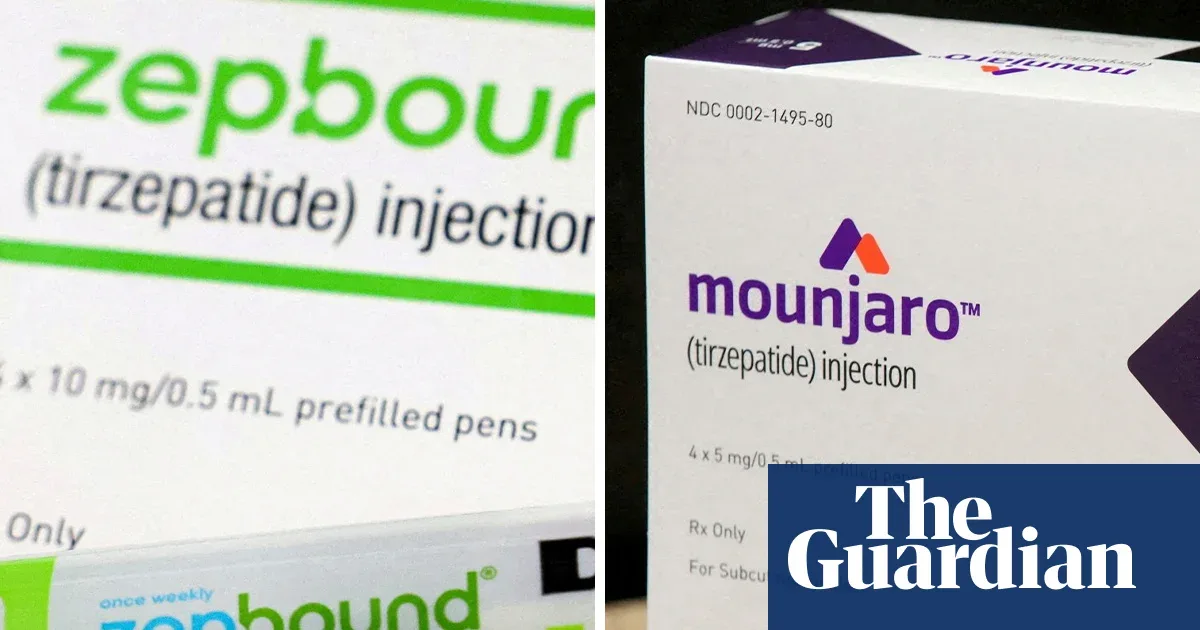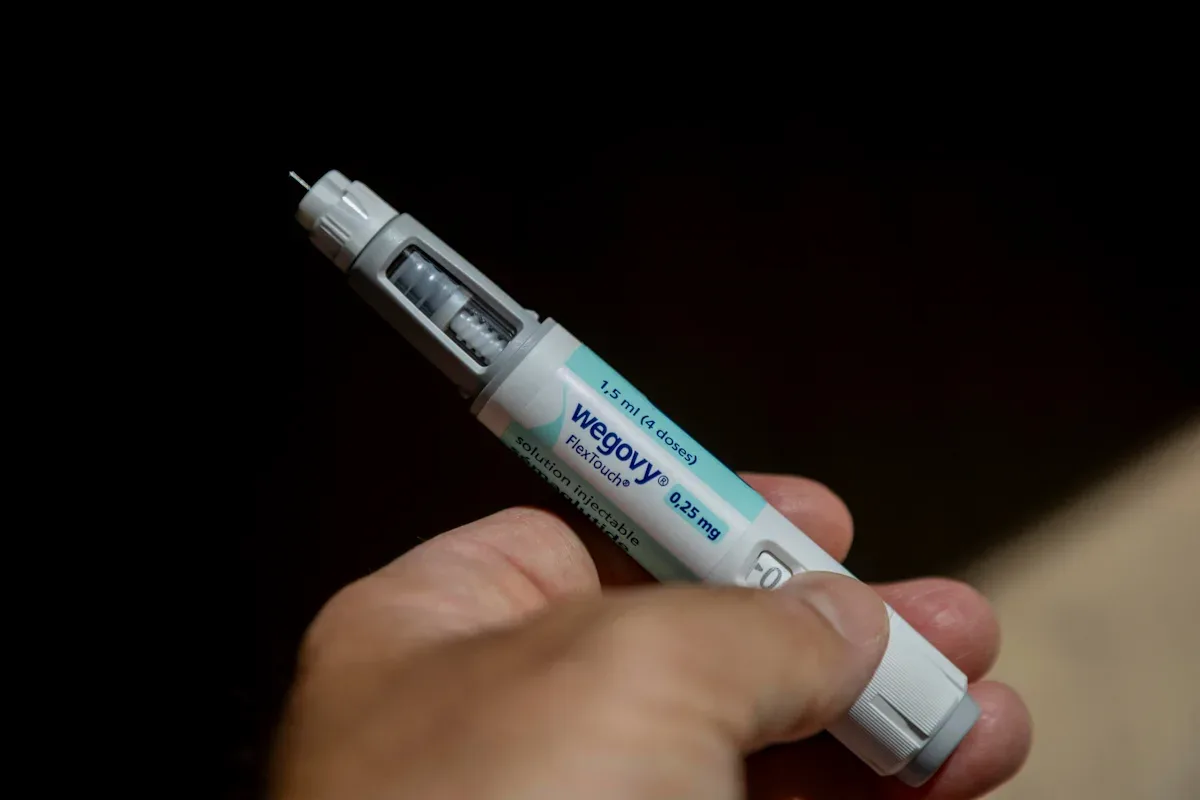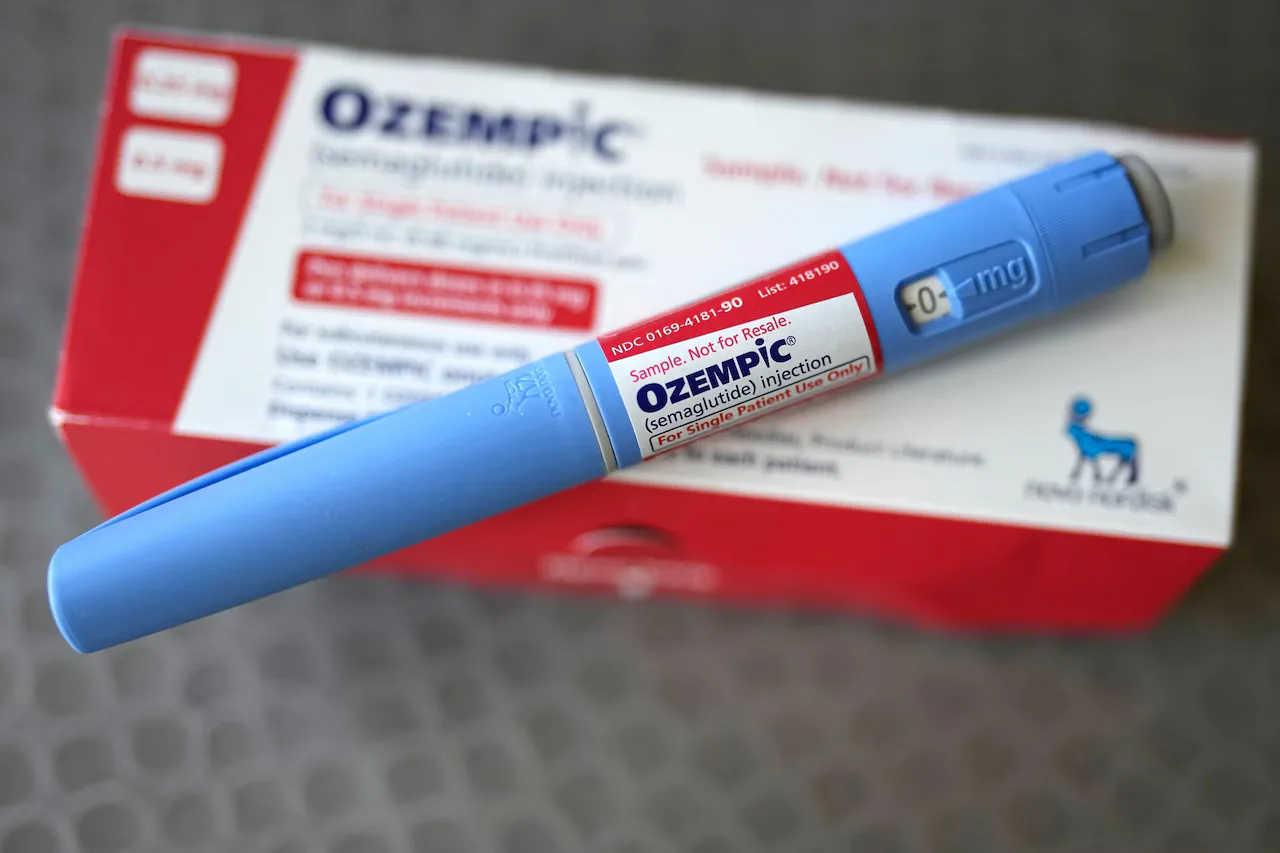

The widespread adoption of GLP-1 medications like Ozempic and Wegovy is creating a ripple effect that extends far beyond the kitchen. As these drugs become a common part of weight loss and diabetes management, they are reshaping not only how people eat at home but also how they order at restaurants. A recent study commissioned by the Ohio Restaurant & Hospitality Alliance highlights this shift, revealing that appetite suppression is altering consumer behavior in significant ways. From reduced spending to changed portion preferences, diners are actively navigating a new landscape of food choices. Understanding these trends is crucial for both healthcare providers and the hospitality industry to support patients effectively. This article explores the data behind these changes.
How Do GLP-1 Medications Influence Restaurant Spending Habits?
GLP-1 medications like Ozempic and Wegovy are fundamentally altering how individuals approach restaurant dining, primarily by significantly reducing overall spending on meals outside the home. According to a comprehensive survey conducted by Ohio State Extension involving 923 participants, approximately 66% of current and former users reported cutting back on restaurant expenditures after initiating therapy. This financial shift is most pronounced during the initial year of treatment, where appetite suppression leads to a natural decrease in food intake and consumption frequency. Consequently, diners are not just eating less but are actively making different choices regarding what they purchase, prioritizing nutritional alignment over volume. This trend suggests that the medication's physiological effects on hunger signals are powerful enough to override traditional dining habits, forcing a reevaluation of the restaurant industry's standard offerings and portion sizes.
This data highlights a broader economic impact on the hospitality sector, where operators are already seeing shifts in sales. While the medication helps individuals manage their health, it necessitates a change in how businesses operate their menus. Some establishments are considering portion flexibility to accommodate these changes without losing revenue.
What Specific Menu Items Are GLP-1 Users Skipping?
Specific menu items are being skipped most frequently by patients on these appetite-suppressing drugs, particularly alcoholic beverages and sweet treats. Nearly half, or 46%, of GLP-1 users surveyed stated they no longer order alcohol with their meals, marking a significant behavioral change in social dining contexts. Desserts and sugar-sweetened beverages are among the items they skip most often, driven by a combination of reduced cravings and physiological side effects that make heavy consumption less appealing. This shift indicates a move away from indulgence-focused dining toward more functional nutrition. Restaurants may notice a decline in high-margin items like cocktails and cakes, requiring a strategic pivot to maintain profitability while accommodating these changing dietary preferences.
Patients often experience reduced nausea or discomfort when avoiding heavy, sugary, or alcoholic items, which reinforces the decision to skip them. Tracking these preferences can help individuals understand their body's new signals better. Tools like Shotlee allow users to log these specific dietary changes alongside their medication doses for a complete health picture.
Why Do Some Diners Prefer Appetizers Over Entrees?
Portion preferences are shifting dramatically, with nearly half of users opting for smaller plates rather than standard full-sized meals. Specifically, 47% of GLP-1 users said they are more likely to order an appetizer or side to share, signaling growing demand for lighter meals and shareable plates. This behavior stems from the medication's ability to induce satiety much faster than traditional weight loss methods, meaning large entrees often result in uneaten food and wasted money. Diners are actively seeking flexibility in their orders to avoid overeating while still participating in the meal. This preference for smaller portions challenges the industry norm of value meals and encourages a model based on sharing and variety rather than quantity and density.
Precision tracking for your journey
Join thousands using Shotlee to accurately track GLP-1 medications and side effects.
📱 Get the Shotlee App
Track your GLP-1 medications, peptides, and health metrics on the go with our mobile app!
Sharing plates also fosters a communal dining experience, which is crucial for those who feel isolated by their dietary restrictions. This social connection remains a priority even as consumption volume decreases. It allows groups to enjoy a variety of foods without forcing anyone to overeat, balancing social needs with physical limits.
How Can Restaurants Adapt to GLP-1 Dining Preferences?
Restaurants are struggling to adapt quickly enough, as only 9% of surveyed establishments currently identify menu items that are considered GLP-1-friendly. Despite this, about 40% of operators reported more requests for smaller portions or split entrees, indicating a clear market demand that is currently unmet by many venues. The findings suggest that restaurants may be able to maintain guest traffic and revenue by offering greater flexibility through portion sizes, shareable dishes and clearly identified menu options. This gap represents a significant business opportunity for forward-thinking establishments to capture a growing demographic of health-conscious diners who are willing to spend money on experiences that align with their new dietary needs and medication requirements.
Operators need to communicate these options clearly so guests do not feel forced to choose between their health and social enjoyment. Clear labeling can bridge this gap effectively. By offering these choices, restaurants can build loyalty with a demographic that values transparency and flexibility in their dining choices.
Does the Social Experience Matter More Than the Food?
Despite eating less, respondents said restaurants remain an important place to gather with friends and family, proving that the social aspect remains paramount. Among GLP-1 users, a restaurant's social atmosphere ranked as the most important factor when deciding where to eat, outweighing specific menu offerings in many cases. This finding confirms that while the what of dining is changing, the why remains consistent with pre-medication habits. The opportunity for our industry is to understand these shifts, adapt and give guests more ways to keep enjoying the restaurant and hospitality experience. Consequently, venues that prioritize ambiance and service while adjusting food options will likely retain loyalty from this expanding patient population.
Ultimately, the goal is to maintain the joy of dining out while respecting the physiological changes brought on by the treatment. This balance ensures long-term customer retention. Restaurants that prioritize atmosphere and service while adjusting food options will likely retain loyalty from this expanding patient population seeking both connection and health.
Key Takeaways
- 66% of users reduced restaurant spending after starting therapy.
- 46% skip alcohol, and desserts are frequently avoided.
- 47% prefer appetizers or shared sides over large entrees.
- Only 9% of restaurants currently offer GLP-1-friendly menu items.
- Social atmosphere remains the most important dining factor.
- Track your food intake with Shotlee to identify patterns.
Comparison of Dining Habits
| Category | Before GLP-1 | After GLP-1 |
|---|---|---|
| Spending | Standard | Reduced (66%) |
| Alcohol | Common | Skipped (46%) |
| Portion Size | Full Entree | Appetizer/Side (47%) |
| Menu Options | Varied | Health-Conscious (60%) |
The intersection of medical treatment and dining culture is evolving rapidly, driven by the physiological reality of GLP-1 therapy. While the industry adapts to smaller portions and different order patterns, the core desire for social connection remains unchanged. Patients can use health tracking tools to monitor how these medications influence their daily choices. By staying informed and communicating with providers, individuals can navigate these changes successfully. The future of dining lies in flexibility and understanding, ensuring that health goals and social lives can coexist harmoniously. This shift represents a new chapter in how we approach nutrition and wellness.
Frequently Asked Questions
- Do GLP-1 medications reduce restaurant spending?
Yes, a study found that 66% of users reduced restaurant spending after starting therapy, with the biggest decline occurring in the first year. - Which menu items are most commonly skipped?
Alcohol and desserts are the most frequently skipped items, with 46% of users no longer ordering alcohol with meals. - Why are appetizers becoming more popular?
Users prefer appetizers because the medication induces satiety faster, making large entrees difficult to finish without waste. - How are restaurants responding to this trend?
Operators are seeing requests for smaller portions, though only 9% currently offer specific GLP-1-friendly menu items. - Does the social aspect of dining change?
No, the social atmosphere remains the most important factor for diners, even as their food choices evolve.