
Television personality and actress Rosie O'Donnell has publicly shared her transformative journey with the weight-loss medication Mounjaro, revealing that the drug fundamentally altered her health and outlook on life. In a recent interview with People magazine, the 64-year-old star discussed her diagnosis of Type 2 diabetes and the subsequent decision to start treatment three years ago. This disclosure adds to a growing list of celebrities who have openly discussed their use of GLP-1 agonists, helping to normalize the conversation around peptide therapy and metabolic health. O'Donnell's story is particularly notable for its honesty regarding both the benefits of the medication and the physical side effects that followed her significant weight reduction. As public figures continue to share their experiences with tirzepatide, patients worldwide are seeking more information on how these drugs work and what to expect during treatment. This article explores the medical context of her story, the mechanism of action behind the drug, and the practical considerations for anyone considering similar therapy.
Why Did Rosie O'Donnell Start Taking Mounjaro?
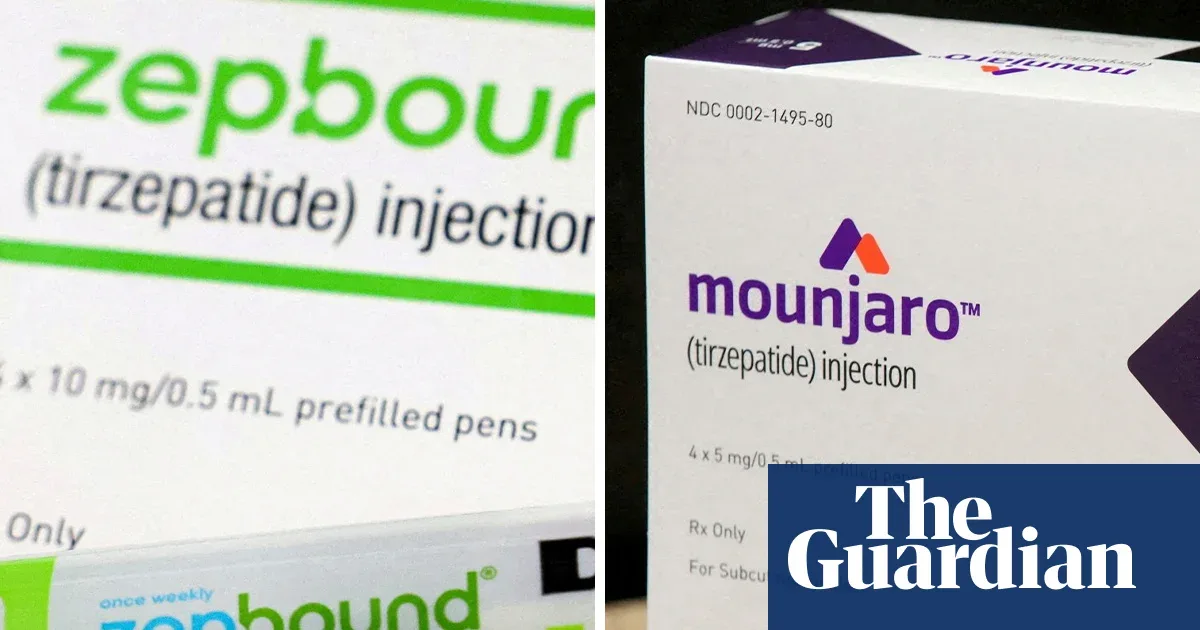
Rosie O'Donnell began using the prescription medication Mounjaro primarily to manage Type 2 diabetes and achieve significant weight reduction after a long struggle with her health. The 64-year-old television personality disclosed in a candid People magazine interview that she initiated the treatment three years prior to her public announcement, noting it was a critical intervention for her metabolic condition. Mounjaro contains tirzepatide, a dual agonist that mimics hormones to regulate blood sugar and suppress appetite effectively. According to the NHS, this once-weekly injectable is specifically designed to help users feel fuller for longer periods, which directly addresses the physiological drivers of obesity. O'Donnell reported losing nearly 30kg during this period, a statistic that highlights the potent clinical efficacy of the drug when prescribed for these specific medical indications.
The decision to start the medication came after a diagnosis of Type 2 diabetes, a condition that often requires lifestyle changes and pharmacological support to manage blood glucose levels. O'Donnell noted that she had struggled with her weight her whole life, which added a layer of personal history to her medical journey. By addressing the root causes of her metabolic issues, the medication allowed her to focus on long-term health rather than short-term dieting struggles. This approach aligns with modern medical guidelines that prioritize sustainable weight management over rapid, unsustainable loss.
Her experience underscores the importance of early intervention for diabetes patients who are also struggling with obesity. The combination of improved glycemic control and reduced caloric intake created a positive feedback loop that supported her overall well-being. For many patients, the convenience of a once-weekly injection is a significant advantage over daily oral medications, improving adherence to the treatment plan.
How Does Mounjaro Quiet "Food Noise" for Patients?
The term "food noise" refers to the constant mental chatter about eating that often overwhelms individuals struggling with obesity and diabetes, and Mounjaro significantly reduces this internal dialogue. O'Donnell described being stunned by how quickly the drug silenced the anxiety surrounding her relationship with food, which had plagued her for her entire life. This effect occurs because tirzepatide targets GLP-1 and GIP receptors in the brain, signaling satiety to the central nervous system much faster than traditional dieting methods. By dampening the reward signals associated with high-calorie foods, the medication allows patients to focus on nutritional choices rather than cravings. This psychological relief was a key factor for O'Donnell, who previously admitted to feeling shame and humiliation regarding her weight throughout her career.
Before starting the medication, O'Donnell revealed that her biggest concern during late-night television appearances was not her performance set, but whether she looked fat. This preoccupation with appearance is a common symptom of the psychological burden of obesity, which often exacerbates unhealthy eating habits. The reduction of this "food noise" allows patients to break the cycle of emotional eating and stress-related consumption. It creates a mental space where individuals can make decisions based on health rather than impulse.
Understanding the mechanism behind this relief is crucial for patients considering GLP-1 therapy. The drug does not just suppress hunger; it changes the way the brain processes food cues. This shift can lead to a more sustainable relationship with eating, where food is viewed as fuel rather than a source of comfort or anxiety.
What Happens to Skin After Rapid Weight Loss on Tirzepatide?
Rapid weight loss on medications like tirzepatide frequently results in excess skin laxity because the underlying tissue does not always contract at the same speed as the fat reduction. O'Donnell explained that losing nearly 30kg left her with significant loose skin around her chin, which she felt made her look sad and aged despite her weight loss success. This physical change is a common medical outcome when body mass decreases quickly, stretching the collagen and elastin fibers beyond their elastic limit. To address this specific concern, she opted for a deep plane lower facelift, a procedure she initially hesitated to discuss due to personal guilt. The cost of this surgery was reportedly $90,000, illustrating the substantial financial investment often required to restore contour after substantial metabolic improvements.
While the weight loss itself is a health victory, the dermatological consequences can be significant and require separate medical attention. The face is particularly prone to showing signs of volume loss, which can alter facial structure and expression. Many patients in similar situations find that non-surgical options like fillers or skin tightening are insufficient for the degree of laxity caused by massive weight reduction.
It is important for patients to discuss potential skin changes with their doctors before starting treatment so they can plan for these outcomes. Hydration, nutrition, and gradual weight loss can sometimes mitigate the severity of laxity, though rapid results often lead to more pronounced effects. Managing expectations regarding skin elasticity is a vital part of the informed consent process for peptide therapy.
Can Choosing Cosmetic Surgery Be an Act of Feminist Power?
Yes, O'Donnell argues that deciding what to do with one's body after weight loss is a legitimate expression of feminist autonomy rather than capitulation to the male gaze. She wrestled with this internal conflict for six months, fearing that seeking a facelift contradicted her values as a feminist icon who historically critiqued beauty standards. However, after her youngest child Clay told her that girls look up to her, she realized that true power lies in making personal choices about physical appearance without external judgment. This shift in perspective allowed her to prioritize her own comfort and confidence over rigid ideological constraints regarding surgery. Ultimately, she concluded that reclaiming agency over her physical presentation was empowering for her specific journey and public image.
This narrative highlights the evolving conversation around body autonomy in the digital age. The pressure to conform to specific ideals of aging or beauty can be intense, yet the freedom to choose one's path is a core tenet of empowerment. O'Donnell's willingness to discuss the cost and the emotional toll of the procedure adds depth to the public discourse on cosmetic interventions.
For other patients facing similar dilemmas, the decision to pursue surgery should be weighed against personal values and health goals. There is no single correct answer, as the choice depends entirely on individual circumstances and the desire for physical comfort versus ideological consistency.
Precision tracking for your journey
Join thousands using Shotlee to accurately track GLP-1 medications and side effects.
📱 Get the Shotlee App
Track your GLP-1 medications, peptides, and health metrics on the go with our mobile app!
Are Celebrities Like Jeremy Clarkson Using Similar Weight Loss Drugs?
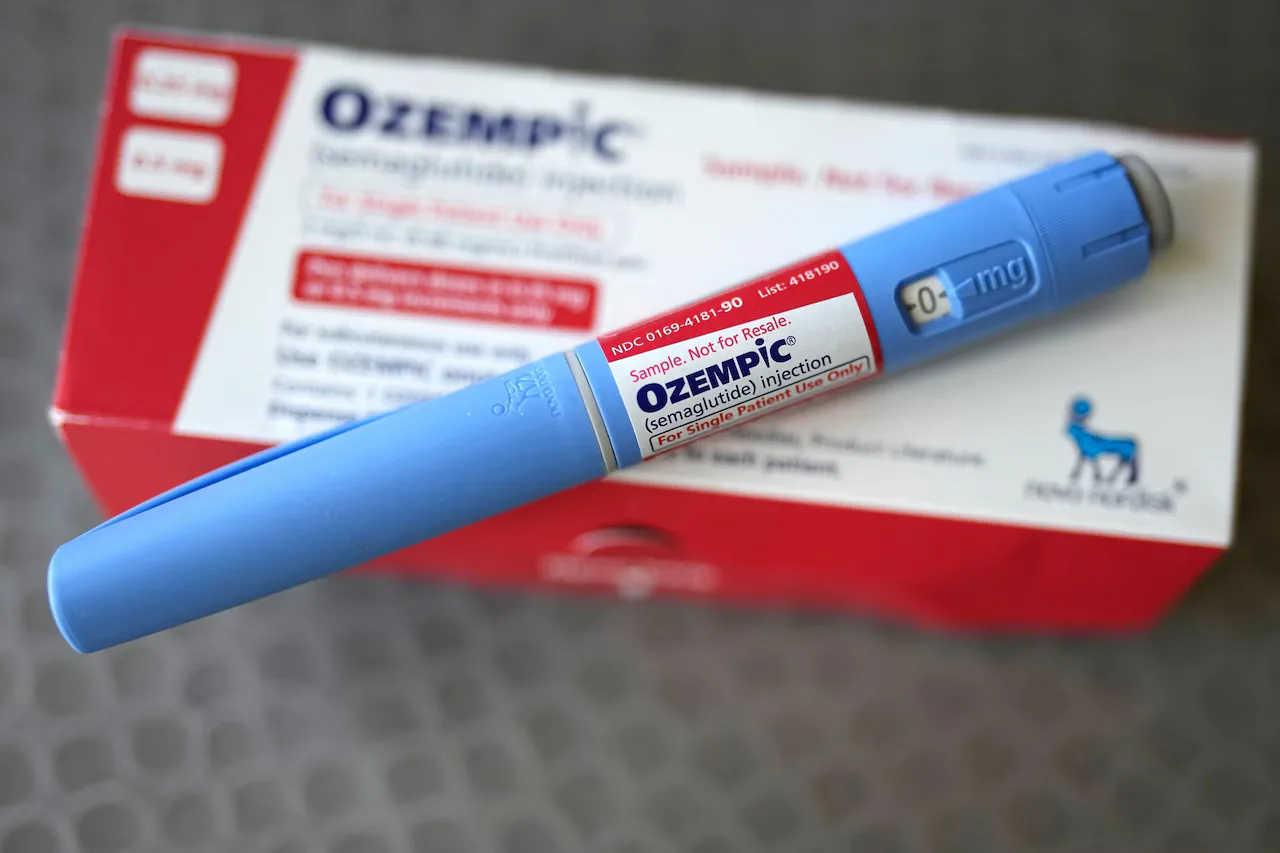
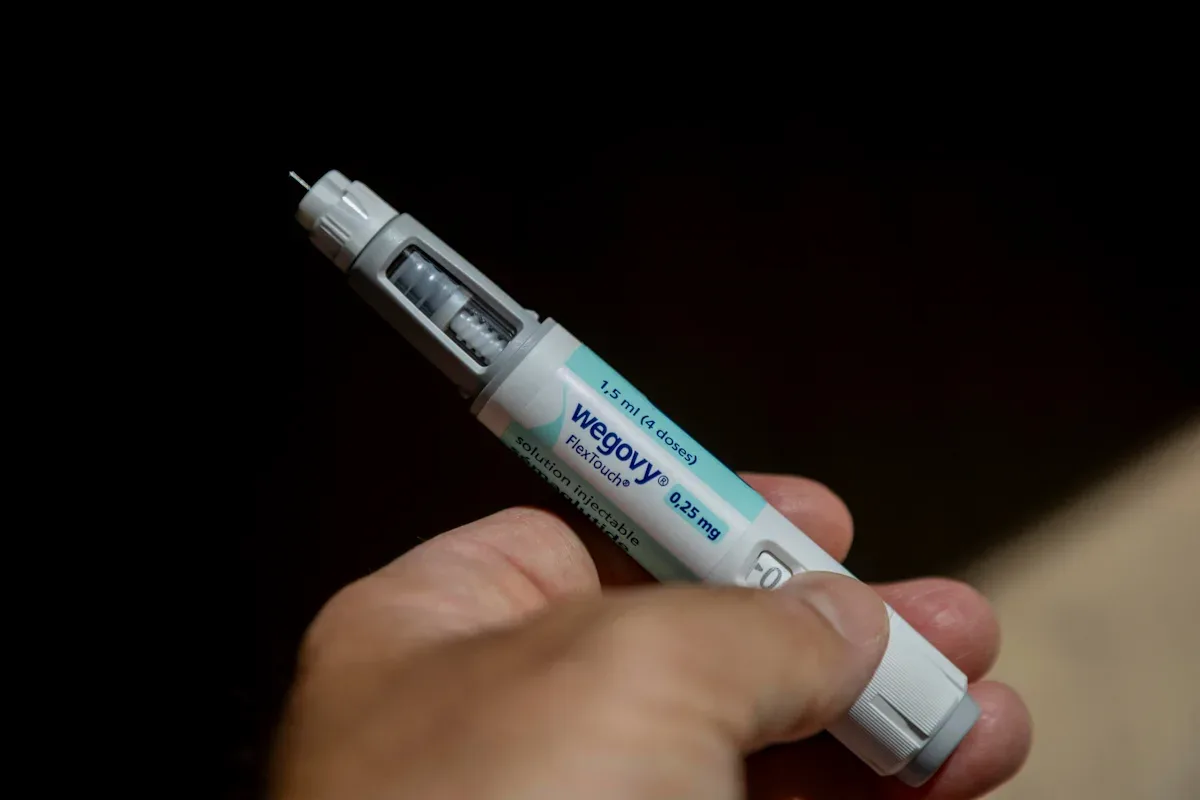
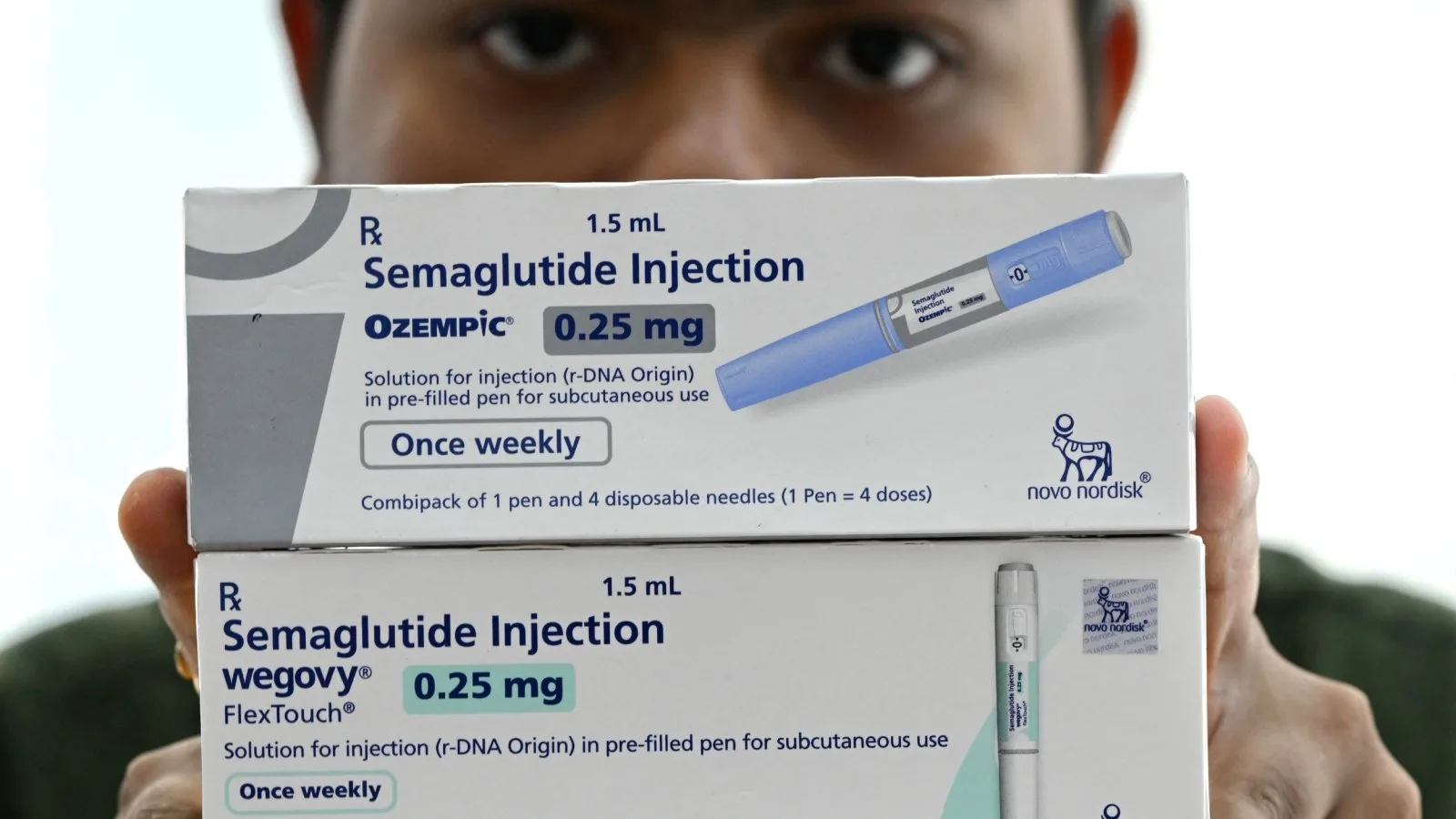
Several high-profile public figures, including Jeremy Clarkson, Dame Prue Leith, and Sharon Osbourne, have recently revealed they are using similar injectable weight-loss medications to manage their health. O'Donnell is part of this growing group of celebrities who have normalized the use of GLP-1 agonists for both diabetes management and obesity treatment in the public eye. These drugs have hit headlines in recent years due to their dramatic results, creating a trend where prescription medication is openly discussed in entertainment and media circles. While Mounjaro is the specific brand O'Donnell used, others may utilize semaglutide-based alternatives like Ozempic or Wegovy depending on their prescription needs. This visibility helps destigmatize the use of peptide therapy for metabolic health conditions among the general population.
The comparison between different drugs is often a topic of interest for those following these stories. While Mounjaro targets both GIP and GLP-1 receptors, other drugs focus primarily on GLP-1. This difference can influence efficacy and side effect profiles for different individuals. The public interest in these medications has led to increased demand, which has occasionally resulted in supply shortages for patients with legitimate medical needs.
Understanding the landscape of available treatments is essential for patients navigating their options. Consulting with a healthcare provider to determine which medication aligns best with individual health profiles remains the standard of care. Celebrity endorsements can raise awareness, but medical advice should always take precedence over public trends.
How Can Patients Track Weight Loss and Symptoms Safely?
Patients utilizing potent medications like Mounjaro should prioritize consistent monitoring of their weight, dosage, and side effects to ensure long-term safety and efficacy. Professional medical guidance is essential, but digital tools can help individuals visualize their progress and identify patterns that might indicate adverse reactions or plateauing results. Platforms like Shotlee allow users to log their symptoms, track their injection schedule, and monitor weight fluctuations over time to share accurate data with their healthcare providers. This structured approach helps prevent the "yo-yo" effect often seen after stopping the medication and ensures that any nutritional deficiencies are caught early. By maintaining a detailed health record, patients can make informed decisions about dose adjustments and lifestyle changes alongside their treatment plan.
Tracking symptoms such as nausea, digestive changes, or fatigue is particularly important during the titration phase of treatment. These side effects often subside as the body adjusts, but documenting them helps doctors determine if adjustments are necessary. Consistency in logging data ensures that the medical team has a complete picture of the patient's response to the therapy.
Regular check-ins with a healthcare provider should accompany any self-tracking efforts. Combining professional oversight with personal data management creates a robust safety net for patients on long-term peptide therapy. This dual approach maximizes the benefits of the medication while minimizing potential risks.
Practical Takeaways for Patients
- Medical Supervision: Always consult a doctor before starting GLP-1 or tirzepatide medications to ensure they are appropriate for your health history.
- Expect Physical Changes: Be prepared for potential excess skin or facial changes if you anticipate significant weight loss.
- Track Your Data: Use tools like Shotlee to log doses and symptoms to share with your medical team.
- Mental Health: Acknowledge the psychological impact of "food noise" and seek support if emotional eating is a concern.
- Cost Awareness: Understand that cosmetic procedures to address weight loss side effects can be expensive and may not be covered by insurance.
Drug Comparison Overview
| Feature | Mounjaro (Tirzepatide) | Ozempic (Semaglutide) |
|---|---|---|
| Active Ingredient | Tirzepatide | Semaglutide |
| Receptor Target | GLP-1 and GIP | GLP-1 Only |
| Dosing Frequency | Once Weekly | Once Weekly |
| Primary Indication | Type 2 Diabetes & Obesity | Type 2 Diabetes & Weight Management |
| Weight Loss Potential | High (Dual Agonist) | High (Single Agonist) |
Conclusion
Rosie O'Donnell's public disclosure about her use of Mounjaro offers a valuable case study in the real-world application of modern weight-loss medications. Her experience highlights the profound impact these drugs can have on metabolic health, diabetes management, and quality of life. However, her story also serves as a reminder of the complex physical and psychological adjustments that accompany significant weight reduction. By discussing the costs of surgery, the nature of "food noise," and the importance of body autonomy, she provides a nuanced perspective that goes beyond simple success metrics. For patients considering similar treatments, her journey underscores the need for comprehensive medical support, realistic expectations, and a commitment to long-term health tracking.
Frequently Asked Questions
1. What is the primary difference between Mounjaro and Ozempic?
Mounjaro contains tirzepatide, which acts as a dual agonist targeting both GLP-1 and GIP receptors, whereas Ozempic contains semaglutide, which targets only the GLP-1 receptor. This dual mechanism in Mounjaro is believed to contribute to potentially greater weight loss efficacy in some patients compared to semaglutide-based treatments.
2. Can Mounjaro be used for weight loss without Type 2 diabetes?
Yes, Mounjaro is approved for the treatment of obesity under the brand name Zepbound in the United States, allowing it to be prescribed for weight management even in patients without Type 2 diabetes, provided they meet specific BMI criteria.
3. How long does it typically take to see results from Mounjaro?
Patients often begin to see initial weight loss results within the first few weeks of treatment, but significant and sustained results typically require several months of consistent use alongside dietary changes and lifestyle modifications.
4. Is the cost of Mounjaro covered by insurance?
Insurance coverage varies significantly by provider and region. While it is often covered for Type 2 diabetes, coverage for weight loss indications can be limited or require prior authorization, so patients should verify their specific plan details.
5. What are the common side effects of tirzepatide?
The most common side effects include nausea, vomiting, diarrhea, constipation, and abdominal pain. These symptoms are usually mild to moderate and tend to decrease over time as the body adjusts to the medication.