
The Rise of GLP-1 Medications and Emerging User Experiences
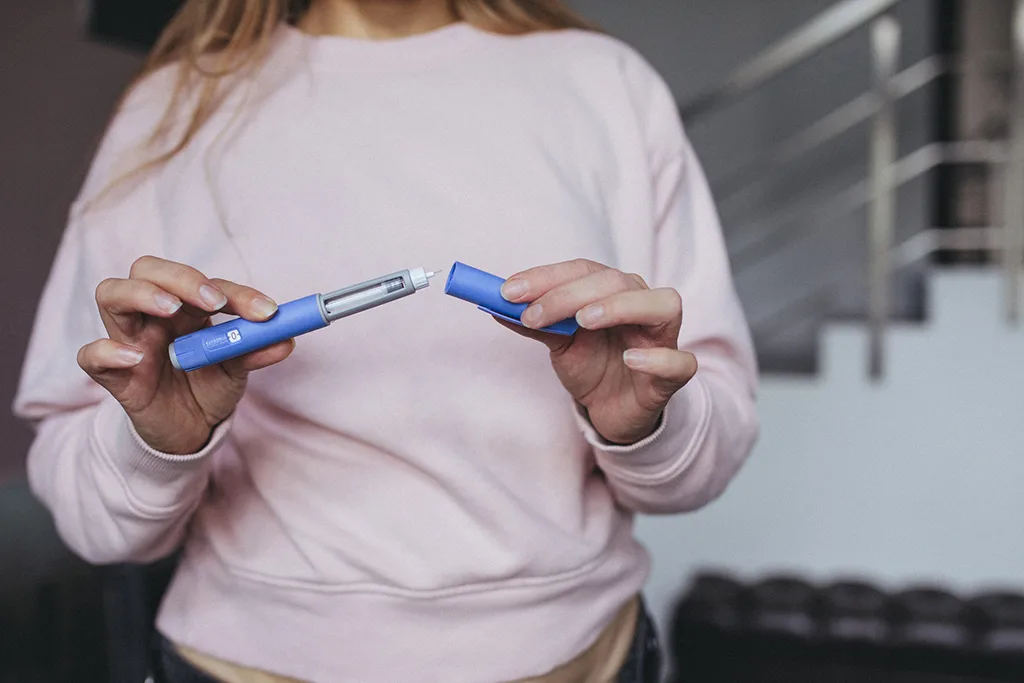
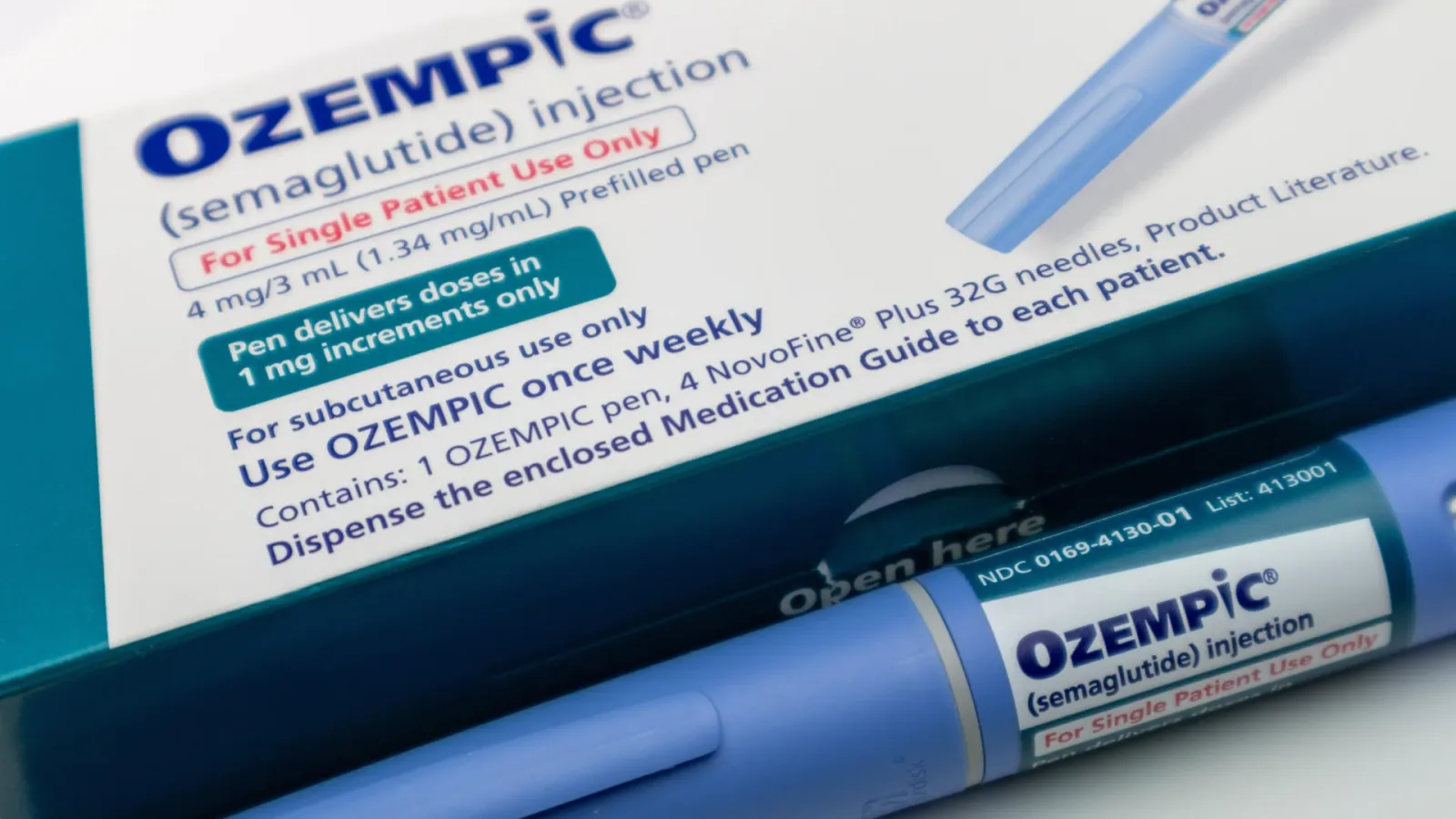
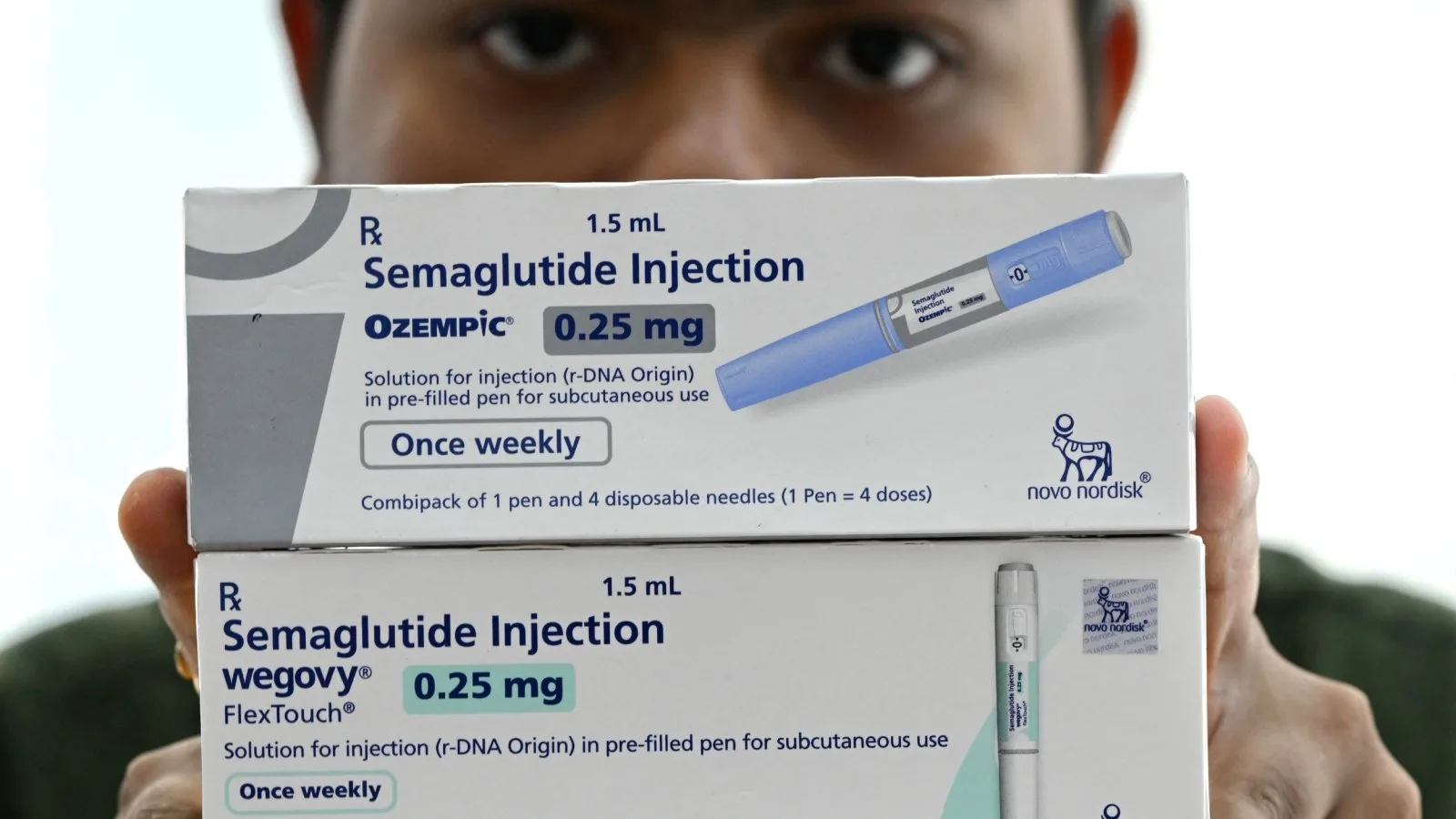
In recent years, Glucagon-Like Peptide-1 (GLP-1) receptor agonists have revolutionized the treatment of type 2 diabetes and obesity. Medications like semaglutide (marketed as Ozempic for diabetes and Wegovy for weight loss) and tirzepatide (marketed as Mounjaro for diabetes and Zepbound for weight loss) have demonstrated remarkable efficacy in helping individuals manage blood sugar levels and achieve significant weight loss. As these powerful medications become more widespread, a growing number of users are sharing their experiences online, leading to the emergence of new terminology to describe observed side effects.
Beyond the well-documented physical effects, such as weight loss and gastrointestinal discomfort, a more nuanced set of experiences is being reported. One such phenomenon, gaining traction on social media and in online forums, is the concept of "Ozempic personality." This term, while not a formal medical diagnosis, attempts to capture a cluster of emotional and motivational changes that some individuals report experiencing while on these GLP-1 medications.
What is 'Ozempic Personality'? Understanding Emotional Flattening
The term "Ozempic personality" describes a subjective experience where some users of GLP-1 medications report a perceived emotional flattening or a blunting of their usual emotional range. This can manifest as a reduced interest in foods they once found pleasurable, a diminished enthusiasm for hobbies and activities they previously enjoyed, or a general sense of feeling less motivated or engaged with life. Essentially, it's a feeling of experiencing life in a less vibrant or impactful way.
This phenomenon is closely related to the medical concept of **anhedonia**, which is the diminished ability to experience pleasure from activities that were once enjoyable. While anhedonia can be a symptom of various mental health conditions, its association with GLP-1 medications is a more recent observation stemming from user-reported experiences.
It's crucial to understand that "Ozempic personality" is not an official diagnosis found in medical textbooks. Instead, it's a colloquial term that arose organically from individuals sharing their lived experiences. These anecdotal accounts suggest that for a subset of users, the profound physiological changes brought about by GLP-1 agonists may also influence their emotional landscape.
Potential Mechanisms Behind Emotional Changes
While research specifically on the "Ozempic personality" phenomenon is still in its nascent stages, several scientific hypotheses attempt to explain how GLP-1 medications might influence mood and emotional responses.
The Gut-Brain Connection and GLP-1 Receptors
GLP-1 is a naturally occurring hormone produced in the intestines that plays a vital role in regulating appetite and blood sugar. However, GLP-1 receptors are not confined to the digestive system; they are also found in the brain, particularly in areas associated with reward, mood, and appetite control, such as the hypothalamus and the nucleus accumbens. This widespread distribution suggests that GLP-1 agonists can exert direct effects on the central nervous system.
Impact on Reward Pathways
One leading theory suggests that GLP-1 medications may modulate the brain's reward pathways. By reducing cravings for food and altering the way the brain perceives food-related pleasure, these medications might inadvertently dampen the response to other rewarding stimuli as well. This could explain the reported loss of interest in foods and, potentially, other enjoyable activities that were previously associated with pleasure and reward.
Appetite Regulation and Emotional Well-being
The primary mechanism of GLP-1 agonists is their powerful effect on appetite. They slow gastric emptying, increase satiety, and reduce hunger signals. For individuals who previously found comfort or pleasure in eating, or whose emotional state was significantly influenced by food intake, the drastic reduction in appetite and the altered relationship with food could lead to a shift in their emotional experience. The absence of food-related highs and lows might create a more neutral emotional state.
Physiological Changes and Mood
Significant weight loss itself can have profound psychological effects. As individuals experience rapid physical changes, their self-perception, energy levels, and overall mood can be impacted. While often positive, these shifts can also be disorienting and may contribute to altered emotional states.
Individual Variability
It's essential to acknowledge that not everyone taking GLP-1 medications experiences these emotional changes. Individual responses can vary significantly due to genetic factors, pre-existing mental health conditions, lifestyle, and the specific dosage and duration of treatment. The "Ozempic personality" is a reported experience, not a universal outcome.
Navigating Emotional Changes While on GLP-1 Therapy
For individuals experiencing "Ozempic personality" or anhedonia while on GLP-1 therapy, it's important to approach these changes with a proactive and informed mindset. Open communication with healthcare providers is paramount.
Consult Your Healthcare Provider
If you notice significant changes in your mood, motivation, or enjoyment of life, the first and most crucial step is to discuss these concerns with your prescribing physician. They can help determine if these feelings are related to the medication, another underlying condition, or a combination of factors. Your doctor can assess your overall health, review your medication regimen, and offer appropriate guidance.
Symptom Tracking with Shotlee
Utilizing tools like the Shotlee app can be invaluable in tracking your progress and any emerging symptoms. By diligently logging your medication doses, any physical side effects, and importantly, your mood and emotional state, you can provide your healthcare provider with objective data. This detailed health tracking can help pinpoint patterns and correlations that might otherwise be missed, aiding in a more accurate diagnosis and management plan.
Assess Lifestyle Factors
While medication can be a significant factor, lifestyle plays a crucial role in emotional well-being. Consider:
Precision tracking for your journey
Join thousands using Shotlee to accurately track GLP-1 medications and side effects.
📱 Get the Shotlee App
Track your GLP-1 medications, peptides, and health metrics on the go with our mobile app!
- Social Connection: Actively seek out social interactions and maintain relationships.
- Physical Activity: Engage in regular exercise, even if motivation is low. Physical activity is a known mood booster.
- Mindfulness and Hobbies: Re-engage with activities you once loved, even if the initial enjoyment is diminished. Try to find new hobbies or interests.
- Sleep and Nutrition: Ensure adequate sleep and a balanced diet, which are foundational for mental health.
Consider Medication Adjustments or Alternatives
In some cases, your doctor might consider adjusting your GLP-1 medication dosage, switching to a different GLP-1 agonist, or exploring alternative weight loss or diabetes management strategies if the emotional side effects are significantly impacting your quality of life. It's a collaborative process to find the treatment that best balances efficacy with well-being.
The Broader Context: GLP-1s, Weight Loss, and Well-being
The journey of weight loss and chronic disease management is complex and multifaceted. GLP-1 medications represent a significant advancement, offering hope and tangible results for many. However, as with any powerful therapeutic intervention, a holistic approach is necessary, one that considers not just physical health but also emotional and psychological well-being.
The emergence of terms like "Ozempic personality" highlights the importance of patient-reported outcomes and the need for ongoing dialogue between patients, researchers, and clinicians. While the scientific understanding of these emotional effects is still evolving, acknowledging and addressing them is crucial for ensuring that the benefits of these medications outweigh any potential drawbacks.
The goal of treatment should always be to improve overall health and quality of life. For some, this may involve managing the emotional landscape alongside the physical transformations facilitated by GLP-1 therapy. With careful monitoring, open communication, and a supportive healthcare team, individuals can navigate these changes and achieve their health goals while maintaining their emotional vitality.
Conclusion
The "Ozempic personality" is a user-generated term describing the emotional flattening and reduced interest in activities that some individuals report experiencing while taking GLP-1 medications like Ozempic, Wegovy, Mounjaro, and Zepbound. While not a formal medical diagnosis, it points to potential effects on the brain's reward pathways and emotional regulation. Understanding these experiences, communicating openly with healthcare providers, and utilizing tools for health tracking can help individuals manage these changes effectively. The continued research and dialogue surrounding these effects are vital for optimizing the use of these transformative medications and ensuring comprehensive patient well-being.
Frequently Asked Questions
Q1: Is "Ozempic personality" a recognized medical condition?
A1: No, "Ozempic personality" is not a recognized medical condition or a formal diagnosis. It's a colloquial term that emerged from online discussions and user-reported experiences to describe a perceived emotional flattening or blunting of emotions associated with GLP-1 medications.
Q2: What is anhedonia, and how might it relate to GLP-1 medications?
A2: Anhedonia is the diminished ability to experience pleasure from activities that were once enjoyable. Some users of GLP-1 medications report experiencing a form of anhedonia, which may be linked to the medication's effects on the brain's reward pathways, potentially by altering how pleasure signals are processed.
Q3: Why might GLP-1 medications cause emotional flattening?
A3: While research is ongoing, theories suggest that GLP-1 medications may influence the brain's reward circuits, reduce cravings for food-related pleasures, and alter the perception of other rewarding stimuli. Significant physiological changes from weight loss can also indirectly impact mood and emotional responses.
Q4: Should I stop taking my GLP-1 medication if I experience emotional changes?
A4: It is crucial not to stop or alter your medication dosage without consulting your healthcare provider. If you experience emotional changes, discuss them with your doctor. They can assess the situation, determine the cause, and recommend appropriate adjustments or management strategies.
Q5: How can I manage emotional flattening while on GLP-1 therapy?
A5: Managing emotional flattening involves open communication with your doctor, diligent health tracking (e.g., using apps like Shotlee to log mood and symptoms), maintaining social connections, engaging in physical activity, practicing mindfulness, and ensuring adequate sleep and nutrition. Your doctor may also consider medication adjustments if necessary.