
In a significant legal development within the pharmaceutical industry, Novo Nordisk has filed a lawsuit against its arch-rival Eli Lilly, alleging that the American company used false and materially misleading advertising for its weight-loss and anti-diabetes treatments. This legal action marks a pivotal moment in the competition between the two giants of the GLP-1 market, as both companies vie for dominance in the rapidly expanding obesity treatment sector. The Danish pharmaceutical heavyweight claims that Eli Lilly intentionally selected outdated studies to make its competing medications appear more effective than they actually are. This dispute centers on the integrity of public health information and the responsibility of healthcare companies to ensure their marketing reflects the latest scientific evidence accurately. As new treatment options become available, the clarity of this information becomes critical for patients making informed care decisions about their health.
Why Is Novo Nordisk Suing Eli Lilly Over Advertising?
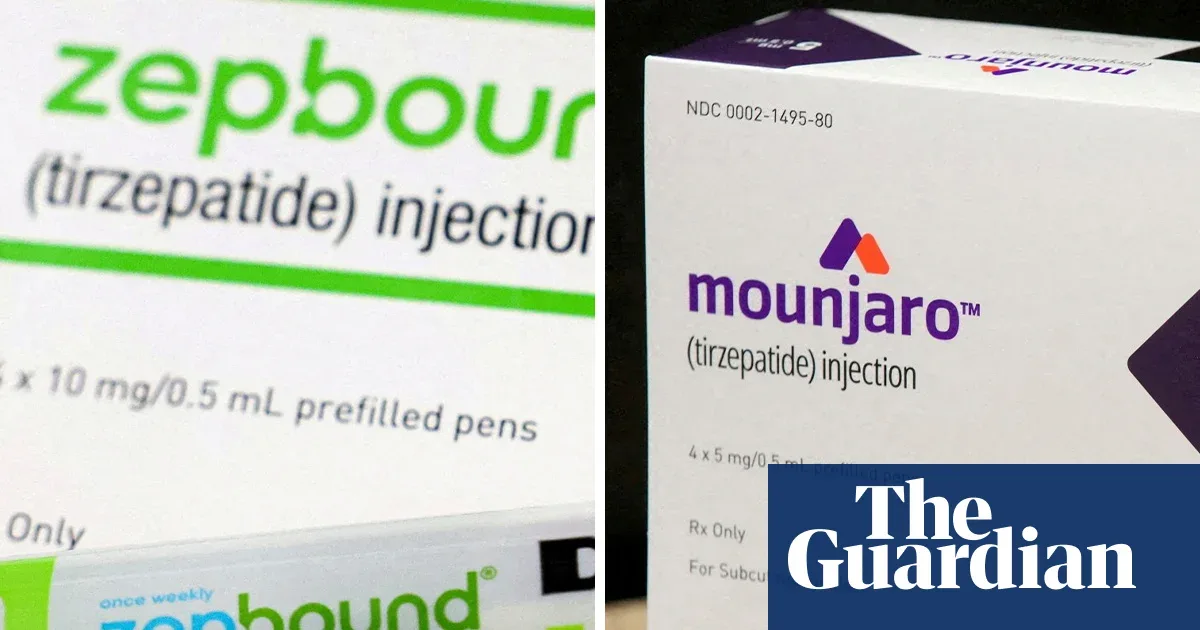
Novo Nordisk has filed a lawsuit against Eli Lilly, claiming the American pharmaceutical company used deceptive advertising tactics to promote its weight-loss treatments. Specifically, the Danish firm argues that Eli Lilly intentionally selected outdated studies to compare its highest drug doses against lower doses of Novo Nordisk's medications. This strategy allegedly created a misleading impression of broad superiority for drugs like Zepbound and Mounjaro. Novo Nordisk contends that burying critical clinical context in fine print does not excuse the widespread confusion caused by national campaigns aired during major sporting events. The core issue revolves around the integrity of patient information when selecting between competing GLP-1 and dual-agonist therapies. Ultimately, the legal battle highlights the intense competition for dominance in the rapidly expanding obesity treatment market.
The target of Novo Nordisk's legal action is a specific advertising campaign that was aired during recent, widely viewed global sporting broadcasts and on social media platforms like TikTok and Facebook. The Danish group stated that these campaigns caused widespread confusion among consumers who are already navigating complex treatment options. John F Kuckelman, Novo Nordisk's general counsel, emphasized that healthcare companies have a responsibility to keep their public claims accurate and current. He noted that ineffective, fine-print disclaimers do not fix the misleading impression created by major national campaigns. This sentiment suggests that the lawsuit is not just about financial stakes but also about ethical standards in pharmaceutical marketing.
Eli Lilly responded to these serious accusations with a firm statement defending their advertising campaign and the data behind it. An Eli Lilly spokesperson added that rather than competing on the merits of its products, Novo is asking a court to prevent Lilly from communicating the results of this trial. They firmly stand by their advertising campaign, asserting that their claims are based on valid scientific evidence. This back-and-forth highlights the high stakes involved, as billions of dollars in revenue are tied to the perceived efficacy of these brand-name medications. The outcome of this case could set a precedent for how pharmaceutical companies are allowed to present comparative data in the future.
What Are the Key Differences Between Semaglutide and Tirzepatide?
Semaglutide and tirzepatide represent two distinct classes of injectable medications designed to regulate blood sugar and promote weight loss. Semaglutide functions as a glucagon-like peptide-1 agonist, targeting receptors that mimic the natural hormone GLP-1 to reduce appetite and slow gastric emptying. In contrast, tirzepatide is a dual agonist that activates both GLP-1 and glucose-dependent insulinotropic polypeptide receptors, potentially offering a broader metabolic effect. These medications are prescribed for type 2 diabetes management and chronic weight management in adults with obesity. While both drugs have shown significant efficacy in clinical trials, they differ in their molecular structure and receptor binding profiles. Patients often weigh these biological differences against side effect profiles and dosing schedules when making treatment decisions with their healthcare providers.
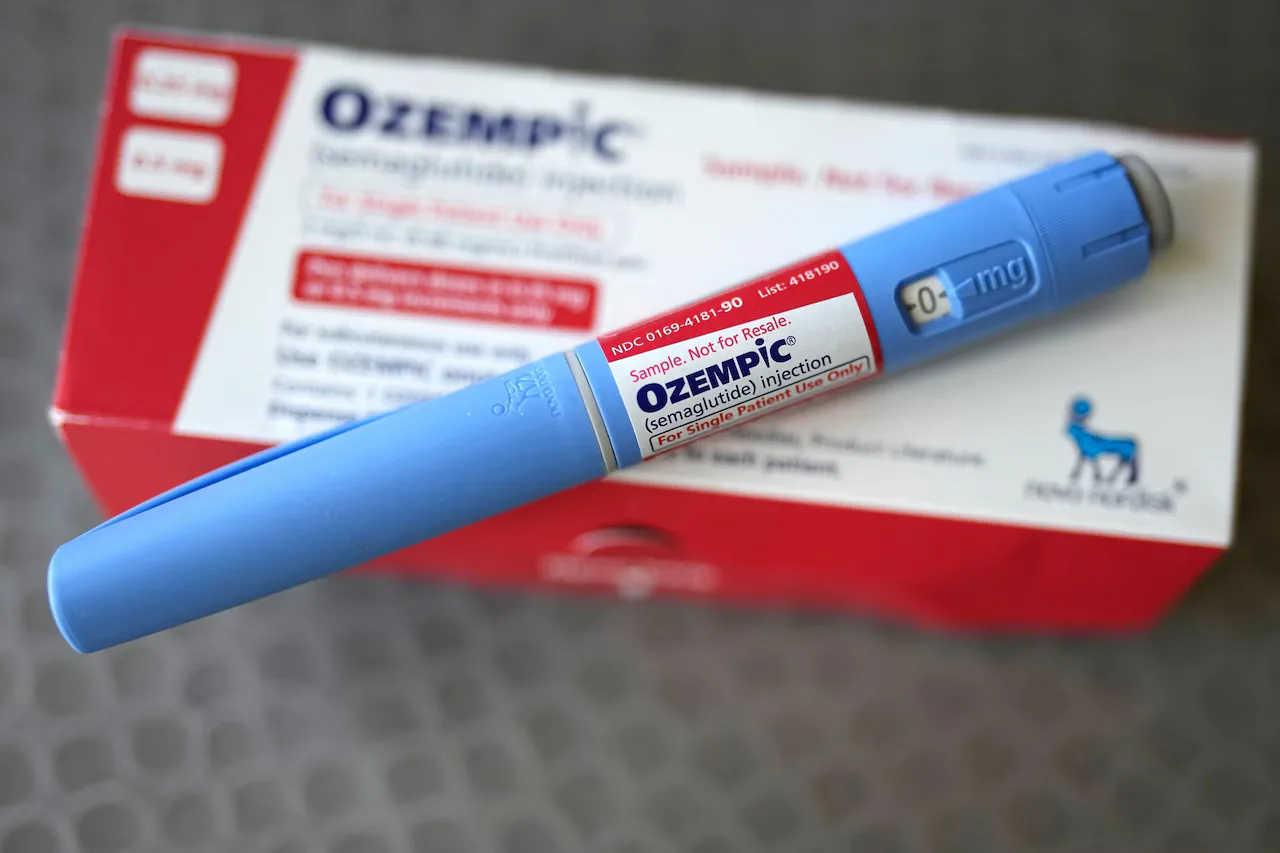
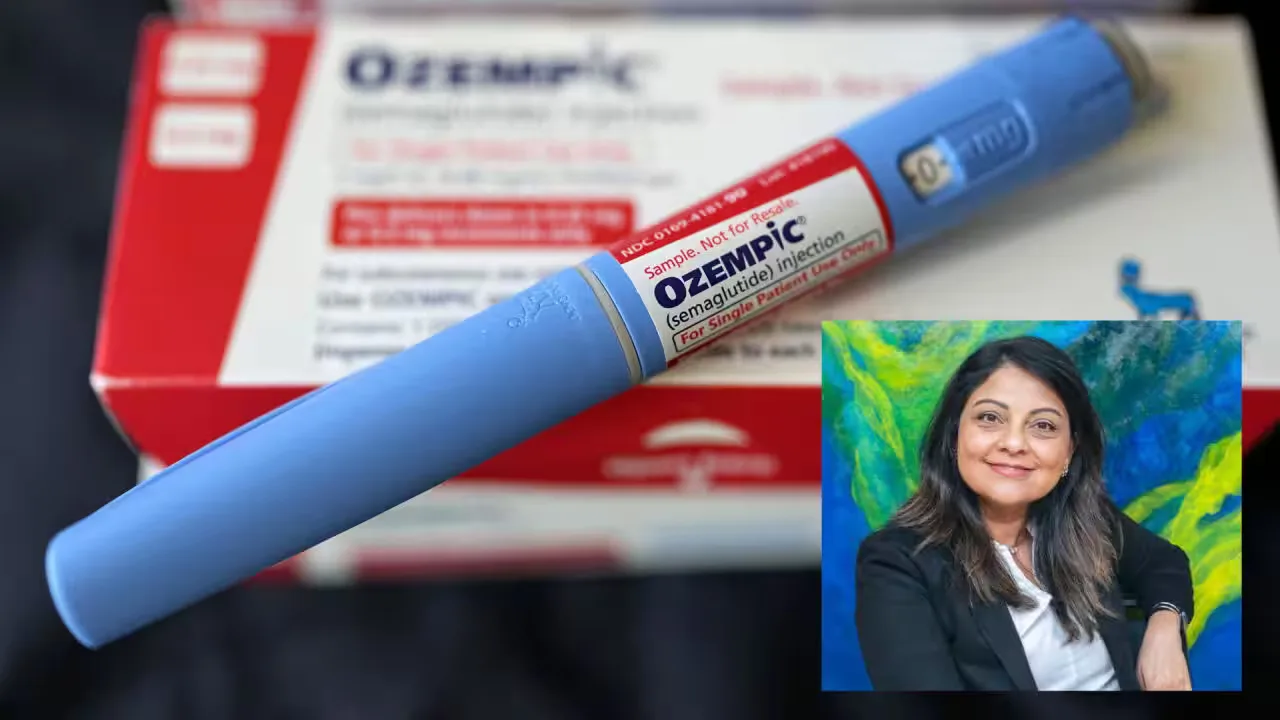
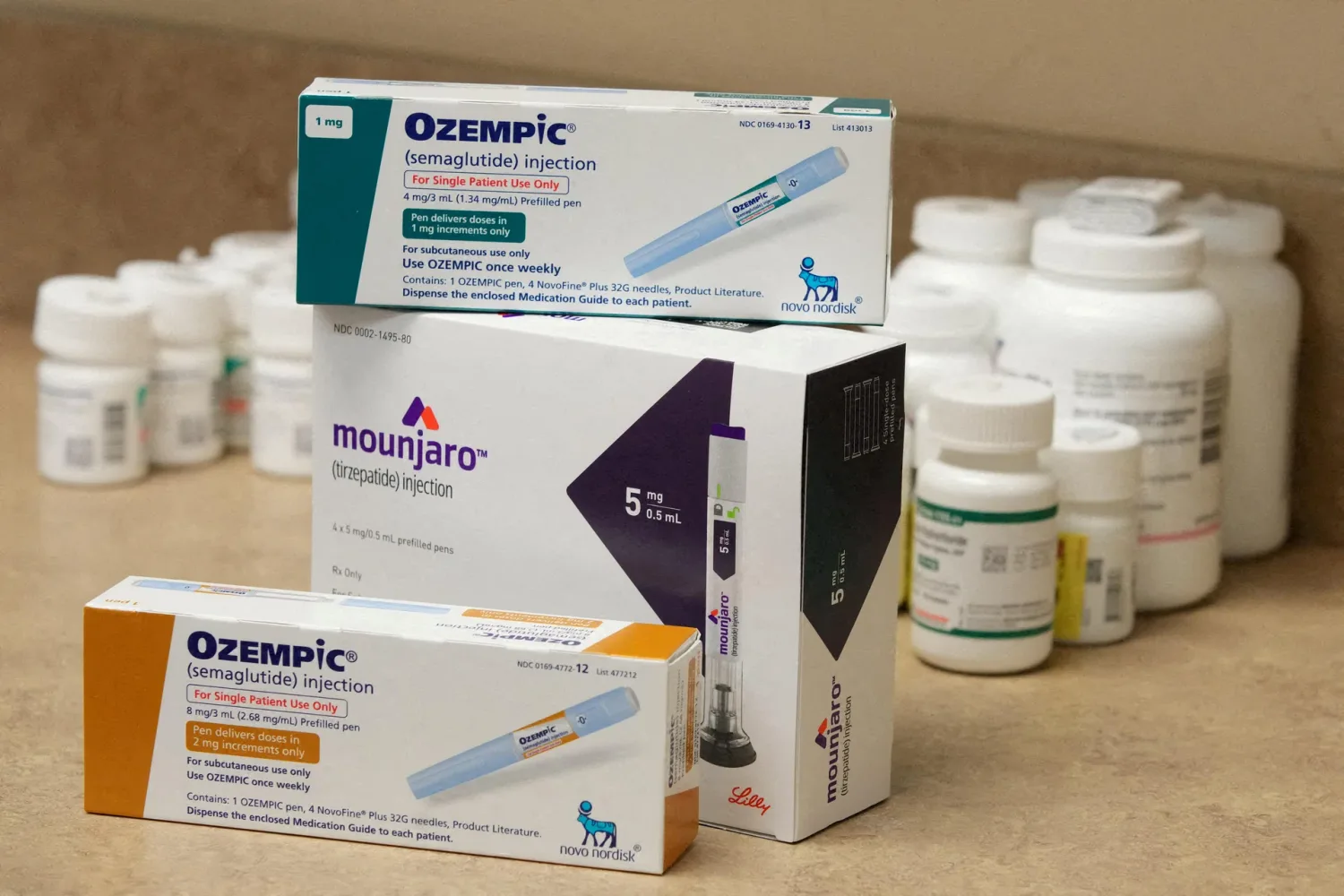
The competing drugs are a financial windfall for each of the pharmaceutical companies, driving significant investment in research and development. Novo Nordisk has developed a molecule called semaglutide, which is marketed under brand names such as Ozempic and Wegovy. Eli Lilly developed the rival molecule tirzepatide, sold as Mounjaro and Zepbound. The mechanism of action for tirzepatide involves mimicking two hormones, which may result in different weight loss trajectories compared to the single-hormone mimicry of semaglutide. Understanding these mechanisms helps patients and doctors understand why one medication might be preferred over the other for specific metabolic needs.
Anti-obesity treatments mimic a hormone secreted by the intestines, GLP-1, which plays a crucial role in appetite regulation. They can be used for weight loss and/or to treat type 2 diabetes, the most common form of the disease. The distinction between the two molecules is vital when discussing the lawsuit, as the comparison of their efficacy is the heart of the dispute. Patients should be aware that while both are effective, the biological pathways they engage differ, which can influence individual response rates and side effects.
How Does the Surmount-5 Trial Compare Semaglutide and Tirzepatide?
The legal dispute centers on the validity of the Surmount-5 clinical trial results used in Eli Lilly's marketing materials. Eli Lilly asserts that this study is the only direct, head-to-head randomized clinical trial comparing tirzepatide and semaglutide specifically for weight management purposes. However, Novo Nordisk argues that the trial design unfairly compared different dosage strengths rather than equivalent therapeutic levels. This discrepancy raises questions about how clinical data should be presented to the public to ensure accurate health decisions. The trial results showed significant weight reduction for both groups, but the interpretation of the magnitude of difference remains contentious. Understanding the nuances of trial design is crucial for interpreting why one drug might appear more effective than another in commercial advertising versus peer-reviewed scientific literature.
Precision tracking for your journey
Join thousands using Shotlee to accurately track GLP-1 medications and side effects.
📱 Get the Shotlee App
Track your GLP-1 medications, peptides, and health metrics on the go with our mobile app!
An Eli Lilly spokesperson added that the trial underpins their advertising, known as Surmount-5, is the only direct, head-to-head randomised clinical trial comparing tirzepatide and semaglutide in the context of weight management. Novo Nordisk complained that the US group - which makes rival weight-loss treatments Zepbound and Mounjaro - "intentionally selected outdated studies" that compared Lilly's highest doses against lower doses of Novo Nordisk's medicines. This specific allegation regarding dosage comparison is critical because it suggests the data might have been cherry-picked to favor one product over the other.
| Feature | Semaglutide (Novo Nordisk) | Tirzepatide (Eli Lilly) |
|---|---|---|
| Drug Class | GLP-1 Receptor Agonist | Dual GLP-1 and GIP Agonist |
| Brand Names | Ozempic, Wegovy | Mounjaro, Zepbound |
| Primary Mechanism | Mimics GLP-1 hormone | Mimics GLP-1 and GIP hormones |
| Alleged Trial Issue | Competing against higher doses | Claims head-to-head superiority |
What Does This Legal Dispute Mean for Patients Choosing Weight Loss Medication?
For patients currently using or considering these medications, this lawsuit underscores the importance of verifying medical claims with independent sources. Healthcare providers must navigate conflicting marketing messages to recommend the most appropriate therapy based on individual health needs rather than brand popularity. Patients should ask detailed questions about trial data and dosing strategies to understand the evidence behind prescription choices. Regulatory bodies like the FDA review these claims, but marketing campaigns often reach consumers before clinical guidelines are fully established. It is vital for individuals to rely on their medical team for personalized advice rather than social media or television advertisements alone. This legal action may eventually lead to stricter regulations on how pharmaceutical companies compare their products in public communications.
As new and more effective treatment options become available, people deserve accurate information that reflects the latest scientific evidence and helps them make informed care decisions. The target of the Danish group's wrath is an advertising campaign that was "aired during recent, widely viewed global sporting broadcasts and on TikTok and Facebook, causing widespread confusion". Patients exposed to these ads may feel pressured to choose a specific brand based on perceived superiority that is legally contested.
To help navigate this complexity, patients should consider the following questions when discussing options with their doctors:
- What specific clinical trials support the recommended medication?
- How does the dosing schedule compare between my options?
- What are the known side effects for my specific health profile?
- Is there independent data comparing these drugs for my condition?
- How will my progress be monitored to ensure efficacy?
How Can Patients Track Progress While Navigating New Treatment Options?
Maintaining accurate health records is essential for patients undergoing GLP-1 or dual agonist therapy to monitor progress and side effects effectively. Tools like Shotlee allow users to track weight, dosage changes, and symptoms over time to provide actionable data for their physicians. Consistent logging helps identify trends that might not be immediately obvious during routine check-ups, ensuring that treatment adjustments are timely and informed. When legal or marketing confusion arises regarding efficacy, having personal health data provides a clear baseline for evaluating individual response to medication. This personalized approach empowers patients to engage more deeply with their treatment plans and maintain accountability for their health goals. Ultimately, combining medical supervision with diligent self-tracking leads to better long-term outcomes.
Tracking progress is not just about the number on the scale but also involves monitoring how the medication affects daily life and overall health. By using digital health tools, patients can create a comprehensive picture of their journey that supplements clinical visits. This data can be particularly useful if treatment plans change due to the outcome of the lawsuit or new clinical findings. Keeping detailed logs ensures that any healthcare provider can see the full history of the treatment, regardless of brand switching or dosage adjustments.
Conclusion
The lawsuit between Novo Nordisk and Eli Lilly represents a critical juncture in the pharmaceutical industry's approach to marketing weight-loss medications. It highlights the tension between aggressive commercial promotion and the ethical obligation to provide accurate, unambiguous medical information. For patients, the takeaway is to remain vigilant, consult trusted medical professionals, and rely on personal health data rather than advertising narratives alone. As the legal proceedings unfold, the industry may see a shift toward more standardized and transparent comparative advertising. Until then, the focus must remain on individualized care and evidence-based decision-making to ensure the best possible health outcomes for those battling obesity and type 2 diabetes.