
Ozempic Weight Loss: Why Your Body Needs One More Key Step
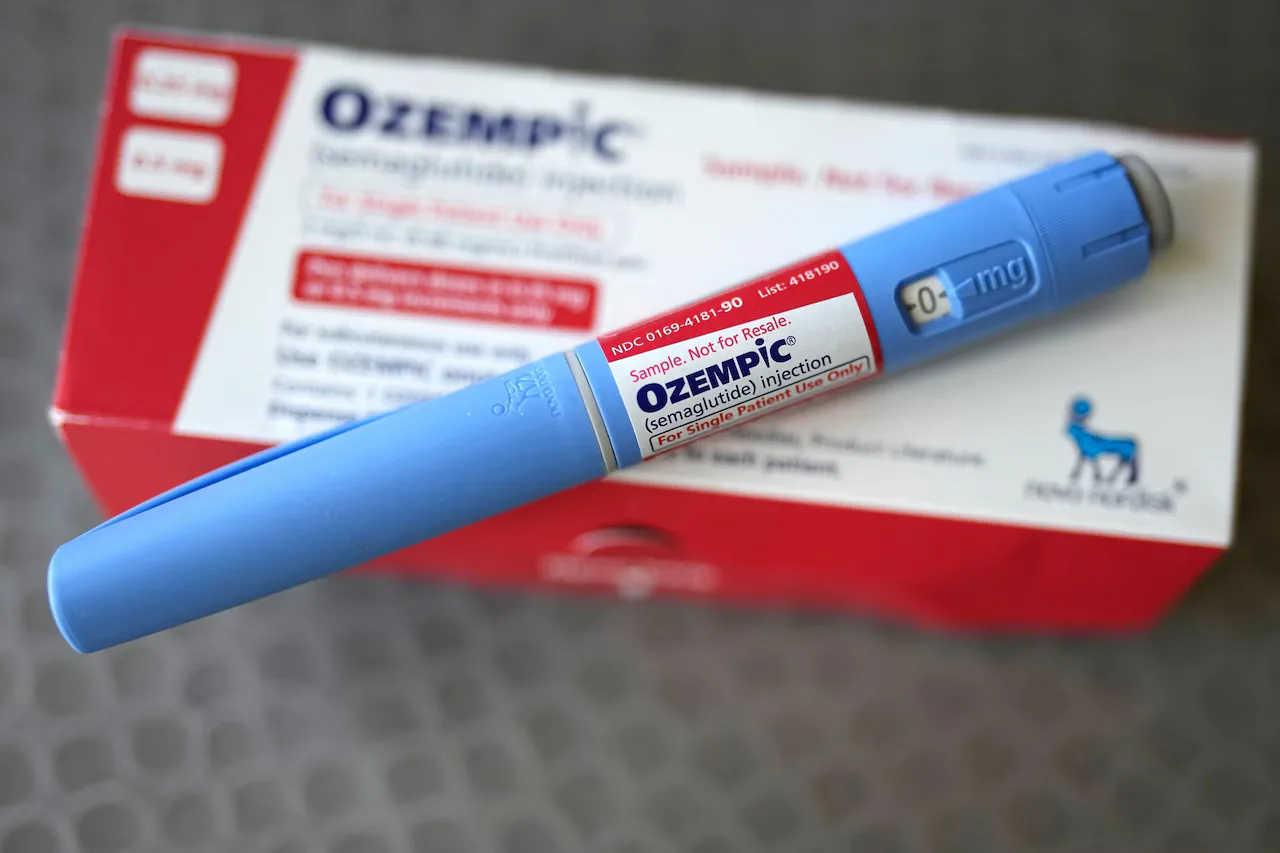
Few medicines have captured the public imagination quite like Ozempic in recent years. Part of a newer class of medications known as GLP-1 receptor agonists, it has quickly transitioned from a prescription for type 2 diabetes to a household name associated with significant weight loss. However, beyond the headlines and social media trends, a critical question remains: what exactly is Ozempic, and how does it actually work within the human body?
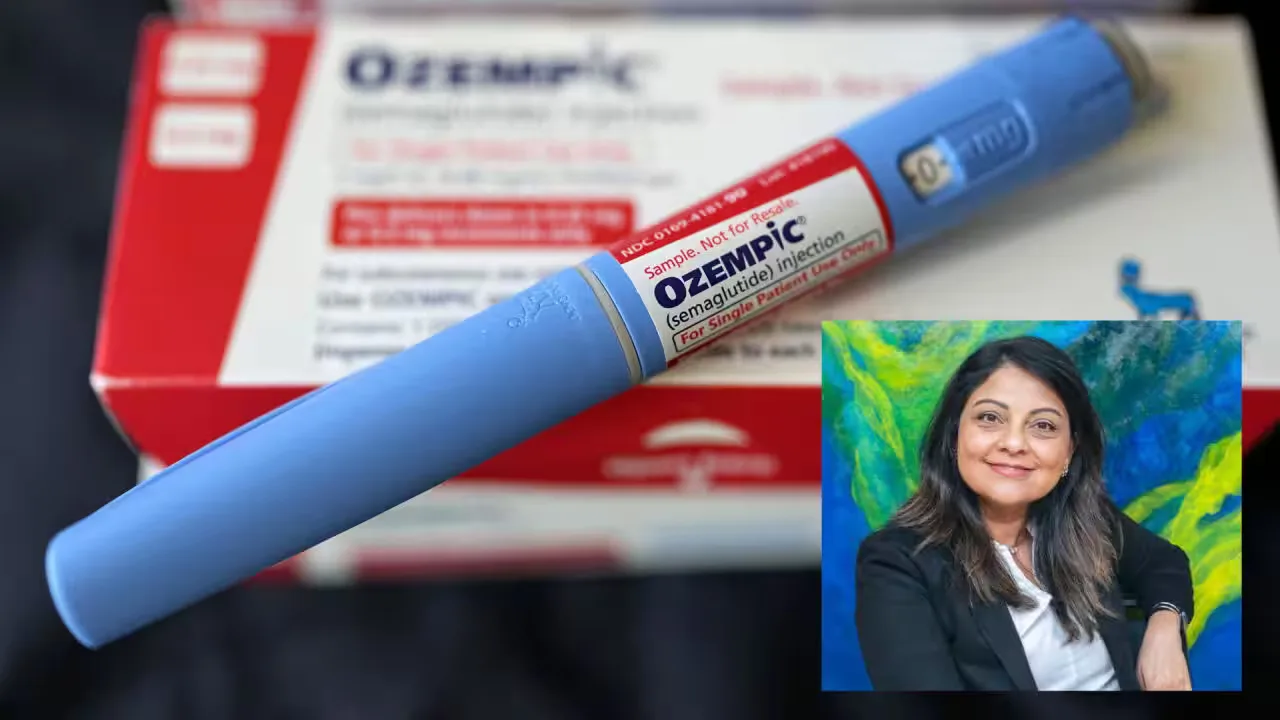
In a recent discussion with medical expert Dr. Shilpa Verma, the conversation moved past the hype to address the nuance of treatment. While the drug effectively alters appetite and metabolic signals, Dr. Verma highlights a crucial insight: medication alone is rarely enough for real, lasting results. Your body needs one more key step to ensure the weight stays off and your health improves holistically.
This article explores the science behind semaglutide, the safety profile of GLP-1 therapies, and the essential lifestyle integration required to maximize benefits. We also discuss how modern health tracking tools can support this journey, ensuring you remain informed and engaged throughout your treatment.
Understanding the Ozempic Phenomenon
To understand why Ozempic is so effective, we must first look at its active ingredient: semaglutide. Semaglutide belongs to a class of drugs called glucagon-like peptide-1 (GLP-1) receptor agonists. Naturally, your body produces GLP-1 hormones in the gut, which signal the brain to feel full after eating.
How Semaglutide Works
When administered as a weekly injection, semaglutide mimics this natural hormone. It binds to receptors in the brain that regulate appetite, sending stronger signals of satiety. This reduces the urge to overeat and helps individuals feel satisfied with smaller portions. Additionally, it slows down gastric emptying, meaning food stays in the stomach longer, further contributing to that feeling of fullness.
However, this physiological shift is only half the equation. While the medication changes the biological drive to eat, it does not automatically retrain habits or address the psychological relationship with food. This is where the "one more key step" discussed by experts becomes vital.
The Critical "One More Key Step"
Dr. Shilpa Verma emphasizes that while Ozempic provides a powerful tool for weight management, it is not a standalone cure. The missing link for many users is the integration of sustainable lifestyle changes. Relying solely on the medication without adjusting diet and activity levels can lead to suboptimal outcomes.
Why Medication Alone Isn't Enough
Medication acts as a catalyst, lowering the barrier to entry for weight loss by managing hunger hormones. However, without conscious effort, the body may adapt, or muscle mass may be lost alongside fat. The "key step" involves:
- Nutritional Awareness: Learning to prioritize protein and fiber to support the reduced appetite without malnutrition.
- Movement: Engaging in physical activity to preserve lean muscle mass, which is crucial for long-term metabolic health.
- Behavioral Change: Addressing emotional eating triggers that the medication cannot fix on its own.
By combining the pharmacological benefits of semaglutide with these behavioral adjustments, patients can achieve a synergistic effect that leads to more robust and durable health improvements.
Navigating Safety and Side Effects
As with any potent medication, safety is a primary concern for patients considering GLP-1 therapies. While Ozempic is generally well-tolerated, understanding the side effect profile is essential for managing expectations and ensuring adherence to the treatment plan.
Precision tracking for your journey
Join thousands using Shotlee to accurately track GLP-1 medications and side effects.
📱 Get the Shotlee App
Track your GLP-1 medications, peptides, and health metrics on the go with our mobile app!
Common Gastrointestinal Concerns
The most frequently reported side effects are gastrointestinal in nature. These can include nausea, vomiting, diarrhea, and constipation. These symptoms often occur when starting the medication or when the dosage is increased. Most patients find that these effects subside over time as the body adjusts to the medication.
Long-Term Safety Data
Long-term studies continue to monitor the safety of semaglutide. Current data suggests that for most patients, the benefits of weight loss and cardiovascular risk reduction outweigh the risks. However, patients with a history of certain conditions, such as medullary thyroid carcinoma, should discuss this with their healthcare provider before starting treatment.
Comparison of Medication vs. Lifestyle Requirements
| Factor | Medication (Ozempic) | Lifestyle Intervention |
|---|---|---|
| Appetite Control | High (Hormonal regulation) | Moderate (Requires discipline) |
| Muscle Preservation | Low (Risk of loss without exercise) | High (With resistance training) |
| Sustainability | Dependent on continued use | Permanent habit change |
| Side Effects | Gastrointestinal issues common | Minimal (Physical strain only) |
| Cost | High (Monthly prescription) | Variable (Food and equipment) |
Sustaining Results Beyond the Prescription
One of the most significant challenges in weight loss treatment is what happens after the medication is stopped. Clinical trials have shown that when semaglutide is discontinued, appetite often returns to baseline levels, and some weight regain can occur.
The Risk of Weight Regain
This is why the "key step" of lifestyle integration is so critical. If a patient uses the time on medication to learn how to eat well, how to move their body, and how to manage stress, they build a foundation that supports them even after the drug is no longer in their system. The goal is to transition from a patient who relies on a drug to a person who relies on healthy habits.
Leveraging Technology for Better Outcomes
In the digital age, managing a complex treatment plan like GLP-1 therapy requires organization and monitoring. This is where health tracking technology plays a pivotal role. Tools like Shotlee can help patients stay connected to their health data, ensuring they are making the most of their treatment.
Tracking Symptoms and Progress with Shotlee
Managing side effects and dosage schedules can be overwhelming. Shotlee allows users to:
- Log Injections: Keep a precise record of when doses are taken to avoid missed or double doses.
- Monitor Symptoms: Track any gastrointestinal issues to share with your doctor during follow-ups.
- Track Metrics: Monitor weight, blood pressure, and other vitals to see the full picture of your health improvement.
By digitizing this data, patients can identify patterns, such as whether specific foods trigger nausea or if their energy levels correlate with their dosage schedule. This empowers patients to have more informed conversations with their healthcare providers.
Conclusion
Ozempic represents a significant advancement in the treatment of obesity and type 2 diabetes, offering hope to those who have struggled with traditional weight loss methods. However, as Dr. Shilpa Verma and other medical experts caution, the medication is a tool, not a magic wand. The "one more key step" involves committing to the lifestyle changes that support the medication's physiological effects.
By combining semaglutide with mindful nutrition, regular physical activity, and diligent health tracking, you can maximize your results and build a sustainable path to better health. Always consult with a qualified healthcare professional to determine if GLP-1 therapy is right for you and to create a comprehensive plan that addresses your unique needs.
Key Takeaways
- Ozempic (semaglutide) works by mimicking GLP-1 hormones to reduce appetite.
- Medication alone is insufficient; lifestyle changes are the critical "missing step".
- Gastrointestinal side effects are common but often temporary.
- Weight regain is possible after stopping medication without habit changes.
- Health tracking apps like Shotlee help manage doses and monitor progress.