
Greg Davies and the Reality of GLP-1 Weight Loss
Greg Davies, the 57-year-old comedian known for hosting Taskmaster and the upcoming BAFTA ceremony, recently opened up about a significant health transformation. After being advised by his GP regarding his weight, Davies utilized Ozempic to shed three stone (approximately 42 pounds). While the medical intervention achieved the desired physical reduction, Davies has since highlighted the complex aftermath of discontinuing the treatment.
His experience resonates with many individuals navigating weight loss through medication. Davies noted that while the weight came off, he felt "gaunt" and found his appetite never returned to its previous state. This candid disclosure offers a valuable case study for understanding the nuances of semaglutide therapy, the importance of body image during rapid weight shifts, and the necessity of long-term health tracking.
Understanding the Mechanism: How Ozempic and GLP-1s Work
To understand Davies' experience, it is essential to understand the medication class involved. Ozempic contains semaglutide, a GLP-1 receptor agonist. Originally developed to treat type 2 diabetes by managing blood sugar levels (HbA1c), its ability to promote weight loss has made it a mainstream solution for weight management.
The Biological Pathway
GLP-1 agonists function by mimicking the glucagon-like peptide-1 hormone naturally produced in the gut. This hormone signals the brain to reduce hunger and increases feelings of fullness (satiety). Additionally, semaglutide slows gastric emptying, meaning food stays in the stomach longer, further contributing to reduced calorie intake.
- Insulin Secretion: Stimulates insulin release when blood sugar is high.
- Glucose Production: Reduces the amount of glucose the liver produces.
- Digestion: Slows down the rate at which the stomach empties food.
Davies mentioned his GP cautioned him about his stature (6ft 8in) and weight, suggesting that without intervention, he would be considered obese. This highlights a critical medical decision: when lifestyle changes alone are insufficient, medication like Ozempic can be a necessary tool to mitigate health risks associated with excess adiposity.
The Post-Treatment Experience: Appetite and Body Composition
One of the most significant revelations from Davies' interview is the lingering effect on his appetite. He stated, "My appetite's never gone back to the way it was. I can't ram things in the way I used to." This observation is medically consistent with how GLP-1 therapy affects the body's hunger signals even after cessation.
Addressing the "Gaunt" Appearance
Davies described feeling "gaunt" after losing three stone. Rapid weight loss often results in a reduction of both fat mass and lean muscle mass. Without a dedicated resistance training and nutrition plan to preserve muscle, the body may lose structural integrity, leading to a thinner, less toned appearance.
This phenomenon underscores the importance of health tracking during and after therapy. Patients must monitor not just weight, but body composition. Tools that allow users to log physical changes alongside medication doses can help identify if muscle mass is being compromised.
Psychological Adjustments
For many, the psychological shift is as challenging as the physical one. Davies noted that he doesn't view aging as a fear, but the change in his physical form required an adjustment in his self-perception. This is common among patients on peptide therapy or hormonal treatments. The sudden change in silhouette can impact confidence and the way one relates to their own body image.
Precision tracking for your journey
Join thousands using Shotlee to accurately track GLP-1 medications and side effects.
📱 Get the Shotlee App
Track your GLP-1 medications, peptides, and health metrics on the go with our mobile app!
Comparing Weight Loss Medications: Semaglutide vs. Tirzepatide
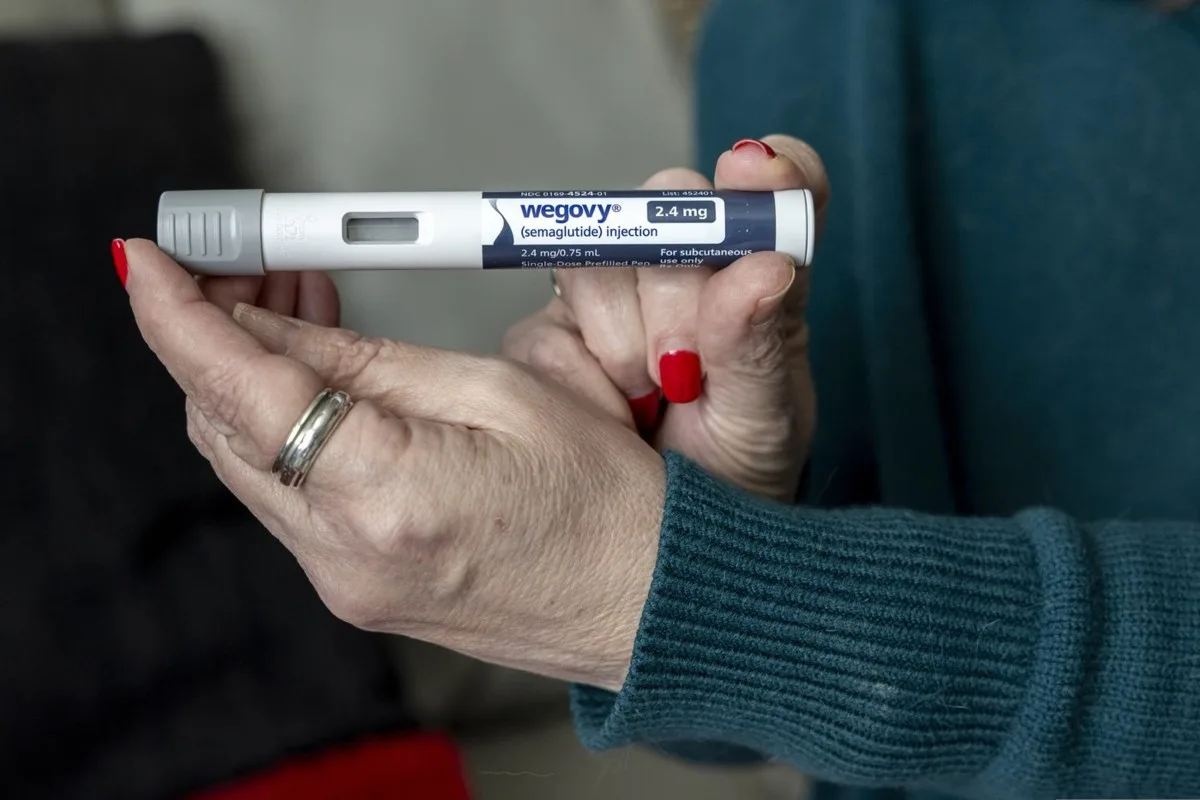
While Davies utilized Ozempic (semaglutide), the landscape of weight loss medication is expanding. Many patients are now considering alternatives like Wegovy (also semaglutide but FDA-approved for weight management) or Mounjaro (tirzepatide). Understanding the differences helps patients make informed decisions.
| Medication | Active Ingredient | Primary Use | Mechanism |
|---|---|---|---|
| Ozempic | Semaglutide | Type 2 Diabetes / Weight Loss | GLP-1 Agonist |
| Wegovy | Semaglutide | Chronic Weight Management | GLP-1 Agonist |
| Mounjaro | Tirzepatide | Type 2 Diabetes / Weight Loss | GLP-1 & GIP Agonist |
While Ozempic and Wegovy are chemically identical, the dosing and approval indications differ. Mounjaro, containing tirzepatide, acts on both GIP and GLP-1 receptors, which some studies suggest may lead to more significant weight reduction for certain individuals. However, the side effect profile regarding appetite suppression remains similar across this class of drugs.
The Importance of Monitoring and Maintenance
Davies' decision to discontinue the treatment after achieving his goals is a common scenario. However, stopping GLP-1 therapy often requires a strategic approach to prevent rapid weight regain. The body's metabolic rate may have adjusted during the period of medication use.
Why Tracking Matters
Patients navigating peptide therapy need to be vigilant about their long-term health. Simply stopping the medication without a maintenance plan can lead to the "yo-yo" effect. For patients using platforms like Shotlee, tracking data becomes crucial. By logging symptoms, dietary changes, and physical measurements, patients can spot trends that indicate a need for intervention before significant weight gain occurs.
Key metrics to monitor include:
- Weight Stability: Weekly weigh-ins to detect sudden shifts.
- Energy Levels: Monitoring fatigue which may indicate metabolic slowdown.
- Appetite Signals: Noting if hunger returns aggressively.
- Muscle Mass: Ensuring strength training is maintained.
Integrating Lifestyle Changes
Medication should be viewed as a bridge, not a permanent solution. Davies mentioned his comedic style often targets himself, including his past struggles with an enlarged prostate and his body dimensions. This self-awareness is a positive trait in health management. Acknowledging that medication is a tool helps patients maintain a realistic perspective on their health journey.
Practical Takeaways for Patients on Weight Loss Therapy
Greg Davies' story serves as a reminder that medical intervention is deeply personal. While the benefits of semaglutide and similar drugs are well-documented, the individual experience varies. Here is a summary of key lessons for anyone considering or undergoing this therapy:
- Expect Appetite Changes: Hunger signals may remain suppressed or altered even after stopping treatment.
- Monitor Body Composition: Focus on preserving muscle mass to avoid a "gaunt" appearance.
- Plan for Discontinuation: Work with a healthcare provider to taper off or transition to maintenance strategies.
- Use Health Tracking Tools: Utilize apps like Shotlee to maintain continuity of care and monitor long-term trends.
Conclusion
Greg Davies' openness about his three-stone weight loss journey provides a human face to the growing trend of GLP-1 usage. It highlights both the efficacy of medications like Ozempic and the complexities of post-treatment life. Whether you are managing diabetes, seeking weight loss, or exploring peptide therapy, understanding the full scope of the experience is vital.
By combining medical guidance with diligent health tracking, patients can navigate these changes more effectively, ensuring that the weight lost is maintained and that the body remains healthy and strong. As Davies prepares to host the BAFTAs, his story stands as a testament to the power of taking proactive steps toward health, even when the path involves difficult adjustments.