
Peptides are no longer confined to the scientific literature; they've exploded into mainstream consciousness. You see them advertised on skincare products, discussed by wellness influencers, and are the active compounds in popular GLP-1 weight-loss medications like Mounjaro and Wegovy. Celebrities like Jennifer Aniston and Hailey Bieber have publicly embraced peptide treatments, fueling a significant trend around their potential for skin health, longevity, and even injury recovery. But with this surge in popularity comes a wave of questions: What exactly are peptides, and can they truly live up to the hype?
Understanding Peptides: The Body's Tiny Messengers
At their core, peptides are short chains of amino acids, the fundamental building blocks of proteins. Dr. David Jack, a renowned aesthetics doctor, likens them to "tiny biological messengers." These molecules play a crucial role in our bodies, acting as cellular signallers that transmit instructions between cells. Their function is incredibly diverse; some peptides signal skin cells to produce more collagen, others help regulate inflammation and tissue repair, and some even act as hormones influencing appetite and metabolism. This versatility is why they're gaining traction in fields ranging from dermatology and regenerative medicine to weight management.
The growing interest in peptides, particularly injectable forms, signals a shift in aesthetic treatments. There's a move away from the "overdone" frozen look associated with traditional Botox and fillers towards regenerative approaches that aim to restore the skin's youthful function. This philosophy is driving innovation in how we deliver these potent messengers to where they can be most effective.
The Challenge of Delivery: Getting Peptides Where They Need to Go
One of the primary challenges with peptides, especially for topical applications, is their ability to penetrate the skin. The skin's natural barrier is designed to keep foreign substances out, making effective delivery a critical factor in a peptide treatment's success. Dr. Jack explains that professional treatments often employ advanced techniques like nano-infusion, micro-needling, ultrasound, or electroporation to create pathways for better absorption. While well-formulated serums and creams can offer cumulative benefits over time with at-home use, the results are typically gradual rather than immediate.
Peptide Treatments: From Facials to Injections
The application of peptides spans a spectrum of treatments, each with its own methodology and intended outcomes. The author's personal experience with a high-tech peptide facial highlights one end of this spectrum, while the burgeoning market for unlicensed injectable peptides represents another, more controversial, aspect.
A High-Tech Peptide Facial Experience
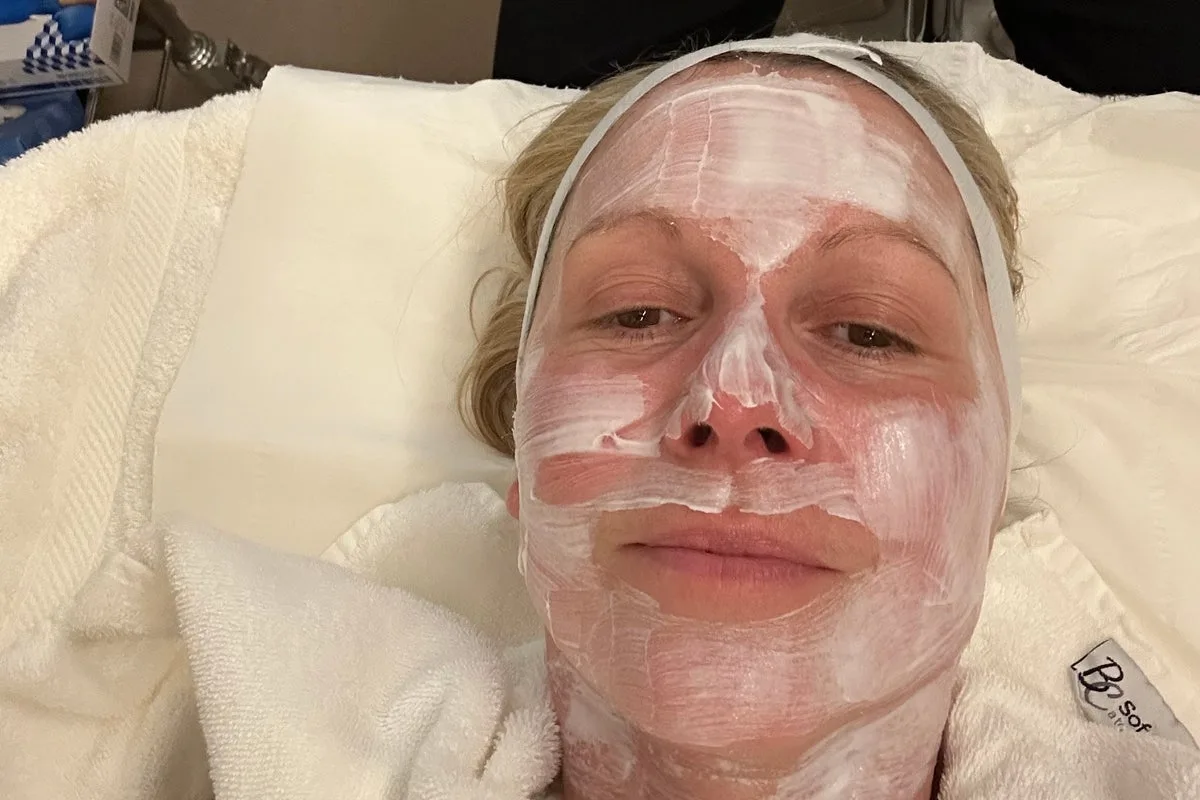
The author underwent a comprehensive facial designed to maximize peptide penetration and stimulate skin regeneration. This multi-step process included:
- Electrical Muscle Stimulation (EMS): To gently lift facial structures.
- Radio Frequency Energy: Controlled heat to stimulate fibroblasts and collagen production.
- Peptide Peel: To purify, prepare the skin, and encourage cellular turnover.
- Fractional Laser or Micro-needling: To create microchannels, triggering the skin's natural repair response and collagen remodelling.
- Air Jet Booster: Delivering a concentrated peptide and PDRN (Polydeoxyribonucleotide) complex. PDRN, derived from salmon sperm DNA, is known for its regenerative and wound-healing properties and is often used alongside peptides.
- Ultrasonic Infusion: To lock in moisture.
- Cryotherapy: Using extreme cold air to calm redness.
This sophisticated approach, costing around £300 per session, aims to combine technological stimulation with the delivery of supportive ingredients. While immediate effects like a rosy, smoother complexion were noted, the long-term benefits are attributed to collagen remodelling and the cumulative regenerative processes initiated by the peptides.
The Rise of Injectable Peptides: Promise and Peril
Beyond professional treatments, a significant trend involves injectable peptides, often sourced from the "grey market" and available online. These unlicensed products claim to offer a wide range of benefits, from anti-aging and hair growth to muscle repair and enhanced immunity. Celebrities like Hailey Bieber have spoken about using injectables like GHK-Cu (copper peptide) and BPC-157, touted for gut health and muscle recovery.
However, experts urge caution. Professor Adam Taylor from Lancaster University highlights that while some pre-clinical research shows promise, these grey-market injectables often lack robust human trial data and have uncertain long-term safety profiles. "The expected results seen in lab models may not translate into a full human system," he warns, emphasizing that without rigorous testing, it's difficult to ascertain their true efficacy and safety.
Injectable peptides like BPC-157 and TB 500, used for recovery, are even considered doping substances in professional sports. The concern is that these peptides, intended for specific effects, could have unintended consequences on other bodily tissues. The FDA has also issued warnings about serious safety risks associated with these unregulated products, including allergic reactions.
Precision tracking for your journey
Join thousands using Shotlee to accurately track GLP-1 medications and side effects.
📱 Get the Shotlee App
Track your GLP-1 medications, peptides, and health metrics on the go with our mobile app!
Peptides in Weight Management: The GLP-1 Connection
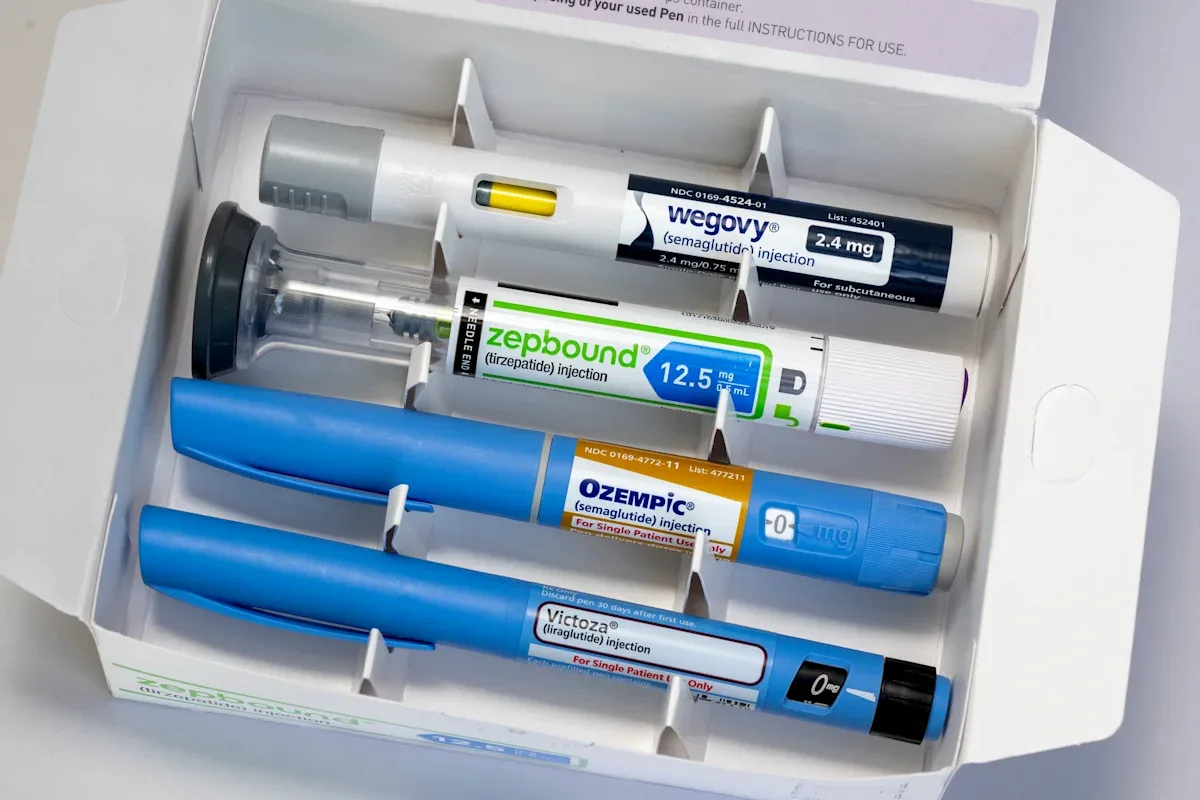
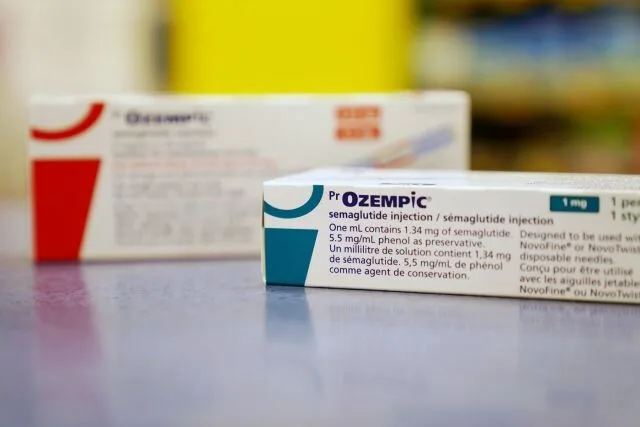
Perhaps the most prominent and medically recognized use of peptides in recent times is within the realm of weight management, specifically through GLP-1 receptor agonists. Medications like Ozempic, Wegovy, Mounjaro, and Zepbound are peptide-based drugs that mimic the action of the natural hormone glucagon-like peptide-1.
GLP-1 plays a vital role in regulating blood sugar and appetite. When administered as medication, these peptides:
- Slow Gastric Emptying: This helps you feel fuller for longer.
- Increase Satiety Signals: They communicate with the brain to reduce hunger and increase feelings of fullness.
- Improve Blood Sugar Control: By stimulating insulin release and reducing glucagon secretion.
These mechanisms contribute significantly to weight loss in individuals using these medications, often alongside lifestyle changes. The effectiveness of these peptide-based therapies has led to a dramatic increase in their prescription and a corresponding surge in public awareness and discussion around peptides.
The Science vs. The Hype: A Balanced Perspective
The distinction between scientifically validated peptide applications and the unregulated "grey market" is crucial. Licensed peptides, such as those found in approved medications or medical-grade aesthetic products, have undergone rigorous testing for safety and efficacy.
Dr. Paris Acharya, founder of Clinic Dr Paris, differentiates between licensed medical aesthetic peptides and unlicensed ones bought online. Licensed products are manufactured for specific medical uses and delivered through controlled methods. She utilizes peptide-based regenerative mesotherapy injectables like Meso-Wharton and Meso-Xanthin, which are designed for skin rejuvenation, DNA repair, and stem cell stimulation. These are administered via microinjections or microneedling, allowing higher concentrations of active ingredients to reach target cells for deeper, longer-lasting effects compared to topical applications.
Dr. Acharya emphasizes that peptide technology represents a paradigm shift in aesthetics, moving towards "communicating with cells using highly targeted biological signals" rather than just altering appearance. This approach focuses on improving tissue function and skin quality in a personalized manner.
While potential side effects for professionally administered aesthetic peptides are generally mild and temporary (redness, swelling, tenderness), serious complications are rare when performed by trained professionals with regulated products. The long-term safety profiles of unlicensed, grey-market peptides, however, remain largely unknown, posing significant risks to users.
Navigating the Peptide Landscape
The world of peptides is complex and rapidly evolving. For those considering peptide therapies, it's essential to:
- Consult Healthcare Professionals: Always discuss any peptide treatments, especially injectables, with a qualified doctor or dermatologist.
- Prioritize Licensed Products: Opt for treatments and products that have undergone regulatory approval and are administered by trained professionals.
- Be Wary of Unsubstantiated Claims: Approach "miracle cure" promises with skepticism, particularly from unregulated sources.
- Understand the Risks: Be aware of potential side effects and the unknown long-term risks associated with unlicensed peptides.
For individuals managing weight, GLP-1 medications represent a significant therapeutic advancement, but they require medical supervision. For skin health and other wellness goals, a discerning approach, prioritizing evidence-based treatments and professional guidance, is key. While the scientific understanding of peptides continues to grow, personal health decisions should always be grounded in reliable information and expert advice. Tracking your progress, symptoms, and doses with tools like Shotlee can be invaluable in managing any health journey, including those involving peptide therapies.
Conclusion
Peptides are undeniably powerful molecules with a growing range of scientifically supported applications, from revolutionary weight-loss medications to advanced aesthetic treatments. The hype surrounding them is fueled by genuine scientific progress and the desire for more targeted, regenerative health solutions. However, the landscape is also populated by unregulated products and unsubstantiated claims, particularly in the grey market of injectable peptides. While the future of peptide therapy looks promising, a discerning, evidence-based approach is paramount. Consulting with healthcare professionals, prioritizing licensed and regulated treatments, and understanding the potential risks are crucial steps for anyone looking to harness the benefits of peptides safely and effectively.