
The landscape of weight management is rapidly evolving, with new pharmaceutical innovations promising more significant results than ever before. Eli Lilly recently unveiled striking data for an experimental drug, retatrutide, which has demonstrated an average weight loss of 28 percent in individuals with obesity. This figure represents a substantial leap in potency compared to currently available GLP-1 medications like Ozempic, Wegovy, and Zepbound. However, this breakthrough is also prompting a chorus of caution from medical professionals, emphasizing the critical need for robust medical management.
Unprecedented Weight Loss: The Promise of Retatrutide
In Phase 3 clinical trials, retatrutide has shown remarkable efficacy. Patients treated with the highest dose of the drug achieved an average weight loss of 28 percent of their body weight over 80 weeks, equating to approximately 70 pounds. What is particularly noteworthy is that this weight loss did not appear to plateau, with some patients continuing to shed weight, reaching an impressive 30.3 percent body weight reduction after 104 weeks. This sustained and significant reduction in body weight has the potential to be transformative for individuals struggling with severe obesity.
Retatrutide targets multiple hormone pathways involved in appetite regulation and metabolism. Unlike existing GLP-1 agonists (like semaglutide in Ozempic and Wegovy) which primarily mimic the GLP-1 hormone, or dual agonists (like tirzepatide in Mounjaro and Zepbound) which also mimic GIP, retatrutide is a triple agonist. It additionally mimics glucagon, a hormone that plays a role in glucose regulation and energy expenditure. This multi-pronged approach is believed to be the driving force behind its exceptional potency.
Comparing Potencies: A New Era of Options
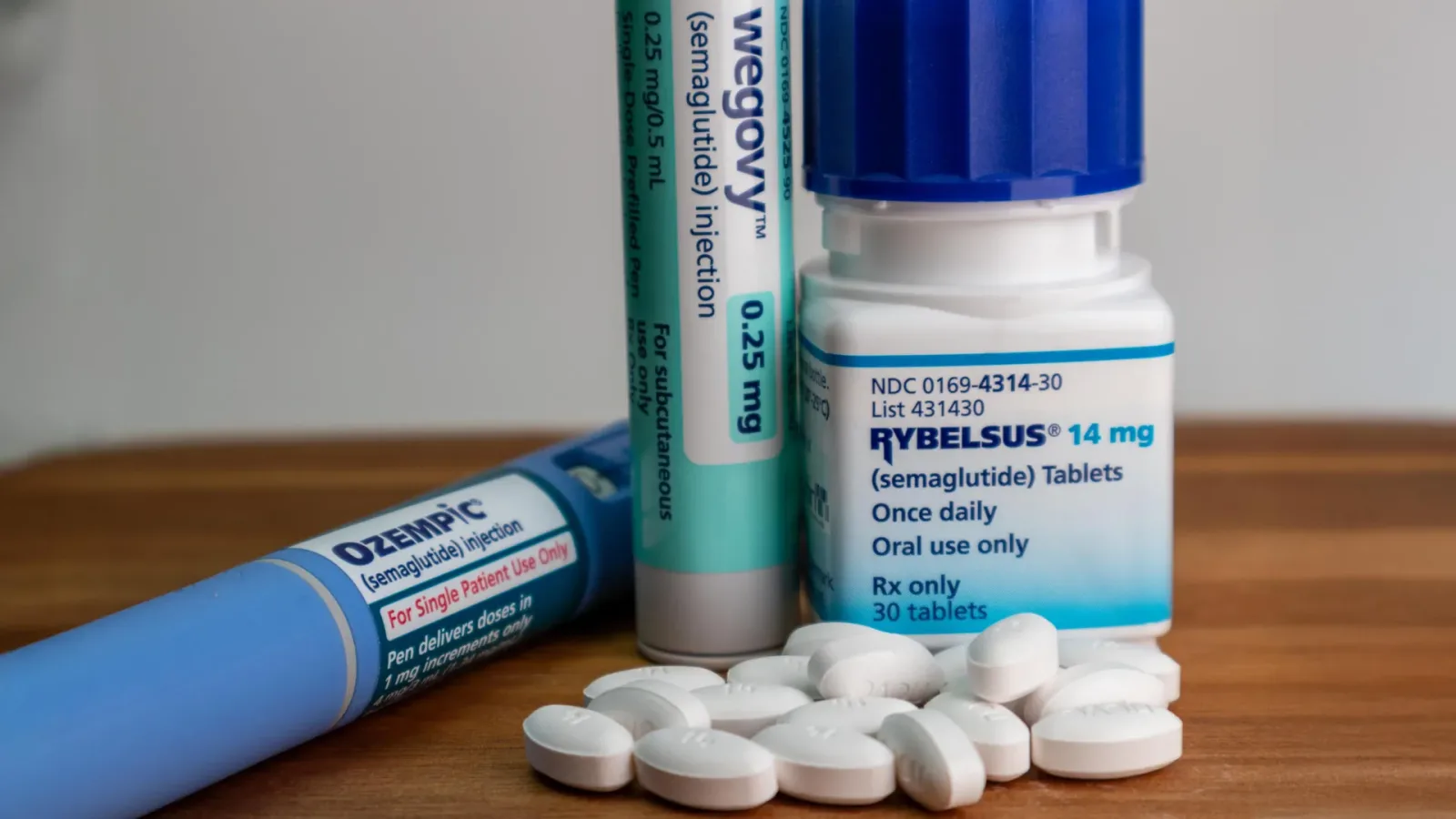
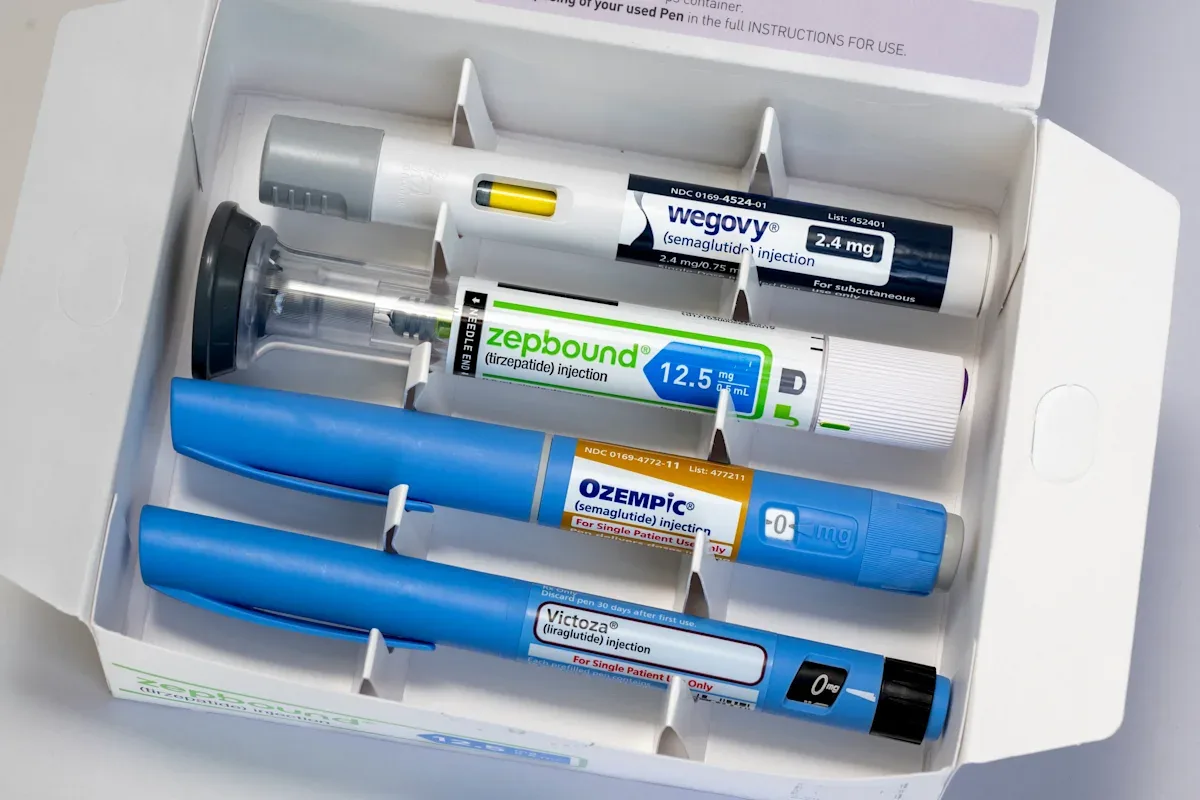
The current generation of weight-loss medications has already revolutionized treatment for many. Semaglutide (Ozempic, Wegovy) typically results in an average weight loss of around 15 percent in clinical trials. Tirzepatide (Mounjaro, Zepbound), a dual GLP-1 and GIP receptor agonist, has shown even greater efficacy, with patients achieving an average of 21 percent weight loss at the highest doses. Retatrutide's reported 28-30 percent average weight loss positions it as a significantly more potent option, potentially catering to a different segment of patients with more substantial weight to lose.
Dr. Bharti Shetye, president-elect of the Obesity Medicine Association, described the 28-30 percent weight loss figures as "mind-blowing," underscoring the significant advancement retatrutide represents.
The Critical Need for Medical Supervision
While the weight loss figures are astounding, experts are quick to highlight the profound implications and potential risks associated with such significant body mass reduction. Dr. John Morton, a professor at Yale medical school and medical director of bariatric surgery at Yale New Haven Health System, aptly quoted Spider-Man: "With great power comes great responsibility." He stressed that losing this much weight necessitates close medical management, far exceeding the level of monitoring many patients currently receive with existing GLP-1 medications.
The primary concern revolves around the body's response to drastic calorie restriction and rapid weight loss. Without careful management of nutrition and exercise, the body can deplete essential reserves, leading to:
- Loss of Muscle Mass: The body may break down muscle tissue for energy, impacting strength and metabolism.
- Reduced Bone Density: Inadequate nutrient intake can compromise bone health, increasing the risk of fractures.
- Electrolyte Imbalances: Significant physiological changes can disrupt the body's delicate electrolyte balance.
- Gallstones: Rapid weight loss is a known risk factor for developing gallstones.
- Compromised Immune System: Nutritional deficiencies can weaken the immune response.
- Hormone Disruptions: Such a profound metabolic shift can affect various hormonal systems.
Eli Lilly acknowledged that muscle mass loss is a common aspect of weight loss interventions, including lifestyle changes, medications, and surgery. However, they stated that "concerning signs of muscle weakness" have not been observed in their clinical trials to date. Nonetheless, the magnitude of weight loss with retatrutide warrants heightened vigilance.
Precision tracking for your journey
Join thousands using Shotlee to accurately track GLP-1 medications and side effects.
📱 Get the Shotlee App
Track your GLP-1 medications, peptides, and health metrics on the go with our mobile app!
Who is Retatrutide For?
Given its exceptional potency, retatrutide is envisioned as a treatment option for individuals with a higher degree of obesity. Doctors suggest it would be most appropriate for patients with a Body Mass Index (BMI) exceeding 40, or those with a BMI over 35 who have significant weight-related comorbidities. "This would not be for someone who wants to lose 15 to 20 pounds. This is for patients who are much heavier," Dr. Morton emphasized.
Navigating Side Effects and Discontinuation
As with any potent medication, retatrutide is associated with potential side effects. In the clinical trial, 11.3 percent of patients on the highest dose discontinued the drug due to significant side effects, including nausea, diarrhea, constipation, vomiting, and upper respiratory tract infections. These are common gastrointestinal side effects seen with many GLP-1 receptor agonists.
The experience with current GLP-1 medications highlights the challenges of long-term adherence. Studies, such as one from the Cleveland Clinic, found that nearly half of patients discontinue these drugs due to financial reasons, with an additional 14.6 percent stopping because of side effects. A significant concern is weight regain, which studies indicate often occurs when patients halt these medications, along with a potential rebound of associated health risks like high cholesterol and blood pressure.
For individuals using a health tracking app like Shotlee, meticulously logging any side effects, symptom severity, and adherence to medication schedules can provide invaluable data for discussions with their healthcare provider. This detailed record-keeping is crucial for optimizing treatment and managing potential adverse events.
The Regulatory Timeline and the Rise of Unregulated Products
The journey from clinical trial data to market approval is a lengthy one. Eli Lilly plans to present full trial results at the American Diabetes Association conference in June and expects to submit its findings to the Food and Drug Administration (FDA) by the end of 2026. This timeline suggests the earliest potential approval date for retatrutide would be in 2027.
However, the promise of such a potent weight-loss drug has already spurred the emergence of unregulated products being sold online for "research" purposes, even before FDA approval. This practice is highly concerning. Medical professionals, including Dr. Shetye, strongly advise against using these unapproved substances. "Without significant doctor supervision and through an uncontrolled supply chain, those patients are essentially experimenting on themselves," she warned, likening the situation to a dangerous gamble.
| Drug | Mechanism | Average Weight Loss (Approx.) | Potential Approval Timeline |
|---|---|---|---|
| Semaglutide (Ozempic, Wegovy) | GLP-1 agonist | 15% | Approved |
| Tirzepatide (Mounjaro, Zepbound) | GLP-1 + GIP agonist | 21% | Approved |
| Retatrutide (Investigational) | GLP-1 + GIP + Glucagon agonist | 28-30% | Earliest 2027 |
Practical Takeaways
The development of retatrutide signifies a major advancement in obesity treatment, offering hope for more substantial and sustained weight loss. However, this increased potency comes with increased responsibility. Patients considering such powerful medications should be prepared for intensive medical oversight, including regular monitoring of nutritional status, bone density, muscle mass, and overall health. Open communication with healthcare providers, meticulous tracking of progress and side effects (potentially using tools like Shotlee), and a commitment to a comprehensive health plan are paramount to safely harnessing the benefits of these next-generation therapies.
Conclusion
Retatrutide represents a potential paradigm shift in the medical management of obesity, offering unprecedented weight loss outcomes. While the scientific community celebrates this progress, the medical profession is rightly emphasizing the critical importance of safety, stringent medical supervision, and patient education. As we move closer to its potential approval, it's clear that the era of highly potent weight-loss medications demands a more sophisticated and integrated approach to patient care, ensuring that these powerful tools are used responsibly and effectively to improve long-term health and well-being.