
Stopping GLP-1
Discontinuation and Regain Prevention Plan
If you are stopping GLP-1, use a structured discontinuation plan with taper strategy, monitoring windows, and regain prevention triggers.
A practical stop plan with objective checkpoints
Stopping GLP-1 without a plan usually turns into rapid appetite rebound and weight regain. A structured discontinuation protocol can reduce slope, improve control, and protect long-term outcomes.
This aspect of the Glp1 Discontinuation Regain Prevention protocol is particularly important for users who are tracking their response data systematically. Documenting your experience at each stage provides the longitudinal evidence needed to evaluate protocol effectiveness and make informed adjustments. Shotlee captures these data points automatically, building a comprehensive record that supports evidence-based decision making with your healthcare provider.
Discontinuation strategy fundamentals
Execution quality, not novelty, usually determines outcome quality. Keep the protocol simple, measurable, and reviewable every week. When variables change, tag the change and monitor the next 7 to 14 days as a dedicated observation window before making additional adjustments.
Discontinuation checklist
This aspect of the Glp1 Discontinuation Regain Prevention protocol is particularly important for users who are tracking their response data systematically. Documenting your experience at each stage provides the longitudinal evidence needed to evaluate protocol effectiveness and make informed adjustments. Shotlee captures these data points automatically, building a comprehensive record that supports evidence-based decision making with your healthcare provider.
Decision matrix
Control Why it matters What to track Escalation trigger
This aspect of the Glp1 Discontinuation Regain Prevention protocol is particularly important for users who are tracking their response data systematically. Documenting your experience at each stage provides the longitudinal evidence needed to evaluate protocol effectiveness and make informed adjustments. Shotlee captures these data points automatically, building a comprehensive record that supports evidence-based decision making with your healthcare provider.
Execution playbook
How Shotlee helps
shotleeFeatures
Guide FAQs
If you are stopping GLP-1, use a structured discontinuation plan with taper strategy, monitoring windows, and regain prevention triggers.
Yes. Shotlee supports tracking doses, side effects, and health metrics. It is free.
Track Your GLP-1 Protocol in Shotlee
Free dose logging, side effect tracking, and health metric monitoring for your complete protocol.
📚References & sources
Latest on GLP-1 Discontinuation Regain Prevention
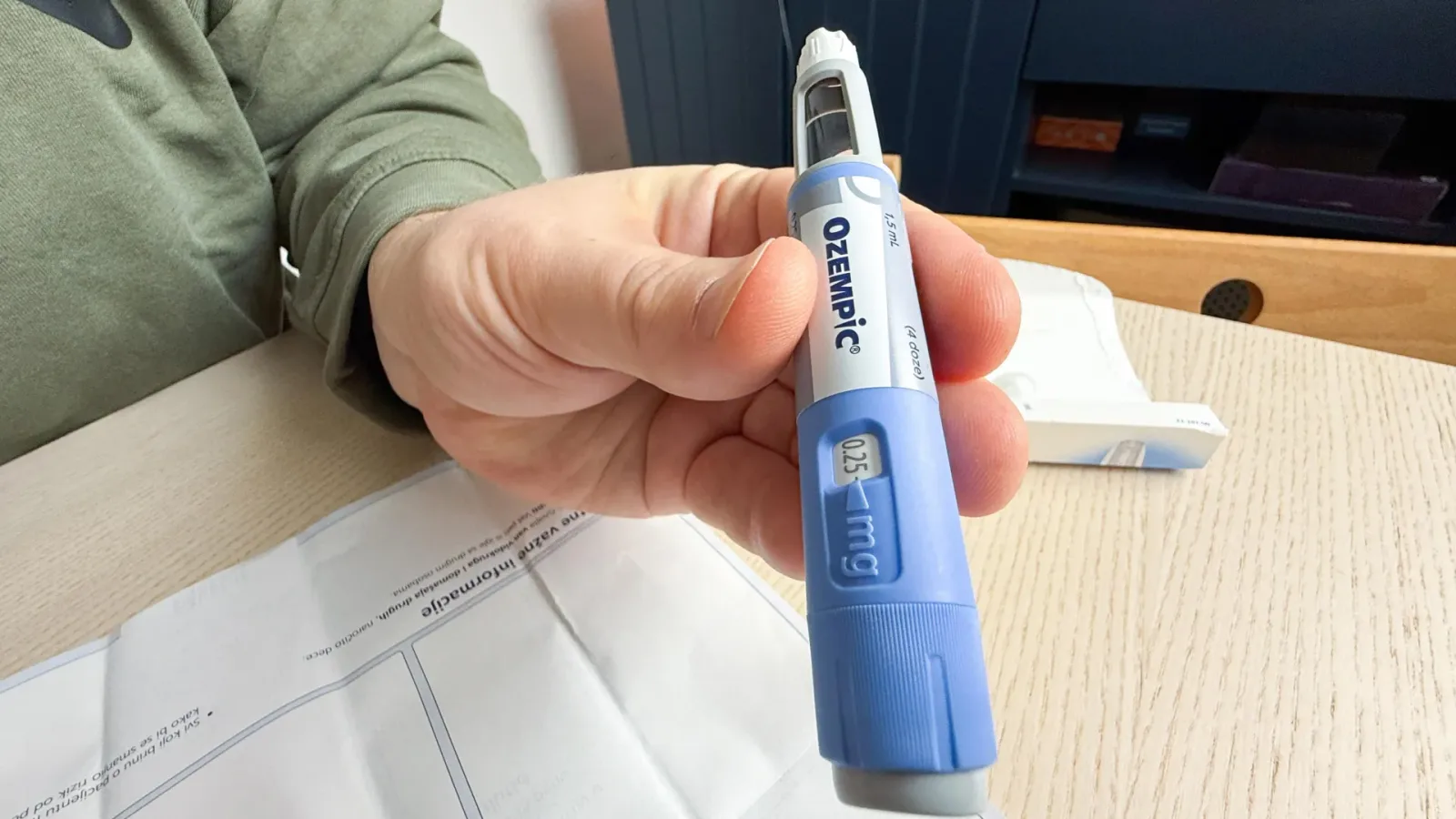
Most People Who Stop GLP-1 Drugs Like Ozempic Eventually Restart Treatment
A recent study presented at ENDO 2026 sheds light on the patterns of GLP-1 medication use for type 2 diabetes, revealing that while many patients stop treatment, a substantial number later restart, suggesting a more cyclical rather than permanent discontinuation.
7 min read
GLP-1s Insurance Pricing Challenges: Q&A with Whitney Stidom
High demand for GLP-1 medications meets steep pricing and insurance hurdles. In this Q&A, eHealth's Whitney Stidom reveals why 55% of employers cover GLP-1s for diabetes but only 36% for weight loss, plus upcoming policy changes capping costs at $245 monthly for Medicare enrollees. Discover actionable insights on affordability and access.
6 min read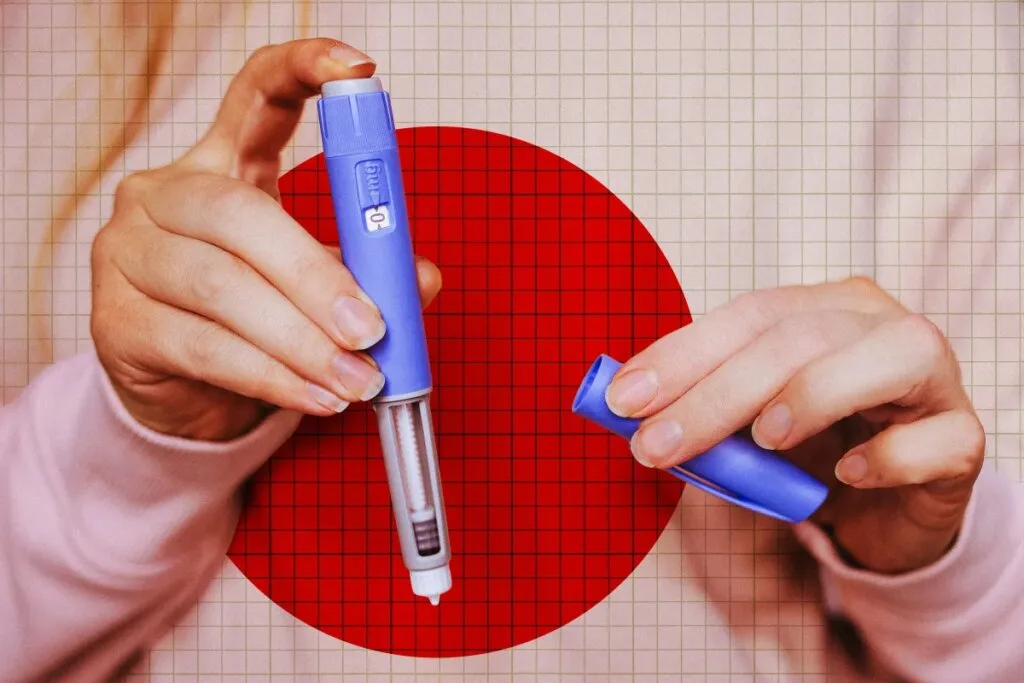
Grim Effects of Stopping GLP-1s Like Ozempic, Study Finds
New research paints a stark picture: stopping GLP-1 drugs like Ozempic can rapidly reverse cardiovascular benefits, with risks spiking 8% after just six months. Published in BMJ Medicine, the study tracked over 333,000 adults and warns of 'metabolic whiplash.' Patients face weight regain, inflammation resurgence, and lasting scars from interruptions.
4 min read