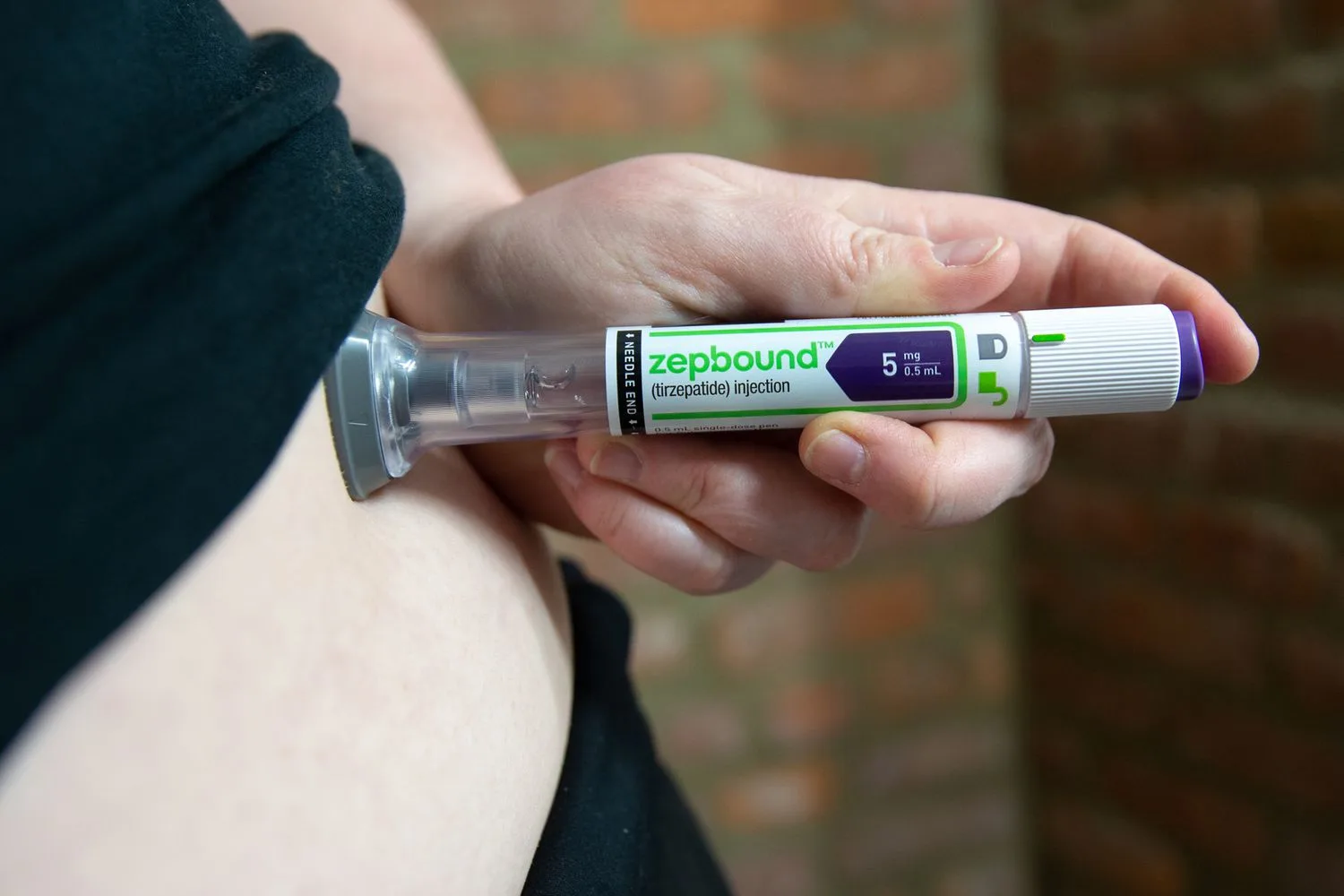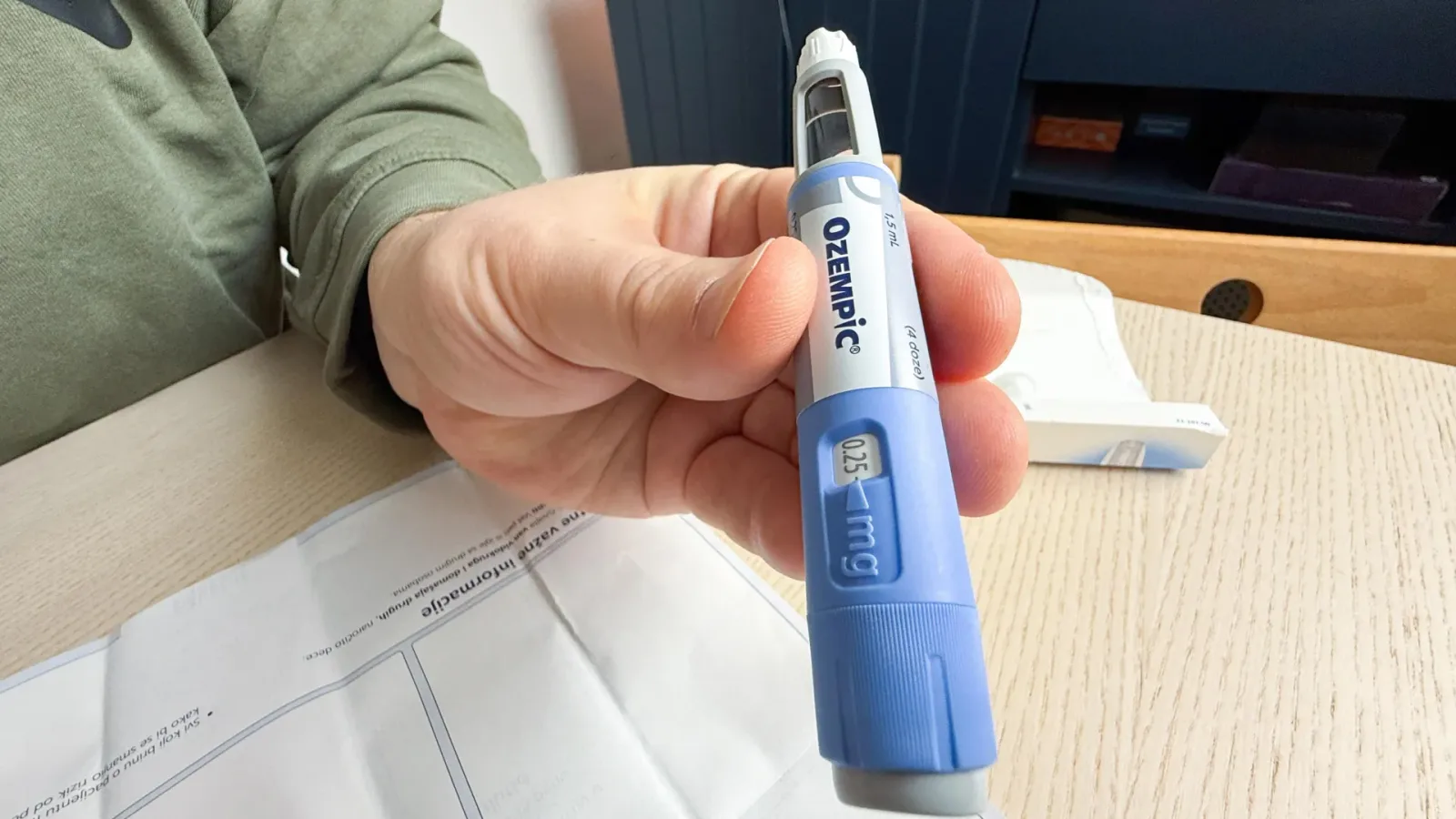

For individuals managing type 2 diabetes, medications like Ozempic (semaglutide), Victoza (liraglutide), and Mounjaro (tirzepatide) have become important tools. These drugs, belonging to the glucagon-like peptide-1 (GLP-1) receptor agonist class, are known for their effectiveness in improving glycemic control and, in some cases, promoting weight loss. However, understanding patient adherence and treatment patterns is crucial for maximizing their benefits. New research presented at ENDO 2026, the Endocrine Society's annual meeting, offers valuable insights into how often people stop these medications and, importantly, how many eventually return to them.
Understanding GLP-1 Medication Discontinuation and Reinitiation
The decision to stop or restart a medication can be influenced by a multitude of factors, including side effects, cost, perceived effectiveness, and changes in health status or lifestyle. For GLP-1 receptor agonists, which are often prescribed for long-term management of type 2 diabetes and weight, these patterns are particularly important. A study led by Sainikhil Sontha, M.S., a research associate at Boston University School of Public Health, aimed to address two key questions that have historically lacked comprehensive answers: How many individuals with type 2 diabetes taking GLP-1 medications discontinue their treatment, and how many subsequently reinitiate it?
To tackle these questions, the research team analyzed a substantial dataset from Komodo Health U.S. claims, spanning from January 2019 to June 2025. This retrospective cohort study focused on adults aged 18 to 64 diagnosed with type 2 diabetes and a body mass index (BMI) of 25 kg/m² or higher. Participants included those who had initiated treatment with liraglutide, semaglutide, or tirzepatide and had at least six months of follow-up data available. The study defined discontinuation as a period exceeding 60 days between prescription refills, a common benchmark for indicating a break in therapy. Reinitiation was then classified as starting the medication again after such a discontinuation period.
Prevalence of Stopping and Restarting GLP-1 Therapy
The findings from this extensive analysis of over 60,000 Americans with type 2 diabetes paint a nuanced picture of GLP-1 medication use. Within the first year of starting treatment, approximately 40% of patients discontinued their GLP-1 medication. This figure rose significantly over time, with nearly 60% of patients having stopped their treatment by the end of the second year.
However, the research uncovered a more encouraging trend regarding reinitiation. A substantial portion of those who stopped their GLP-1 therapy did not abandon it permanently. More than half (41.5%) of patients who discontinued their medication eventually restarted therapy within a year. This rate increased to nearly two-thirds (58%) within two years of the initial discontinuation. These statistics suggest that for many patients, the use of GLP-1 medications is not a one-time commitment that is permanently abandoned but rather a pattern that may involve periods of stopping and starting.
Factors Influencing Treatment Discontinuation
To gain a deeper understanding of the variables that contribute to these treatment patterns, the researchers employed Cox proportional hazards models. This statistical approach allowed them to examine the influence of various sociodemographic, clinical, and provider-level factors on the likelihood of discontinuing GLP-1 medications.
Several key factors emerged as significant predictors of discontinuation:
- Insurance Coverage: Patients covered by Medicaid or Medicare were found to be more likely to discontinue their GLP-1 medication within the first year.
- Race/Ethnicity: Black patients also showed a higher likelihood of stopping treatment.
- Gastrointestinal Side Effects: Experiencing nausea or other gastrointestinal side effects was a significant reason for discontinuation, with 37% of those who stopped reporting such issues.
- Prescribing Physician: Interestingly, patients whose initial GLP-1 prescription came from an endocrinologist were 10% less likely to stop treatment compared to those prescribed by other specialists. This may reflect a more specialized approach to managing complex diabetes cases and patient education from endocrinologists.
Impact of Medication Type on Treatment Persistence
The specific GLP-1 medication a patient was taking also played a role in their likelihood of continuing treatment. The study found that newer generations of GLP-1 drugs were associated with better adherence.
Precision tracking for your journey
Join thousands using Shotlee to accurately track GLP-1 medications and side effects.
📱 Get the Shotlee App
Track your GLP-1 medications, peptides, and health metrics on the go with our mobile app!
Patients using tirzepatide, a dual GLP-1 and glucose-dependent insulinotropic polypeptide (GIP) receptor agonist, were 41% less likely to discontinue treatment compared to those using older medications like liraglutide. Similarly, users of semaglutide demonstrated improved persistence, being 28% less likely to discontinue their anti-obesity medication use when compared with individuals on older drug classes.
This difference in persistence could be attributed to several factors, including potentially improved efficacy, better tolerability profiles, or different prescribing patterns for newer medications.
The Importance of Consistent GLP-1 Therapy
The findings underscore a critical point: consistent use of GLP-1 medications is paramount to achieving and sustaining their therapeutic benefits. As Sainikhil Sontha noted, "This research matters because consistent use of these medications is what produces their protective effects." Stopping treatment prematurely can mean missing out on vital opportunities to prevent serious long-term complications associated with type 2 diabetes.
These complications include an increased risk of cardiovascular events such as heart attacks, the progression of kidney disease, and other microvascular and macrovascular issues. Maintaining stable blood glucose levels and managing weight effectively through consistent medication use are key to mitigating these risks.
Table: Factors Associated with GLP-1 Discontinuation Within the First Year
| Factor | Association with Discontinuation | Notes |
|---|---|---|
| Medicaid/Medicare Coverage | Increased likelihood | Suggests potential access or cost barriers. |
| Race/Ethnicity (Black patients) | Increased likelihood | May indicate disparities in care or treatment experience. |
| Gastrointestinal Side Effects (e.g., nausea) | Increased likelihood (37% reported) | Highlights the impact of tolerability on adherence. |
| Prescribed by Endocrinologist | Decreased likelihood (10% less) | Points to potential benefits of specialized care and management. |
| Medication Type (Tirzepatide vs. older drugs) | Decreased likelihood (41% less) | Newer agents show better persistence. |
| Medication Type (Semaglutide vs. older drugs) | Decreased likelihood (28% less) | Newer agents show better persistence. |
The study's authors suggest that these results can serve as a valuable resource for healthcare providers, insurers, and policymakers. By identifying patients who are at higher risk of discontinuing their GLP-1 therapy, interventions can be developed to provide additional support. This support could include enhanced patient education, strategies for managing side effects, financial assistance programs, or closer monitoring to ensure continued adherence and optimal health outcomes.
Practical Takeaways for Patients and Providers
For individuals managing type 2 diabetes on GLP-1 medications, understanding that stopping and restarting is common can be reassuring. However, it also highlights the importance of discussing any intention to stop treatment with your healthcare provider. Open communication about side effects, cost concerns, or changes in your health status is vital. Tools like the Shotlee app can be invaluable for tracking medication adherence, noting any side effects experienced, and logging symptom changes, providing a comprehensive record that can be shared with your doctor to inform treatment decisions.
Healthcare providers can leverage these findings to proactively identify patients who may be at risk for discontinuation. Implementing strategies such as thorough patient education at the start of therapy, regular check-ins to address side effects, and exploring options for ongoing support can significantly improve long-term adherence. For patients experiencing difficulties, exploring alternative GLP-1 medications or dosage adjustments, as well as addressing socioeconomic barriers, might be necessary.
Conclusion
The research presented at ENDO 2026 provides critical insights into the real-world use of GLP-1 medications for type 2 diabetes. While a significant percentage of patients do stop these treatments, particularly within the first two years, a substantial number eventually restart. Factors such as insurance coverage, race, gastrointestinal side effects, the prescribing specialist, and the specific medication used all influence these patterns. Recognizing these trends is essential for healthcare systems and providers to develop targeted support strategies, ensuring that patients can maintain consistent therapy and reap the full protective benefits of GLP-1 agonists in managing their diabetes and preventing long-term complications.