
For individuals managing type 2 diabetes and seeking effective weight management solutions, the emergence of GLP-1 receptor agonists like semaglutide has been a significant development. While these medications are celebrated for their robust impact on blood sugar control and weight loss, a recent study presented at ENDO 2026 has highlighted an unexpected and potentially crucial benefit: a reduced risk of bone fractures. This finding challenges earlier concerns that rapid weight loss might compromise bone health, suggesting semaglutide may offer a more nuanced protective effect than initially anticipated.
Understanding Semaglutide and Its Impact on Weight and Bone Health
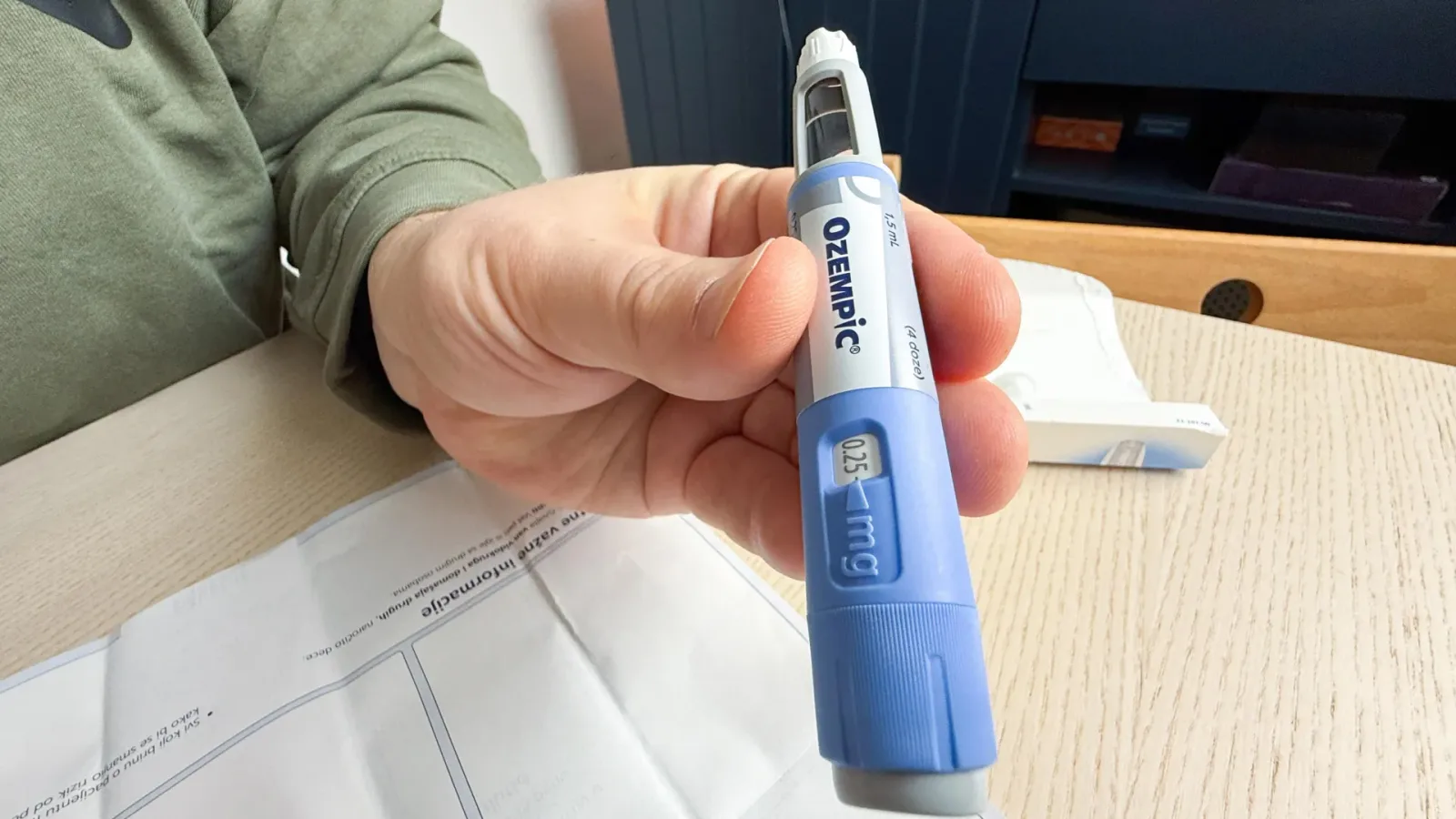
Semaglutide, known by brand names such as Ozempic (for type 2 diabetes) and Wegovy (for weight management), belongs to a class of drugs called glucagon-like peptide-1 receptor agonists (GLP-1s). These medications mimic the action of the natural GLP-1 hormone, which plays a vital role in regulating appetite, slowing gastric emptying, and improving insulin sensitivity. Consequently, GLP-1s are highly effective in promoting significant weight loss and enhancing glycemic control in individuals with type 2 diabetes.
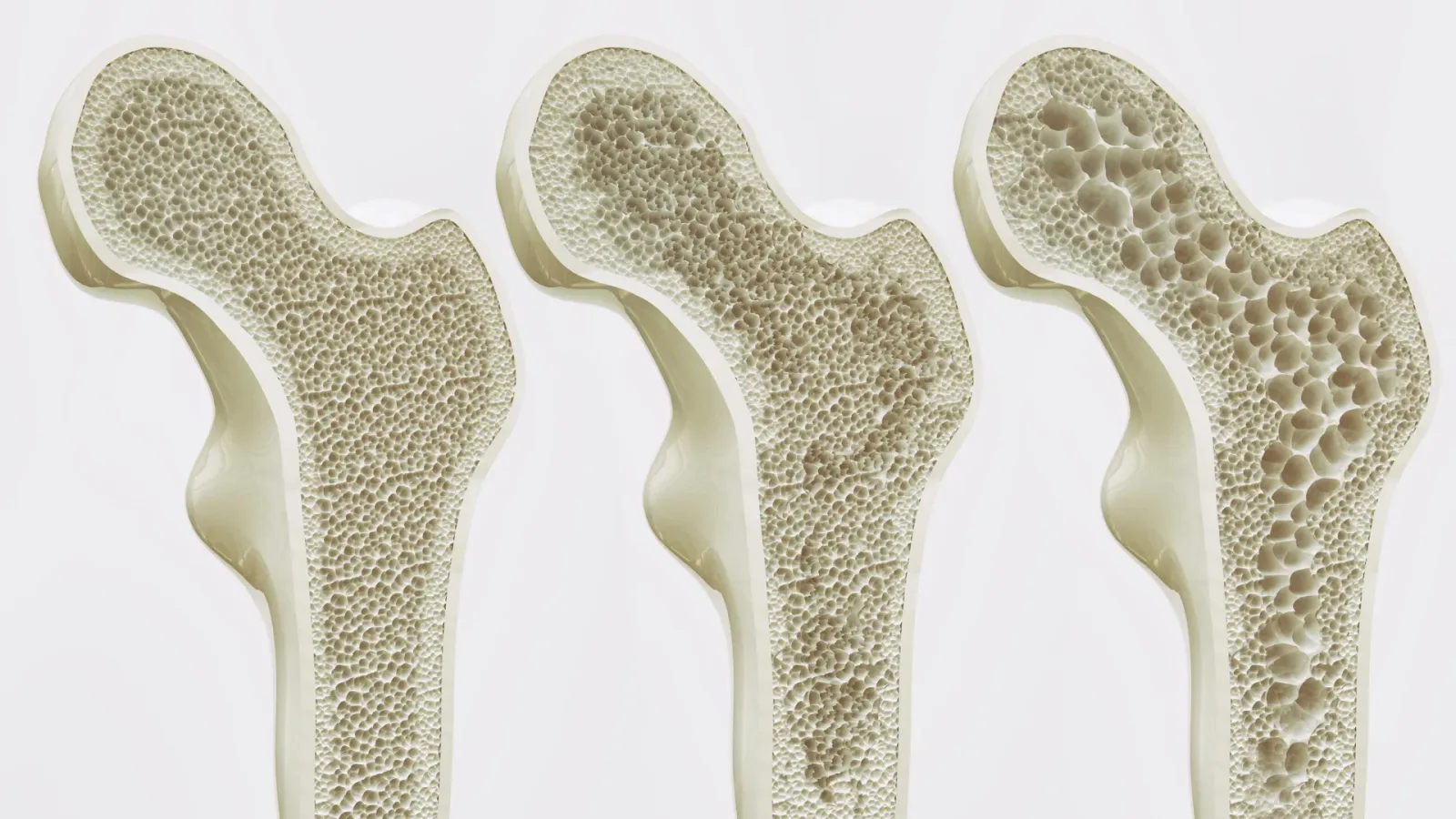
However, the rapid and substantial weight loss often achieved with GLP-1s has previously raised questions about their potential impact on bone density. The prevailing theory suggested that accelerated weight reduction could lead to bone thinning, thereby increasing the risk of fractures, particularly in older adults or those with pre-existing bone conditions. This concern stems from the understanding that bone mass is influenced by various factors, including body weight and the rate at which it changes. Slower, more gradual weight loss is generally considered more conducive to preserving bone mineral density.
Until now, the comparative effects of semaglutide on bone health, especially when contrasted with other weight-loss medications, had not been thoroughly investigated. This knowledge gap prompted researchers to explore whether semaglutide's potent weight-loss capabilities came at the expense of bone integrity.
New Study Reveals Unexpected Bone Protective Effects
The groundbreaking findings were unveiled at ENDO 2026, the Endocrine Society's annual meeting held in Chicago. The research, led by Dr. Jairo Noreña, formerly an endocrinology fellow at Stanford University Medical Center, aimed to dissect the relationship between semaglutide use, weight loss, and the incidence of bone fractures in patients with type 2 diabetes. The study's design was crucial in comparing semaglutide not only against other GLP-1s but also against other common anti-obesity medications.
The research team examined data from a large cohort of patients with type 2 diabetes, comparing those treated with semaglutide against those receiving alternative treatments. These alternatives included dulaglutide (another GLP-1), as well as combination therapies like phentermine/topiramate and bupropion/naltrexone, which are also prescribed for weight management. The primary focus was to observe differences in body mass index (BMI) reduction and fracture rates between these groups.
“Bone fractures are painful, expensive and can seriously affect quality of life -- especially as people get older,” stated Dr. Noreña. “We hope this study encourages monitoring of bone health in weight-loss programs.” This sentiment underscores the clinical significance of the study, highlighting the potential for improved patient outcomes beyond just weight and blood sugar control.
Key Findings from the Retrospective Cohort Study
The study employed a retrospective cohort design, leveraging the extensive Atropos Health Eos electronic health record database. This database encompasses data from over 161 million patients treated across a wide range of U.S. hospitals and medical centers between January 2016 and December 2023. This vast dataset allowed for a robust analysis of real-world clinical data.
The analysis specifically included adults aged 18 and older diagnosed with type 2 diabetes who had no prior history of bone fractures and were not taking osteoporosis medications. This selection criterion was vital to isolate the effects of the weight-loss medications themselves on fracture risk.
The study meticulously divided participants into two main groups:
Precision tracking for your journey
Join thousands using Shotlee to accurately track GLP-1 medications and side effects.
📱 Get the Shotlee App
Track your GLP-1 medications, peptides, and health metrics on the go with our mobile app!
- Semaglutide Group: Comprised of 26,324 patients who were treated with semaglutide.
- Comparison Group: Included 33,555 patients who received dulaglutide, phentermine/topiramate, or bupropion/naltrexone and had no prior use of semaglutide.
Comparative Outcomes: Weight Loss and Fracture Rates
The results of the analysis were striking. Patients treated with semaglutide not only achieved a more significant reduction in their BMI compared to those in the comparison group but also experienced a lower incidence of bone fractures. This dual benefit suggests that semaglutide may offer a favorable risk-benefit profile that extends to skeletal health.
Specifically, the study reported the following key outcomes:
| Treatment Group | Number of Fractures Recorded | BMI Reduction |
|---|---|---|
| Semaglutide Users | 794 | Greater |
| Comparison Group (Dulaglutide, Phentermine/Topiramate, Bupropion/Naltrexone) | 1,045 | Less pronounced |
The data indicated that semaglutide use was associated with a 15% lower risk of bone fractures when compared to the alternative weight-loss medications. This statistically significant reduction, coupled with greater weight loss, presents a compelling case for semaglutide's potential role in comprehensive patient care, particularly for individuals with type 2 diabetes who are also at risk for osteoporosis or fractures.
“This work is an important early step toward understanding the impact of semaglutide-induced weight loss on bone health in patients with type 2 diabetes,” Dr. Noreña concluded. While these findings are promising, the researchers emphasize the need for further investigation.
Implications and Future Directions
The study's findings have significant implications for how GLP-1 medications like semaglutide are prescribed and monitored. The previous concern that rapid weight loss might be detrimental to bone health appears to be mitigated, or even reversed, with semaglutide, at least in the context of this study population.
This suggests that the benefits of semaglutide in promoting weight loss and improving metabolic health may outweigh potential risks to bone density, and in some cases, may even offer a protective effect. However, it is crucial to acknowledge that this was a retrospective study. While providing valuable real-world insights, such studies cannot definitively establish causality. Prospective, randomized controlled trials are essential to confirm these associations and fully elucidate the mechanisms behind semaglutide's impact on bone health.
For patients currently using or considering semaglutide, this study offers reassurance regarding bone health. It also reinforces the importance of a holistic approach to weight management and diabetes care. Integrating bone health monitoring into treatment plans for individuals on weight-loss medications, especially those with risk factors for osteoporosis, is a recommendation that gains further weight from these findings.
For individuals using Shotlee to track their health data, this study highlights the importance of monitoring various health metrics. While Shotlee can help track weight loss progress, medication adherence, and potentially side effects, it also serves as a valuable tool for documenting changes in overall well-being, which could indirectly reflect improvements in bone health or the absence of fracture-related issues.
Practical Takeaways
- Semaglutide's Dual Benefit: Semaglutide appears to promote significant weight loss while simultaneously reducing the risk of bone fractures in patients with type 2 diabetes.
- Challenging Previous Concerns: The study challenges the notion that rapid weight loss from GLP-1s inherently leads to bone thinning and increased fracture risk.
- Importance of Monitoring: Healthcare providers should consider monitoring bone health in patients undergoing significant weight loss, especially with medications like semaglutide.
- Further Research Needed: While promising, these findings require confirmation through prospective studies to establish causality and understand underlying mechanisms.
Conclusion
The recent study linking semaglutide to fewer bone fractures, even as it facilitates greater weight loss, marks a significant advancement in our understanding of this widely used GLP-1 medication. For individuals managing type 2 diabetes, this offers a more optimistic outlook, suggesting that effective weight management can be achieved without necessarily compromising skeletal integrity. While further research is imperative to solidify these findings, the current evidence provides a compelling reason for healthcare providers and patients to consider the multifaceted benefits of semaglutide. As always, personalized medical advice from a healthcare professional remains paramount in making informed treatment decisions.