
Shotlee LogoShotlee
Blog
Download on theApp Store
Get it onGoogle Play
Skip to main content
Semaglutide vs. Tirzepatide: Unpacking New Diabetes Insights & Long COVID Clues - Featured image
Medical Research

Semaglutide vs. Tirzepatide: Unpacking New Diabetes Insights & Long COVID Clues

Dr. Adrian Vale, MD
Reviewed by Dr. Adrian Vale, MDInternal Medicine · Board-Certified Obesity Medicine
·May 29, 2026·6 min read

On this page

  • Tirzepatide Shines in Early Type 2 Diabetes Management
  • Unraveling the Mysteries of Long COVID: Autoantibodies Identified as a Key Factor
  • Comparing Treatment Approaches: A Snapshot
  • Practical Takeaways
  • Conclusion
  • Key Findings from the SURPASS-Early Trial
  • The Persistence of Immune Dysregulation
  • Implications for Treatment and Future Research

Track Smart

Calculate active GLP-1 levels automatically with Shotlee.

Download →

Discover how new studies are reshaping our understanding of Type 2 diabetes management with tirzepatide and offering critical insights into the biological drivers of Long COVID's persistent neurological symptoms.

Share

On this page

  • Tirzepatide Shines in Early Type 2 Diabetes Management
  • Unraveling the Mysteries of Long COVID: Autoantibodies Identified as a Key Factor
  • Comparing Treatment Approaches: A Snapshot
  • Practical Takeaways
  • Conclusion
  • Key Findings from the SURPASS-Early Trial
  • The Persistence of Immune Dysregulation
  • Implications for Treatment and Future Research

The medical landscape is constantly evolving, and recent research is offering compelling new perspectives on two significant health challenges: Type 2 diabetes and Long COVID. This week, groundbreaking studies are shedding light on the superior efficacy of tirzepatide (Mounjaro) in managing early-stage Type 2 diabetes and identifying a key biological culprit behind the persistent neurological symptoms experienced by some Long COVID patients.

Tirzepatide Shines in Early Type 2 Diabetes Management

For individuals newly diagnosed with Type 2 diabetes, particularly those whose blood sugar remains inadequately controlled with metformin, a significant advancement may be on the horizon. A recent company-funded study, the SURPASS-Early trial, has demonstrated that adding tirzepatide to a metformin regimen offers substantial benefits over other commonly used medications, including those in the GLP-1 class.

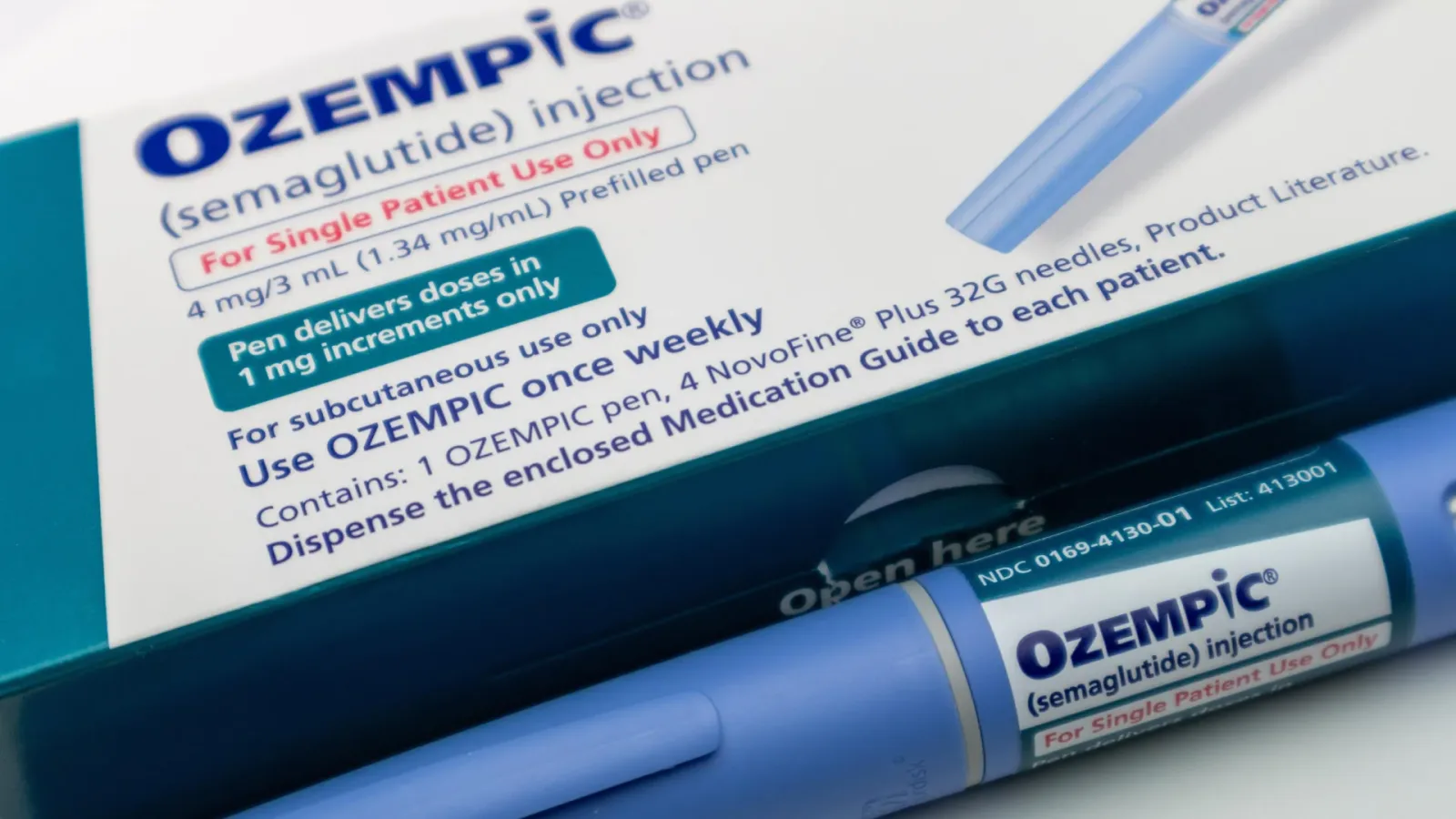
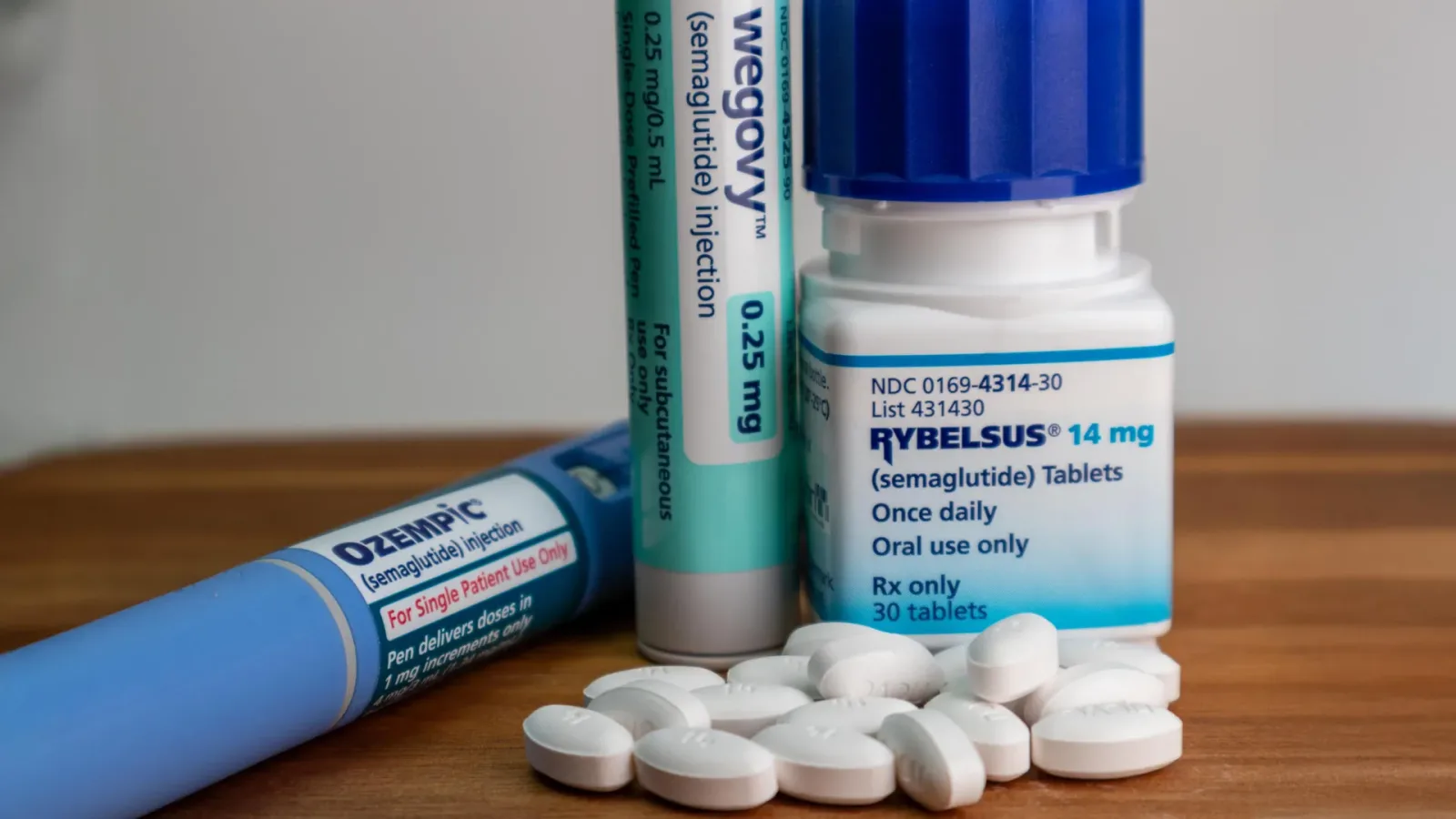
The trial involved nearly 800 adults diagnosed with Type 2 diabetes within the last four years. Participants were assigned to either add tirzepatide to their existing metformin treatment or to add other medications. The control group primarily received other GLP-1 receptor agonists, such as semaglutide (known by brand names like Ozempic and Rybelsus) or Lilly's own dulaglutide. After a two-year period, the results were striking.

Key Findings from the SURPASS-Early Trial

  • Superior Blood Sugar Control: Patients treated with tirzepatide experienced significantly greater improvements in their blood glucose levels.
  • Enhanced Weight Management: Tirzepatide also led to more pronounced reductions in body weight and waist circumference compared to the control group.
  • Higher Remission Rates: Most remarkably, approximately 60% of patients in the tirzepatide group achieved normal blood sugar levels after two years, a stark contrast to the 24% seen in the control group.

Published in the Annals of Internal Medicine, these findings suggest that introducing tirzepatide earlier in the treatment pathway, when standard care like metformin is insufficient, could lead to more robust and lasting metabolic benefits. This adds considerable weight to tirzepatide's growing reputation as a potentially best-in-class agent for managing Type 2 diabetes. However, as with any industry-funded study, it's prudent to consider the source when evaluating the full extent of the reported benefits.

For those managing their diabetes, tracking key metrics like blood glucose, weight, and medication adherence is crucial. Tools like Shotlee can help individuals and their healthcare providers monitor these vital signs, ensuring treatment plans are optimized for the best possible outcomes.

Unraveling the Mysteries of Long COVID: Autoantibodies Identified as a Key Factor

In parallel, separate research is providing a clearer biological explanation for the debilitating neurological symptoms that persist in a subset of individuals recovering from COVID-19, a condition often referred to as Long COVID. Two independent studies have pointed to autoantibodies – immune system proteins that mistakenly attack the body's own healthy tissues – as a likely primary driver of these lingering symptoms.

These neurological issues can include profound fatigue, chronic pain, loss of balance, and even nerve fiber damage. The researchers collected autoantibodies from the blood of individuals experiencing Long COVID and introduced them into healthy mice. In a compelling parallel, these mice subsequently developed neurological symptoms that closely mirrored those observed in human Long COVID patients.

The Persistence of Immune Dysregulation

One particularly significant aspect of this research is the demonstration that this immune dysregulation can persist long after the initial infection. In one experiment, autoantibodies drawn from patients as long as two years after their acute COVID-19 illness were still capable of inducing these neurological features in mice. This finding, published in journals like Cell Reports Medicine and Cell, suggests that the immune system's misdirected response can have a prolonged and damaging effect.

Precision tracking for your journey

Join thousands using Shotlee to accurately track GLP-1 medications and side effects.

📱 Get the Shotlee App

Track your GLP-1 medications, peptides, and health metrics on the go with our mobile app!

Download on theApp Store
Get it onGoogle Play

"This new awareness of the physiology of long Covid will enable us to identify a number of effective treatments for autoimmunity that could significantly improve the symptoms of millions of people with this chronic condition," stated Dr. David Putrino from the Icahn School of Medicine at Mount Sinai. "Before we had no way of predicting who would benefit from therapies. Our study now shows that if you are in a subgroup of long Covid patients who have autoantibodies circulating in your body, you may be a good candidate for these drugs."

This revelation offers a tangible pathway for identifying patients who might benefit from specific autoimmune therapies. Previously, predicting who would respond to treatment was challenging. Now, the presence of these autoantibodies can serve as a biomarker, guiding clinicians toward more targeted and potentially effective interventions.

Implications for Treatment and Future Research

While a commentary in Cell acknowledges the compelling evidence linking autoantibodies to symptom generation in a subset of Long COVID patients, it also cautions that these studies may not represent a single, universal mechanism behind the entire spectrum of Long COVID symptoms. Nevertheless, the identification of autoantibodies as a significant factor opens doors for developing and refining treatments aimed at modulating the immune response.

For individuals managing the long-term effects of COVID-19, understanding the potential biological underpinnings of their symptoms is a crucial step toward recovery. Tracking symptoms, medication responses, and overall well-being can be invaluable. Platforms that allow for detailed health journaling and data logging, such as Shotlee, can empower patients to have more informed conversations with their healthcare providers and to actively participate in their treatment journey.

Comparing Treatment Approaches: A Snapshot

The recent findings highlight distinct yet important comparisons in the treatment of chronic conditions. While the SURPASS-Early trial focused on early Type 2 diabetes, the insights into Long COVID's autoimmune component underscore the complexity of post-viral syndromes.

Condition Key Treatment/Finding Primary Benefit Notes
Early Type 2 Diabetes Tirzepatide (Mounjaro) + Metformin Superior blood sugar control, weight loss, higher remission rates Outperforms other GLP-1s in this specific patient group. Study funded by manufacturer.
Long COVID Neurological Symptoms Autoantibodies identified as a potential driver Opens avenues for targeted autoimmune therapies Immune dysregulation can persist long after acute infection.

Practical Takeaways

These latest studies offer significant hope and clarity:

  • For Type 2 Diabetes: If metformin alone isn't sufficient for newly diagnosed patients, tirzepatide presents a powerful option for achieving better metabolic control and potentially higher rates of remission.
  • For Long COVID: The identification of autoantibodies provides a crucial diagnostic clue. Patients experiencing persistent neurological symptoms should discuss this research with their doctors to explore potential autoimmune-targeted treatments.
  • Empowerment Through Data: Regardless of the condition, actively tracking health data—symptoms, medication effects, and lifestyle changes—is vital for effective management and informed discussions with healthcare providers. Utilizing tools designed for this purpose can significantly enhance patient care.

Conclusion

The convergence of these research findings marks a pivotal moment in medicine. Tirzepatide's demonstrated efficacy in early Type 2 diabetes management offers a promising path for better patient outcomes, potentially altering treatment paradigms. Simultaneously, the identification of autoantibodies as a key factor in Long COVID's neurological sequelae provides much-needed biological insight, paving the way for more targeted and effective therapeutic strategies. As research continues, staying informed and actively participating in one's health journey, supported by reliable data tracking, will be paramount for navigating these complex conditions.

?Frequently Asked Questions

What is the main advantage of tirzepatide (Mounjaro) over other GLP-1 medications for early Type 2 diabetes?

The SURPASS-Early trial indicated that tirzepatide, when added to metformin in newly diagnosed patients, resulted in significantly better blood sugar control, greater weight loss, and a higher percentage of patients achieving normal blood sugar levels compared to other GLP-1 receptor agonists.

Are autoantibodies the only cause of Long COVID neurological symptoms?

While autoantibodies have been identified as a significant biological driver for a subset of Long COVID patients experiencing neurological symptoms, research suggests it may not be the sole cause for all individuals. The condition is complex, and further studies are ongoing.

Can autoantibodies persist long after a COVID-19 infection?

Yes, research has shown that autoantibodies can remain circulating in the body and continue to cause neurological symptoms in mice models for up to two years after the initial COVID-19 infection, indicating a persistent immune dysregulation.

How does Shotlee help in managing conditions like Type 2 Diabetes or Long COVID?

Shotlee can assist by allowing users to meticulously track vital health data such as blood glucose levels, weight changes, symptom severity, and responses to medication. This detailed record-keeping empowers individuals to have more informed discussions with their healthcare providers and actively participate in their treatment plans.

What does it mean if I have autoantibodies related to Long COVID?

The presence of autoantibodies suggests that your immune system may be mistakenly attacking your own tissues, potentially contributing to your neurological symptoms. This finding can help your doctor identify you as a candidate for specific autoimmune therapies that aim to modulate or suppress this immune response.

Source Information

Originally published by pharmexec.com.Read the original article →

Read next

Keep exploring

More on Ozempic

Articles covering Ozempic dosing, side effects, and clinical updates.

Beyond Appetite: How GLP-1 Drugs May Be Rewiring the Human Brain
Health & Science

Beyond Appetite: How GLP-1 Drugs May Be Rewiring the Human Brain

GLP-1 receptor agonists, initially celebrated for revolutionizing diabetes and weight management, are now at the center of an unplanned, massive neuroscience experiment. Emerging data suggests these powerful medications are doing more than just regulating metabolism; they appear to be structurally and functionally altering key brain systems.

7 min read
The New Era of Nutrition: How GLP-1 Drugs Are Reshaping the Food Industry
Health & Wellness Technology

The New Era of Nutrition: How GLP-1 Drugs Are Reshaping the Food Industry

The rapid adoption of GLP-1 agonists like Ozempic and Wegovy is forcing a profound realignment in the food and beverage industry. Initial hopes that users would eventually return to old habits have faded, replaced by a strategic pivot toward 'companion nutrition' tailored to the specific, evolving needs of individuals managing weight and metabolic health.

6 min read
Retatrutide's Rapid Weight Loss: Balancing Benefits and Risks
Health & Wellness

Retatrutide's Rapid Weight Loss: Balancing Benefits and Risks

New-generation GLP-1 drugs like retatrutide promise unprecedented weight loss, but what are the implications for your body's composition and overall health? This article delves into the science, risks, and strategies for navigating rapid weight reduction.

8 min read

Same topic: Diabetes Management

All Diabetes Management articles →
Beyond Glucose: GLP-1 Therapies Reshape Metabolic Care
Health & Wellness

Beyond Glucose: GLP-1 Therapies Reshape Metabolic Care

The GLP-1 receptor agonist market is experiencing explosive growth, transforming from a diabetes-focused treatment to a cornerstone of comprehensive metabolic care. Discover the key drivers, leading molecules like semaglutide and tirzepatide, and the future outlook.

10 min read
Beyond Nausea: Unpacking the Unexpected Side Effects of GLP-1s
Health & Wellness

Beyond Nausea: Unpacking the Unexpected Side Effects of GLP-1s

While GLP-1 medications have revolutionized weight loss and diabetes management, their powerful effects can lead to surprising side effects beyond the commonly known nausea and digestive issues. This article delves into these less-discussed risks, from dental health concerns to serious gastrointestinal complications, and offers practical advice for patients and healthcare providers.

9 min read
Wegovy and Eye Stroke Risk: What You Need to Know
Health & Wellness

Wegovy and Eye Stroke Risk: What You Need to Know

A recent study has raised questions about a rare but serious eye condition linked to Wegovy. Learn more about ischemic optic neuropathy (ION) and what this research means for patients using GLP-1 medications.

7 min read

More in Medical Research

Beyond Weight Loss: GLP-1s Show Promise Against Inflammation
Medical Research

Beyond Weight Loss: GLP-1s Show Promise Against Inflammation

Initially celebrated for their weight-loss efficacy, GLP-1 receptor agonists are now revealing a broader therapeutic scope. Emerging research suggests these powerful medications may offer significant benefits in combating inflammation and tissue damage, potentially transforming the management of chronic diseases.

6 min read
Beyond the Injection: The Future of GLP-1 Therapies
Medical Innovations

Beyond the Injection: The Future of GLP-1 Therapies

GLP-1 receptor agonists have revolutionized weight loss and diabetes management, but researchers are continuously seeking ways to enhance their delivery. This article delves into cutting-edge advancements, from nanocarriers to microneedles, aiming to make these powerful therapies more effective, tolerable, and convenient.

7 min read
Beyond Weight Loss: GLP-1 Drugs Spark a Surprising Perfume Obsession
Health & Wellness

Beyond Weight Loss: GLP-1 Drugs Spark a Surprising Perfume Obsession

Users of popular GLP-1 weight loss drugs are reporting a peculiar side effect: an intense new passion for perfumes, particularly sweet and gourmand scents. This phenomenon, nicknamed 'Ozempic smell,' is transforming wardrobes and wallets.

7 min read
Share this article
  1. Home
  2. Blog
  3. Semaglutide vs. Tirzepatide: Unpacking New Diabetes Insights & Long COVID Clues
Dr. Adrian Vale, MD — Internal Medicine · Board-Certified Obesity Medicine
Medically reviewed

Dr. Adrian Vale, MD

Internal Medicine · Board-Certified Obesity Medicine

Dr. Adrian Vale is a board-certified internal medicine physician with a clinical focus on obesity medicine and metabolic health. He reviews Shotlee guides and articles on GLP-1 medications, peptide therapy, and weight-management protocols for clinical accuracy.

View all articles reviewed by Dr. Adrian Vale, MD
Shotlee LogoShotlee

Your comprehensive health tracking companion. Track, analyze, and optimize your journey with advanced metrics and community support.

Product

  • Medication Trackers
  • Health Guides
  • Calculators
  • Compare Medications
  • Pricing

Resources

  • Health Blog
  • Support Center

Legal

  • Privacy Policy
  • Terms of Service
  • Community Guidelines
  • Refund Policy

© 2026 Shotlee. All rights reserved.

Made with for the community♥ for the community