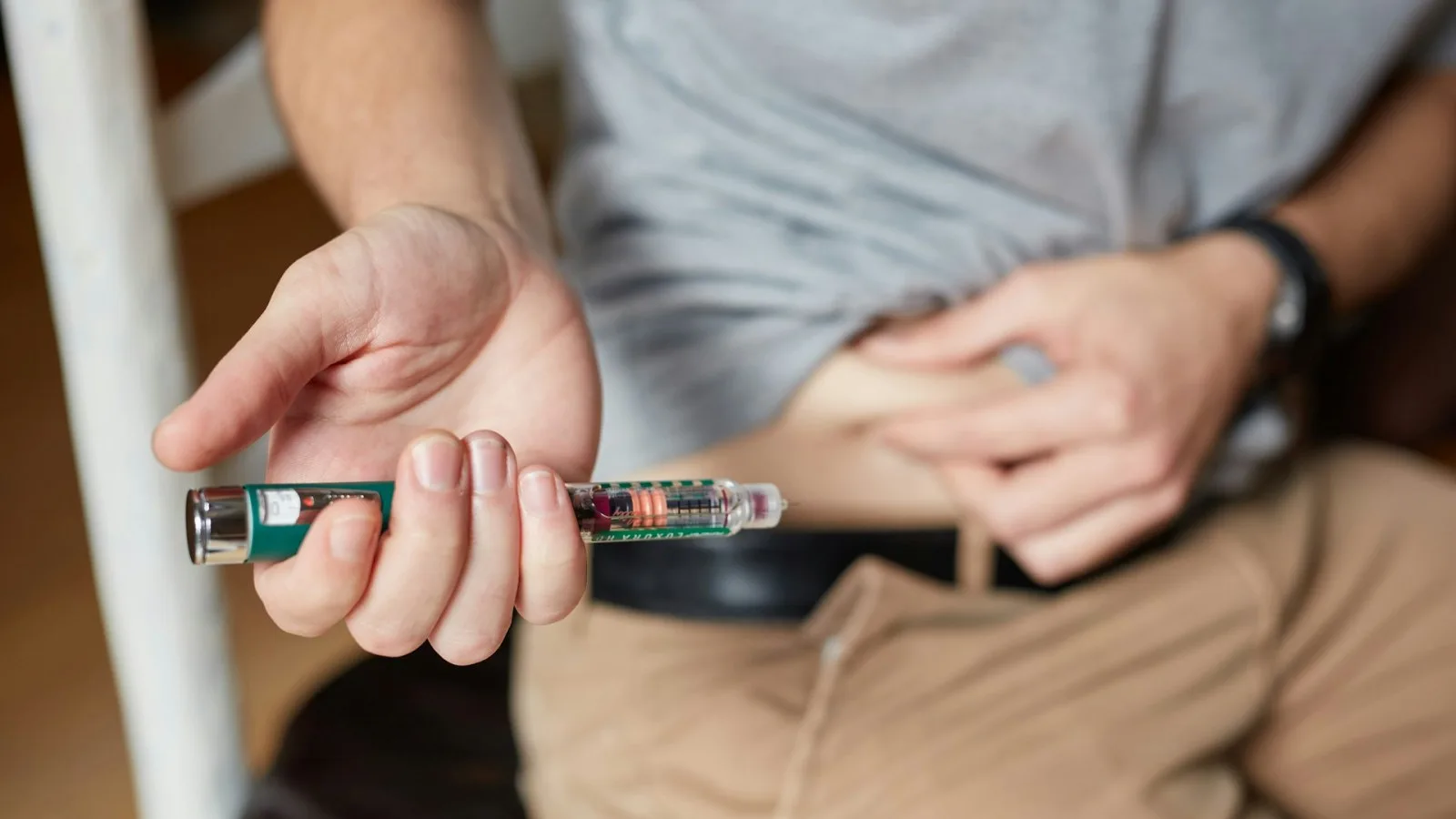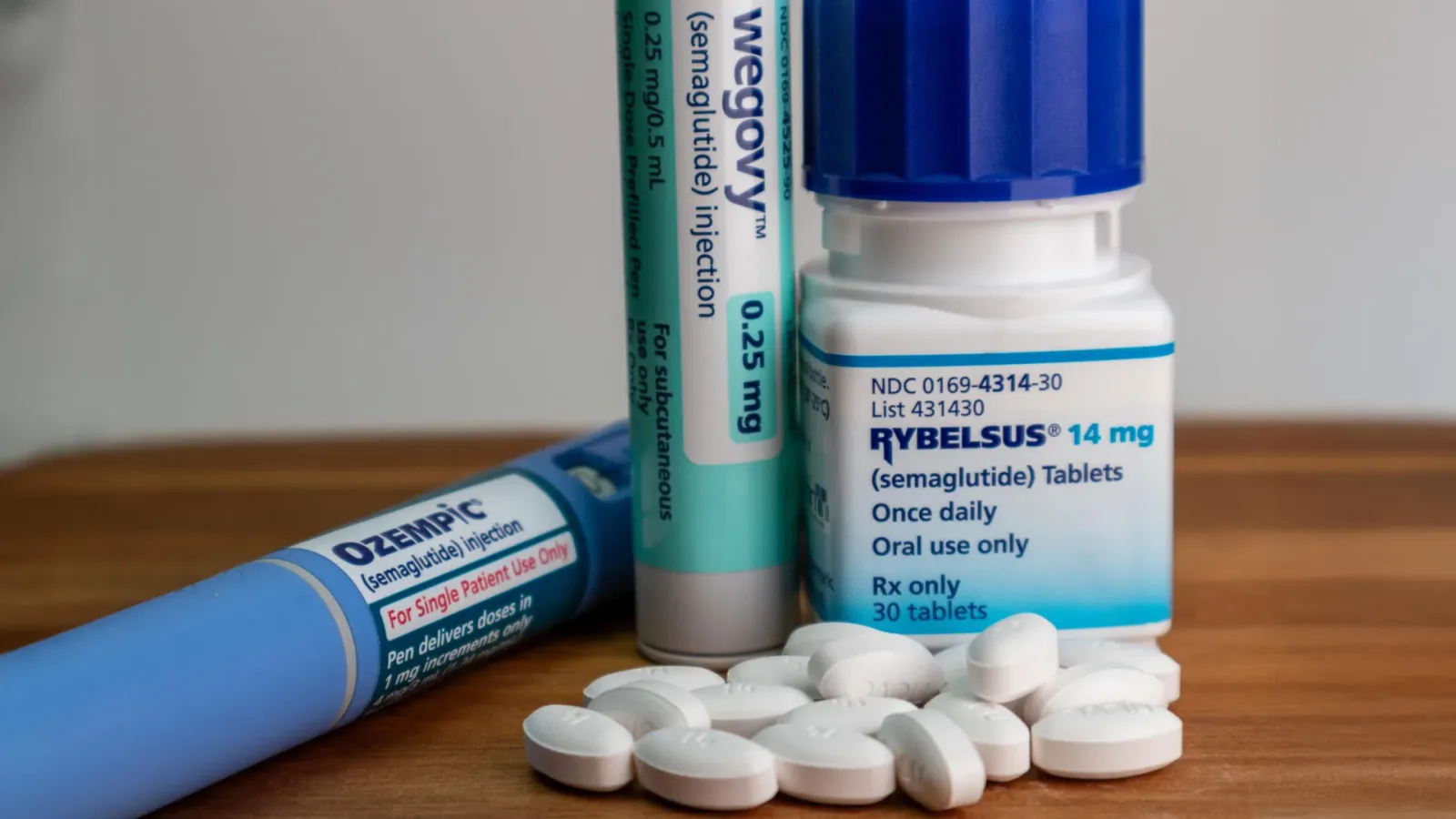

Glucagon-like peptide-1 (GLP-1) receptor agonists have emerged as powerful tools in managing type 2 diabetes and obesity. Medications such as semaglutide (marketed as Ozempic for diabetes and Wegovy for weight loss), liraglutide (Victoza, Saxenda), and tirzepatide (Mounjaro, Zepbound) mimic a natural hormone, signaling the brain to reduce hunger and promote satiety. While these drugs offer significant benefits, a substantial percentage of individuals—up to 40%—experience uncomfortable side effects, most notably nausea and vomiting. These adverse effects can be so challenging that they lead many to discontinue treatment, hindering their progress toward health goals.
Fortunately, ongoing scientific investigation is beginning to unravel the complex mechanisms by which these medications influence the brain. New studies, set to be presented at Neuroscience 2025, the Society for Neuroscience's premier annual event, are providing crucial insights into how GLP-1 drugs interact with brain networks involved in nausea, thirst, and even the brain's reward system. This research holds the promise of helping clinicians and patients find ways to harness the weight-loss benefits of these therapies while mitigating their less desirable effects, and potentially uncovering new therapeutic applications.
Understanding the Brain's Role in GLP-1 Medication Effects
GLP-1 medications work by interacting with GLP-1 receptors found throughout the body, including in key areas of the brain that regulate appetite, metabolism, and behavior. When these receptors are activated, they trigger a cascade of signals that can lead to reduced food intake, increased feelings of fullness, and subsequent weight loss. However, the same pathways that signal satiety can also influence areas of the brain responsible for detecting nausea and regulating thirst.
The latest research is dissecting these neural circuits with increasing precision. By studying these pathways in animal models, scientists are identifying specific brain regions and cellular mechanisms that contribute to both the therapeutic actions and the side effects of GLP-1 agonists. This deeper understanding is critical for developing strategies to enhance efficacy and tolerability.
Key Findings from New Research
Recent studies presented at Neuroscience 2025 highlight several significant advancements:
- Synergistic Weight Loss with Reduced Side Effects: Research involving obese rats demonstrated that combining low doses of tirzepatide (a dual GLP-1 and GIP receptor agonist) with oxytocin, a hormone associated with social bonding, resulted in substantial weight loss without the gastrointestinal distress typically seen with higher doses of tirzepatide alone. This suggests that oxytocin may help potentiate the weight-loss effects of GLP-1 therapies while dampening nausea.
- The Area Postrema's Central Role: In mice, nerve cells within the area postrema—a critical brain region known as the body's "vomit center"—were found to be essential for both the weight-loss and nausea-inducing effects of GLP-1 drugs. This finding pinpoints a key area where these dual actions converge.
- Targeting Reward-Driven Eating: Studies in mice revealed that activating GLP-1 receptors on specific cells in the central amygdala can trigger a newly identified brain circuit. This circuit effectively suppresses signals that drive pleasure-based eating, offering a potential mechanism for how GLP-1 agonists reduce cravings for highly palatable foods.
- Suppression of Thirst: GLP-1 receptor agonists have been shown to suppress thirst in addition to appetite. Research in rats suggests that a region in the forebrain called the median preoptic area plays a role in this thirst-suppressing effect, indicating that these drugs influence hydration signals.
Strategies for Managing Nausea and Other Side Effects
The prospect of separating the beneficial effects of GLP-1 medications from their adverse ones is a major focus for researchers and clinicians. While more research is needed, current findings point toward several potential strategies:
Pharmacological Approaches
The combination therapy approach, as seen with tirzepatide and oxytocin in animal studies, is a promising avenue. By using lower doses of the primary GLP-1 agonist in conjunction with another agent, it may be possible to achieve similar or even enhanced weight loss while significantly reducing nausea and other gastrointestinal symptoms. This strategy leverages the synergistic effects of different neurochemical systems.
Behavioral and Dietary Adjustments
While not directly addressing the neurological cause of nausea, certain behavioral and dietary modifications can help individuals tolerate the side effects better:
Precision tracking for your journey
Join thousands using Shotlee to accurately track GLP-1 medications and side effects.
📱 Get the Shotlee App
Track your GLP-1 medications, peptides, and health metrics on the go with our mobile app!
- Smaller, More Frequent Meals: Eating smaller portions throughout the day can prevent the stomach from becoming overly full, which can exacerbate nausea.
- Avoiding Trigger Foods: Fatty, fried, or very spicy foods are often more likely to cause digestive upset. Focusing on bland, easily digestible foods can be beneficial.
- Staying Hydrated: While GLP-1 drugs can reduce thirst, maintaining adequate hydration is crucial for overall health and can sometimes help alleviate mild nausea. Sip water or clear fluids throughout the day.
- Eating Slowly: Rushing meals can lead to swallowing air and indigestion, worsening nausea.
The Role of Health Tracking
For individuals managing their weight with GLP-1 medications, diligent health tracking can be invaluable. Using tools like the Shotlee app can help patients and their healthcare providers monitor:
- Symptom Onset and Severity: Logging when nausea or other side effects occur, their intensity, and potential triggers.
- Dosage Changes: Recording when medication doses are adjusted and observing the impact on both efficacy and side effects.
- Dietary Intake: Tracking food and fluid consumption to identify patterns related to symptom relief or exacerbation.
- Weight Progress: Monitoring weight loss trends to ensure the medication is effective and to correlate it with symptom management.
This data provides objective insights that can guide treatment adjustments and personalize care, making the journey more manageable and successful.
Beyond Weight Loss: Potential Therapeutic Applications
The influence of GLP-1 medications extends beyond appetite regulation. Dr. Lorenzo Leggio, Clinical Director of the National Institute on Drug Abuse (NIDA), notes that these therapies appear to affect brain networks involved in reward and motivation. This has led to investigations into their potential use for conditions such as binge eating disorder and other addictive disorders, where reward-driven behaviors play a significant role.
The newly identified brain circuit that dampens pleasure-based eating, as discovered in the amygdala research, is particularly relevant here. By modulating these reward pathways, GLP-1 agonists might offer a novel therapeutic approach for individuals struggling with impulse control and compulsive eating behaviors.
Future Directions in GLP-1 Therapy
The research presented at Neuroscience 2025 represents a significant step forward in understanding the complex pharmacology of GLP-1 receptor agonists. Key areas for future development include:
- Developing Targeted Therapies: The goal is to design medications that specifically activate the appetite-suppressing pathways while minimizing interaction with the nausea and thirst centers.
- Personalized Treatment Strategies: Utilizing insights into individual brain responses to tailor medication choice, dosage, and combination therapies.
- Expanding Therapeutic Indications: Further research into the effects of GLP-1 agonists on reward pathways could lead to new treatments for a range of behavioral health conditions.
The ongoing exploration of how GLP-1 medications interact with brain networks is crucial for optimizing their use in managing chronic diseases and improving patient quality of life.
Practical Takeaways
For individuals taking Ozempic, Wegovy, Mounjaro, or Zepbound:
- Communicate with Your Doctor: Discuss any side effects, especially nausea, with your healthcare provider. They can help adjust your dosage or explore strategies to manage symptoms.
- Be Patient: Side effects often lessen over time as your body adjusts to the medication.
- Implement Dietary Changes: Small, frequent meals and avoiding trigger foods can make a significant difference.
- Utilize Health Tracking Tools: Apps like Shotlee can help you and your doctor monitor progress and symptoms, leading to more informed treatment decisions.
Conclusion
The growing body of research on GLP-1 medications is transforming our understanding of their impact on brain function. While side effects like nausea remain a challenge for many, scientific advancements are paving the way for more tolerable and effective treatments. By combining pharmacological innovations with practical dietary adjustments and diligent health tracking, individuals can better manage their weight loss journey and achieve their health goals with greater comfort and success.