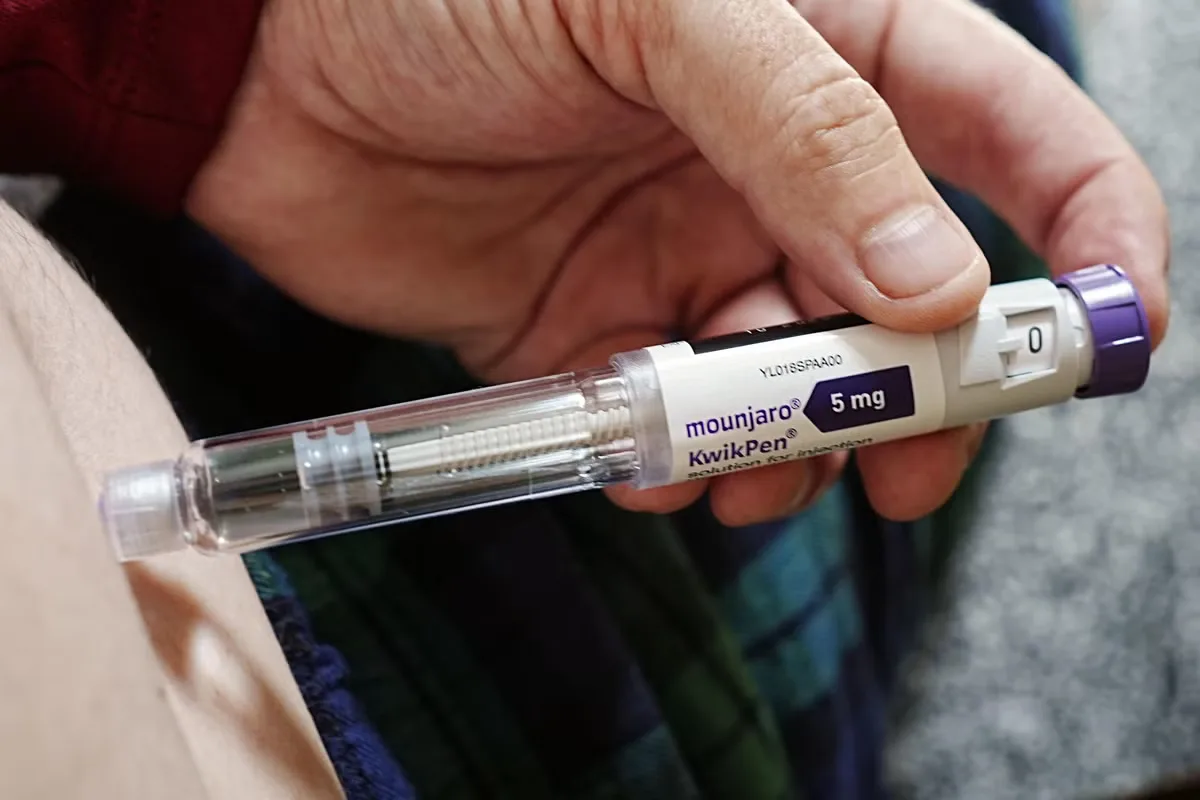

The advent of GLP-1 receptor agonist medications, including widely recognized names like semaglutide (Ozempic, Wegovy, Rybelsus) and tirzepatide (Mounjaro, Zepbound), has undeniably reshaped the landscape of obesity treatment. These powerful drugs have offered new hope and tangible results for many individuals struggling with this complex chronic condition. However, leading medical experts suggest that these medications, while transformative, represent only one facet of a much larger, evolving picture in managing obesity, one of the most prevalent health challenges in the United States and globally.
A recent commentary published in the American Gastroenterological Association's journal, Gastroenterology, revisits and updates the influential POWER (Practice Guide on Obesity and Weight Management, Education, and Resources) framework. Originally introduced in 2017, the updated framework, titled "Revisiting POWER in the GLP-1 Age," acknowledges the profound shifts in obesity care. These include not only the emergence of highly effective weight loss medications but also significant advancements in endoscopic therapies, the expanded role of bariatric surgery, and the growing importance of precision medicine in tailoring treatments to individual patient needs.
The Expanding Spectrum of Obesity Treatment Beyond Medication
The authors of the commentary emphasize that GLP-1 receptor agonists have indeed been a pivotal development, dramatically altering the approach to obesity management. Yet, they strongly advocate for a more holistic and comprehensive strategy. This approach recognizes that while medications are a crucial component, they are most effective when integrated with other therapeutic modalities, including endoscopic procedures and surgical interventions, chosen based on individual patient profiles and needs.
The updated POWER framework also embraces the concept of "clinical obesity." This perspective moves beyond a singular focus on body mass index (BMI) to understand obesity as a complex, chronic disease that impacts multiple organ systems. It acknowledges the limitations of relying solely on BMI for risk assessment and highlights the need for a broader evaluation of a patient's overall health status.
The trend in obesity treatment is clearly shifting towards a multidisciplinary model. This model fosters collaboration among various specialists and therapeutic approaches. Instead of viewing medications, endoscopic procedures, and bariatric surgery as distinct or competing strategies, experts now see them as complementary tools. These tools can be strategically combined and personalized to create the most effective treatment plan for each individual patient, maximizing both weight loss and long-term health outcomes.
Emerging Evidence for Endoscopic Therapies and Precision Medicine
The commentary specifically highlights the growing body of evidence supporting endoscopic bariatric and metabolic therapies. Procedures such as endoscopic sleeve gastroplasty are proving to be effective treatment options for individuals with obesity, offering less invasive alternatives or adjuncts to traditional surgical methods.
Furthermore, significant strides in genetics and precision medicine are poised to revolutionize how obesity is treated. Researchers are gaining a deeper understanding of the biological and genetic factors that influence an individual's susceptibility to obesity and their response to different treatments. This knowledge is paving the way for physicians to more accurately identify which therapies are most likely to benefit specific patients, leading to more personalized and effective treatment plans.
Precision tracking for your journey
Join thousands using Shotlee to accurately track GLP-1 medications and side effects.
📱 Get the Shotlee App
Track your GLP-1 medications, peptides, and health metrics on the go with our mobile app!
The potential for combining therapies is another exciting frontier. Early evidence suggests that integrating GLP-1 medications with endoscopic procedures or bariatric surgery could lead to more substantial and sustained weight loss compared to using either approach in isolation. This synergistic effect underscores the power of a multi-pronged strategy in tackling obesity.
The Crucial Role of Gastroenterologists in Obesity Management
The paper also underscores the indispensable role that gastroenterologists and hepatologists play in the comprehensive management of obesity and its associated health complications. These specialists are often at the forefront of treating conditions frequently linked to excess weight, such as metabolic dysfunction-associated steatotic liver disease (MASLD), gastroesophageal reflux disease (GERD), gallbladder disorders, and various gastrointestinal issues exacerbated by obesity.
Given their close and frequent interaction with patients managing these conditions, gastroenterologists and hepatologists are uniquely positioned to lead and influence the future direction of obesity management. As treatment options continue to diversify and advance, their expertise will be vital in guiding patients through complex therapeutic pathways and ensuring integrated, effective care.
Integrating Progress Tracking with Comprehensive Care
As the field of obesity treatment expands to include a wider array of medications, procedures, and personalized strategies, the importance of meticulous progress tracking becomes paramount. For individuals undergoing treatment, whether it involves GLP-1 medications, endoscopic therapies, or surgical interventions, monitoring key health metrics is essential. This includes tracking weight loss, changes in metabolic markers, symptom frequency and severity, and adherence to treatment plans and medication dosages.
Tools like Shotlee can be invaluable in this regard. By allowing patients to log their medication intake, track weight fluctuations, record dietary habits, and note any side effects or improvements, Shotlee provides a detailed and organized record of their journey. This data can be shared with healthcare providers, enabling more informed discussions and timely adjustments to treatment plans. Effective health tracking ensures that the comprehensive approach to obesity management is supported by real-world data, leading to better patient engagement and improved outcomes.
The Future of Obesity Treatment: A Collaborative and Personalized Approach
The evolution of obesity treatment is a testament to ongoing scientific inquiry and a growing understanding of this complex disease. While GLP-1 medications have provided a significant breakthrough, they are best viewed as part of a broader, more integrated strategy. The future promises a landscape where personalized medicine, advanced endoscopic and surgical techniques, and pharmaceutical interventions work in concert.
This collaborative, multidisciplinary approach, guided by specialists like gastroenterologists and supported by robust patient tracking, is key to achieving sustainable weight management and improving the overall health and well-being of individuals living with obesity. The real revolution in obesity treatment is not just about a single drug, but about the comprehensive, personalized, and integrated care that is now becoming a reality.
Practical Takeaways
- GLP-1 medications are highly effective but are most beneficial as part of a comprehensive obesity management plan.
- Obesity is a chronic disease requiring a multidisciplinary approach that may include medication, endoscopic procedures, and surgery.
- Precision medicine and genetics will play a larger role in tailoring treatments to individual patients.
- Gastroenterologists are crucial in managing obesity-related complications and guiding treatment strategies.
- Consistent tracking of progress, symptoms, and medication adherence is vital for optimizing treatment outcomes.
Key Considerations in Obesity Treatment
| Therapeutic Modality | Key Advancements/Considerations |
|---|---|
| GLP-1 Receptor Agonists (e.g., Semaglutide, Tirzepatide) | Significant weight loss, improved metabolic markers. Require ongoing use, potential side effects, part of a broader plan. |
| Endoscopic Therapies (e.g., Endoscopic Sleeve Gastroplasty) | Less invasive than surgery, effective for weight loss. Growing evidence base, can be combined with other treatments. |
| Bariatric Surgery | Proven long-term effectiveness for significant weight loss and remission of comorbidities. Requires careful patient selection and post-operative management. |
| Precision Medicine | Utilizes genetic and biological data to personalize treatment selection. Aims to maximize efficacy and minimize adverse effects. |
| Multidisciplinary Care | Integration of various specialists (endocrinologists, gastroenterologists, dietitians, surgeons) for holistic management. |