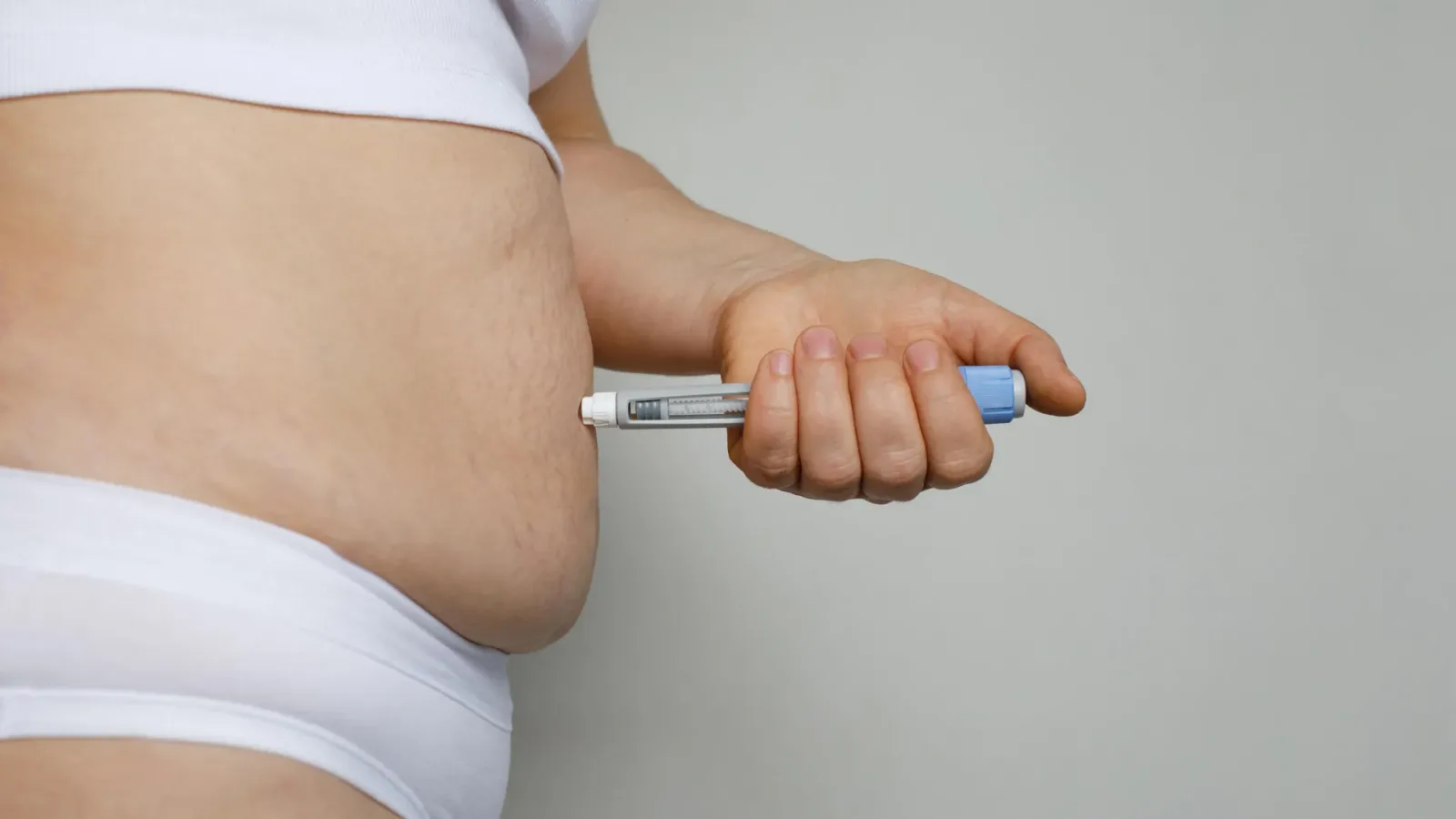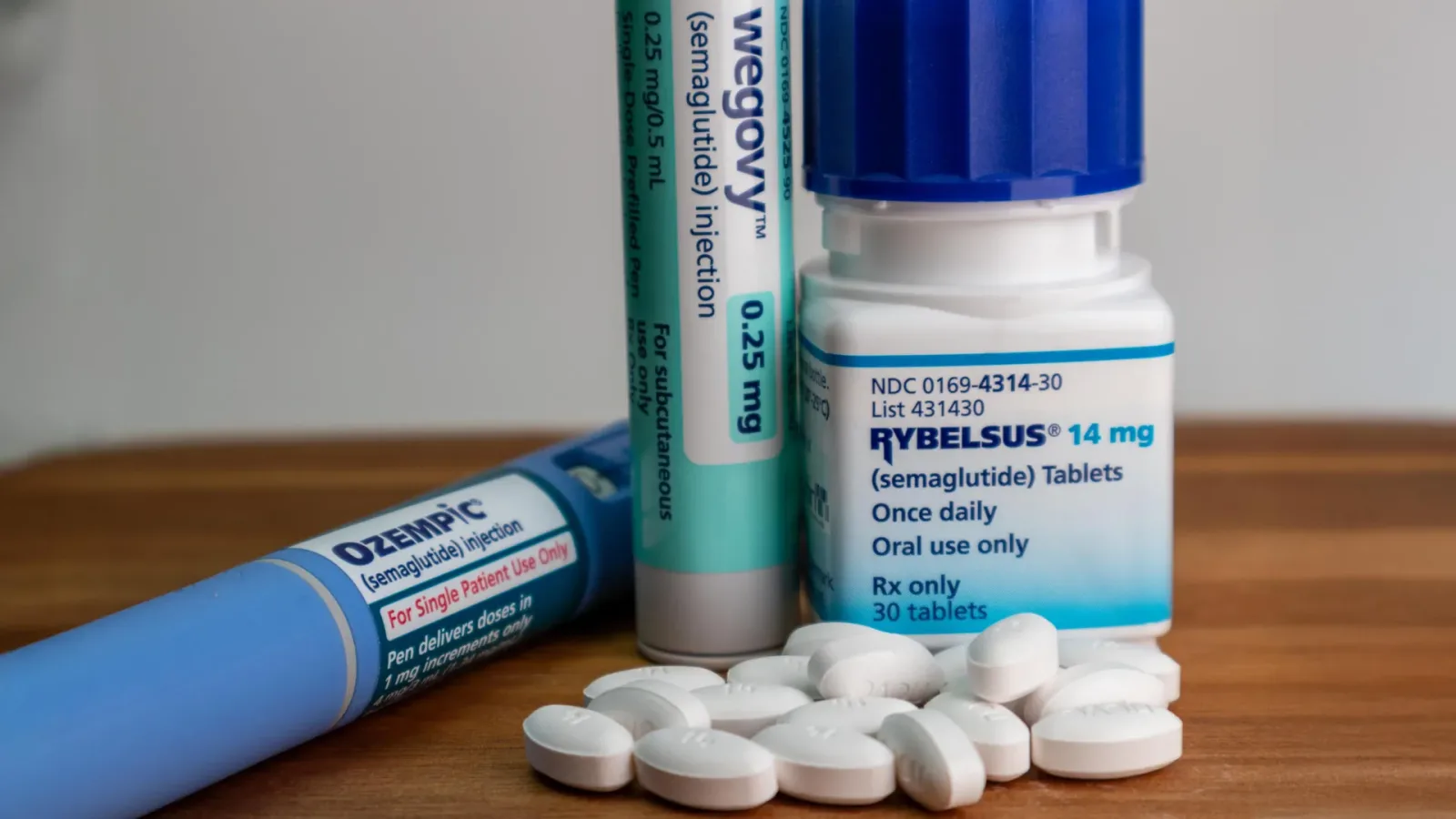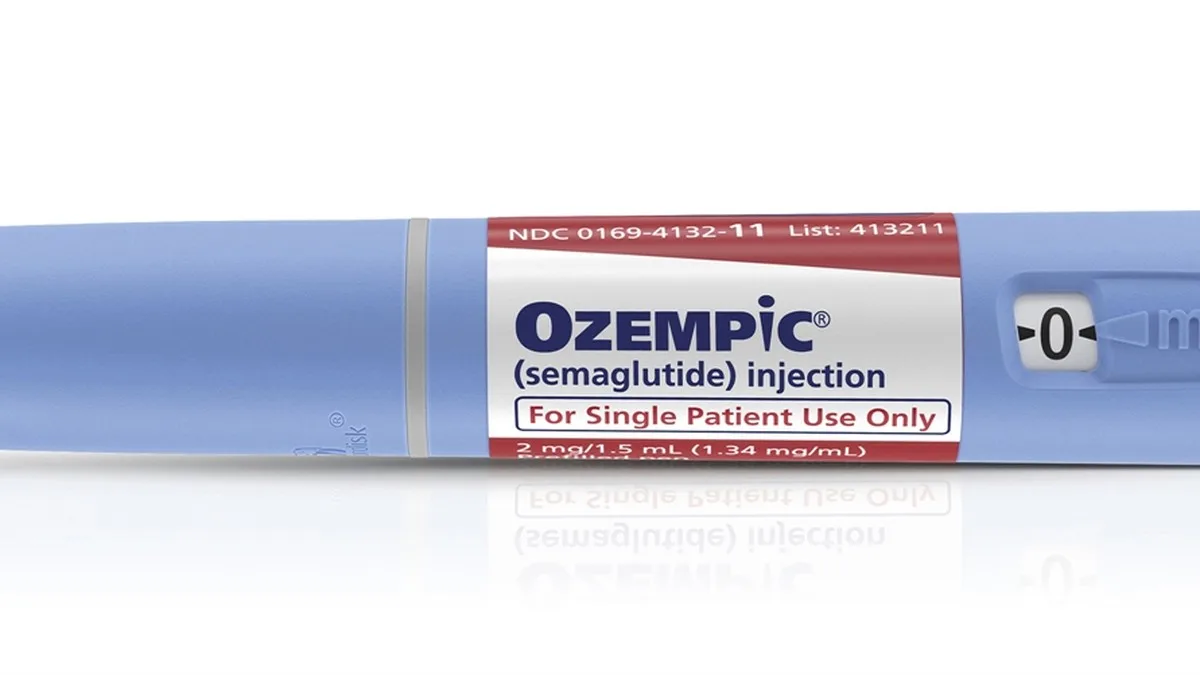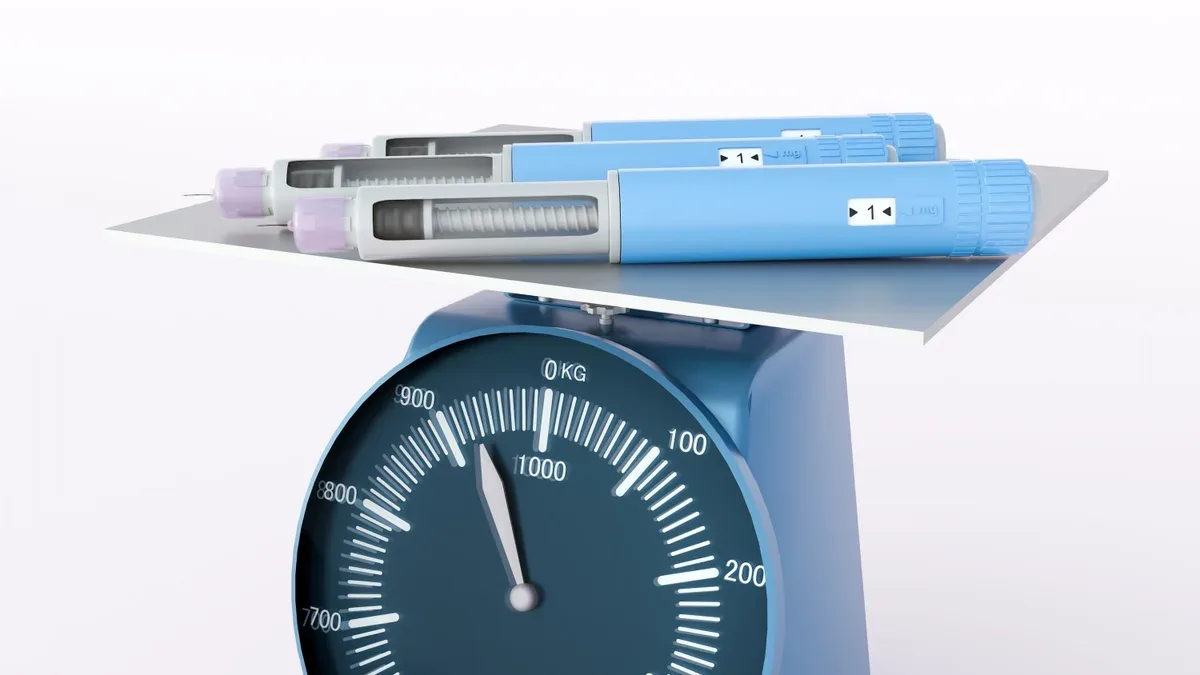

The landscape of weight management is rapidly evolving, driven by groundbreaking advancements in pharmaceutical science. While medications like semaglutide (Ozempic, Wegovy) and tirzepatide (Mounjaro, Zepbound) have already transformed the lives of millions, a new frontier is emerging with drugs like retatrutide. These next-generation agents are demonstrating even more potent effects, achieving remarkable rates of weight loss that rival bariatric surgery. However, this accelerated progress also brings critical questions to the forefront: How much weight loss is too much, too fast? And what are the potential consequences for the body's intricate systems?
The Dawn of Potent Weight Loss Therapies
The journey of GLP-1 receptor agonists has been a remarkable one. Initially developed to manage type 2 diabetes, their profound impact on appetite regulation and satiety quickly positioned them as powerful tools for weight loss. Current leading medications, such as Wegovy, can facilitate an average loss of around 10% of body weight over a year, while Zepbound has shown an average of 15% loss in the same timeframe. The pharmaceutical race is now focused on even more effective agents, and retatrutide, developed by Eli Lilly, is at the vanguard. In recent clinical trials, participants on the highest dose of retatrutide achieved an astonishing weight loss exceeding a quarter of their body weight over 80 weeks. These results are not only comparable to surgical interventions but also signal a potential paradigm shift in obesity treatment, with U.S. Food and Drug Administration approval anticipated.
Yet, as the scale drops, the complex biological processes within the body are also undergoing significant changes. Weight loss, regardless of the method, inherently affects not just fat but also muscle and bone mass. As these newer GLP-1 medications promote faster and more substantial weight reduction, clinicians and researchers are emphasizing the need for a balanced approach. The pursuit of improved health outcomes, such as better cardiovascular function, must be carefully weighed against the very real physiological risks associated with rapid and significant body composition changes.
Understanding What's Being Lost: Fat, Muscle, and Bone
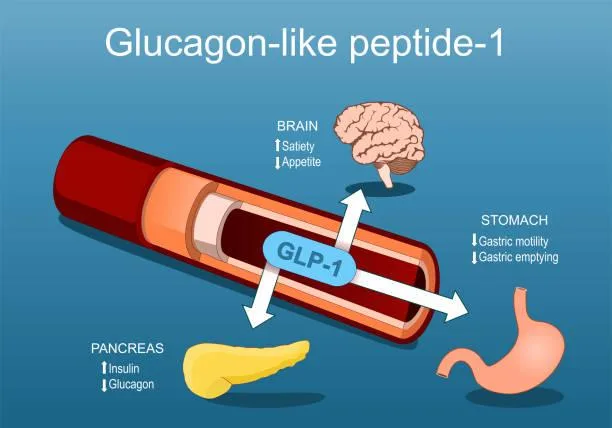
At its core, weight loss occurs when energy expenditure consistently exceeds energy intake. Traditional methods include dietary modifications and bariatric surgery, which physically alters the digestive system to limit nutrient absorption. GLP-1 hormones, naturally released after meals, play a crucial role in signaling fullness and regulating blood glucose. Synthetic versions, like semaglutide, prolong these effects, leading to reduced food intake. Newer drugs, including tirzepatide and retatrutide, target multiple gut hormone receptors, amplifying these satiety signals and contributing to more significant weight loss.
However, the composition of this lost weight is a critical consideration. "You can't just burn fat," explains Dr. Caroline Apovian, an obesity medicine specialist at Harvard Medical School and Brigham and Women's Hospital. "When someone takes in fewer nutrients than they need, their body begins to utilize fat stores. This metabolic process requires amino acids, the building blocks of proteins. If amino acids aren't adequately replenished from dietary protein, the body will recycle parts of muscle instead." This means that substantial weight loss, particularly when calorie intake is significantly restricted without adequate protein, inevitably involves a loss of lean mass, including muscle.
Preliminary reports suggest that GLP-1 treatments may lead to a loss of lean mass ranging from 25% to 40%. While more research is needed to fully understand the impact on strength, this loss is a significant concern. Furthermore, rapid and substantial weight loss can also affect bone density. "Losing muscle and fat puts less pressure on bones, so a lighter body could lead to lighter bones," Dr. Apovian notes. This is particularly concerning for women, who are more likely to use these treatments and are already at increased risk of bone weakening during menopause. Some patients have reported developing osteopenia, a condition of low bone mass, with GLP-1 use, which can escalate to fractures if not managed. Eli Lilly has acknowledged that the retatrutide trial did not specifically evaluate muscle or bone mass changes but is continuing to monitor body composition and long-term outcomes.
Gallbladder Health: A Hidden Risk
Beyond concerns about muscle and bone, rapid weight loss can also elevate the risk of developing gallstones. "People who lose large amounts of body fat in short periods of time may also be at greater risk of developing gallstones," states Dr. Rozalina McCoy, an endocrinologist at the University of Maryland School of Medicine. During rapid fat loss, bile acids, essential for fat digestion, become more concentrated. This can lead to cholesterol saturation of the bile, causing it to thicken and potentially form stones.
Compounding this risk, GLP-1 drugs inherently slow gastric emptying, meaning food moves more slowly through the digestive tract. This effect can prevent the gallbladder from releasing bile efficiently, further contributing to bile stasis and the formation of gallstones. While obesity itself is a risk factor for gallstones, clinical trial data indicates that individuals on GLP-1 treatments face a 37% higher relative risk of gallbladder disease. Dr. Armen Yerevanian, an endocrinologist at Massachusetts General Hospital, highlights that while patients often focus on rarer side effects like thyroid cancer, gallstones are a more common complication that warrants attention.
Precision tracking for your journey
Join thousands using Shotlee to accurately track GLP-1 medications and side effects.
📱 Get the Shotlee App
Track your GLP-1 medications, peptides, and health metrics on the go with our mobile app!
Navigating the Pace of Weight Loss
The retatrutide trial results, showing a 28.3% average body weight loss (approximately 70 pounds) over 18 months, are indeed impressive. While comparable to bariatric surgery in the long term, Dr. McCoy points out that the initial rate of loss with surgery is typically much faster, with significant changes occurring within the first month. Retatrutide's pace also appears slower than highly restrictive methods like the protein-sparing modified fast, which involves consuming around 800 calories daily under medical supervision.
From this perspective, Dr. Yerevanian suggests that the rate of weight loss with retatrutide may not be alarmingly fast enough to warrant immediate concern for the most severe complications associated with extremely rapid loss. For individuals who might otherwise consider bariatric surgery or medically supervised fasts, retatrutide and similar advanced GLP-1s could offer a less invasive alternative. They may also benefit individuals who have not responded to existing GLP-1 therapies.
Close medical supervision is paramount for anyone on these potent medications. Clinicians must monitor patients to prevent excessive weight loss and nutrient deficiencies. The adjustability of GLP-1 medication doses offers a degree of control; reducing the dose can lead to weight regain. Crucially, preliminary evidence suggests that weight regained after discontinuing GLP-1 treatment is more likely to be fat than lean mass, and the positive effects on cardiovascular health and diabetes management may also reverse. This potential rebound effect could leave individuals in a less healthy metabolic state than before treatment, underscoring the importance of long-term strategies.
Strategies for Mitigating Risks and Maximizing Benefits
Fortunately, proactive measures can significantly mitigate the risks of muscle and bone loss associated with GLP-1 therapy. Dr. Apovian emphasizes the importance of adequate protein intake, especially when on a reduced-calorie diet. "It seems that most Americans eat enough protein, but if you're on a GLP-1, or you're trying to lose weight, and you're on a lower calorie diet, that's when you need to be cognizant," she advises. This dietary focus must be combined with regular resistance training. Even light weightlifting can help preserve muscle mass, though many patients may need to increase their efforts in this area.
For bone health, supplementation with calcium and vitamin D can play a vital role in preventing bone loss. As these powerful medications become more accessible, the need for clear clinical guidelines regarding patient selection and appropriate medication use is growing. Societal pressures and stigma surrounding body size can influence individuals' desire for rapid weight loss. However, experts like Dr. McCoy advocate for a shift in focus: "Prescribing these drugs is about balancing risk and benefit, not about a person's body size." The ultimate goal, she stresses, should be improved health and well-being, rather than solely focusing on the number on the scale.
For individuals using GLP-1 medications, diligent tracking of their progress, including weight, body composition changes, symptoms, and medication adherence, is essential. Tools like Shotlee can empower patients and their healthcare providers with valuable data, facilitating informed adjustments to treatment plans and ensuring that the journey toward better health is both effective and sustainable.
Conclusion
Retatrutide and other emerging GLP-1 therapies represent a significant leap forward in the management of obesity, offering unprecedented weight loss potential. While these advancements hold immense promise for improving health outcomes, they also necessitate a deeper understanding of their impact on body composition and overall physiology. By prioritizing a balanced approach that includes adequate nutrition, targeted exercise, and vigilant medical monitoring, individuals can navigate the risks associated with rapid weight loss and harness the transformative benefits of these powerful new treatments. The focus must remain on achieving sustainable health improvements, ensuring that the pursuit of a healthier body supports, rather than compromises, long-term well-being.
Practical Takeaways:
- Prioritize Protein: Ensure adequate protein intake to preserve muscle mass, especially on calorie-restricted diets.
- Embrace Resistance Training: Incorporate regular weight-bearing exercises to combat muscle loss.
- Support Bone Health: Consider calcium and vitamin D supplementation to maintain bone density.
- Monitor for Gallstones: Be aware of the increased risk and report any related symptoms to your doctor.
- Maintain Medical Oversight: Regular check-ups and open communication with your healthcare provider are crucial for safe and effective treatment.