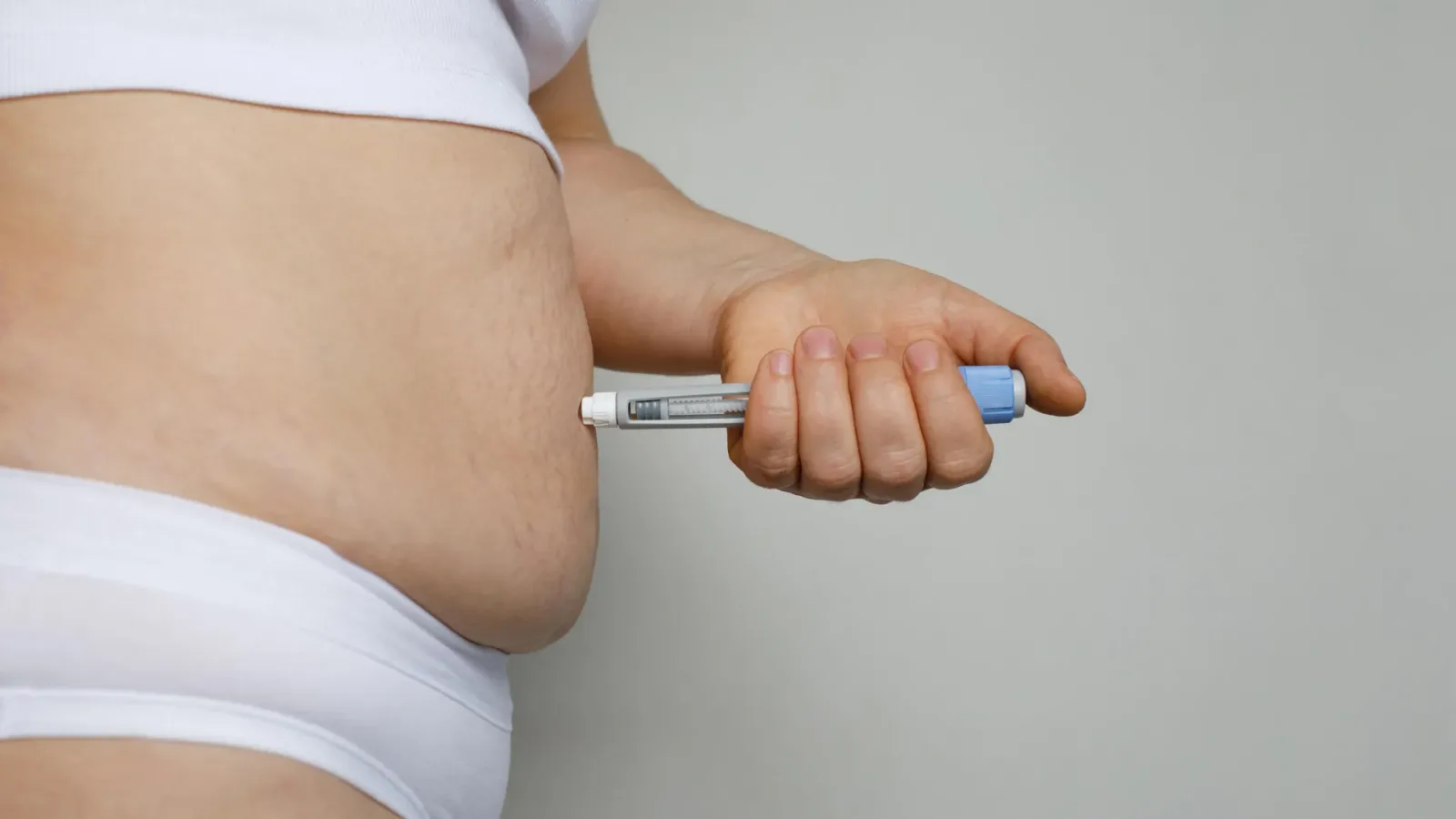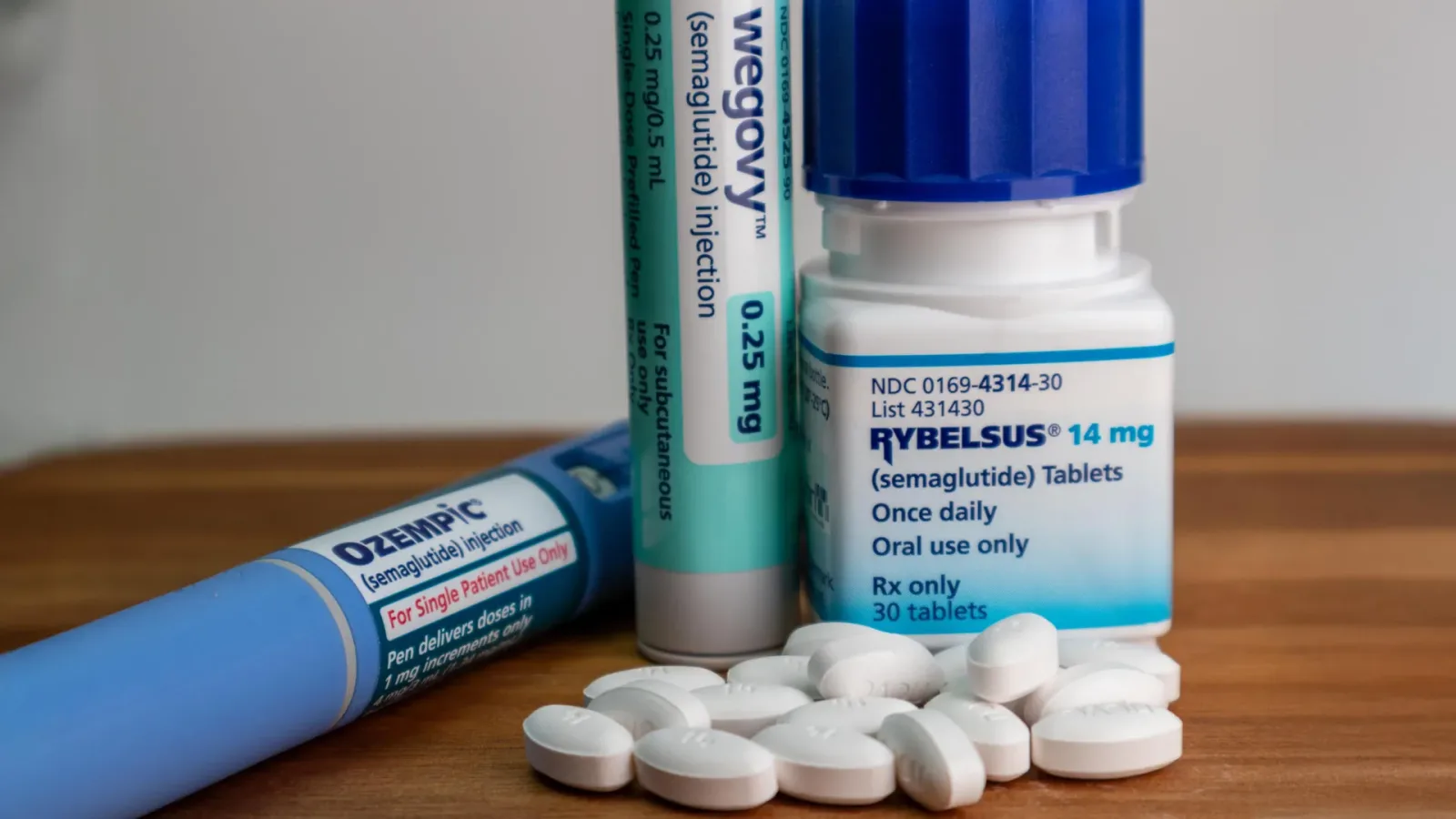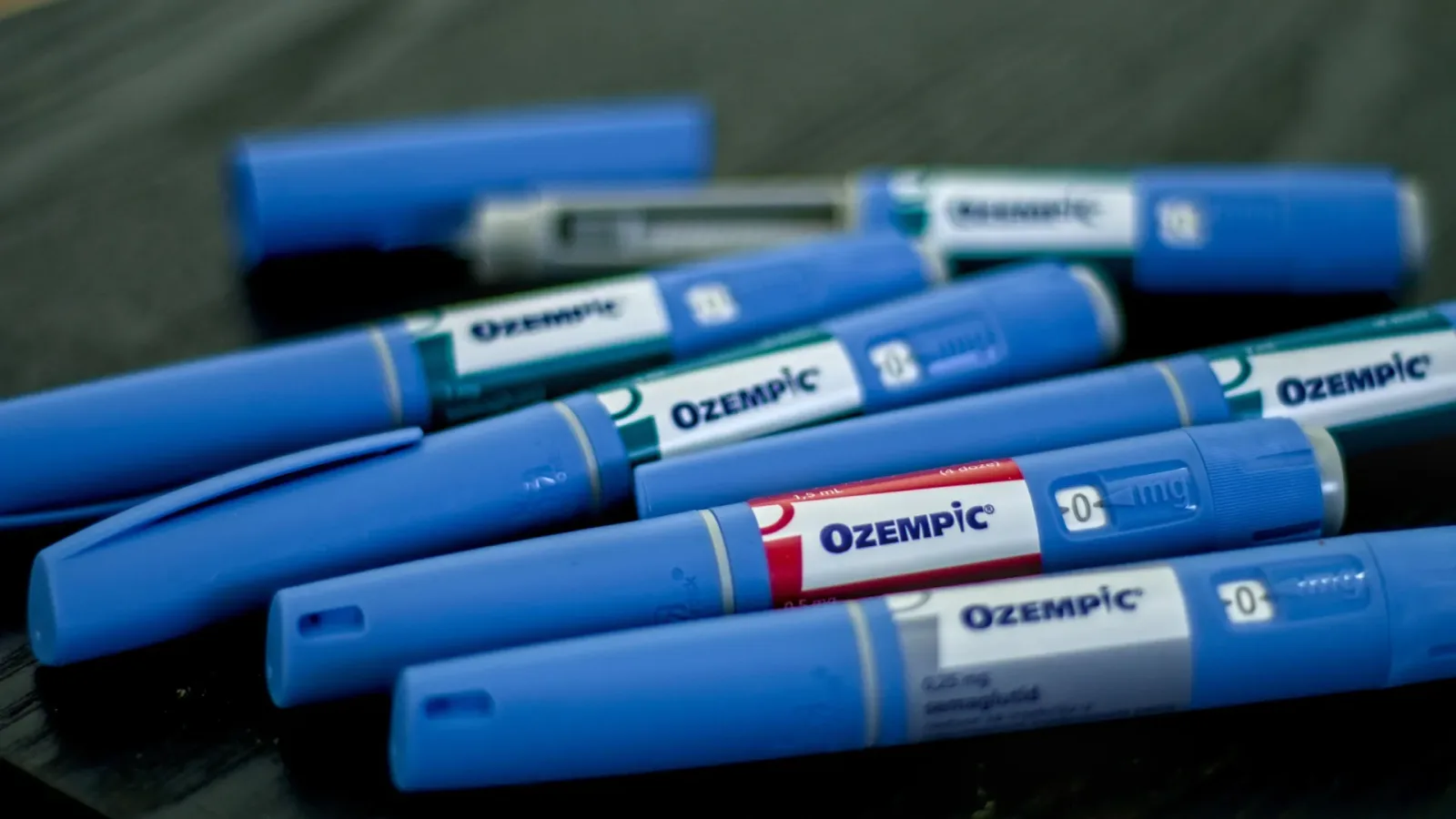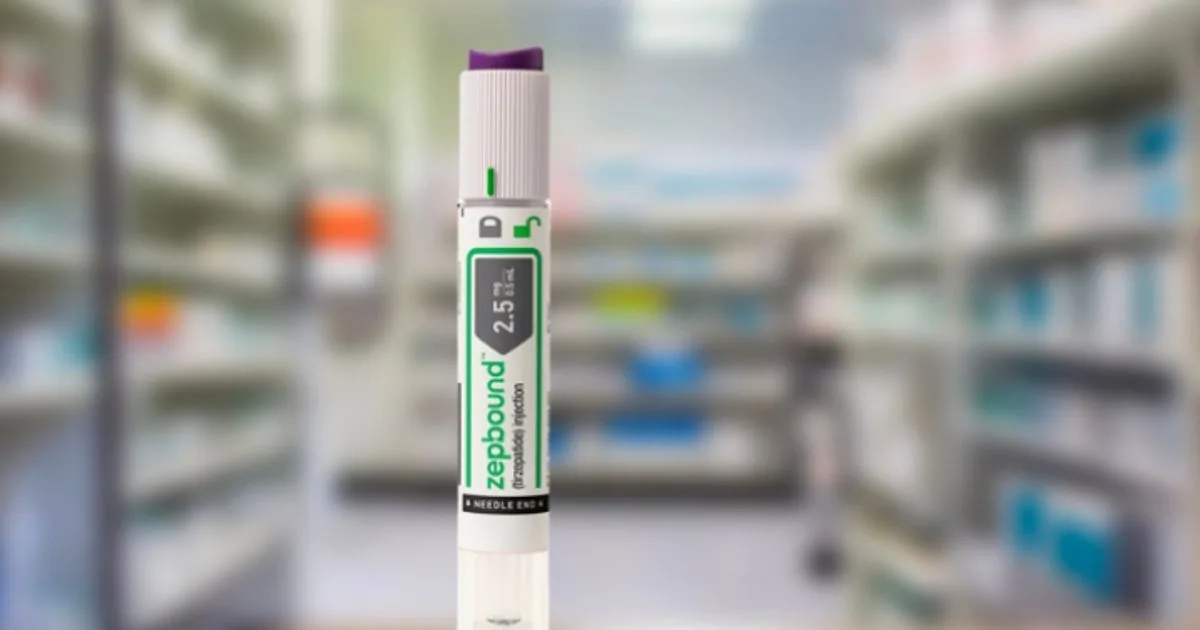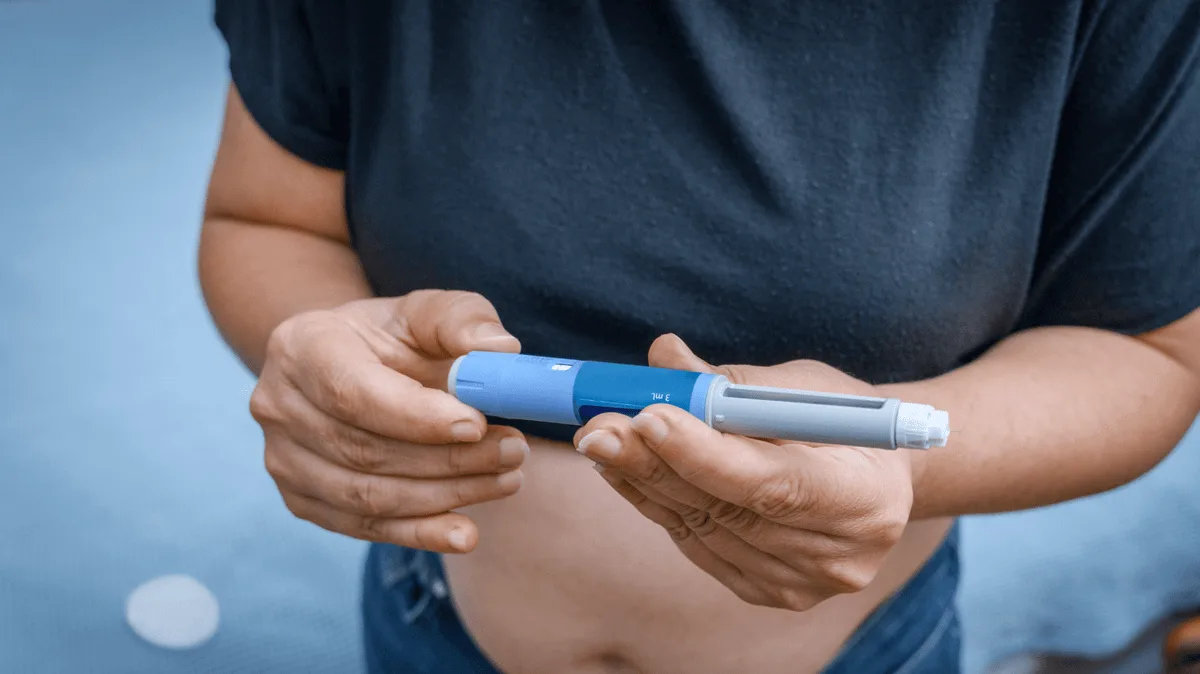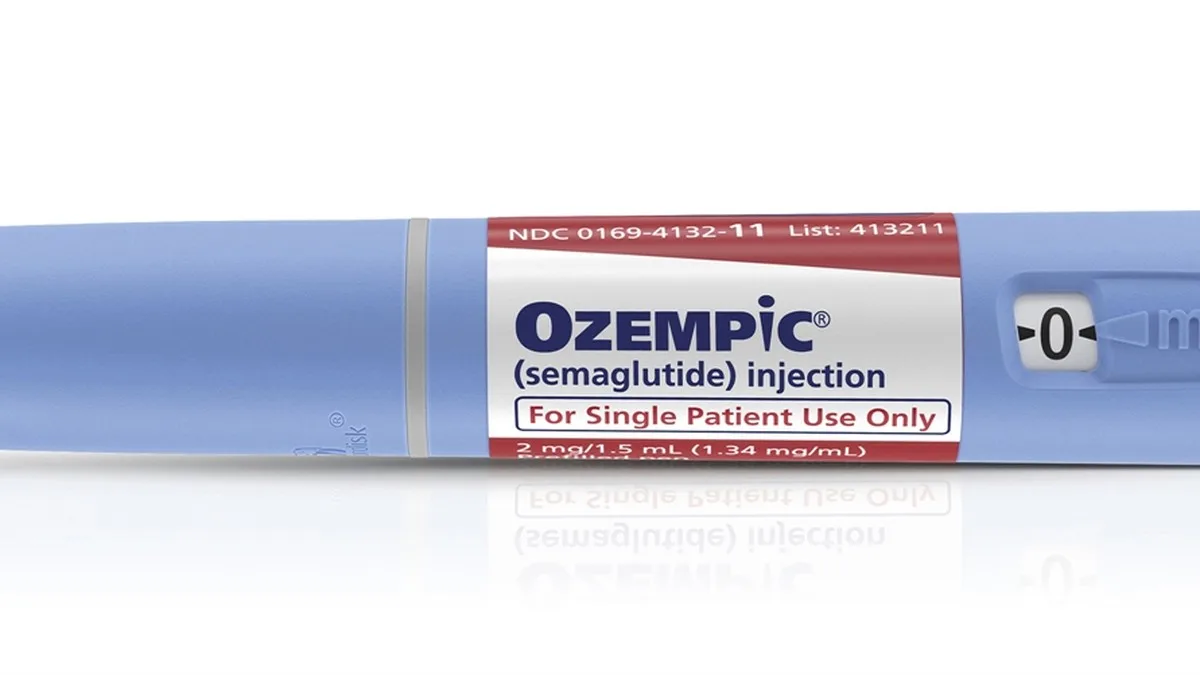

The landscape of metabolic health treatment is undergoing a profound transformation, driven by a class of medications known as GLP-1 analogues. Once primarily recognized for their role in managing type 2 diabetes, drugs like Ozempic, Wegovy, Mounjaro, and Zepbound are now at the forefront of addressing the global obesity epidemic and reducing cardiovascular risk. This evolution marks a significant shift, positioning GLP-1 therapies as comprehensive platforms for metabolic care. According to recent market intelligence, the global GLP-1 analogues market is projected to surge from approximately US$62.81 billion in 2024 to a staggering US$299.08 billion by 2033, signifying a compound annual growth rate (CAGR) of 17.6% during this period. This remarkable expansion underscores the increasing demand and broad application of these powerful therapeutic agents.
The Convergence of Health Challenges Fueling GLP-1 Demand
The remarkable growth trajectory of the GLP-1 analogues market is not a singular phenomenon but rather a convergence of several critical global health trends. At its core, the escalating prevalence of type 2 diabetes and the relentless rise in global obesity rates create a massive foundation for demand. These conditions, often intertwined, represent significant public health challenges with far-reaching consequences.
The World Health Organization (WHO) reports that in 2022, a substantial 43% of adults globally were overweight, and 16% were living with obesity. The numbers are equally concerning for younger generations, with over 390 million children and adolescents classified as overweight. Simultaneously, the burden of diabetes has intensified, with the number of individuals living with the condition more than quadrupling since 1990, reaching 830 million in 2022. Alarmingly, a significant portion of these individuals do not receive adequate medication, highlighting a critical unmet need for effective management strategies.
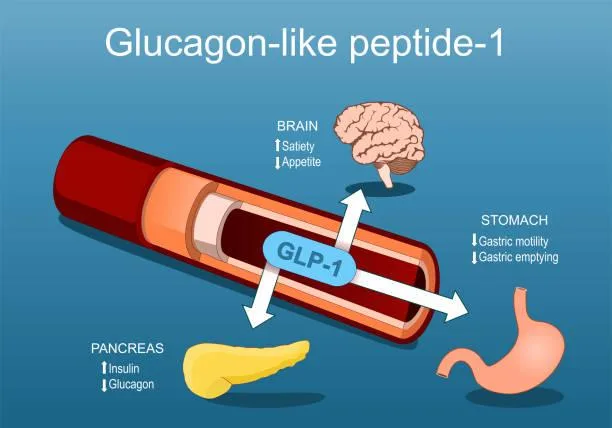
GLP-1 analogues address these intertwined issues by mimicking the action of the naturally occurring Glucagon-Like Peptide-1 hormone. This hormone plays a crucial role in regulating blood glucose by stimulating insulin secretion, suppressing glucagon release, and importantly, promoting a feeling of fullness, which leads to reduced appetite and caloric intake. This dual action makes them highly effective not only for glycemic control but also for supporting significant weight loss.
Beyond Glucose Control: Expanding Therapeutic Horizons
What elevates the GLP-1 market beyond traditional diabetes management is its expanding role in broader cardiometabolic care. Emerging evidence and expanded regulatory approvals are positioning these drugs as vital tools for reducing cardiovascular and kidney disease risks. A landmark moment occurred in March 2024 when the U.S. Food and Drug Administration (FDA) approved Wegovy (semaglutide) for reducing the risk of cardiovascular death, heart attack, and stroke in adults with established cardiovascular disease and obesity or overweight, when used in conjunction with a reduced-calorie diet and increased physical activity. This approval signifies a paradigm shift, transforming GLP-1s from diabetes medications into comprehensive cardiometabolic interventions.
Further bolstering this expanded therapeutic scope, the FDA approved Ozempic in January 2025 for a specific indication: reducing the risk of worsening kidney disease, kidney failure, and cardiovascular death in adults with type 2 diabetes and chronic kidney disease. This approval, based on the robust FLOW phase 3b clinical trial, underscores the profound impact these agents can have on protecting vital organs and improving long-term health outcomes for a wider patient population.
Key Players and Product Innovations Driving Market Growth
The GLP-1 market is characterized by a dynamic competitive landscape featuring both established pharmaceutical giants and innovative emerging players. Among the leading products, Ozempic has carved out a significant market share, projected to hold 27.5% of the global GLP-1 market in 2024. Its success is attributed to its selective binding and activation of the GLP-1 receptor, coupled with structural modifications that allow for convenient once-weekly dosing. This ease of administration is a critical factor in long-term chronic disease management, enhancing patient adherence and overall treatment success.
The semaglutide molecule, underpinning Ozempic and Wegovy, has become a recognized leader in metabolic care, supported by strong clinical data for diabetes control, weight management, and now, cardiovascular benefits. As the therapeutic applications of GLP-1s continue to broaden, established brands with strong clinical familiarity and physician trust are poised to maintain a central role in market growth.
The Next Frontier: Oral Formulations and Novel Molecules
Innovation is a constant in the GLP-1 space, with the development of oral formulations and next-generation molecules opening new avenues for growth and patient access. The introduction of oral GLP-1 agonists represents a significant leap forward, potentially overcoming the barrier of injectable administration for patients who are hesitant or unable to use needles. This enhanced convenience could dramatically expand the adoption of these therapies.
The pipeline is robust with promising developments. For instance, positive Phase IIa results for MET-097i, an investigational GLP-1 receptor agonist designed for obesity with potential once-monthly dosing, and positive Phase 1 results for TERN-601, a once-daily oral GLP-1 receptor agonist for obesity, signal a future focused on improved dosing frequency, greater convenience, and broader patient reach. These advancements are crucial for making effective metabolic treatments more accessible and manageable for a wider population.
Obesity Treatment: A New Revenue Engine and Public Health Imperative
The rapid growth within the obesity drug segment is a defining characteristic of the current GLP-1 analogues market. The increasing acceptance of these therapies for chronic weight management is a major source of new revenue and a critical response to the growing recognition of obesity as a chronic disease. Eli Lilly's positive topline results from the SURMOUNT-1 trial, evaluating tirzepatide for long-term weight management and delaying diabetes progression in adults with pre-diabetes and overweight or obesity, exemplify this trend.
Precision tracking for your journey
Join thousands using Shotlee to accurately track GLP-1 medications and side effects.
📱 Get the Shotlee App
Track your GLP-1 medications, peptides, and health metrics on the go with our mobile app!
This shift is pivotal because it moves obesity treatment beyond solely lifestyle interventions towards sustained pharmacological care. Given that obesity is linked to a cascade of serious health issues, including type 2 diabetes, cardiovascular disease, hypertension, metabolic syndrome, and certain cancers, the demand for effective medical interventions is set to strengthen. The WHO emphasizes that obesity significantly impacts quality of life, mobility, and sleep, making effective management a crucial public health imperative.
Geographical Market Dynamics: North America, Europe, and Asia Pacific
North America and Europe currently dominate the global GLP-1 analogues market, collectively accounting for over 70% of the share. North America alone is expected to hold approximately 42.5% in 2024, driven by high rates of obesity and type 2 diabetes, a sophisticated healthcare infrastructure, favorable reimbursement policies, and a high adoption rate of advanced therapies. The region also benefits from increased product availability, including the recent FDA approval of the first generic version of liraglutide injection (Victoza), which can improve access for patients where cost has been a barrier.
The Asia Pacific region is emerging as a high-growth market, projected to capture 19.8% of the global market in 2024. This growth is fueled by rising rates of type 2 diabetes and obesity, coupled with urbanization, lifestyle changes, and an aging population. The region's demographic shifts, with a projected doubling of individuals aged 60 and above by 2050, will increase the population vulnerable to metabolic disorders. Furthermore, the introduction of biosimilars, such as Glenmark Pharmaceuticals' Lirafit (a liraglutide biosimilar) in India, signifies a crucial pathway for enhancing affordability and expanding access in emerging markets.
Navigating the Cost Barrier and Competitive Landscape
Despite the immense therapeutic promise and market growth, the high cost of GLP-1 analogues remains a significant barrier to access. Monthly treatment expenses can approach US$1,000, making these medications inaccessible for many individuals without comprehensive insurance coverage. While this premium pricing reflects the significant value and innovation these drugs bring, it also intensifies the focus on developing more affordable alternatives.
This cost dynamic creates a dual market force: on one hand, affordability and reimbursement challenges limit access; on the other, it underscores the high commercial value and spurs competition. This competition is driving innovation in generics, biosimilars, oral formulations, and next-generation molecules. Companies that can effectively balance clinical differentiation with improved access and affordability are likely to gain a substantial market advantage.
The competitive landscape is populated by major players like Eli Lilly and Company and Novo Nordisk A/S, alongside companies such as Sanofi, AstraZeneca, and Boehringer Ingelheim. Emerging players, including Teva Pharmaceuticals, Viking Therapeutics, and Terns Pharmaceuticals, are actively contributing to market disruption through pipeline advancements and generic/biosimilar launches. The recent introduction of generic liraglutide by Teva Pharmaceuticals in the U.S. and Biocon's launch in the UK exemplify this evolving market where blockbuster demand, generic access, and pipeline innovation are converging.
Strategic Outlook: GLP-1s as Pillars of Metabolic Medicine
The GLP-1 analogues market is poised for sustained, high growth, addressing some of the most prevalent and costly chronic conditions globally. The confluence of rising obesity and diabetes rates, expanding indications for cardiovascular and kidney protection, advancements in oral delivery and longer-acting formulations, and the growing presence of biosimilars are collectively reshaping the commercial future of this sector. As the market expands from US$62.81 billion in 2024 to an projected US$299.08 billion by 2033, GLP-1 analogues are solidifying their position as one of the most impactful pharmaceutical categories of the decade.
The next phase of competition will be defined by a multifaceted approach, encompassing efficacy, safety, dosing convenience, accessibility, reimbursement strategies, oral administration, combination therapies, and label expansions across the spectrum of cardiometabolic diseases. For individuals managing their health, understanding these advancements is key. Tools like Shotlee can play a vital role in tracking medication adherence, monitoring doses, and logging symptoms, empowering patients to actively participate in their treatment journey and optimize their health outcomes.
Ultimately, the GLP-1 analogue market represents a powerful intersection of public health needs, scientific innovation, and commercial opportunity. Its continued evolution promises to redefine the management of metabolic diseases and significantly improve the lives of millions worldwide.
Practical Takeaways:
- GLP-1 analogues are rapidly evolving from diabetes-only treatments to comprehensive cardiometabolic solutions.
- The rising global prevalence of obesity and type 2 diabetes are the primary drivers of market growth.
- Innovations in oral formulations and longer-acting injections are enhancing patient convenience and access.
- While costs remain a barrier, competition from generics and biosimilars is increasing.
- For patients, tracking medication, doses, and symptoms with tools like Shotlee can support effective management and adherence.