
Eli Lilly and Company (NYSE: LLY) has kicked off 2026 with a performance that has significantly impressed investors and the medical community alike. The company's first-quarter results revealed a substantial surge in sales, primarily driven by its groundbreaking incretin therapies, Mounjaro and Zepbound. This success has not only led to a significant jump in Lilly's stock but has also prompted an optimistic upward revision of its full-year financial projections.
A Quarter of Record-Breaking Growth
The first quarter of 2026 proved to be a landmark period for Eli Lilly. The company reported adjusted earnings per share (EPS) of $8.55, comfortably exceeding analyst expectations, which had ranged between $6.66 and $6.97. This robust earnings performance was mirrored by impressive revenue figures. Total revenue reached an outstanding $19.8 billion, surpassing the consensus estimates of approximately $17.4 billion to $17.8 billion. This represents a remarkable 56% increase in revenue compared to the same period last year.
The primary engine behind this exceptional growth was the increased prescription volume for Lilly's incretin-based therapies, including those used for diabetes management and weight loss. While higher prescription volumes were the main driver, this was partially offset by a decrease in realized pricing for some products. On a reported basis, EPS saw an even more dramatic increase, soaring by 170% to $8.26.
Elevated Full-Year Outlook Driven by GLP-1 Momentum
Buoyed by the strong first-quarter performance, Eli Lilly has confidently raised its financial outlook for the entirety of 2026. The company now anticipates full-year revenue to fall within the range of $82 billion to $85 billion, an increase from its previous projection of $80 billion to $83 billion. Similarly, adjusted EPS guidance has been revised upwards to $35.50 to $37, a notable upgrade from the earlier forecast of $33.50 to $35.
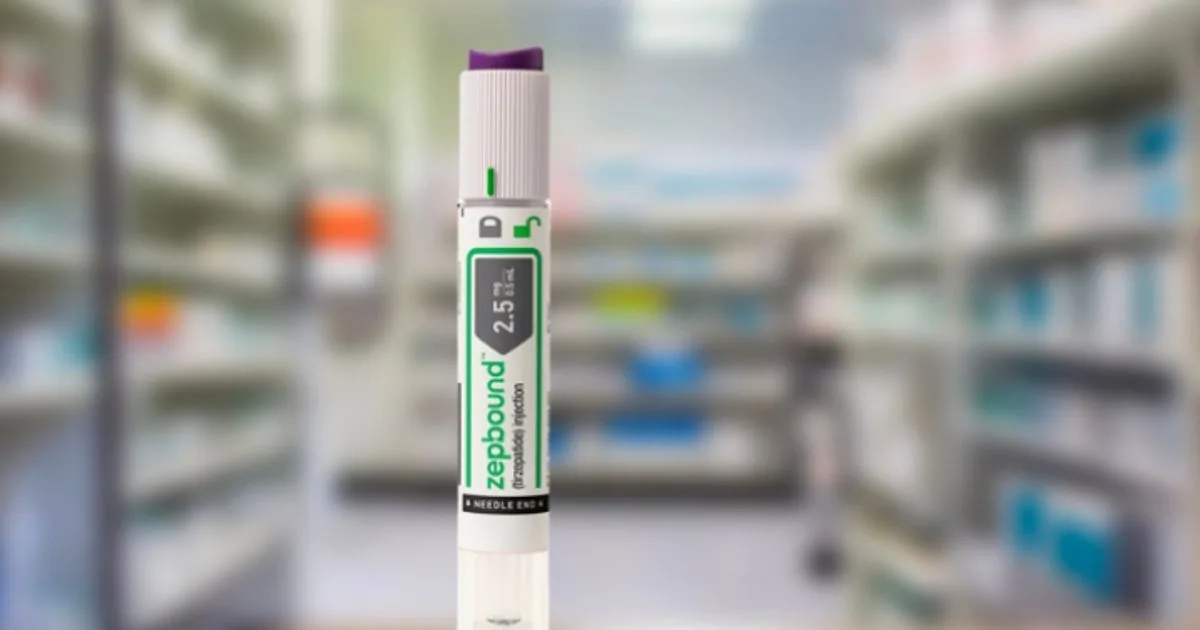
This optimistic revision underscores the significant and sustained demand for Lilly's innovative treatments, particularly in the rapidly expanding field of GLP-1 receptor agonists. The success of Mounjaro (tirzepatide) for type 2 diabetes and Zepbound (tirzepatide) for chronic weight management has positioned Lilly as a leader in this therapeutic area.
Eli Lilly CEO David Ricks commented on the company's performance, stating, "2026 is off to a strong start, we delivered 56% revenue growth in the first quarter and raised our full-year revenue guidance by $2 billion." This statement highlights the company's confidence in its current trajectory and the market's embrace of its innovative therapies.
Pipeline Advancements and New Treatment Approvals
Beyond the strong financial results, Eli Lilly also highlighted significant progress across its research and development pipeline. A key milestone announced was the U.S. Food and Drug Administration (FDA) approval of Foundayo (orforglipron), an oral GLP-1 therapy. This novel once-daily pill is designed for adults with obesity or overweight who have weight-related comorbidities. The approval of Foundayo is particularly significant as it offers a convenient oral option that does not require strict adherence to food or water restrictions, potentially broadening access to GLP-1 treatments for a larger patient population.
Mr. Ricks emphasized the importance of this new approval: "A key milestone was the US FDA approval of Foundayo -- the only approved GLP-1 pill that can be taken any time of day, without food and water restrictions. Foundayo will meaningfully expand the number of people who can benefit from GLP-1s."
Precision tracking for your journey
Join thousands using Shotlee to accurately track GLP-1 medications and side effects.
📱 Get the Shotlee App
Track your GLP-1 medications, peptides, and health metrics on the go with our mobile app!
Further pipeline updates included positive Phase 3 clinical trial results for orforglipron in patients with type 2 diabetes and those at risk for cardiovascular disease. Additionally, Lilly presented promising data for combination therapies involving its existing and pipeline drugs, such as Jaypirca, Taltz, Zepbound, and retatrutide. These combinations are being explored across various therapeutic areas, including oncology, dermatology, obesity, and metabolic diseases, showcasing Lilly's commitment to comprehensive treatment strategies.
Strategic Business Development and Future Growth
The first quarter also saw Eli Lilly actively pursuing strategic business development initiatives to enhance its capabilities and expand its therapeutic reach. The company announced several key acquisitions and agreements, including deals to acquire Orna Therapeutics, Centessa Pharmaceuticals, Kelonia Therapeutics, and Ajax Therapeutics. These moves are strategically aimed at bolstering Lilly's expertise and pipeline in areas such as RNA therapeutics, oncology, and next-generation biologics.
These business development activities signal Lilly's intent to maintain its leadership position by investing in cutting-edge technologies and promising drug candidates, ensuring a robust pipeline for future growth beyond its current blockbuster products.
Understanding the Impact of GLP-1 Therapies
The success of Mounjaro and Zepbound, both of which are based on the GLP-1 receptor agonist mechanism, underscores the transformative potential of this class of drugs. Originally developed for type 2 diabetes management, GLP-1s have demonstrated significant efficacy in promoting weight loss, leading to their expanded use in obesity treatment. These medications work by mimicking the action of naturally occurring hormones that regulate appetite, blood sugar, and digestion.
How GLP-1s Work:
- Appetite Regulation: They signal to the brain that you are full, reducing hunger and food intake.
- Glucose Control: They stimulate insulin release and reduce glucagon secretion, helping to lower blood sugar levels.
- Gastric Emptying: They slow down the rate at which food leaves the stomach, contributing to prolonged feelings of fullness.
The introduction of oral formulations like Foundayo represents a significant step forward, offering a more accessible and convenient treatment option for individuals seeking to manage their weight and related health conditions. For individuals managing their weight loss journey with these medications, tracking key metrics like weight, food intake, and symptom severity can be invaluable. Tools like Shotlee can help users meticulously log this data, providing a clear picture of progress and potential side effects, which can be shared with healthcare providers for optimized treatment plans.
Key Data Points: Q1 2026 vs. Expectations
| Metric | Q1 2026 Reported | Analyst Estimates (Range) | Year-over-Year Growth |
|---|---|---|---|
| Revenue | $19.8 billion | $17.4 - $17.8 billion | 56% |
| Adjusted EPS | $8.55 | $6.66 - $6.97 | N/A (Focus on absolute beat) |
| Reported EPS | $8.26 | N/A | 170% |
Practical Takeaways for Patients and Healthcare Providers
Eli Lilly's strong Q1 performance and updated outlook highlight the significant impact of GLP-1 therapies on both patient health and the pharmaceutical market. For individuals considering or currently using medications like Mounjaro, Zepbound, or the newly approved Foundayo, understanding the benefits and potential side effects is crucial. Consistent monitoring of weight, metabolic markers, and any adverse events can enhance treatment effectiveness and safety. Leveraging digital health tools to track these parameters can provide valuable insights for both patients and their healthcare teams.
Healthcare providers can anticipate increased patient inquiries about these therapies and the importance of personalized treatment plans. The expanding pipeline and new formulations suggest a continued evolution in metabolic disease management.
Conclusion
Eli Lilly's first quarter of 2026 has set a strong precedent for the year ahead. The remarkable success of its GLP-1 based treatments, Mounjaro and Zepbound, has not only driven exceptional financial results but has also paved the way for further innovation with the approval of Foundayo and promising pipeline developments. The company's strategic acquisitions further solidify its commitment to leading the charge in metabolic disease and beyond. As demand for effective weight management and diabetes solutions continues to grow, Eli Lilly appears well-positioned to meet these needs, reinforcing its status as a major player in the global healthcare landscape.