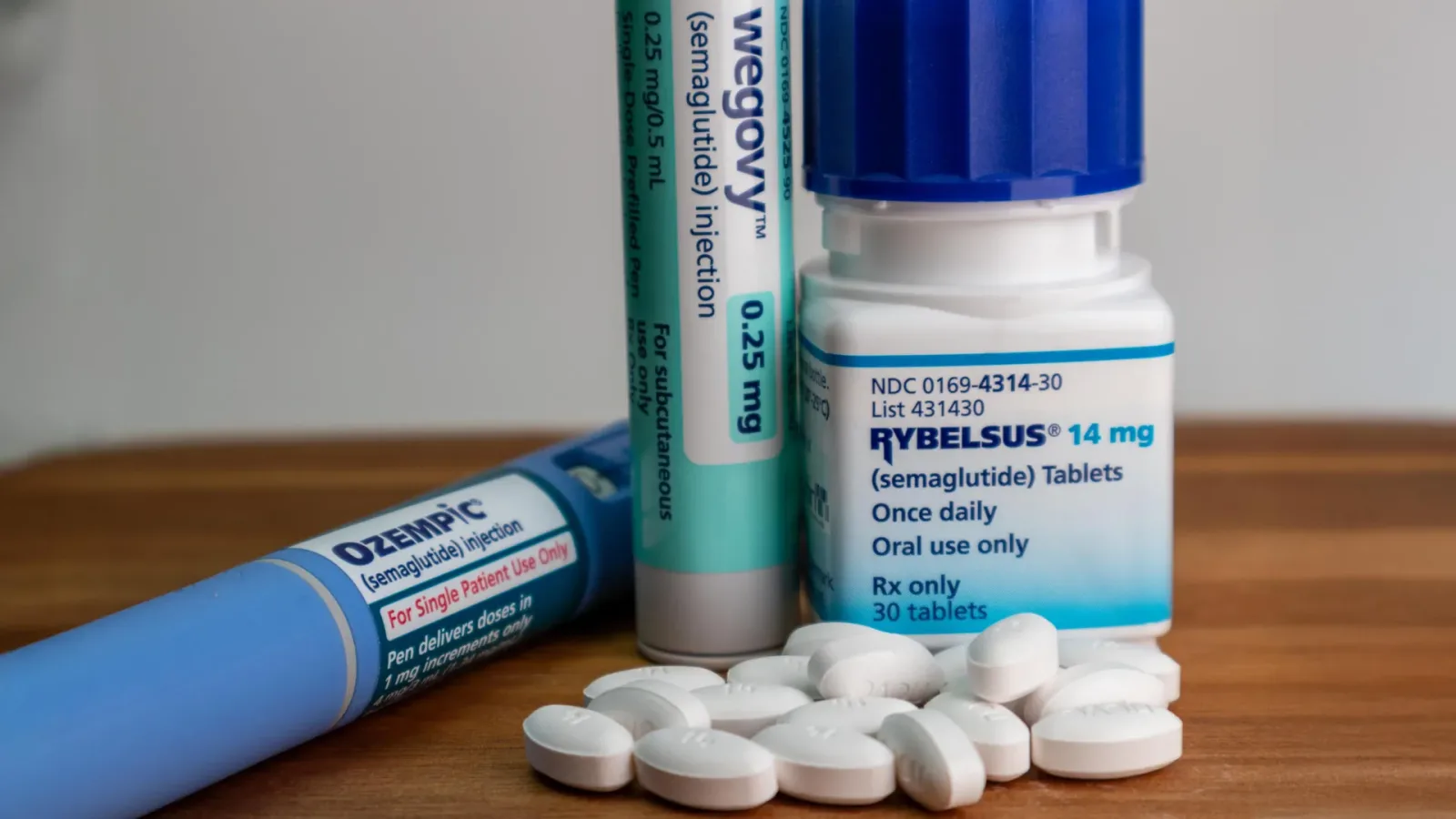

The rise of GLP-1 receptor agonists, including popular medications like Ozempic, Wegovy, Mounjaro, and Zepbound, has revolutionized the approach to managing type 2 diabetes and obesity. These powerful drugs mimic natural hormones, helping to regulate blood sugar and promote satiety, leading to significant weight loss for many. However, as with any potent medication, a spectrum of side effects can occur. Beyond the commonly discussed gastrointestinal issues like nausea and diarrhea, and even the more anecdotal 'Ozempic breath' or 'Ozempic butt,' a critical concern is now emerging: nutrient deficiency.
This 'under-the-radar' side effect, as described by medical experts, stems directly from the way these medications work. By suppressing appetite and significantly slowing digestion, GLP-1s create a profound sense of fullness. While this is instrumental in reducing calorie intake, it can also lead to a decreased overall consumption of nutrient-dense foods. The challenge lies in the fact that many individuals may not even realize this deficiency is developing, making it a silent threat to long-term health.
Understanding the Mechanism of Nutrient Depletion
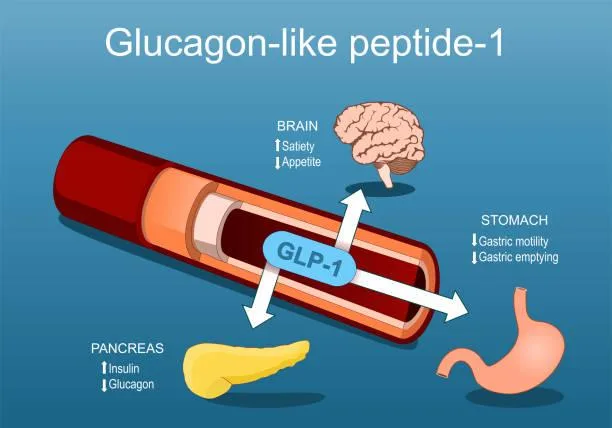
GLP-1 receptor agonists function by interacting with specific receptors in the body, primarily in the pancreas and the brain. This interaction leads to several key effects:
- Increased Insulin Secretion: Helps lower blood sugar levels after meals.
- Decreased Glucagon Secretion: Further aids in blood sugar control.
- Delayed Gastric Emptying: Food stays in the stomach longer, promoting a feeling of fullness and reducing the desire to eat.
- Appetite Suppression: Acts on the brain to reduce hunger signals.
It is primarily the delayed gastric emptying and appetite suppression that contribute to the risk of nutrient deficiency. When food intake is significantly reduced, and digestion is slowed, the body has fewer opportunities to absorb essential vitamins, minerals, and macronutrients. This can be particularly problematic if dietary habits were not optimal before starting the medication, as the reduced intake simply exacerbates existing nutritional gaps.
The Impact of Reduced Intake
The consequences of not consuming enough essential nutrients can be far-reaching. Micronutrients, such as vitamins (A, C, D, E, K, B vitamins) and minerals (calcium, iron, magnesium, potassium, zinc), are vital for countless bodily functions, including immune response, bone health, energy production, and nerve function. A deficiency in these can manifest in various ways, from fatigue and weakened immunity to more serious long-term health issues.
Furthermore, macronutrient deficiencies, particularly in protein and fiber, can also occur. Protein is crucial for muscle maintenance and repair, while fiber is essential for digestive health and satiety. Insufficient intake of these can lead to muscle loss, digestive problems, and a less sustainable weight management journey.
Evidence of Nutrient Deficiencies with GLP-1 Use
Recent studies are beginning to shed light on the prevalence of nutrient deficiencies among individuals taking GLP-1 medications. A large-scale study conducted by the Cleveland Clinic analyzed data from approximately 460,000 individuals on these drugs. The findings were striking: nearly 1 in 5 participants developed a nutrient deficiency within a year of starting treatment, often without realizing it.
Further research supports these concerns. A study in Mexico, for instance, reported that 13.6% of participants developed a significant vitamin D deficiency within a year of initiating GLP-1 therapy. Beyond specific vitamins, the research also indicated that a substantial percentage of participants (around 60%) were not adequately consuming essential nutrients like calcium, iron, protein, and fiber.
These findings underscore the importance of proactive monitoring. While the medications are powerful tools for health improvement, they necessitate a more mindful approach to nutrition.
Commonly Affected Nutrients
While a broad range of micronutrients can be affected, some appear to be more commonly deficient:
Precision tracking for your journey
Join thousands using Shotlee to accurately track GLP-1 medications and side effects.
📱 Get the Shotlee App
Track your GLP-1 medications, peptides, and health metrics on the go with our mobile app!
- Vitamin D: Crucial for bone health and immune function.
- Calcium: Essential for bone strength and muscle function.
- Iron: Vital for oxygen transport in the blood and energy levels.
- Magnesium: Involved in over 300 biochemical reactions in the body.
- Potassium: Important for fluid balance and nerve signals.
- B Vitamins: Play a role in energy metabolism and nerve function.
It's also worth noting that some individuals may have had suboptimal dietary habits prior to starting GLP-1 therapy. As Professor Giles Yeo, an obesity expert at the University of Cambridge, points out, for those with pre-existing dietary challenges, these medications can simply lead to 'less of a not so great diet,' potentially amplifying existing nutritional gaps.
Expert Recommendations and Proactive Strategies
Medical professionals are increasingly emphasizing the need for a comprehensive approach when prescribing and managing GLP-1 medications. Dr. Steven Heymsfield, director of the Metabolism and Body Composition Laboratory at Louisiana State University, advocates for a proactive stance:
"Obesity is a chronic disease and it should be managed like one. If your doctor prescribes these drugs for you, that doctor should assess you with nutrient blood tests - just like they do for other diseases."
This recommendation highlights the critical role of regular blood tests to monitor nutrient levels. Identifying deficiencies early allows for timely intervention, preventing potential health complications.
What You Can Do
For individuals taking GLP-1 medications, several strategies can help mitigate the risk of nutrient deficiencies:
- Prioritize Nutrient-Dense Foods: Focus on incorporating a wide variety of whole foods into your diet, even with a reduced appetite. Think lean proteins, colorful fruits and vegetables, whole grains, and healthy fats.
- Consider Supplements: Discuss with your healthcare provider whether a multivitamin or specific nutrient supplements (like Vitamin D, Calcium, or Iron) might be beneficial based on your diet and blood test results.
- Regular Medical Check-ups: Attend all scheduled appointments with your doctor. Be open about any symptoms you are experiencing, even if they seem minor.
- Nutrient Monitoring with Shotlee: Utilize health tracking tools like Shotlee to log your food intake, symptoms, and medication doses. This can provide valuable data for you and your doctor to identify patterns and potential nutritional gaps over time.
- Stay Hydrated: Adequate water intake is crucial for overall health and can help with digestion and nutrient absorption.
It's important to remember that these medications are powerful tools, and the goal is not to discourage their use but to ensure they are used safely and effectively. By being aware of the potential for nutrient deficiencies and taking proactive steps, individuals can maximize the benefits of GLP-1 therapy while safeguarding their long-term health.
Risk vs. Benefit: A Balanced Perspective
The decision to use GLP-1 medications involves weighing potential benefits against potential risks. For individuals struggling with type 2 diabetes, managing blood sugar levels can prevent serious complications like heart disease, kidney damage, and nerve damage. For those with obesity, the weight loss achieved can significantly improve metabolic health, reduce the risk of cardiovascular events, and enhance overall quality of life.
The emerging concern of nutrient deficiency is a risk that needs careful consideration and management. However, it's crucial to contextualize this risk. As Professor Yeo notes, many individuals on these drugs may have had less-than-ideal diets to begin with. The deficiencies observed might, in some cases, reflect an exacerbation of pre-existing issues rather than a solely drug-induced problem.
Moreover, the benefits of achieving significant weight loss and improved glycemic control often outweigh the risks of manageable nutrient deficiencies, provided these deficiencies are identified and addressed. The key is a collaborative approach between patient and healthcare provider, supported by diligent monitoring and informed lifestyle choices.
| Category | Commonly Reported Side Effects | Emerging Concern |
|---|---|---|
| Gastrointestinal | Nausea, vomiting, diarrhea, constipation, abdominal pain | N/A |
| Sensory/Anecdotal | 'Ozempic breath', 'Ozempic butt' | N/A |
| Nutritional | N/A (often goes unnoticed) | Nutrient Deficiencies (e.g., Vitamin D, Calcium, Iron, Magnesium, B Vitamins, Protein, Fiber) |
| Mechanism of Action Contribution | Related to altered gut motility and hormone signaling | Result of significantly reduced food intake and slowed digestion |
Conclusion
GLP-1 receptor agonists represent a significant advancement in treating type 2 diabetes and obesity. Their efficacy in promoting weight loss and improving metabolic markers is undeniable. However, as the medical community gains more experience with these medications, it's vital to acknowledge and address all potential side effects. Nutrient deficiency, while often subtle, poses a genuine risk that requires attention. By working closely with healthcare providers, prioritizing a nutrient-rich diet, and utilizing tools for health tracking, individuals can navigate the use of GLP-1 medications with greater confidence, ensuring both effective treatment and optimal long-term health.