
Introduction: Weight Loss and Beyond
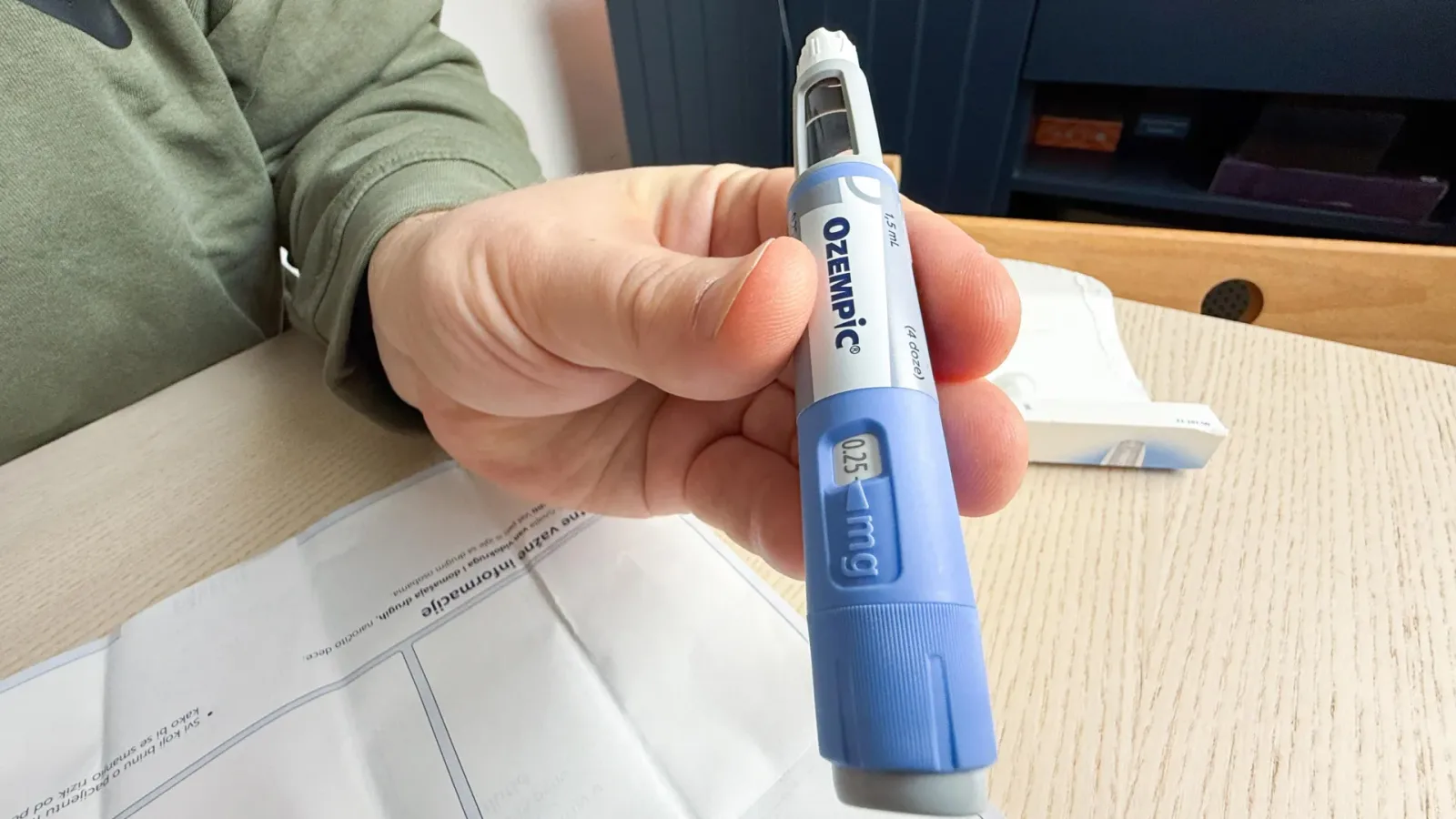
The growing popularity of GLP-1 medications such as Ozempic, Wegovy, and Rybelsus has largely been driven by their ability to help people lose weight, improve blood sugar control, and reduce the risk of cardiovascular disease. For millions of patients, these drugs represent a significant advancement in managing metabolic health.
Now, researchers have uncovered another possible benefit. A new clinical trial suggests that semaglutide, the active ingredient in those medications, may also help slow some of the biological processes associated with aging. This discovery shifts the conversation from purely weight management to potential longevity benefits, although scientists urge caution regarding the interpretation of these results.
Published in Nature Communications, the study provides the first randomized, placebo-controlled evidence in humans that semaglutide may slow the buildup of DNA markers linked to biological aging in adults living with HIV. This article explores the findings, the science behind the aging markers, and what this means for the future of metabolic health.
The Study: Semaglutide and Epigenetic Clocks
Scientists from the University of California San Diego and collaborating institutions examined data from an earlier clinical trial involving 108 adults with HIV-associated lipohypertrophy. This is a condition that causes excess fat to accumulate around the abdomen, often resistant to standard weight loss efforts.
Roughly half of the participants received weekly semaglutide injections, while the rest were given a placebo for comparison. To evaluate aging, the researchers relied on several "epigenetic clocks." These tools estimate biological age by measuring DNA methylation, a pattern of chemical tags that influences how genes are switched on or off without changing the DNA sequence itself.
Changes in these markers can provide insight into whether the body's cells appear to be aging faster or more slowly than expected. People living with HIV often experience accelerated biological aging, even when the virus is well controlled with modern antiretroviral therapy, explained first author Michael Corley, PhD, an associate professor at the UC San Diego School of Medicine and the Stein Institute for Research on Aging.
Key Findings from the Trial
Compared with participants who received placebo injections, those treated with semaglutide showed significant differences in their biological aging markers:
- Slower biological aging: This was observed across multiple epigenetic clocks tied to inflammation and the health of the blood, brain, heart, kidneys, liver, and metabolism.
- DunedinPACE Results: There was a 9% slower pace of biological aging based on the DunedinPACE epigenetic clock.
- Mortality Risk: A significant slowing of biological processes linked to age-related disease and all-cause mortality risk, as measured by the PCGrimAge epigenetic clock.
Understanding Epigenetic Clocks
One of the most complex aspects of this research is the use of epigenetic clocks. To understand why this matters, it is helpful to distinguish between chronological age and biological age.
Chronological age is simply the number of years you have been alive. Biological age, however, reflects the functional state of your cells and organs. It is influenced by genetics, lifestyle, environmental factors, and chronic disease.
Epigenetic clocks measure DNA methylation. As we age, methyl groups attach to specific locations on our DNA. The pattern of these attachments changes predictably over time. By analyzing these patterns, scientists can estimate how "old" your tissues appear compared to your actual age.
If a person has a biological age lower than their chronological age, they are often considered to have a slower aging rate. The study found that semaglutide treatment shifted these markers, suggesting a deceleration in the aging process at the cellular level.
Why Could GLP-1 Drugs Affect Aging?
Researchers believe semaglutide may influence aging through several interconnected pathways. GLP-1 medications are known to reduce inflammation and improve metabolic health, which can decrease chronic immune activation, one of the major drivers of accelerated aging in people with HIV.
They also reduce visceral fat, the fat stored deep around internal organs, as well as ectopic fat that accumulates in places where fat does not normally belong. Lower levels of these harmful fat deposits may reduce inflammatory signals that contribute to aging throughout the body.
Additionally, emerging data suggests that GLP-1 drugs may reprogram certain cells in different organs. This could help explain why we see effects across multiple aging clocks, rather than just in one specific tissue type.
Related Research on Metabolic Health
The team also pointed to a pilot study published last month in npj Aging, which examined semaglutide treatment over 24 weeks in people with HIV and metabolic dysfunction-associated steatotic liver disease (MASLD), also known as fatty liver disease.
That study found complementary results regarding aging markers and physical function.
Precision tracking for your journey
Join thousands using Shotlee to accurately track GLP-1 medications and side effects.
📱 Get the Shotlee App
Track your GLP-1 medications, peptides, and health metrics on the go with our mobile app!
| Metric | Nature Communications Study | npj Aging Study |
|---|---|---|
| Population | HIV with lipohypertrophy | HIV with fatty liver disease |
| DunedinPACE Clock | 9% slower pace in treatment group | Aging slowed in 42% of participants |
| PCGrimAge Clock | Significant slowing of mortality risk | Aging linked to mortality slowed in 34% |
| Telomere Length | Not measured | 49% showed longer telomeres |
Findings Could Extend Beyond People With HIV
Although the research focused on people with HIV-associated lipohypertrophy, the investigators believe the findings could have broader implications. Many of the biological processes studied in HIV are also central to aging in the general population.
Because these processes can emerge earlier or be more pronounced in people with HIV, this community can help us identify interventions that may improve healthspan more broadly. Healthspan refers to the number of years a person remains healthy and free from major age-related disease, rather than simply how long they live.
The goal is to extend the period of life spent in good health, delaying the onset of chronic conditions like heart disease, diabetes, and dementia.
Scientists Urge Caution and Future Directions
Despite the promising findings, the researchers emphasize that semaglutide is not an anti-aging drug. We are not saying that semaglutide reverses aging or makes people younger. What we are seeing is a signal that it may slow some of the biological processes associated with aging.
Much larger clinical trials will be needed to confirm the results, determine how long any benefits last, and identify the most effective treatment schedules for both people with HIV and the broader population. Researchers also want to investigate whether combining GLP-1 medications with healthy habits such as diet, exercise, and quality sleep could produce even greater effects on biological aging.
Looking ahead, the Stein Institute for Research on Aging hopes to use these findings to develop personalized "aging dashboards" based on epigenetic clocks. The goal is to help clinicians monitor biological aging more precisely and design individualized treatments that target the underlying causes of age-related disease.
Practical Takeaways for Patients
While epigenetic testing is still in the research phase, patients undergoing GLP-1 therapy can focus on metrics that are accessible today. Managing inflammation and metabolic health remains the cornerstone of longevity.
For those tracking their health journey, consistent monitoring of weight, blood glucose, and energy levels is essential. Tools like Shotlee can help patients log symptoms, doses, and lifestyle factors to see how they correlate with their treatment progress.
Key actions to support the potential benefits of semaglutide include:
- Maintain Physical Activity: Exercise complements the metabolic effects of medication and supports muscle mass.
- Prioritize Nutrition: A diet rich in whole foods supports the reduction of visceral fat and inflammation.
- Monitor Sleep: Quality rest is crucial for metabolic recovery and hormonal balance.
- Track Symptoms: Logging how you feel can help providers adjust treatment for the best outcomes.
Conclusion
The potential for semaglutide to slow biological aging markers is an exciting development in medical research. While it is not a fountain of youth, the evidence suggests that improving metabolic health through GLP-1 medications may have downstream effects on how our bodies age at a cellular level.
As research continues, the hope is to translate these findings into strategies that improve healthspan for the general population. Until then, focusing on holistic health alongside medication remains the best approach for long-term well-being.
Frequently Asked Questions
1. Is semaglutide officially approved as an anti-aging drug?
No, semaglutide is not currently approved by regulatory bodies as an anti-aging drug. It is approved for type 2 diabetes (Ozempic) and chronic weight management (Wegovy). The anti-aging claims are based on preliminary research into biological markers, not a formal indication.
2. What is the difference between chronological age and biological age?
Chronological age is the number of years you have lived. Biological age is an estimate of how your cells and organs are functioning compared to your actual age, often determined by markers like DNA methylation and inflammation levels.
3. Does this study apply to people without HIV?
The study focused on adults with HIV because they often experience accelerated aging. However, researchers believe the biological mechanisms involved, such as inflammation and fat reduction, are relevant to the general population as well.
4. How accurate are epigenetic clocks?
Epigenetic clocks are powerful research tools that correlate strongly with health outcomes. However, they are not yet standard clinical diagnostics for determining an individual's exact biological age, and results can vary based on the specific clock used.
5. Can I combine semaglutide with lifestyle changes for better results?
Yes. Researchers suggest that combining GLP-1 medications with healthy habits like diet, exercise, and quality sleep may produce greater effects on biological aging than medication alone.