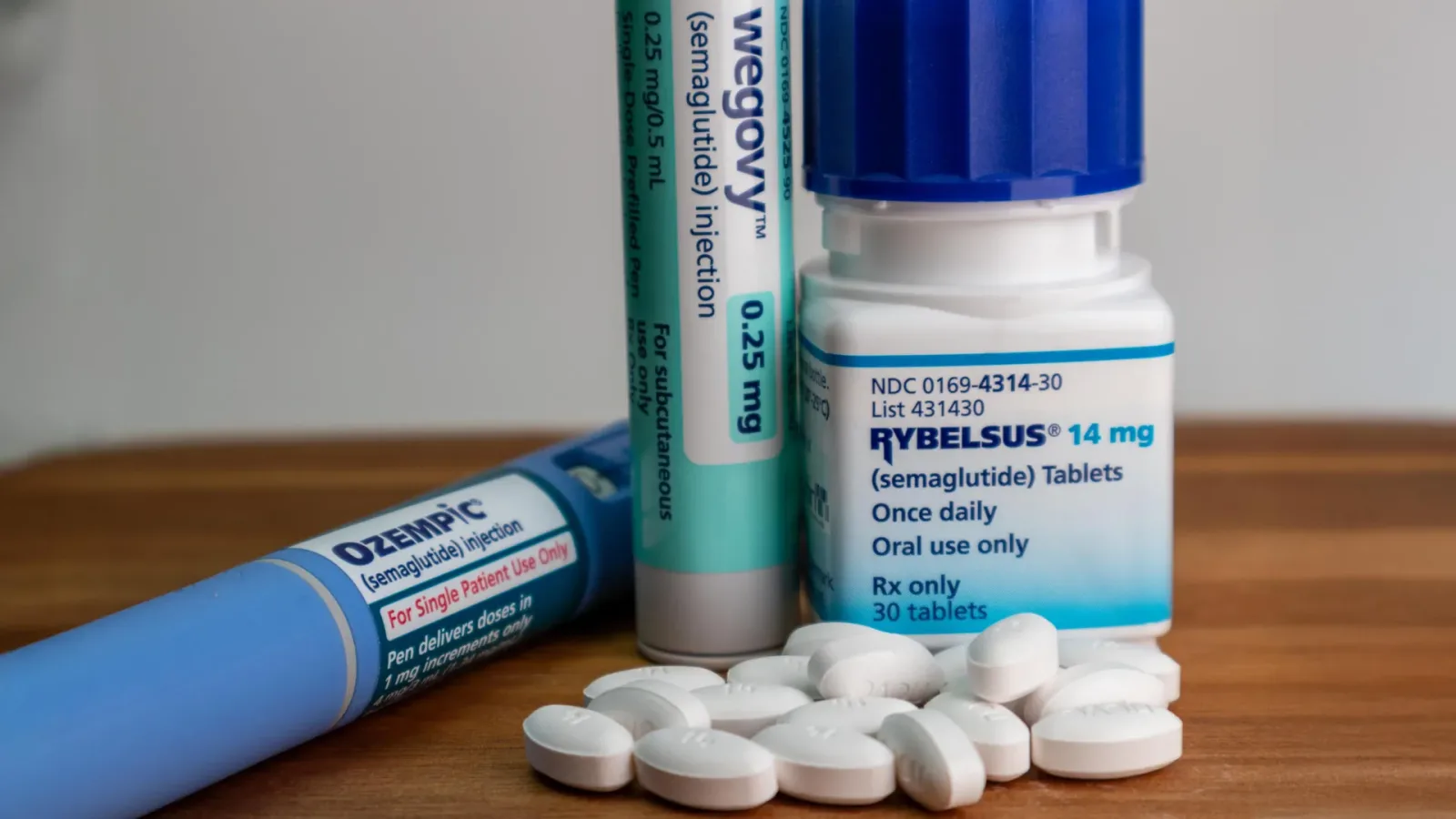

The landscape of metabolic health and liver disease treatment is rapidly evolving, with new therapeutic avenues emerging to address complex conditions like metabolic dysfunction-associated steatohepatitis (MASH) and liver fibrosis. D&D Pharmatech, a Korean biotech company, is making significant strides in this area with its investigational drug, zabopegdutide. This GLP-1/glucagon dual receptor agonist has demonstrated compelling improvements in liver health markers during its Phase 2 clinical trial, positioning it as a noteworthy contender in a market that already includes established players like Novo Nordisk's Wegovy and Madrigal Pharmaceuticals' Rezdiffra.
While the recent approvals of Wegovy and Rezdiffra have been a welcome development for patients battling MASH, the ongoing pursuit of novel and more effective treatments continues. D&D Pharmatech's commitment to advancing zabopegdutide underscores this drive, with recent data from their Phase 2 trial revealing that a 12-week treatment regimen led to a significant reduction in liver fat. This initial success has paved the way for longer-term observations, with the company now reporting encouraging Week 48 results that focus on improvements in liver fibrosis and MASH resolution – key endpoints critical for future regulatory review.
Understanding MASH and the Role of GLP-1 Agonists
Metabolic dysfunction-associated steatohepatitis (MASH), formerly known as non-alcoholic steatohepatitis (NASH), is a serious liver condition characterized by fat accumulation, inflammation, and liver cell damage. If left unmanaged, MASH can progress to fibrosis, cirrhosis, and even liver cancer. The growing prevalence of obesity and metabolic syndrome worldwide has led to a surge in MASH cases, creating an urgent need for effective therapies.
GLP-1 receptor agonists, a class of drugs initially developed for type 2 diabetes, have shown remarkable efficacy in promoting weight loss and improving metabolic parameters. Their mechanism of action involves mimicking the effects of the GLP-1 hormone, which helps regulate blood sugar, increase feelings of fullness, and slow gastric emptying. Beyond diabetes and weight management, research has increasingly highlighted their potential in treating liver diseases like MASH.
Zabopegdutide, being a dual GLP-1/glucagon receptor agonist, offers a potentially broader therapeutic profile. By activating both receptors, it may offer enhanced benefits for metabolic control and liver health compared to GLP-1-only agonists. Glucagon, another hormone involved in glucose metabolism and fat breakdown, could contribute to more comprehensive improvements in liver fat content and inflammatory processes.
Promising Phase 2 Results: Week 48 Data Unveiled
The latest data from D&D Pharmatech's Phase 2 trial offers a deeper look into the long-term efficacy of zabopegdutide. The study tracked patients for 48 weeks to assess its impact on liver fibrosis and MASH resolution. These endpoints are crucial as they align with the guidance provided by the U.S. Food and Drug Administration (FDA) for Phase 3 MASH trials, suggesting the drug is being developed with regulatory requirements in mind.
The results from the 16 patients receiving the 40 mg dose of zabopegdutide were particularly encouraging:
- Fibrosis Improvement & No MASH Worsening: Half of the patients (8 out of 16) experienced at least a one-stage improvement in liver fibrosis without their MASH condition worsening. This is a significant finding, as fibrosis is a key indicator of disease progression and can be challenging to reverse.
- MASH Resolution: A substantial 10 out of 16 patients on zabopegdutide achieved MASH resolution, meaning the inflammation and liver cell damage associated with the condition were significantly reduced. Crucially, this was achieved with no worsening of liver fibrosis.
- Combined Benefit: Six patients who received zabopegdutide achieved both fibrosis improvement and MASH resolution. This dual benefit is highly desirable, indicating a comprehensive approach to tackling the multifaceted nature of MASH.
In comparison, only three out of 19 patients in the placebo group showed at least a one-stage improvement in fibrosis with no worsening of MASH. Similarly, only one patient on placebo achieved MASH resolution without fibrosis worsening, and just one patient on placebo experienced both fibrosis improvement and MASH resolution.
Precision tracking for your journey
Join thousands using Shotlee to accurately track GLP-1 medications and side effects.
📱 Get the Shotlee App
Track your GLP-1 medications, peptides, and health metrics on the go with our mobile app!
Benchmarking Against Competitors: Placebo-Adjusted Effect Sizes
To contextualize these findings, D&D Pharmatech reported placebo-adjusted effect sizes. These metrics help standardize comparisons across different trials by accounting for the effects observed in the placebo group. For fibrosis improvement with no worsening of MASH, zabopegdutide showed a placebo-adjusted effect size of 34.2%. For MASH resolution with no fibrosis worsening, the effect size was 57.2%.
These figures place zabopegdutide in a competitive position when compared to other emerging and approved MASH therapies. For instance, Madrigal Pharmaceuticals reported placebo-adjusted results ranging from 8% to 23% at Month 12 in their Phase 3 trial for resmetirom. Novo Nordisk's Wegovy demonstrated placebo-adjusted effect sizes of 14.4% and 28.7% in its Phase 3 program for MASH.
Eli Lilly and Company's Zepbound (tirzepatide), a GLP-1/GIP receptor agonist, has also shown significant promise. In a Phase 2 study, tirzepatide achieved placebo-adjusted results between 21% and 53% for MASH-related endpoints. Lilly is actively exploring tirzepatide and its investigational triple receptor agonist, retatrutide, in Phase 3 trials for metabolic dysfunction-associated steatotic liver disease (MASLD), the broader category that includes MASH. Boehringer Ingelheim is also developing a GLP-1/glucagon receptor agonist that is currently in Phase 3 development.
| Drug/Molecule | Receptor Agonism | Trial Phase | Primary Endpoint Focus | Placebo-Adjusted Effect Size (%) | Notes |
|---|---|---|---|---|---|
| Zabopegdutide (D&D Pharmatech) | GLP-1/Glucagon | Phase 2 (Week 48) | Fibrosis Improvement / MASH Resolution | 34.2% (Fibrosis/No MASH Worsening) 57.2% (MASH Resolution/No Fibrosis Worsening) |
Small study size (n=16 at 40mg) |
| Resmetirom (Madrigal) | THR-β agonist | Phase 3 (Month 12) | Fibrosis Improvement / NASH Resolution | 8% - 23% | Approved for MASH |
| Semaglutide (Novo Nordisk) | GLP-1 | Phase 3 | Fibrosis Improvement / NASH Resolution | 14.4% - 28.7% | Wegovy approved for weight loss, studied for MASH |
| Tirzepatide (Lilly) | GLP-1/GIP | Phase 2 | MASH-related endpoints | 21% - 53% | Zepbound approved for weight loss, studied for liver disease |
It is crucial to acknowledge the limitations of cross-trial comparisons. Differences in patient populations, study designs, and endpoint definitions can influence results. D&D Pharmatech's data, while promising, comes from a relatively small Phase 2 study, and further validation in larger Phase 3 trials will be essential.
The Path Forward: Clinical Development and Patient Impact
The positive outcomes observed with zabopegdutide at Week 48 are a significant step in its clinical development. The drug's ability to demonstrate improvements in both fibrosis and MASH resolution, key indicators of liver health, positions it as a promising candidate for regulatory approval and a valuable addition to the therapeutic arsenal against liver disease.
For individuals managing MASH, the prospect of new treatment options is vital. The journey with MASH can be challenging, often requiring significant lifestyle changes alongside medical interventions. Having access to effective medications that can halt or even reverse disease progression can profoundly impact patients' quality of life and long-term health outcomes.
As zabopegdutide progresses, patients and healthcare providers will be closely watching its journey through Phase 3 trials. The ability to accurately track symptoms, medication adherence, and treatment responses will be paramount. Tools like Shotlee can play a crucial role in empowering patients to actively participate in their care by meticulously logging their progress, noting any side effects, and ensuring consistent dosing, thereby providing valuable data for both personal health management and clinical research.
Practical Takeaways
- New Hope for MASH: Zabopegdutide, a GLP-1/glucagon dual agonist, shows significant promise in treating MASH and liver fibrosis, with encouraging Week 48 results from its Phase 2 trial.
- Competitive Profile: The drug's efficacy in improving fibrosis and resolving MASH positions it favorably against other emerging and approved liver disease treatments.
- Importance of Data Tracking: For patients undergoing treatment for MASH or participating in clinical trials, diligent tracking of symptoms, doses, and health metrics is essential for monitoring progress and informing care decisions.
Conclusion
D&D Pharmatech's zabopegdutide is emerging as a significant player in the fight against MASH and liver fibrosis. The recent Phase 2 data, showcasing substantial improvements in fibrosis and MASH resolution, offers a beacon of hope for millions affected by these conditions. While further clinical validation is necessary, the drug's performance thus far suggests it could become a vital therapeutic option, complementing existing treatments and expanding the choices available to patients. The continued development of such innovative therapies underscores the dynamic progress being made in understanding and treating complex metabolic and liver diseases.