
The Unexpected Intersection of Innate Immunity and Protein Misfolding
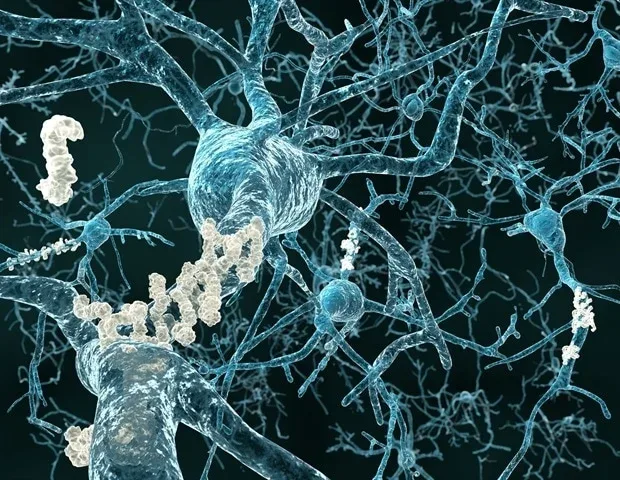
For decades, the scientific communities studying antimicrobial peptides (AMPs) and amyloid-forming peptides operated in distinct realms. AMPs were primarily recognized as crucial components of our innate immune system, acting as the first line of defense against invading microbes. Meanwhile, amyloid aggregation was largely associated with devastating neurodegenerative conditions like Alzheimer's disease (characterized by amyloid-beta, or Aβ), Parkinson's disease (α-synuclein), type 2 diabetes (hIAPP), and systemic amyloidosis. However, a growing body of evidence is challenging this clear separation, revealing a complex and interconnected relationship between these seemingly disparate molecular families.
What connects these two groups? Striking structural and functional overlaps. Both AMPs and disease-related amyloid peptides can adopt characteristic beta-sheet-rich conformations. This structural similarity allows them to self-assemble into intricate fibrillar aggregates and, crucially, to disrupt lipid membranes through remarkably similar mechanisms. This convergence raises a profound medical question: Can AMPs actively influence the progression of amyloid diseases, and conversely, can amyloid aggregates compromise the body's ability to fight infections?
Unifying Mechanisms: How AMPs Influence Amyloid Aggregation
A comprehensive review published in the journal Research by Professor Jie Zheng and his colleagues at the University of Texas at San Antonio (UTSA) synthesizes the emerging evidence that AMPs and disease-related amyloids can mutually influence each other through interactions known as heterotypic cross-seeding. This research proposes a unified mechanistic framework to explain these interactions, highlighting three key ways AMPs modulate amyloid fibrillization:
1. Structural Compatibility and Cross-Seeding
The shared beta-sheet topology between certain AMPs and amyloid peptides creates a foundation for structural compatibility. This means that the structural features of an AMP can act as a template, guiding and initiating the aggregation of amyloid proteins. This process, known as cross-seeding, can direct the formation of amyloid fibrils in a manner similar to how amyloid proteins seed themselves.
2. Directional Seeding Asymmetry
A fascinating aspect of this interaction is directional seeding asymmetry. Cross-seeding is not a neutral process; it's inherently asymmetric. AMPs can promote amyloid fibrillization in one specific direction or conformation but may not do so, or may even inhibit it, in another. This asymmetry helps explain the diverse and sometimes contradictory effects observed when AMPs interact with amyloid assembly processes.
3. Surface-Mediated Catalysis and Membrane Interactions
When AMPs are associated with cell membranes, they can act as surface-mediated catalysts. These membrane-bound AMPs can form two-dimensional nucleation templates, significantly lowering the kinetic barrier required for amyloid fibril formation. This mechanism is particularly relevant given that amyloid proteins often interact with cellular membranes during their aggregation process.
Beyond simple inhibition, the influence of AMPs is multifaceted. They can:
- Reroute the aggregation pathway toward different structures.
- Undergo heterotypic co-assembly, where AMPs and amyloid peptides assemble together.
- Cap the ends of growing amyloid fibrils, halting further elongation.
- Remodel toxic intermediate aggregates into less harmful forms.
- Modulate the body's immune responses, which are often triggered by both infections and amyloid accumulation.
A Bidirectional Feedback Loop: Infection, Amyloids, and Neuroinflammation
The UTSA review proposes a compelling bidirectional pathogen-amyloid feedback loop that creates a self-reinforcing cycle of disease. This cycle suggests that:
- Microbial infection can trigger the host's production of both AMPs and amyloid proteins. Intriguingly, amyloid-beta (Aβ) itself has been recognized to function as an endogenous AMP in the brain, highlighting a direct link.
- In turn, these amyloid aggregates can amplify neuroinflammation. They achieve this by persistently activating the innate immune system, leading to a chronic, self-perpetuating loop of inflammation and damage.
This cross-seeding-mediated communication axis provides a powerful mechanistic link between infection biology and neurodegeneration – two processes that were previously considered largely independent. This understanding is critical for developing holistic treatment strategies.
Precision tracking for your journey
Join thousands using Shotlee to accurately track GLP-1 medications and side effects.
📱 Get the Shotlee App
Track your GLP-1 medications, peptides, and health metrics on the go with our mobile app!
Therapeutic Potential: Dual-Function AMP Inhibitors
Building upon this foundational understanding of the molecular mechanisms, researchers are making significant advances in the rational design of dual-function AMP inhibitors. These next-generation peptides are engineered to possess enhanced specificity for targeting key amyloid species, such as Aβ, hIAPP, and α-synuclein. Furthermore, they are designed for improved proteolytic stability, meaning they are less likely to be broken down by enzymes in the body, and possess greater translational potential for clinical use.
The exciting prospect of these dual-function peptides lies in their ability to simultaneously suppress amyloid aggregation while retaining their inherent antimicrobial activity. This multifunctional therapeutic strategy is uniquely suited for diseases where infection, inflammation, and aberrant protein aggregation are intertwined. Imagine a single therapy that can combat pathogens and clear toxic protein aggregates – this is the promise emerging from this research.
Key Therapeutic Considerations for GLP-1 Receptor Agonists and Related Therapies:
While the research on AMPs and amyloid diseases is cutting-edge, it's important to consider how advancements in understanding disease mechanisms can inform other therapeutic areas. For instance, GLP-1 receptor agonists like semaglutide (Ozempic, Wegovy) and tirzepatide (Mounjaro) have shown remarkable success in weight management and treating type 2 diabetes. Emerging research also suggests potential neuroprotective effects for these agents, possibly by influencing inflammatory pathways or protein aggregation. Understanding the complex interplay between infection, inflammation, and protein folding, as highlighted by the AMP research, could offer new perspectives on the mechanisms behind these benefits and guide future drug development.
For individuals managing conditions like diabetes or obesity with these medications, meticulous health tracking becomes paramount. Using tools like Shotlee can help patients and their healthcare providers monitor key health metrics, track medication adherence, record symptom changes, and note specific doses. This data-driven approach is essential for optimizing treatment outcomes and identifying any unexpected benefits or side effects, especially as research into the broader impacts of these therapies continues to evolve.
Open Challenges and the Future Roadmap
Despite the exciting progress, several key questions remain unanswered, charting the future roadmap for this research:
- Specificity: Which specific sequence or structural features of an AMP determine its selective recognition of a particular amyloid species?
- Outcome Modulation: Under what precise conditions does an AMP suppress aggregation, redirect it towards less toxic states, or accelerate heterotypic assembly?
- In Vivo Factors: How do factors like cell membranes, metal ions, inflammatory mediators, and the gut microbiome influence these outcomes in a living organism?
- Clinical Translation: How can peptide stability, effective delivery to the central nervous system (CNS), and target specificity be further improved for successful clinical application?
Broader Impact: A New Frontier in Multifunctional Therapeutics
By framing infection, innate immunity, and protein misfolding within a single, unified mechanistic framework, this research opens up new conceptual territory at a previously neglected disease interface. Traditional anti-amyloid strategies often focus on a single pathogenic target. In contrast, AMPs offer the potential for genuine multifunctionality. They can combine antimicrobial activity, immunomodulation, and anti-amyloid potential within a single molecular scaffold. This makes them exceptionally attractive templates for developing next-generation therapeutics for a range of conditions, including neurodegeneration, metabolic diseases, and systemic amyloidosis.
This convergence of findings from neurodegeneration, microbiology, amyloid biophysics, and peptide engineering provides more than just a literature summary. It offers a forward-looking framework for data-driven discovery and the rational design of peptides with multiple beneficial functions. It encourages researchers to rethink amyloid diseases not as isolated conditions, but as part of a broader biological interface where the body's defense mechanisms, infectious agents, and pathological protein aggregation converge.
Practical Takeaways
- The link between AMPs and amyloid diseases is a rapidly evolving field with significant therapeutic implications.
- Understanding these interactions could lead to novel treatments for neurodegenerative and metabolic disorders.
- For patients on weight loss or diabetes medications like semaglutide or tirzepatide, consistent health tracking is crucial for monitoring progress and potential benefits.
- Shotlee can support this by helping to log doses, symptoms, and overall health data, facilitating informed discussions with healthcare providers.
Conclusion
The groundbreaking research highlighting the role of antimicrobial peptides in modulating amyloid diseases marks a significant paradigm shift in our understanding of complex health conditions. By revealing the intricate interplay between our immune system's defense mechanisms and the pathological processes of protein misfolding, scientists are paving the way for innovative therapeutic strategies. As we continue to unravel these complex biological interfaces, the development of multifunctional peptides holds immense promise for tackling some of the most challenging diseases of our time, offering hope for more effective and comprehensive treatments.
| Mechanism | Description | Impact on Amyloid Aggregation |
|---|---|---|
| Structural Compatibility | Shared beta-sheet topology enables template-directed cross-seeding. | Promotes or guides amyloid fibril formation. |
| Directional Seeding Asymmetry | Cross-seeding is inherently asymmetric, influencing the direction or conformation of aggregation. | Leads to diverse and sometimes opposing effects on amyloid assembly. |
| Surface-Mediated Catalysis | Membrane-bound AMPs act as nucleation templates, lowering the kinetic barrier. | Dramatically accelerates amyloid fibril formation. |