
New Weight Loss Pill Beats Oral Ozempic in Major Clinical Trial
The landscape of diabetes and weight management medications is shifting rapidly. For years, the gold standard for treating type 2 diabetes and obesity has been injectable GLP-1 agonists like semaglutide. However, a new development promises to change the delivery method entirely. According to a recent Phase 3 clinical trial, a new daily oral pill known as orforglipron has demonstrated superior efficacy in weight loss and blood sugar control compared to existing oral counterparts.
This breakthrough suggests a significant step forward in making these potent medications more accessible and easier to administer. While injectable formulations like Ozempic and Wegovy have revolutionized patient outcomes, the oral route offers distinct advantages regarding convenience and logistics. This article explores the trial results, the science behind orforglipron, and what these findings mean for patients and healthcare providers.
The GLP-1 Revolution and the Injection Barrier
To understand the significance of orforglipron, one must first understand the class of drugs it belongs to. Semaglutide is a glucagon-like peptide-1 (GLP-1) agonist. These medications mimic the action of the GLP-1 hormone, which is naturally released by the gut shortly after eating.
When this hormone is released, it signals fullness to the brain, slows down digestion, and stimulates the pancreas to release insulin. By replicating this biological process, GLP-1 drugs have proven highly effective at managing type 2 diabetes and promoting significant weight loss. Brands like Ozempic (for diabetes) and Wegovy (for weight management) have become household names.
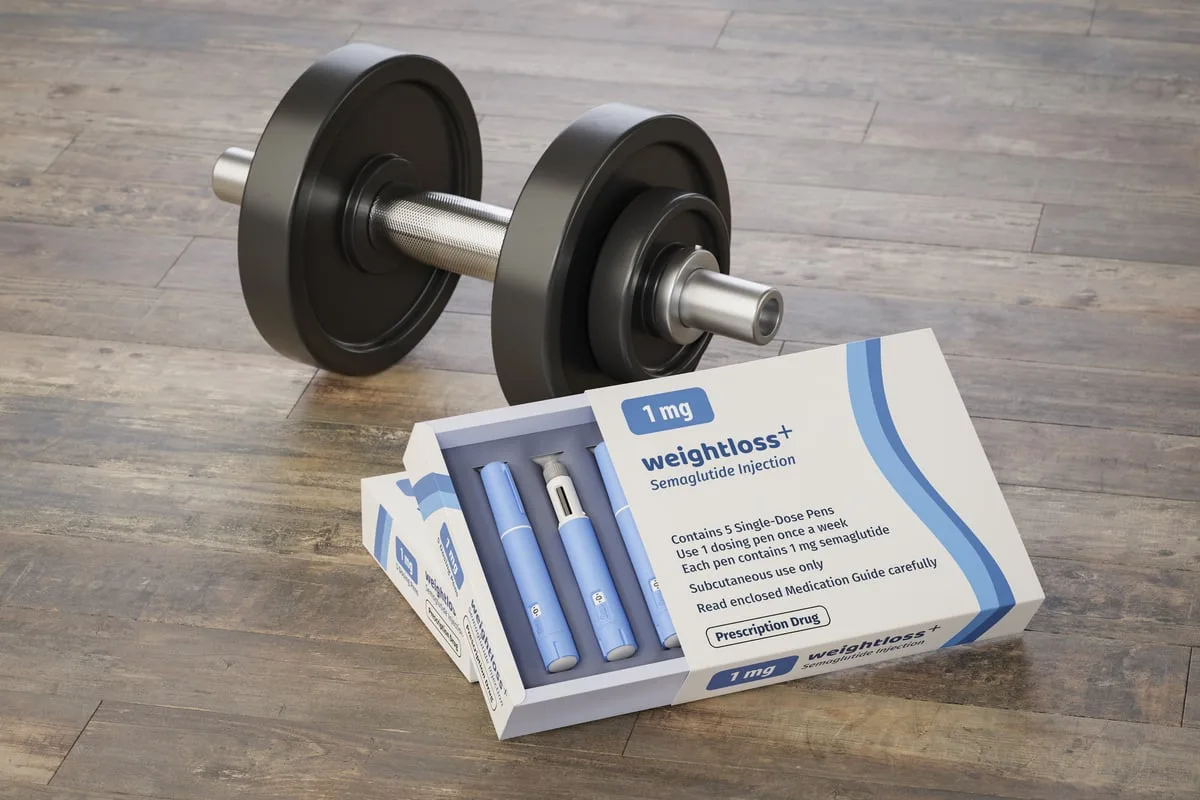
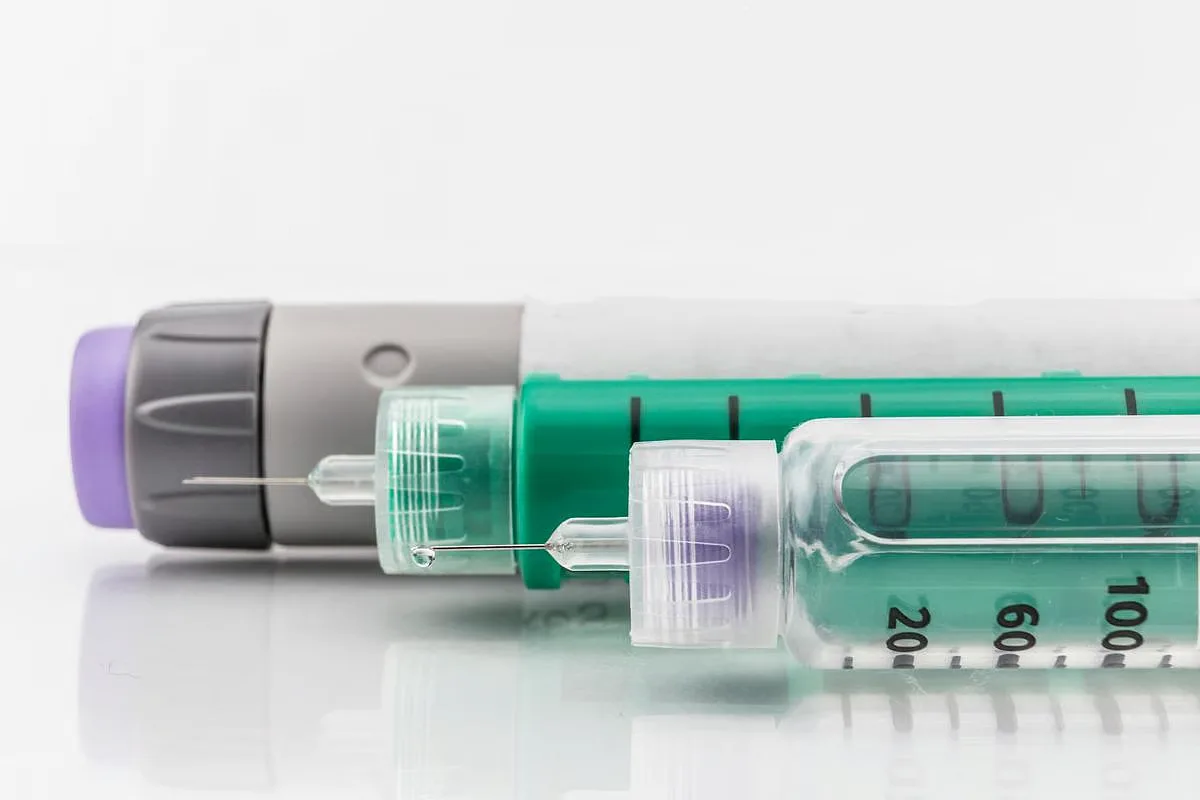
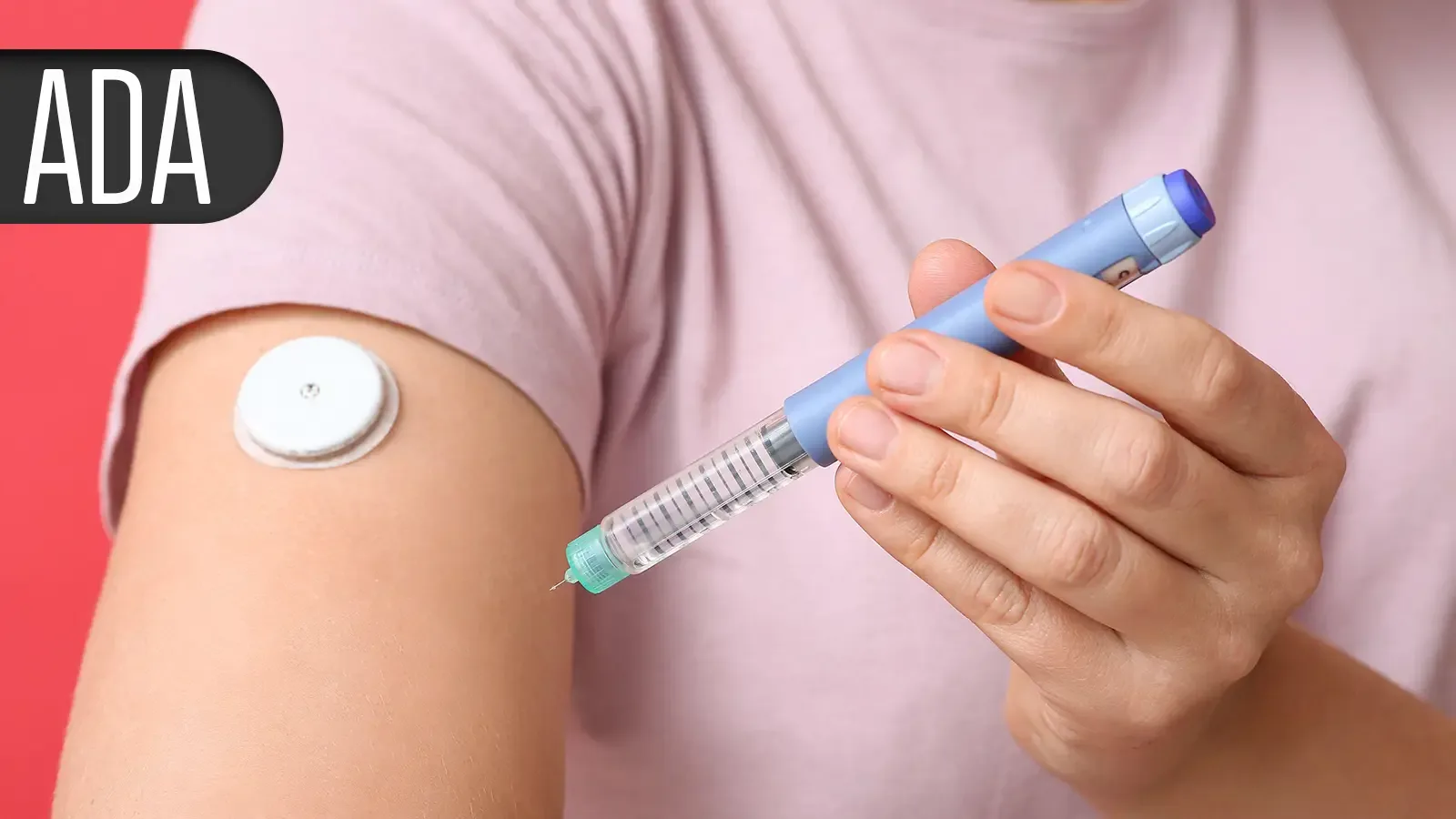
However, the injectable nature of these drugs presents a substantial barrier for many patients. Semaglutide must be injected into the belly, thighs, or back of the arm. For individuals with needle phobia, this can be a prohibitive hurdle. Furthermore, the requirement for refrigeration throughout the supply chain creates logistical challenges, particularly in low- and middle-income countries where cold chain infrastructure may be unreliable.
The Challenge of Oral Semaglutide
Recognizing these barriers, researchers have long pursued an oral version of semaglutide. While an oral version exists, it comes with strict limitations. Patients must take the medication on an empty stomach and wait 30 minutes before eating or drinking anything. Additionally, the bioavailability of oral semaglutide is poor, meaning only about 1% of the ingested drug is absorbed by the body. This inefficiency makes production expensive and requires high doses to achieve therapeutic effects.
Orforglipron represents a different chemical approach designed to overcome these specific hurdles. Developed by Eli Lilly, it aims to combine the efficacy of injectable GLP-1s with the convenience of a daily tablet.
Orforglipron Trial Results: Efficacy and Data
The recent 52-week Phase 3 trial involved 1,698 adults with type 2 diabetes across six countries. The study was designed to compare current oral semaglutide products directly against orforglipron. The primary goal was to measure HbA1c reduction, a blood test reflecting average blood sugar levels over three months. Diabetes is clinically present if HbA1c is 6.5% or higher, so any reduction indicates improved control.
The data from the trial shows clear advantages for the new pill. Participants starting with a baseline average HbA1c of 8.3% saw significant improvements after 52 weeks:
- Orforglipron: Reduced HbA1c by an average of 1.71% to 1.91%.
- Oral Semaglutide: Reduced HbA1c by an average of 1.47%.
Beyond blood sugar control, weight loss metrics were also superior in the orforglipron group. Participants taking orforglipron lost an average of 6.1kg to 8.2kg, compared to 5.3kg for those on oral semaglutide. These results suggest that orforglipron is not just competitive but superior to current oral options in managing metabolic health.
Comparing the Medications
The following table summarizes the key performance indicators from the trial, highlighting where orforglipron excels and where challenges remain.
| Metric | Orforglipron | Oral Semaglutide |
|---|---|---|
| HbA1c Reduction | 1.71% – 1.91% | 1.47% |
| Weight Loss | 6.1kg – 8.2kg | 5.3kg |
| Dosage Requirement | Daily Tablet | Daily Tablet |
| Administration Rules | Flexible (No fasting wait) | Empty Stomach + 30 min wait |
| Gastrointestinal Side Effects | ~59% of participants | 37% – 45% of participants |
Tolerability and Adherence Challenges
While the efficacy data is promising, the trial highlighted a critical issue regarding tolerability. GLP-1 drugs are known to cause gastrointestinal side effects, including nausea, vomiting, diarrhea, and constipation. In this specific trial, approximately 59% of participants on orforglipron reported such symptoms, compared to 37–45% on semaglutide.
This difference may be attributed to the more prominent, daily peak drug concentrations achieved with orforglipron. The practical consequence of these side effects was a higher discontinuation rate. Around 10% of orforglipron participants stopped treatment due to adverse effects, whereas only 4–5% of those taking semaglutide discontinued.
Adherence is a crucial factor in the long-term success of any weight loss or diabetes medication. If patients cannot tolerate the drug, they will stop taking it, negating the benefits. However, it is important to note that no head-to-head trials have been conducted comparing injectable GLP-1s directly against orforglipron. Preliminary data suggests the weight loss seen in this study is broadly comparable to that previously observed with injectable formulations.
Precision tracking for your journey
Join thousands using Shotlee to accurately track GLP-1 medications and side effects.
📱 Get the Shotlee App
Track your GLP-1 medications, peptides, and health metrics on the go with our mobile app!
Small Molecules vs. Peptides: Manufacturing and Access
One of the most significant implications of this trial is the chemical nature of orforglipron. Unlike semaglutide, which is a peptide drug (mimicking the structure of the natural GLP-1 hormone), orforglipron belongs to a new category called small-molecule drugs.
Small-molecule drugs are synthetic chemical compounds small enough to be absorbed directly through the gut wall. They are able to act on GLP-1 receptors even though they do not share a similar structure to the natural hormone. This distinction has two major benefits:
- Manufacturing Cost: Small-molecule drugs are generally cheaper and simpler to manufacture than peptide-based drugs.
- Logistics: Like oral semaglutide, orforglipron requires no refrigeration. This offers a logistical advantage over injectable GLP-1 formulations, which must be kept cold.
This stability gives orforglipron a potential advantage in expanding access to low- and middle-income countries where cold chain infrastructure is unreliable. If the manufacturing costs are lower, the medication could potentially be priced more affordably, addressing one of the major criticisms of the current GLP-1 market.
Practical Takeaways for Patients and Providers
For patients currently navigating the world of GLP-1 medications, the emergence of orforglipron offers new hope for a more convenient treatment plan. However, understanding the trade-offs between efficacy and side effects is essential.
Tracking Progress with Shotlee
Managing a new medication regimen requires careful monitoring. Whether you are taking orforglipron, semaglutide, or another GLP-1 agonist, tracking your progress can help you and your doctor make informed decisions. Shotlee provides a platform to log daily weight changes, track dietary intake, and monitor symptoms like nausea or digestive issues.
By systematically recording this data, patients can identify patterns in their side effects. For instance, if gastrointestinal symptoms occur after specific meals or doses, this data can be shared with a healthcare provider to adjust the dosage or timing. Consistent tracking ensures that the medication remains a tool for health rather than a source of distress.
Key Considerations for Decision Making
- Efficacy: Orforglipron showed better HbA1c reduction and weight loss than oral semaglutide.
- Convenience: Orforglipron does not require the strict fasting window of oral semaglutide.
- Safety: Higher rates of side effects may lead to discontinuation for some users.
- Access: The small-molecule nature may improve availability in regions without reliable refrigeration.
Conclusion
The results of the Phase 3 trial for orforglipron mark a pivotal moment in the evolution of weight loss and diabetes medications. By demonstrating superior blood sugar control and weight loss compared to oral semaglutide, it establishes itself as a credible challenger to the current market leaders. The shift toward small-molecule drugs also promises to simplify production and potentially broaden access globally.
However, the higher rate of side effects and treatment discontinuation serves as a reminder that efficacy is only one part of the equation. Long-term adherence, shaped as much by tolerability as by weight loss, will be the critical differentiator in this crowded and competitive market. As trials continue in patients with obesity without diabetes, the medical community will watch closely to see if orforglipron can maintain its momentum and become a standard option for metabolic health.
Frequently Asked Questions
1. What is orforglipron and how does it work?
Orforglipron is a new oral medication developed by Eli Lilly designed to treat type 2 diabetes and obesity. It works as a small-molecule GLP-1 receptor agonist, meaning it activates the same receptors as natural gut hormones to regulate blood sugar and appetite, but it is chemically structured differently than peptide-based drugs like semaglutide.
2. How does orforglipron compare to Ozempic or Wegovy?
While Ozempic and Wegovy are injectable forms of semaglutide, orforglipron is an oral pill. Current trials show orforglipron is more effective than oral semaglutide for lowering blood sugar and weight loss, but it has not yet been directly compared head-to-head with injectable GLP-1s in large studies.
3. What are the main side effects of orforglipron?
The most common side effects are gastrointestinal, including nausea, vomiting, diarrhea, and constipation. In the Phase 3 trial, 59% of participants reported these symptoms, which was higher than the rate observed with oral semaglutide.
4. Why is oral delivery of GLP-1 drugs difficult?
The stomach acid and digestive enzymes typically break down peptide drugs before they can be absorbed into the bloodstream. Achieving high bioavailability in an oral form requires complex chemical engineering or special delivery systems, which is why early oral versions required taking the drug on an empty stomach with a waiting period.
5. Does orforglipron require refrigeration?
No, unlike injectable semaglutide which requires a cold chain, orforglipron is a stable small-molecule drug that does not require refrigeration. This makes it easier to store and transport, particularly in areas with limited healthcare infrastructure.