
A New Era for Diabetes Management: CagriSema Results
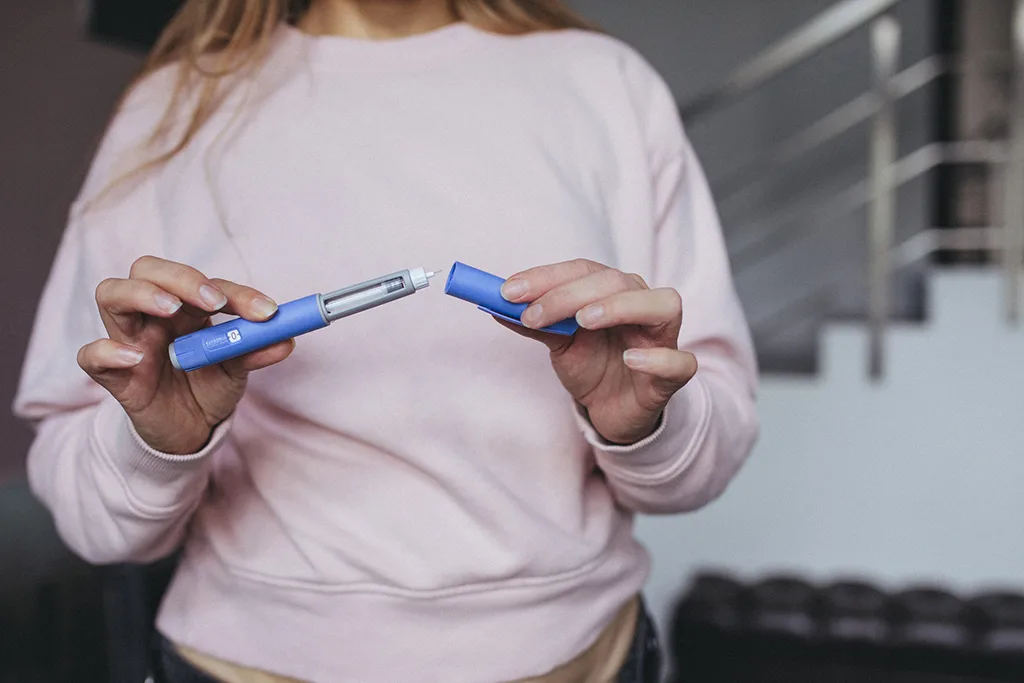
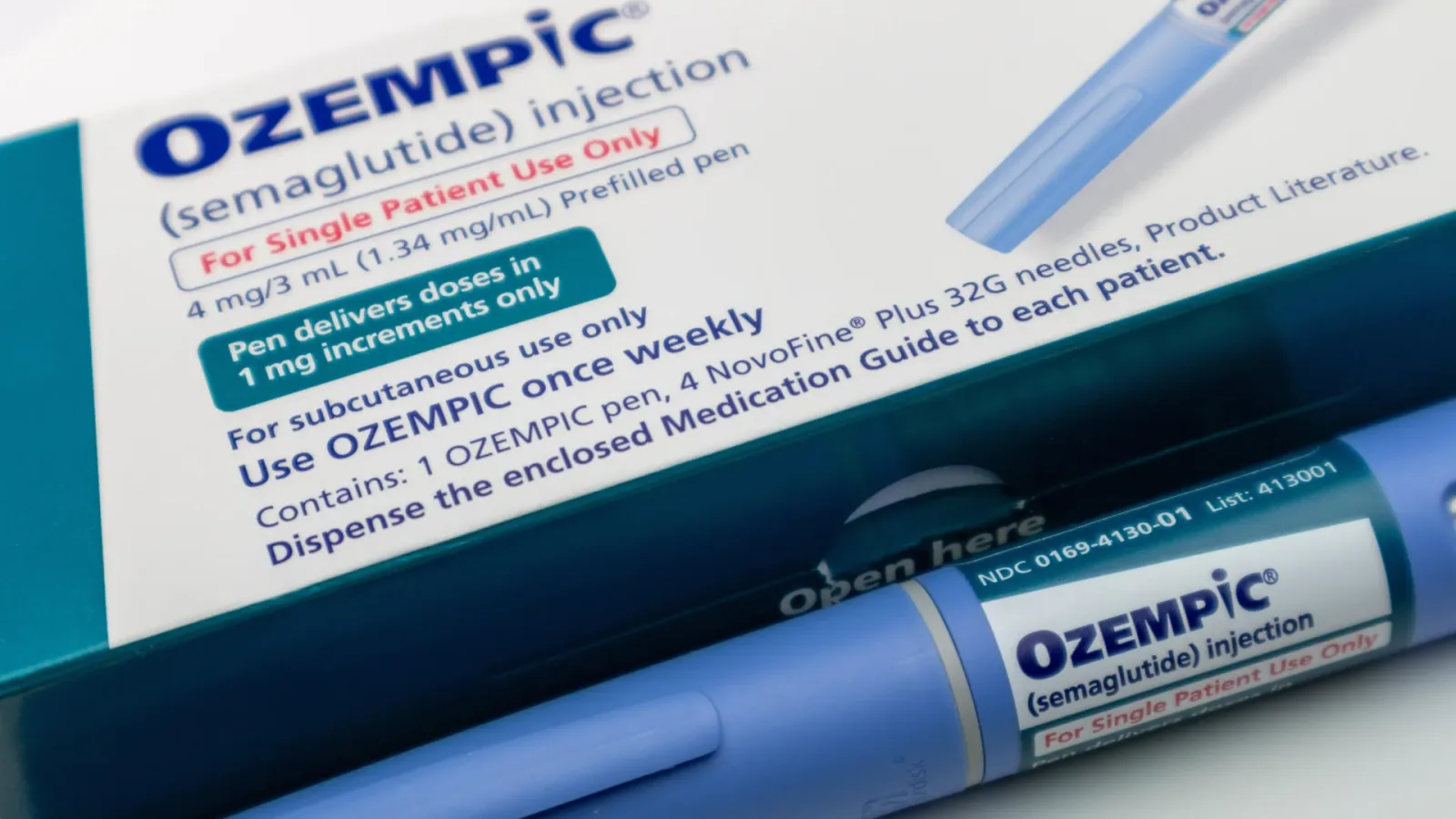
The landscape of type 2 diabetes treatment is shifting rapidly. At the American Diabetes Association (ADA) annual meeting, researchers unveiled compelling data regarding CagriSema, a fixed-dose combination of the novel amylin analog cagrilintide and the GLP-1 receptor agonist semaglutide. Presented as a once-weekly injectable, this dual-therapy approach is demonstrating robust efficacy in lowering blood glucose and facilitating significant weight loss across various stages of the disease.
These findings, published simultaneously in the Lancet Diabetes & Endocrinology, mark a pivotal moment for patients and providers alike. As the market for metabolic therapies becomes increasingly crowded with novel agents, understanding where CagriSema fits in the therapeutic hierarchy is essential for making informed health decisions.
Understanding the CagriSema Mechanism
To appreciate the impact of these trials, it helps to understand the unique mechanism behind CagriSema. Unlike traditional monotherapies that target a single receptor, this combination leverages two complementary pathways.
While semaglutide is a well-established GLP-1 receptor agonist that enhances insulin secretion and slows gastric emptying, cagrilintide is an amylin analog. Amylin is a hormone naturally released alongside insulin that helps regulate appetite and digestion. By combining these two agents, CagriSema aims to provide a more comprehensive approach to metabolic control.
Dr. Vanita Aroda of Brigham and Women's Hospital noted that in early disease populations, CagriSema demonstrated "fairly robust holistic disease-modifying properties that could be relevant for the course and trajectory of type 2 diabetes." This suggests the treatment does more than just lower numbers temporarily; it may alter the long-term progression of the condition.
REIMAGINE 1: Success in Early-Stage Diabetes
The REIMAGINE 1 trial focused on patients who were early in the course of type 2 diabetes, having not yet responded adequately to diet or exercise alone. This is a critical window for intervention.
The study randomized 189 participants to receive CagriSema at two different doses (2.4 mg or 1.0 mg of each component) or a placebo over a 40-week treatment period. The results were statistically significant:
- HbA1c Reduction: The higher dose led to a 1.8 percentage point drop, while the lower dose resulted in a 1.5 percentage point drop from baseline.
- Weight Loss: Patients experienced substantial weight loss, with an estimated treatment difference of 12.4 percentage points and 10.4 percentage points compared to placebo, respectively.
- Remission: A higher proportion of participants met guideline consensus criteria for type 2 diabetes remission.
Traditional cardiometabolic risk factors, including blood pressure and C-reactive protein, also improved during the study. Importantly, there were no new safety signals beyond what has been previously observed with the GLP-1 class.
REIMAGINE 2 & 3: Efficacy in Advanced and Insulin-Treated Disease
The promise of CagriSema extended beyond early-stage patients. The subsequent trials addressed those with more advanced disease or those already on insulin.
In REIMAGINE 2, researchers compared CagriSema against semaglutide alone in patients whose blood glucose was not well controlled on metformin. The combination therapy lowered blood glucose more effectively than semaglutide alone. The mean change in HbA1c was -1.91 percentage points for CagriSema compared to -1.75 percentage points for semaglutide monotherapy.
REIMAGINE 3 focused on long-standing type 2 diabetes inadequately controlled with basal insulin. This population represents a significant clinical challenge. The study showed that CagriSema was associated with an HbA1c drop of 2.33 percentage points (at the 2.4 mg dose) versus 0.66 percentage points with placebo. Crucially, this benefit was accompanied by weight loss with no additional risk of hypoglycemia, a common concern when intensifying insulin-based regimens.
Comparing the REIMAGINE Trial Populations
Understanding the scope of these studies helps contextualize the data.
Precision tracking for your journey
Join thousands using Shotlee to accurately track GLP-1 medications and side effects.
📱 Get the Shotlee App
Track your GLP-1 medications, peptides, and health metrics on the go with our mobile app!
| Study | Population Characteristics | Key Intervention | Primary Outcome |
|---|---|---|---|
| REIMAGINE 1 | Early T2D, no prior meds, Median duration < 2 years | CagriSema 2.4mg vs 1.0mg vs Placebo | 1.8% HbA1c drop, 12.4% weight diff vs placebo |
| REIMAGINE 2 | Progressed T2D on Metformin, Median duration 7.9-9 years | CagriSema vs Semaglutide vs Monotherapy components | Superior glycemic control vs semaglutide alone |
| REIMAGINE 3 | Long-standing T2D on Basal Insulin, Median duration 15 years | CagriSema vs Placebo (add-on to insulin) | 2.33% HbA1c drop, no extra hypoglycemia risk |
Safety, Tolerability, and the Competitive Landscape
Safety remains a primary concern for any new therapy. In these studies, most adverse events were mild or moderate and gastrointestinal-related. This profile is typical of semaglutide and the broader GLP-1 receptor agonist class. Adverse event rates ranged from 66% in the placebo group to roughly 87% in the higher-dose CagriSema group, which is consistent with expectations for this class of medication.
From a market perspective, CagriSema enters a crowded pipeline. At this year's ADA, novel agents like orforglipron, elecoglipron, retatrutide, and mazdutide were also featured. However, the direct comparison with dual agonist tirzepatide (Zepbound) is of major interest to clinicians.
Dr. André Scheen, commenting in an editorial, suggested that "a head-to-head study that will compare the efficacy and safety of cagrilintide-semaglutide and tirzepatide... would help to better define the future place of cagrilintide-semaglutide."
For patients navigating these options, tracking progress is vital. Tools like Shotlee can help individuals monitor their weight fluctuations, report side effects like nausea or GI distress, and track glucose trends alongside their medication doses. This data empowers patients to have more productive conversations with their providers about whether a specific therapy is meeting their goals.
Practical Takeaways for Patients
As this data moves from clinical trials to broader clinical consideration, here is what patients should know:
- Significant Impact: The weight loss and HbA1c reductions observed are clinically meaningful, particularly in patients with long-standing diabetes.
- Safety Consistency: The side effect profile aligns with known GLP-1 tolerability, primarily involving the gastrointestinal tract.
- Insulin Sparing Potential: For those on basal insulin, CagriSema offers a path to improved control without necessarily increasing hypoglycemia risk.
- Monitoring is Key: Whether on CagriSema or other therapies, consistent monitoring of weight and symptoms is essential for long-term success.
Conclusion
The REIMAGINE trials represent a significant step forward in the management of type 2 diabetes. By combining the established effects of semaglutide with the appetite-regulating properties of cagrilintide, CagriSema offers a potent option for patients across the spectrum of disease severity. While head-to-head comparisons with existing dual agonists are still needed, the current data confirms that this combination therapy holds promise for transforming the trajectory of diabetes care.
Frequently Asked Questions
1. What exactly is CagriSema?
CagriSema is a fixed-dose combination injectable medication containing two active ingredients: cagrilintide (an amylin analog) and semaglutide (a GLP-1 receptor agonist). It is designed to be administered once weekly to improve glycemic control and reduce body weight.
2. How does CagriSema compare to Zepbound (tirzepatide)?
While both are dual-agonist therapies, they target different receptors. CagriSema combines amylin and GLP-1, whereas Zepbound combines GLP-1 and GIP. Experts suggest a head-to-head study is needed to definitively compare their efficacy and safety profiles in patients with type 2 diabetes.
3. What are the most common side effects of CagriSema?
The most common adverse events reported in the REIMAGINE trials were gastrointestinal in nature, which is typical for the GLP-1 class of drugs. These were generally reported as mild or moderate severity.
4. Is CagriSema suitable for patients with long-standing diabetes?
Yes. The REIMAGINE 3 trial specifically evaluated patients with long-standing type 2 diabetes (median duration of 15 years) who were inadequately controlled on basal insulin, showing significant HbA1c reductions even in this difficult-to-treat population.
5. When will CagriSema be available for prescription?
As of the presentation at the ADA annual meeting, the data has been published in the Lancet Diabetes & Endocrinology. Regulatory approval and commercial availability depend on ongoing review processes by agencies such as the FDA, which are not detailed in the trial results themselves.