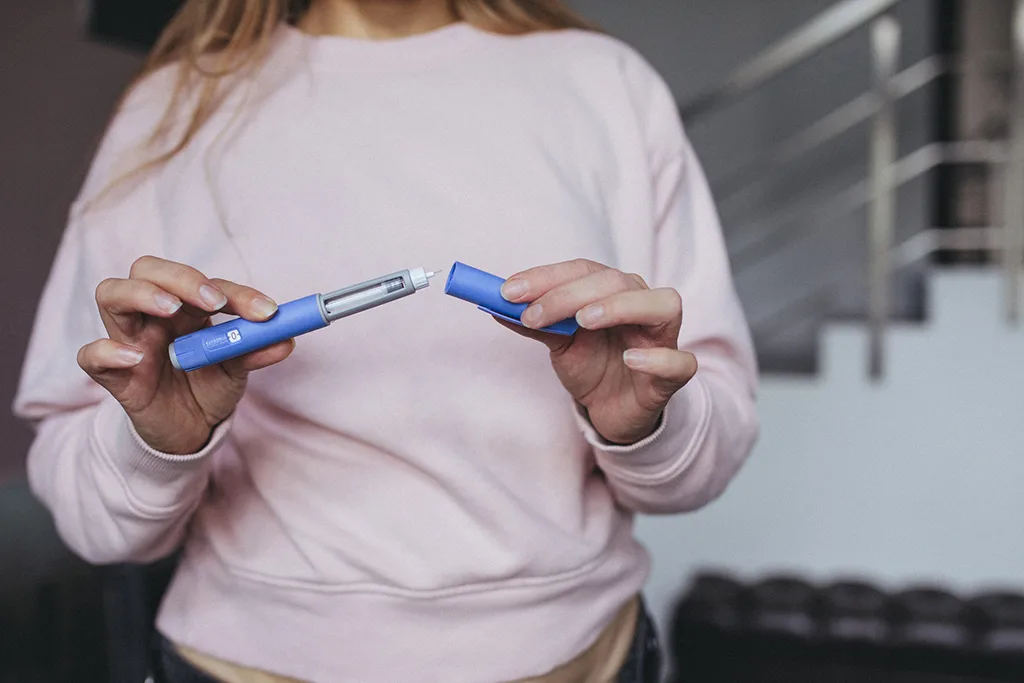

The pursuit of a healthier weight is a lifelong journey, and for many, it becomes even more critical as they age. For adults over 65, managing excess weight can significantly impact overall health, mobility, and quality of life. Recent findings from an analysis of the STEP clinical trials offer encouraging news, suggesting that semaglutide, the active ingredient in widely recognized medications such as Ozempic and Wegovy, demonstrates substantial efficacy and a generally safe profile for weight loss in older adults. This research provides valuable insights into how this class of medications, known as GLP-1 receptor agonists, can benefit a demographic often considered more vulnerable.
What does the new study reveal about semaglutide for adults over 65?
A comprehensive analysis of the STEP clinical trials indicates that semaglutide, the active component in Ozempic and Wegovy, is both effective and generally safe for individuals aged 65 and older who are living with obesity. Researchers observed that older adults using the once-weekly medication achieved significant reductions in body weight and showed improvements in several key health markers. Crucially, these results were found to be consistent with the outcomes observed in the broader STEP trial population, suggesting that age alone does not diminish the drug's benefits. This study, led by Professor Luca Busetto of the University of Padova, Italy, and involving researchers from Novo Nordisk, the drug's manufacturer, addresses a critical gap in understanding GLP-1 receptor agonists in an aging demographic.
Why is semaglutide's effectiveness in older adults important?
Older adults with obesity often face a complex interplay of health challenges, including multiple comorbidities and increased frailty, which can elevate the risk of adverse events when initiating new treatments. Historically, there has been limited specific data on how glucagon-like peptide-1 (GLP-1) receptor agonists, like semaglutide, perform in this age group. The STEP trials, designed to evaluate semaglutide's efficacy for weight management, included participants aged 65 and older. By analyzing data from trials such as STEP 1, 3, 4, 5, 8, and 9, focusing specifically on individuals with obesity or overweight but without diabetes, researchers could isolate the weight loss effects. This focused approach allows for a clearer understanding of semaglutide's impact on weight and related health metrics in a population that may respond differently to interventions.
Who participated in the semaglutide analysis for older adults?
The analysis specifically included participants from the STEP trials who were aged 65 years or older and met the criteria for obesity or overweight with at least one obesity-related complication, excluding those with diabetes. Participants were randomly assigned to receive either semaglutide 2.4 mg or a placebo, in addition to lifestyle interventions. Some participants in the STEP 3 trial also received intensive behavioral therapy. The study meticulously evaluated outcomes over a 68-week period, tracking changes in body weight, waist circumference, waist-to-height ratio (WHtR), BMI category, and various cardiometabolic risk factors, including blood pressure, cholesterol levels, blood fats, and glucose measures. Adverse events were also closely monitored to ensure a thorough safety assessment.
What were the key weight loss results for older adults on semaglutide?
Among the total cohort of 4,523 participants across the STEP trials, 358 were aged 65 or older and included in this specific analysis. Of these, 248 received semaglutide 2.4 mg, and 110 received a placebo. The majority of older participants (90%) were between 65 and 74 years old, with the remainder aged 75 and above. At the study's outset, the average age was 69 years, with an average body weight of 99.0 kg, a BMI of 36.6 kg/m², and a waist circumference of 115 cm. Women constituted a significant portion of this subgroup, at 72%. By the end of the 68-week study period, those treated with semaglutide experienced a substantial average body weight reduction of 15.4%, a stark contrast to the 5.1% reduction seen in the placebo group. Waist circumference also decreased more significantly with semaglutide, dropping by an average of 14.3 cm compared to 6.0 cm with placebo.
How many older adults achieved significant weight loss milestones?
The proportion of participants achieving major weight loss milestones was notably higher in the semaglutide group. Specifically, achieving a weight reduction of at least 10% was accomplished by 66.5% of those on semaglutide, compared to only 15.5% in the placebo group. For a more substantial loss of at least 15%, the figures were 46.8% for semaglutide users versus 6.4% for placebo. Furthermore, an impressive 28.6% of semaglutide participants achieved a weight loss of at least 20%, while only 2.7% of the placebo group reached this benchmark. These figures highlight the potent effect of semaglutide in facilitating clinically meaningful weight loss in older adults.
Precision tracking for your journey
Join thousands using Shotlee to accurately track GLP-1 medications and side effects.
📱 Get the Shotlee App
Track your GLP-1 medications, peptides, and health metrics on the go with our mobile app!
Did semaglutide improve cardiometabolic health in older adults?
Beyond weight reduction, semaglutide also demonstrated significant positive impacts on cardiometabolic health markers in the older adult population. Researchers observed notable improvements in waist-to-height ratio (WHtR) and BMI categories. In the semaglutide group, 11.3% achieved a WHtR of less than 0.53, a marker associated with better cardiovascular health, compared to 4.5% in the placebo group. More participants taking semaglutide transitioned into healthier BMI categories. Specifically, 27.0% of those on semaglutide achieved a BMI of 27 kg/m² or less, often considered a healthier weight range, versus 5.5% in the placebo group. This led to a decline in the proportions classified as overweight or in higher obesity classes within the semaglutide group as more individuals reached healthier weight ranges. When considering participants who achieved both a BMI of 27 or less and a WHtR of <0.53, the rates were 10.5% for semaglutide versus 2.7% for placebo.
What were the effects on blood pressure, cholesterol, and blood sugar?
The semaglutide group also exhibited greater improvements in various cardiometabolic risk factors. This included beneficial changes in blood pressure, cholesterol levels (both LDL and HDL), and blood fats (triglycerides). Furthermore, improvements were noted in glycated hemoglobin (HbA1c) levels, a key indicator of long-term blood sugar control. While the study focused on participants without diabetes, these improvements suggest a positive impact on metabolic health that could reduce the risk of developing or worsening cardiovascular conditions often associated with excess weight in older adults. For individuals managing their health with tools like Shotlee, tracking these metrics can provide valuable insights into the broader impact of weight management interventions.
What are the safety findings and potential side effects for older adults?
Regarding safety, the overall incidence of adverse events (AEs) was similar between the semaglutide and placebo groups, affecting 89.1% of semaglutide participants and 84.5% of placebo participants. However, serious adverse events were reported more frequently in the semaglutide group, occurring in 19.0% of participants compared to 12.7% in the placebo group. Common side effects associated with GLP-1 receptor agonists, such as constipation and dizziness, were indeed more prevalent among those taking semaglutide. Importantly, rates of fractures and hypoglycemia (low blood sugar) were comparable between the groups, affecting less than 1% of participants in each arm. This suggests that while common gastrointestinal side effects may occur, serious safety concerns like fractures and hypoglycemia are not significantly elevated in older adults compared to placebo.
What is the overall conclusion regarding semaglutide in older adults?
Dr. Busetto concluded that in this analysis of individuals with obesity aged 65 years and older, semaglutide effectively reduced body weight and improved cardiometabolic risk factors when compared to placebo. He emphasized that the safety and efficacy profile observed in this older demographic was consistent with the findings reported across the broader STEP program. He further commented that in many high-income countries, a significant portion of individuals with excess weight are over the age of 65. This demographic represents a major contributor to obesity-related complications and a substantial cause of reduced quality of life and disability. Therefore, these results strongly support the use of semaglutide as a viable and beneficial treatment option for this patient group, provided it is prescribed and monitored appropriately by a healthcare professional.
Practical Takeaways:
- Semaglutide (Ozempic, Wegovy) shows significant weight loss and health benefits in adults over 65 with obesity.
- Efficacy and safety profiles are comparable to younger populations, though serious adverse events were slightly higher in the semaglutide group.
- Common side effects like constipation and dizziness may occur.
- Improvements in BMI, waist circumference, and cardiometabolic markers were observed.
- Consult with a healthcare provider to determine if semaglutide is appropriate for managing weight and related health conditions in older adults.
The findings from this analysis are particularly significant as they provide robust evidence for the use of semaglutide in an aging population where obesity can exacerbate existing health issues and impact independence. For individuals and their caregivers, understanding these benefits and potential risks is crucial for making informed decisions about treatment strategies. Utilizing tools to track progress, such as those offered by Shotlee, can further empower individuals to monitor their response to treatment and communicate effectively with their healthcare team.