
The Evolving Landscape of Weight Management: Beyond Initial Loss
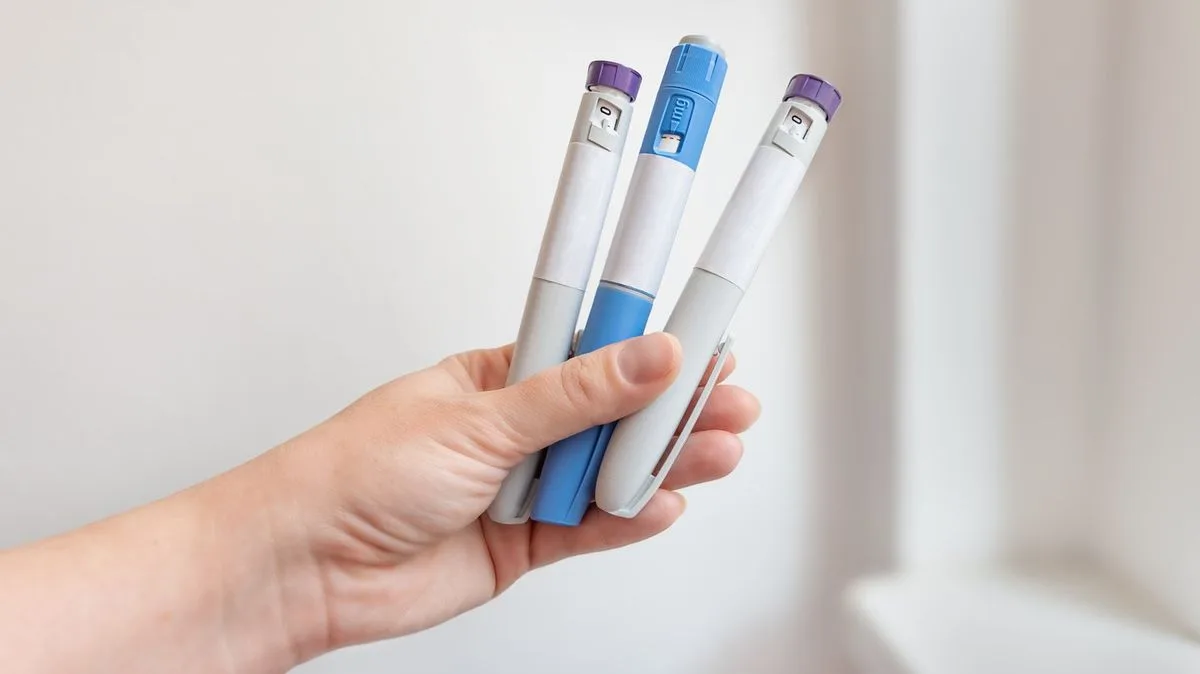
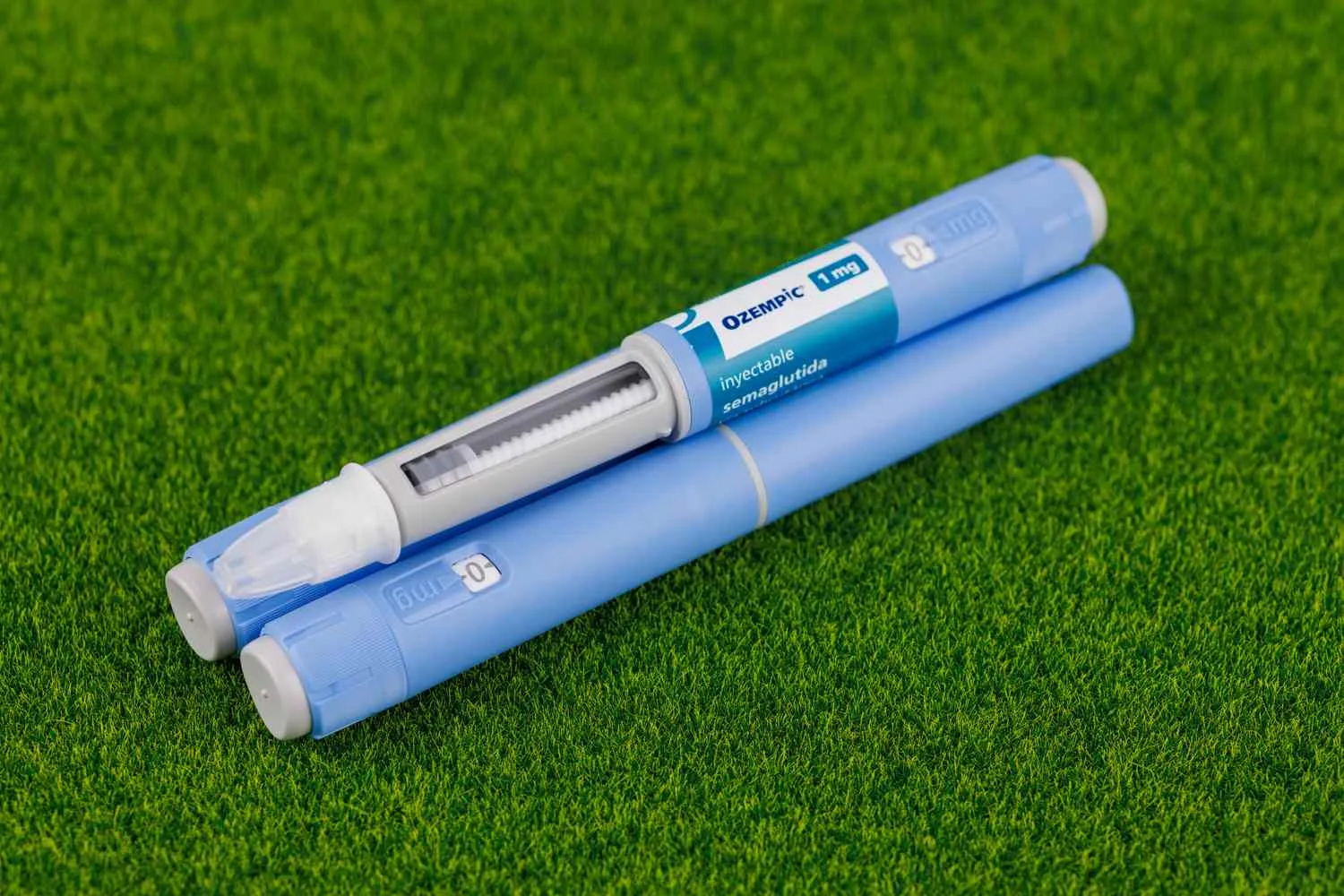
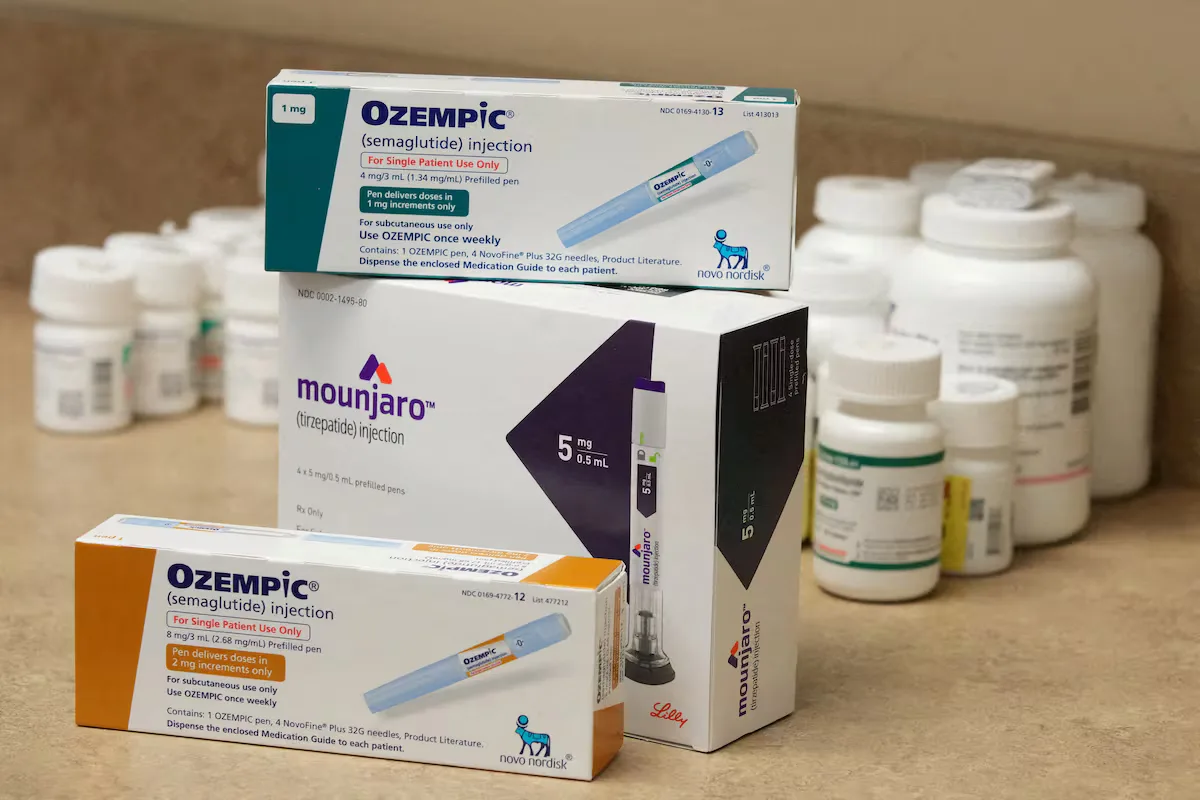
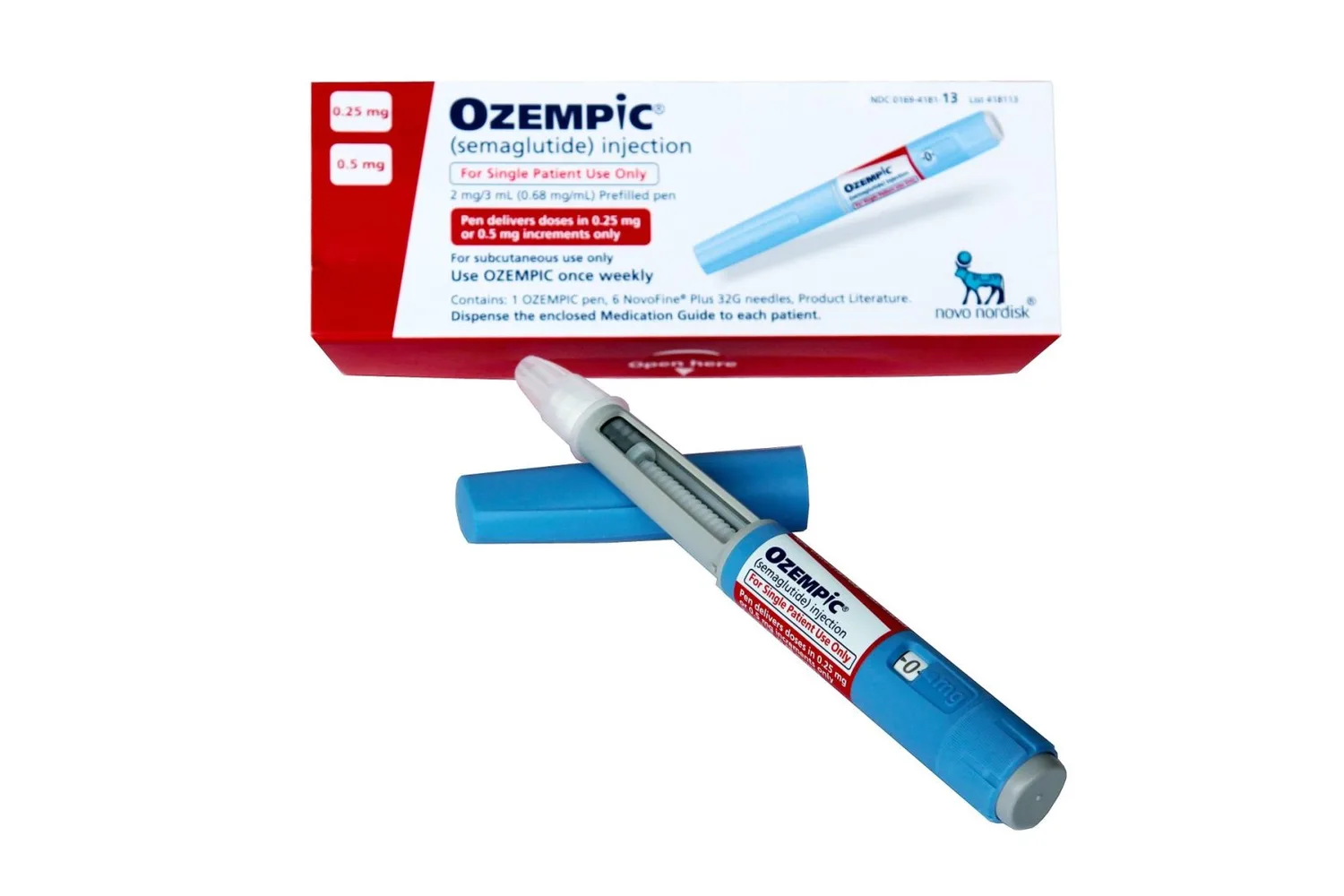
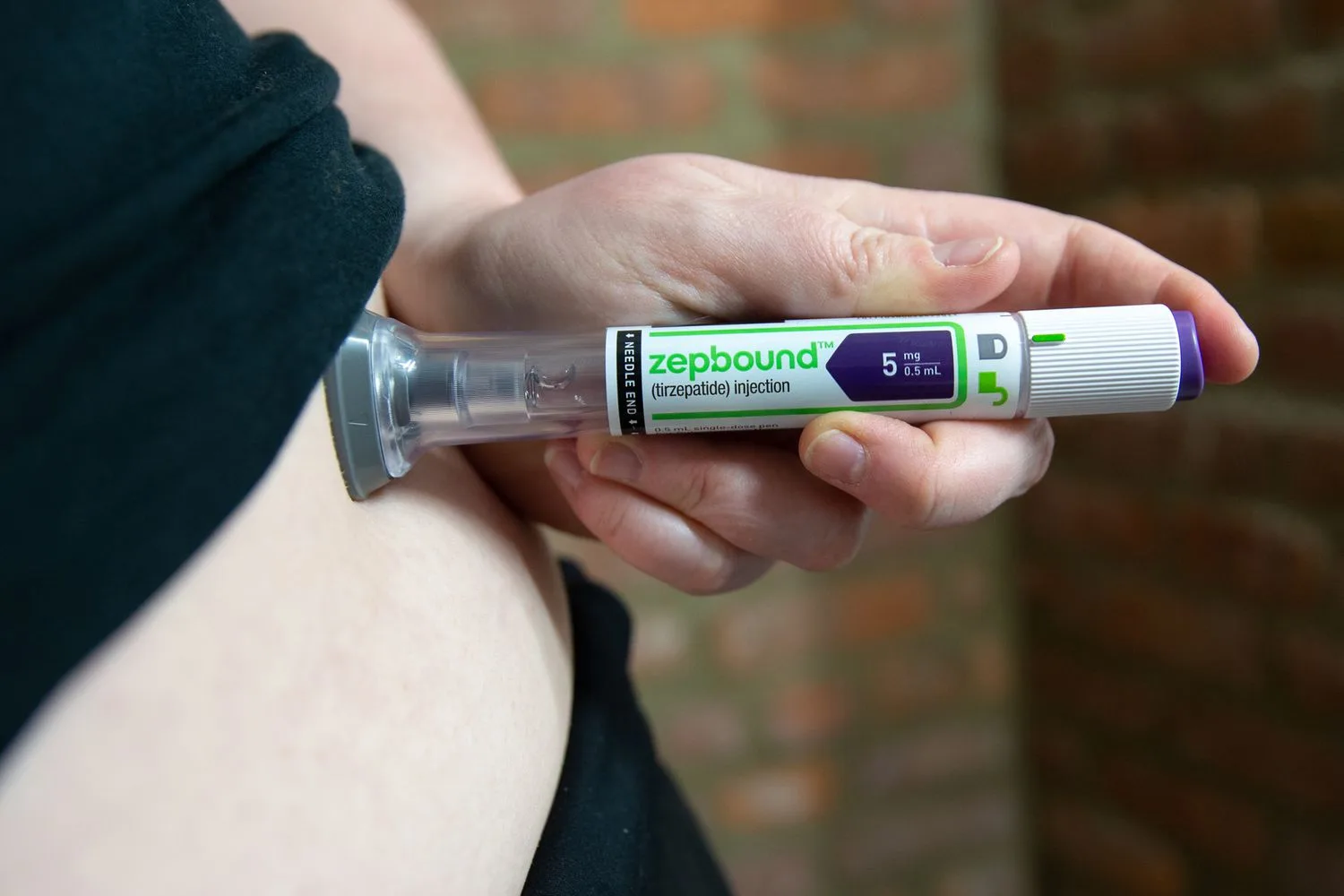
Achieving significant weight loss is a monumental achievement, but the journey doesn't end there. For many, the challenge of maintaining that hard-won progress is as formidable as the initial weight loss itself. This is particularly true for individuals who have benefited from powerful injectable GLP-1 (glucagon-like peptide-1) receptor agonists, such as semaglutide (found in Ozempic and Wegovy) and tirzepatide (found in Mounjaro). While these medications have revolutionized obesity treatment, the prospect of long-term injectable therapy or the potential for weight regain upon discontinuation presents ongoing concerns. Now, a pivotal clinical trial is shedding light on a promising new strategy: transitioning to an oral GLP-1 to sustain weight management efforts.
Introducing Orforglipron: An Oral Option for Maintenance
The ATTAIN-MAINTAIN trial, a significant study led by investigators from Weill Cornell Medicine and NewYork-Presbyterian, has explored the efficacy of orforglipron, an oral small molecule GLP-1 receptor agonist, for weight loss maintenance. Published in the prestigious journal Nature Medicine, the trial's findings suggest that switching from injectable GLP-1s to a once-daily oral pill like orforglipron can help individuals maintain a substantial portion of their previously achieved weight loss and related cardiometabolic benefits. This development is particularly noteworthy as it addresses a key unmet need in the chronic management of obesity.
Dr. Louis J. Aronne, lead author of the study and director of the Comprehensive Weight Control Center at Weill Cornell Medicine, emphasizes the chronic nature of obesity. "Obesity is a chronic condition like high blood pressure, elevated cholesterol or high blood sugar and requires chronic treatment," he stated. However, not all patients may desire or tolerate long-term injectable therapies. Factors such as a preference for oral administration, the inconvenience of injections, or the need for refrigeration can influence treatment adherence. The potential for oral medications to be less costly over the long run also adds to their appeal.
The ATTAIN-MAINTAIN Trial: A Closer Look at the Data
The ATTAIN-MAINTAIN trial was designed to evaluate the effectiveness of orforglipron in maintaining weight loss and cardiometabolic health in individuals who had previously achieved substantial weight reduction on injectable GLP-1s. The trial enrolled patients who had reached a plateau in their weight loss while participating in the SURMOUNT-5 trial, which had compared the efficacy of tirzepatide and semaglutide.
In the SURMOUNT-5 trial, participants taking tirzepatide achieved an average weight loss of 20% (approximately 50 pounds), while those on semaglutide lost an average of 14% (approximately 33 pounds). The ATTAIN-MAINTAIN trial then randomized 205 patients who had been on tirzepatide and 171 patients who had been on semaglutide to either receive daily orforglipron or a placebo for one year.
Key Findings on Weight Maintenance
The results demonstrated a significant difference in weight maintenance between the groups:
- From Tirzepatide to Orforglipron: Patients who switched from tirzepatide to orforglipron maintained an average of 74.7% of their body weight reduction. In contrast, the placebo group maintained only 49.2% of their weight loss.
- From Semaglutide to Orforglipron: Patients who switched from semaglutide to orforglipron maintained an average of 79.3% of their body weight reduction. The placebo group in this arm maintained 37.6% of their weight loss.
Over the 52-week study period, participants treated with orforglipron experienced modest weight regain. Those who switched from tirzepatide gained an average of 5 kilograms (approximately 11 pounds), while those who switched from semaglutide gained an average of 1 kilogram (approximately 2.2 pounds). This regain was significantly less than what would be expected from discontinuing treatment altogether.
Understanding the Differences in Weight Regain
The observed differences in weight regain between the two groups are not surprising, according to Dr. Aronne, and can be attributed to the differing mechanisms of action of the medications involved.
Tirzepatide is a dual-acting agonist, meaning it targets two receptors (GLP-1 and GIP). This dual action often leads to more substantial initial weight loss. Consequently, when patients switch to a single-target agent like orforglipron, they may experience a proportionally larger weight regain compared to those who started with a single-target agent like semaglutide.
Precision tracking for your journey
Join thousands using Shotlee to accurately track GLP-1 medications and side effects.
📱 Get the Shotlee App
Track your GLP-1 medications, peptides, and health metrics on the go with our mobile app!
Semaglutide and orforglipron, on the other hand, are both single-target GLP-1 receptor agonists. This similarity in mechanism may contribute to better weight maintenance following a switch from semaglutide to orforglipron, even though the initial weight loss achieved with semaglutide might have been less dramatic than with tirzepatide.
The study authors suggest that maintaining extremely large weight losses may present unique biological challenges. The development of dual-acting oral GLP-1s in the future could offer even greater potential for weight loss and maintenance.
Cardiometabolic Benefits and Tolerability
Beyond weight maintenance, the ATTAIN-MAINTAIN trial also assessed the impact of switching to orforglipron on other health markers. Participants who transitioned to the oral medication maintained many of the cardiometabolic benefits previously achieved with their injectable therapies. These benefits included reductions in waist circumference, improvements in blood pressure, and favorable changes in blood sugar, triglyceride, and cholesterol levels.
Regarding tolerability, the oral medication was generally well-received by participants. The most common side effects reported were mild to moderate gastrointestinal issues, which are consistent with those observed with other GLP-1 receptor agonists. This suggests that orforglipron can be a viable option for individuals seeking a more convenient administration route without a significant compromise in tolerability.
The availability of oral GLP-1 options like orforglipron is crucial for providing a continuum of care in obesity management. "When treating a chronic disease like obesity," Dr. Aronne noted, "it is key to have options throughout the weight loss journey to health."
Practical Takeaways for Patients and Providers
The ATTAIN-MAINTAIN trial marks a significant step forward in the long-term management of obesity. For patients currently on injectable GLP-1s, the prospect of transitioning to an oral medication for maintenance offers increased convenience and potentially improved adherence. This could be particularly beneficial for individuals who find injections burdensome or face logistical challenges with refrigerated medications.
For healthcare providers, the emergence of oral GLP-1s expands the therapeutic toolkit for managing obesity. This offers greater flexibility in tailoring treatment plans to individual patient needs, preferences, and lifestyle factors. Tracking progress, including weight changes, symptom management, and adherence, can be facilitated with tools like Shotlee, ensuring that patients remain on the optimal path to achieving and maintaining their health goals.
Conclusion: A New Era in Obesity Treatment
The ATTAIN-MAINTAIN trial provides compelling evidence that oral GLP-1 receptor agonists, such as orforglipron, can play a vital role in the long-term maintenance of weight loss and cardiometabolic health. By offering a convenient, once-daily pill alternative to injectables, these medications address key barriers to adherence and provide patients with more options throughout their weight management journey. As research continues and new oral formulations become available, the future of obesity treatment looks increasingly promising, emphasizing a personalized and sustainable approach to chronic disease management.
Dr. Louis Aronne has served as a paid consultant and advisory board member for Eli Lilly and Company, the sponsor of the study and manufacturer of orforglipron and tirzepatide.