
The Growing Challenge of Obesity in Older Adults
Obesity is a complex health issue that affects individuals across all age groups, but it presents unique challenges and considerations for older adults. As people age, metabolic changes, lifestyle shifts, and other health conditions can contribute to weight gain. This can, in turn, exacerbate existing health problems or lead to new ones, significantly impacting quality of life and longevity. Recognizing this, researchers have been keenly interested in how newer weight management medications, such as those in the GLP-1 receptor agonist class, perform in this vital demographic.
Historically, older adults have been underrepresented in clinical trials for obesity medications. This has created a gap in our understanding of their efficacy and safety in this population. However, a recent pooled analysis of the STEP trials has shed crucial light on the benefits of once-weekly injectable semaglutide 2.4 mg (marketed as Wegovy for weight management) specifically in adults aged 65 and older.
Semaglutide's Impact on Weight and Body Composition
The findings from this pooled analysis, presented at the European Congress on Obesity, are highly encouraging. The study focused on older adults with obesity who did not have diabetes, a common comorbidity that can complicate treatment approaches. Participants were randomly assigned to receive either semaglutide 2.4 mg weekly or a placebo for a period of 68 weeks.
The results demonstrated that semaglutide was not only effective but also comparable in its weight-reducing capacity for older adults to that seen in younger populations. This is a critical insight, as concerns sometimes arise about whether older individuals may respond differently to medications.
Key Weight Loss Metrics
The analysis, which included 358 adults aged 65 years and older (with a mean age of 69), revealed significant differences between the semaglutide and placebo groups:
- Body Weight Reduction: Adults receiving semaglutide experienced a substantial reduction in body weight, averaging -15.4% from baseline, compared to a -5.1% reduction in the placebo group.
- Waist Circumference: A corresponding decrease in waist circumference was observed, with the semaglutide group showing a decline of -14.3 cm versus -6 cm in the placebo group. This reduction in abdominal fat is particularly important for cardiometabolic health.
- Proportion Achieving Significant Weight Loss: The efficacy of semaglutide was further highlighted by the percentage of participants achieving clinically meaningful weight loss milestones:
- At least 10% body weight loss: 66.5% in the semaglutide group vs. 15.5% in the placebo group.
- At least 15% body weight loss: 46.8% in the semaglutide group vs. 6.4% in the placebo group.
- At least 20% body weight loss: 28.6% in the semaglutide group vs. 2.7% in the placebo group.
- Waist-to-Height Ratio: A greater proportion of older adults on semaglutide achieved a waist-to-height ratio of less than 0.53, a marker associated with better health outcomes (11.3% vs. 4.5%).
- BMI Reduction: By week 68, 27% of the semaglutide group achieved a BMI of less than 27 kg/m², compared to only 5.5% in the placebo group.
Cardiometabolic Benefits Beyond Weight Loss
The positive effects of semaglutide extended beyond just weight reduction. The study found significant improvements in several key cardiometabolic parameters for older adults treated with the medication:
| Cardiometabolic Parameter | Improvement with Semaglutide vs. Placebo |
|---|---|
| Fasting Plasma Glucose | Greater improvement |
| Fasting Serum Insulin | Greater improvement |
| Systolic Blood Pressure | Greater improvement |
| Diastolic Blood Pressure | Greater improvement |
| Triglycerides | Greater improvement |
| LDL Cholesterol | Greater improvement |
| High-Sensitivity C-Reactive Protein (hs-CRP) | Greater improvement |
These improvements are crucial because they directly address risk factors for cardiovascular disease, type 2 diabetes, and other metabolic disorders, which are often prevalent in older populations. The reduction in blood pressure, improved lipid profiles, and better glucose control contribute to a more favorable overall cardiometabolic profile.
Precision tracking for your journey
Join thousands using Shotlee to accurately track GLP-1 medications and side effects.
📱 Get the Shotlee App
Track your GLP-1 medications, peptides, and health metrics on the go with our mobile app!
Safety and Tolerability in Older Adults
A critical aspect of any medication, especially for older adults who may have more comorbidities or be on multiple medications, is its safety profile. The analysis reported adverse events in 89.1% of the semaglutide group and 84.5% of the placebo group. Serious adverse events were observed in 19% of those on semaglutide and 12.7% on placebo.
Commonly reported side effects in the semaglutide group included constipation and dizziness. However, the researchers noted that certain age-related adverse events, such as falls and hypoglycemic events, occurred more frequently in the elderly population overall, but there were no significant differences between the semaglutide and placebo groups for these specific events. This suggests that these particular occurrences might be more attributable to age-related factors rather than the treatment itself.
The study authors emphasize the need for ongoing monitoring and individual assessment when prescribing semaglutide to older adults, as with any medication. While the data suggests good tolerability and efficacy, personalized care remains paramount.
Future Research and Considerations
While this analysis provides valuable insights, the researchers acknowledge that further investigation is warranted. Specifically, there is a need for more randomized controlled trial data examining the impact of semaglutide on:
- Body Composition: Understanding how semaglutide affects lean muscle mass versus fat mass is crucial for maintaining functional capacity in older adults.
- Bone Health: Assessing any potential impact on bone density and fracture risk.
- Muscular Function: Evaluating the effects on strength and mobility.
These areas are vital for preserving independence and quality of life in the aging population. As with any weight management journey, particularly with medications like semaglutide, tirzepatide, or other peptide therapies, consistent health tracking can be invaluable. Tools like Shotlee can help individuals and their healthcare providers monitor weight changes, symptom onset, medication timing, and other vital health data, fostering a more informed and collaborative approach to treatment.
Practical Takeaways for Older Adults and Their Caregivers
For older adults considering or currently using semaglutide for weight management, this study offers a strong foundation of evidence for its benefits. It underscores that effective weight loss and significant cardiometabolic improvements are achievable in this age group.
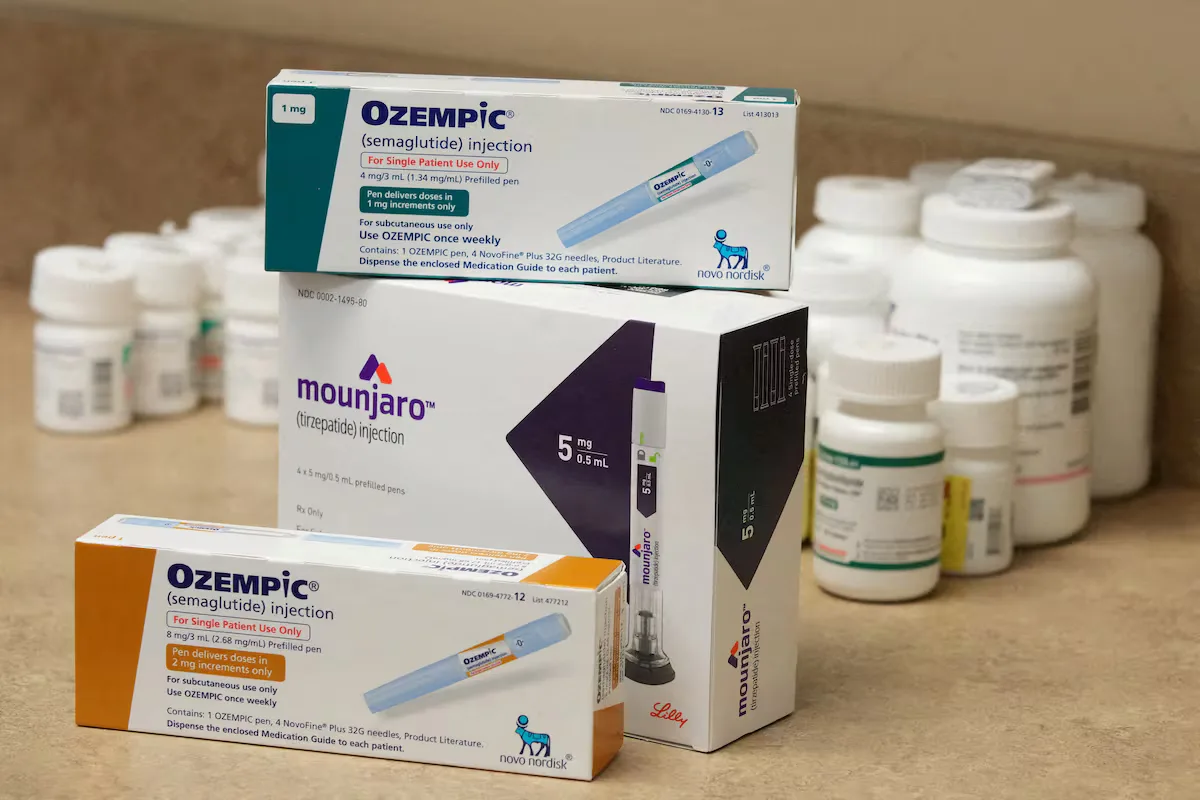
- Consult Your Doctor: Always discuss any new medication, including semaglutide, Ozempic, or Mounjaro, with your healthcare provider. They can assess your individual health status, potential risks, and benefits.
- Monitor Your Health: Pay attention to how you feel. Report any new or worsening symptoms to your doctor promptly.
- Track Your Progress: Consistent tracking of weight, diet, exercise, and any side effects can empower you and your medical team. Using a health tracking app can simplify this process.
- Be Patient: Weight management is a journey. Celebrate milestones and stay committed to your treatment plan.
Conclusion
The pooled analysis of the STEP trials provides robust evidence that once-weekly semaglutide 2.4 mg is an effective treatment for weight loss and cardiometabolic improvement in older adults with obesity. The medication demonstrates efficacy comparable to younger populations, addressing a critical gap in research and offering a promising therapeutic option. While common side effects like constipation and dizziness were noted, the overall safety profile appears favorable, with age-related concerns not significantly differentiated from placebo. As this field of obesity treatment continues to evolve with medications like semaglutide, tirzepatide, and emerging peptide therapies, continued research into long-term effects, body composition, and functional outcomes will further refine our understanding and application for diverse patient groups, including our valued older adults.