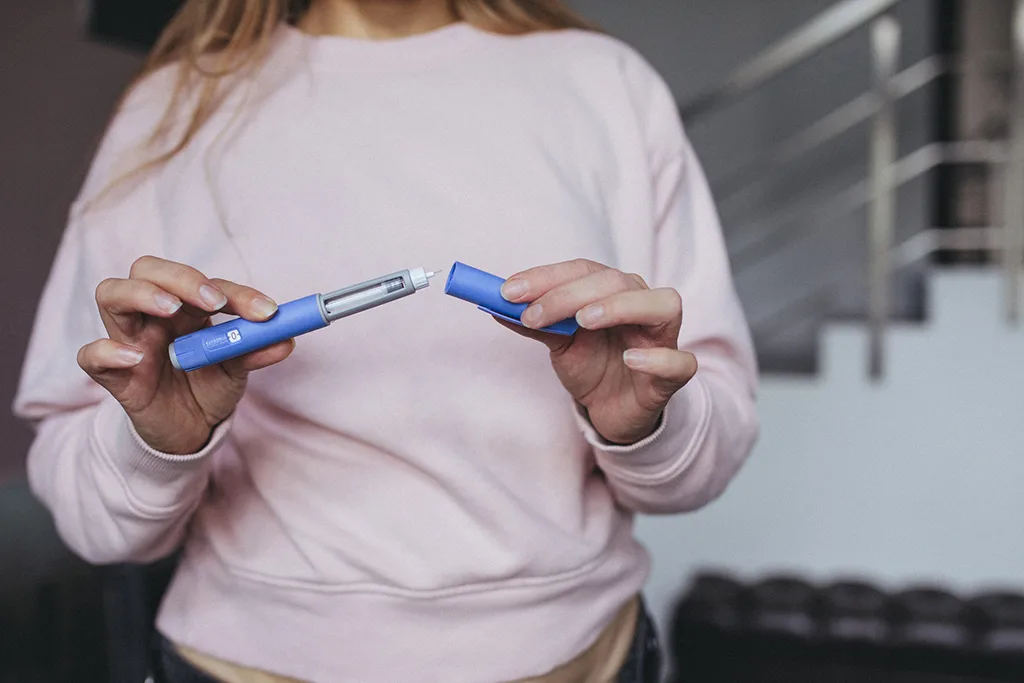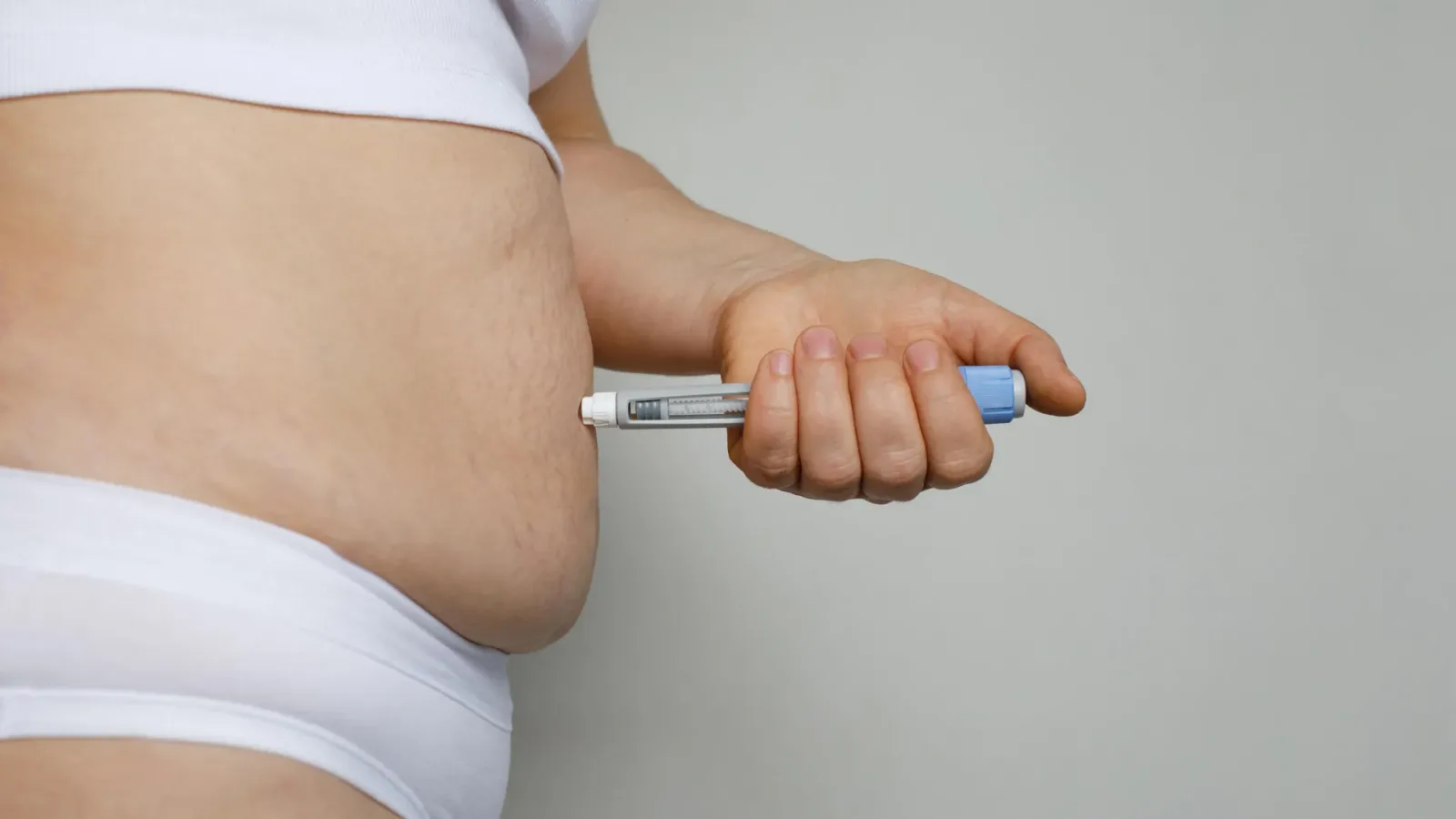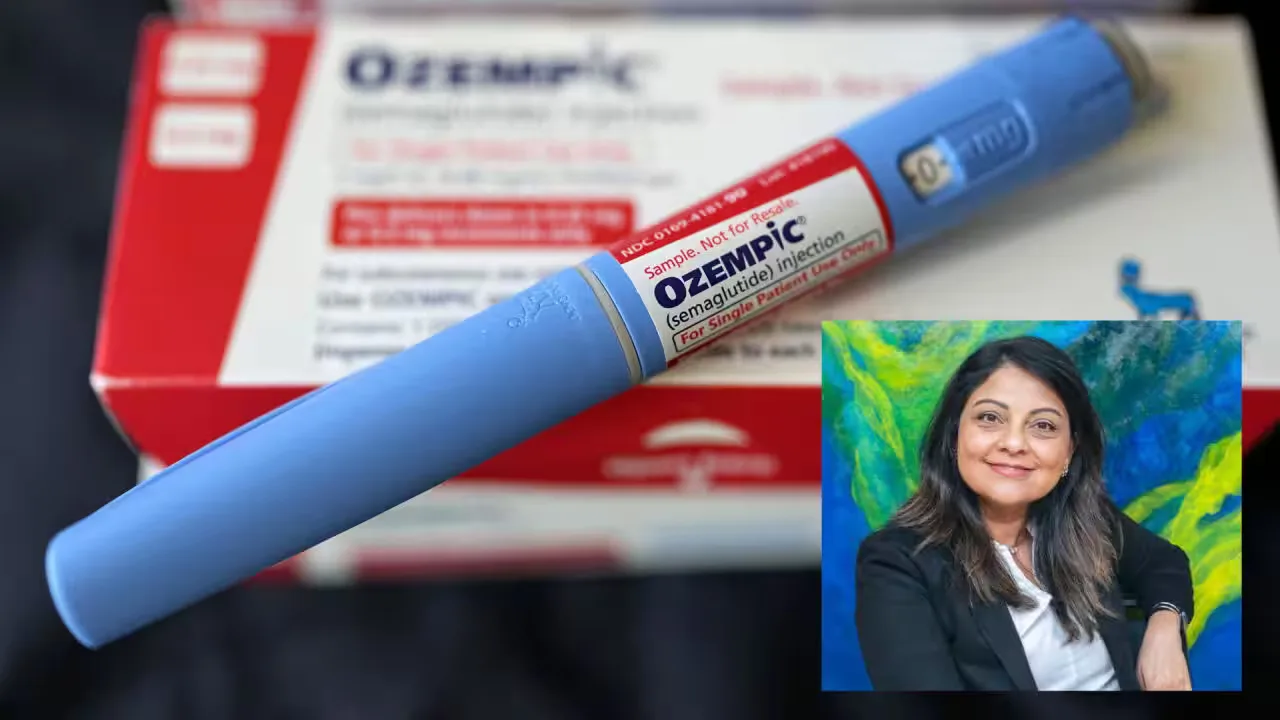
New research suggests that GLP-1 weight loss medications, commonly known as fat jabs, could significantly curb alcohol abuse and reduce hospitalizations by more than a quarter. This emerging evidence highlights a potential secondary benefit of drugs like Semaglutide and Tirzepatide, which are primarily prescribed for obesity and type 2 diabetes management. While these treatments have long been celebrated for their impact on weight loss, a recent study published in BMJ Open indicates they may also play a crucial role in reducing alcohol-related harm. The findings have sparked interest among clinicians about using these medications as part of a broader strategy for addiction treatment. As the demand for effective interventions grows, understanding the full scope of these drugs' effects is essential for patients and healthcare providers alike.
For individuals using Shotlee to track their health metrics, this data provides a compelling reason to monitor how medication might influence lifestyle choices beyond caloric intake. While the primary goal remains metabolic health, the reduction in hospital admissions offers a tangible public health benefit. This article explores the details of the study, the biological mechanisms involved, and what patients should consider before starting therapy.
What Did the Recent Study on GLP-1 and Alcohol Find?
Recent analysis indicates that GLP-1 weight loss medications significantly reduce the risk of alcohol-related hospital admissions by approximately 26 percent compared to other diabetes treatments. This finding comes from a large-scale review published in BMJ Open, which examined health data from over 40,000 individuals across four distinct clinical trials conducted between 2018 and 2024. The study focused on patients prescribed semaglutide or tirzepatide, the active ingredients in popular brands like Ozempic and Mounjaro, to understand their secondary effects on addiction behaviors. Researchers observed that while these drugs are primarily designed to mimic gut hormones for weight management, they appear to influence reward pathways in the brain that govern substance use. While the exact biological mechanism remains under investigation, the statistical reduction in emergency care visits suggests a potential therapeutic benefit for individuals struggling with alcohol dependency.
The scope of the data was extensive, covering a diverse range of patient demographics and medical histories. By analyzing records from multiple trials, the researchers were able to control for various confounding variables that often plague observational studies. The consistency of the results across different trials strengthened the validity of the conclusion that these medications are associated with fewer alcohol-related health crises. This is particularly important given the rising rates of alcohol-related harm in the general population, where emergency care resources are often strained.
Furthermore, the study provides a quantitative basis for discussing treatment options with patients who have comorbid conditions. It moves the conversation from anecdotal evidence to statistical probability, allowing doctors to make more informed recommendations. The 26 percent figure serves as a conservative estimate, as other subgroups showed even higher reductions in risk.
How Do GLP-1 Agonists Affect Alcohol Consumption?
The primary biological reason these medications may curb alcohol intake lies in their ability to modulate dopamine release within the brain's reward centers. GLP-1 agonists mimic the hormone glucagon-like peptide-1, which is naturally released in the gut after eating to signal satiety to the brain. By activating receptors in areas associated with pleasure and craving, the drugs can dampen the urge to consume substances that trigger similar reward responses, including alcohol. This neurobiological effect helps explain why some patients report a decreased desire for alcohol even when not explicitly treating addiction. Clinical evidence suggests that this reduction in craving is distinct from simple appetite suppression, pointing toward a broader impact on behavioral health. Consequently, doctors are now considering these treatments as part of a comprehensive strategy for managing substance use disorders in conjunction with traditional therapies.
The interaction between the gut and the brain, often referred to as the gut-brain axis, is a key area of focus in this research. When the gut releases GLP-1, it sends signals to the hypothalamus, which regulates hunger and reward-seeking behavior. By artificially maintaining high levels of this hormone, the medication essentially tricks the brain into feeling satisfied, potentially reducing the need for external rewards like alcohol. This mechanism offers a physiological explanation for the behavioral changes observed in the study participants.
Understanding this pathway is crucial for patients who may be concerned about the psychological impact of stopping alcohol. It suggests that the medication works on the root cause of the craving rather than just masking symptoms. However, this does not mean the drugs are a standalone cure for addiction, and professional support remains necessary.
Do Specific Patient Groups Benefit More from These Medications?
Patients with specific comorbidities, such as type 2 diabetes or obesity, experience an even more substantial reduction in alcohol-related hospitalizations when using these therapies. In subgroups where individuals had existing alcohol issues alongside metabolic conditions, the risk of admission dropped by as much as 63 percent for diabetic patients and 65 percent for those classified as obese. This suggests that the medication may be particularly effective for people whose alcohol consumption is linked to underlying health struggles or metabolic dysregulation. The data indicates that the therapeutic impact is not uniform across all demographics but is strongest in populations already at higher risk for metabolic complications. These figures highlight the potential for targeted treatment plans where weight loss medication serves a dual purpose in managing both physical weight and substance-related health risks.
Precision tracking for your journey
Join thousands using Shotlee to accurately track GLP-1 medications and side effects.
📱 Get the Shotlee App
Track your GLP-1 medications, peptides, and health metrics on the go with our mobile app!
The correlation between metabolic health and alcohol consumption is well-documented, with obesity often exacerbating the negative effects of alcohol on the liver and cardiovascular system. By addressing the metabolic root, the medication may indirectly improve the body's resilience to alcohol-related damage. This dual-action benefit makes these drugs a compelling option for patients with complex medical histories.
The following table summarizes the risk reduction data reported in the study across different patient categories.
| Patient Group | Comparison | Risk Reduction |
|---|---|---|
| All Users | Other Diabetes Medicines | 26% |
| Weight Loss Users | Other Obesity Medicines | 32% |
| Type 2 Diabetics with Alcohol Issues | Control Group | 63% |
| Obese People with Alcohol Issues | Control Group | 65% |
What Do Medical Experts Say About These Findings?
Medical experts caution that while the results are promising, the study design is observational, meaning it cannot definitively prove causation between the drug and reduced drinking. Professor Colin Angus from Sheffield University noted that the study population likely included more affluent individuals with better health insurance, as these newer treatments are expensive and not universally accessible. This socioeconomic factor could skew the data, as people with better resources may have better overall health outcomes regardless of medication. Furthermore, the authors acknowledged that differences between those who started the medication and those who did not were not fully controlled for in the analysis. Therefore, while the evidence adds weight to the hypothesis that GLP-1s reduce harm, it is not yet considered the definitive word on using these drugs specifically as addiction treatments.
The cost of these medications remains a significant barrier to entry for many patients, which limits the generalizability of the study results. In real-world settings, adherence to treatment can vary widely depending on insurance coverage and out-of-pocket expenses. This variability means that the observed benefits might be higher in controlled clinical environments than in broader community settings.
Despite these limitations, the study adds to a growing body of evidence that supports further investigation. Experts recommend that doctors remain vigilant about potential side effects and monitor patients closely to ensure that the benefits outweigh the risks in their specific case.
What Are the Known Side Effects of GLP-1 Therapy?
Patients considering these medications must be aware that they carry a range of potential side effects that vary in frequency and severity depending on the individual. The most commonly reported adverse events include gastrointestinal issues such as nausea, constipation, and diarrhea, which often subside as the body adjusts to the treatment. Other documented concerns range from fatigue and stomach pain to headaches and dizziness, which can impact daily functioning during the initial titration phase. More unusual symptoms, such as hair loss, have also been reported by some users, though the prevalence remains relatively low compared to standard metabolic side effects. It is crucial for patients to monitor their symptoms closely and communicate any concerns with their prescribing physician to ensure safety while managing their health goals.
Tracking these side effects is vital for long-term success and adherence to the medication regimen. Using a health tracking tool like Shotlee can help patients log symptoms alongside their medication doses and dietary habits. This data can be invaluable when discussing treatment adjustments with a healthcare provider.
While the side effects can be uncomfortable, they are generally manageable and often temporary. Education on how to mitigate these effects, such as dietary changes or hydration strategies, can improve the patient experience significantly.
Practical Takeaways for Patients
- Monitor your alcohol consumption and health metrics regularly to track any changes.
- Discuss the potential benefits and risks with your doctor before starting therapy.
- Use tools like Shotlee to log symptoms and maintain a clear health record.
- Be aware of the socioeconomic factors that may influence treatment access.
- Combine medication with behavioral support for the best outcomes.
In conclusion, the link between GLP-1 weight loss injections and reduced alcohol-related hospitalizations is a significant development in medical research. While more studies are needed to confirm causality and understand the long-term effects, the current data offers hope for a dual-purpose treatment approach. Patients should approach these medications with a clear understanding of their benefits and limitations, working closely with healthcare professionals to optimize their health journey.