Introduction to the Medicare GLP-1 Bridge Initiative
The healthcare landscape for obesity treatment is shifting dramatically as the Trump administration recently built a bridge to cheaper obesity drugs. Eli Lilly and Novo Nordisk are helping Medicare beneficiaries find it through aggressive new marketing strategies. The two rival GLP-1 manufacturers have launched advertising efforts around the new Medicare GLP-1 Bridge, a temporary federal program that allows eligible Part D beneficiaries to obtain certain weight-loss drugs for a $50 monthly copay.
The program, which began July 1, marks the first time Medicare has created a broad pathway to cover GLP-1 medications specifically for weight management. Yet the Trump administration did relatively little to promote the benefit before its launch, leaving the companies whose drugs stand to gain from expanded coverage to help close the awareness gap. This collaboration between government policy and private sector marketing represents a significant milestone in chronic disease management.
How Does the Medicare GLP-1 Bridge Program Work?
The Medicare GLP-1 Bridge program is a temporary federal initiative enabling eligible Part D beneficiaries to obtain specific weight-loss medications for a fixed $50 monthly copay starting July 1, 2025. This initiative represents the first broad pathway created by Medicare to cover GLP-1 medications specifically for weight management, though the Trump administration did little to promote the benefit before its launch. Consequently, manufacturers like Eli Lilly and Novo Nordisk have launched extensive advertising efforts to close the awareness gap and educate seniors on their new treatment options and how federal coverage might play a significant part in their care. The program operates separately from the usual Part D coverage system and is scheduled to run through December 31, 2027, according to Centers for Medicare & Medicaid Services data. This temporary structure offers a specific, limited-time opportunity for reduced out-of-pocket expenses during the transition period.
That distinction also means the copay does not count toward a patient’s Part D deductible or out-of-pocket spending, and low-income subsidies cannot be applied to the $50 cost. Beneficiaries are also required to meet clinical criteria related to body mass index and certain weight-related conditions, obtain a prescription, and receive prior authorization. Some Medicare plan types are excluded, which adds a layer of complexity to the enrollment process.
Who Qualifies for the $50 Monthly Copay?
Eligible beneficiaries must meet specific clinical criteria related to body mass index and certain weight-related conditions before they can access the reduced cost through prior authorization. Some Medicare plan types are excluded from the program, meaning not all seniors automatically qualify for the fixed monthly rate regardless of their prescription history. Patients are required to obtain a valid prescription and receive prior authorization, which adds administrative steps to the process that healthcare providers must navigate. The distinction also means the $50 copay does not count toward a patient’s Part D deductible or out-of-pocket spending, and low-income subsidies cannot be applied to this specific cost. Understanding these exclusions is vital for determining if the bridge program fits your current insurance structure.
While the financial barrier is significantly lowered, the clinical barrier remains. Patients will need to work closely with their providers to ensure they meet the BMI thresholds and have the necessary comorbidities documented. This ensures that the limited resources of the bridge program are directed toward those who need them most for health reasons beyond cosmetic weight loss.
Which GLP-1 Medications Are Covered Under the Bridge?
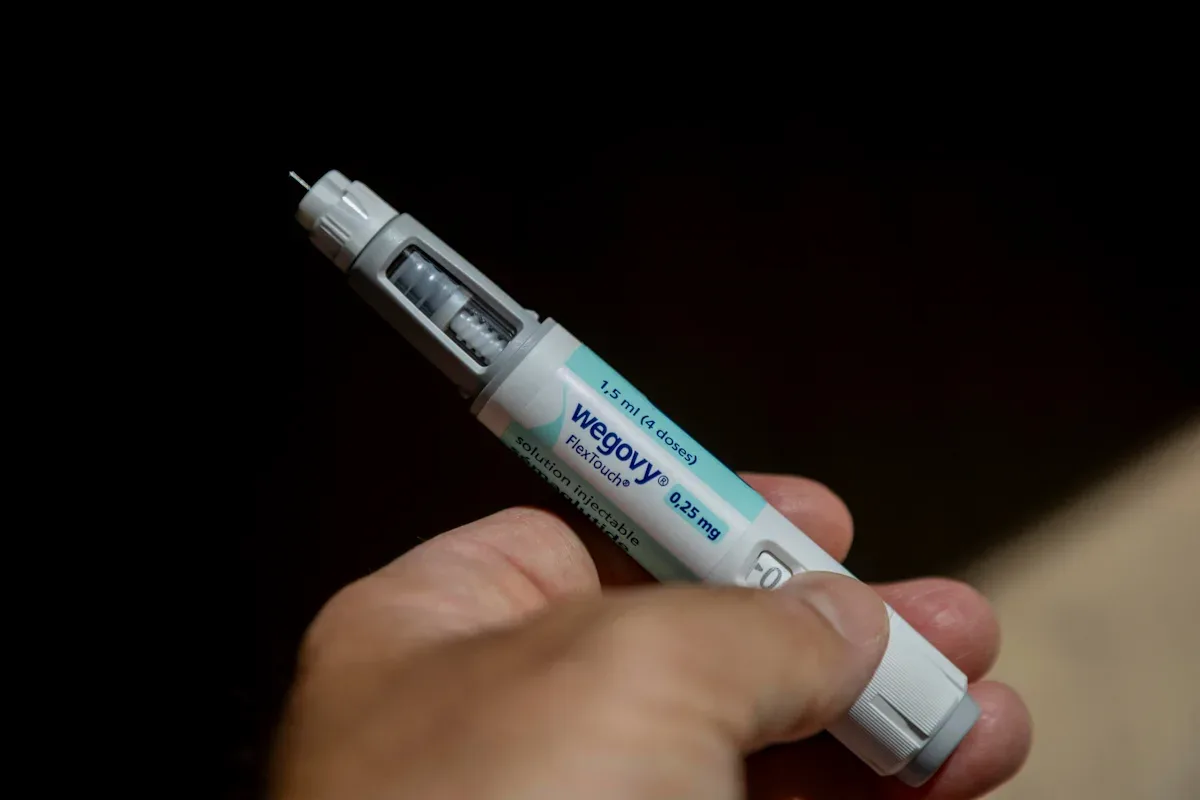
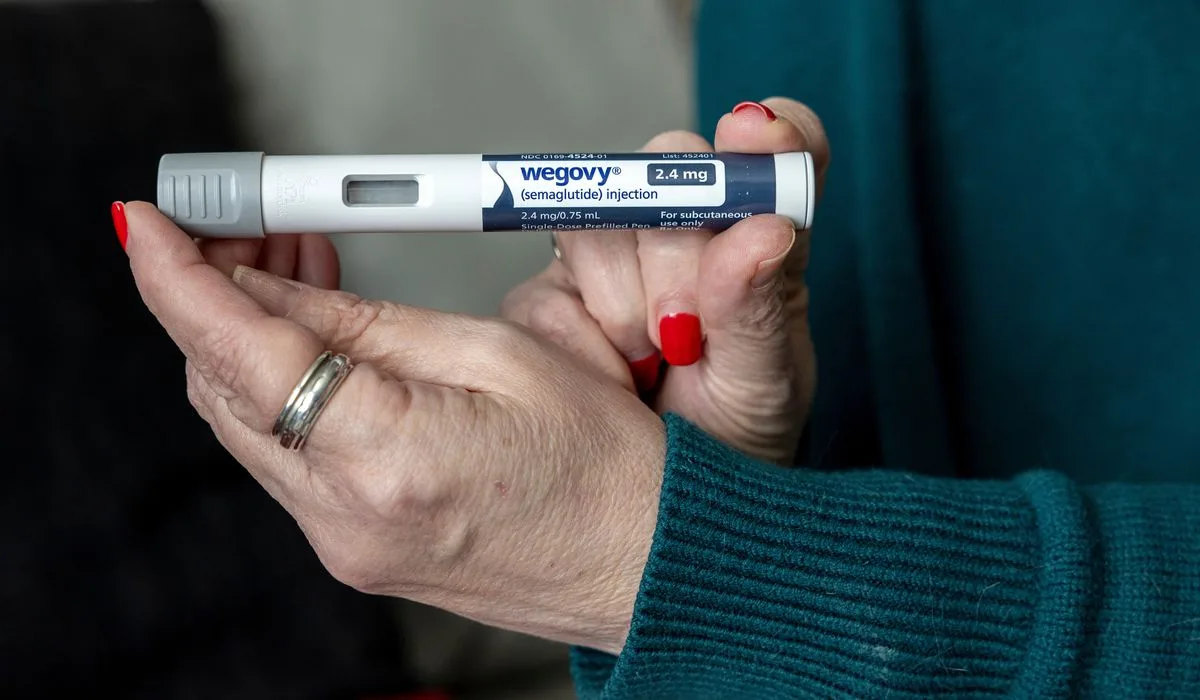
Under the Bridge, eligible beneficiaries can access Zepbound KwikPen, injectable or oral Wegovy, and Foundayo for a consistent $50 per month fee structure. Eli Lilly launched a consumer education effort aimed at adults 65 and older, while Novo Nordisk emphasizes that Wegovy is approved to reduce the risk of cardiovascular death, heart attack, and stroke in adults with cardiovascular disease. The program allows access to both injectable and oral forms of semaglutide and tirzepatide, giving patients flexibility in how they administer their therapy. This mix allows drugmakers to capture demand for their own products while positioning themselves as guides through a federal program that may be unfamiliar to consumers. The availability of oral options like Foundayo may particularly appeal to seniors who prefer non-injectable treatments.
Here is a breakdown of the primary medications involved in this coverage expansion:
- Zepbound: Tirzepatide injectable formulation by Eli Lilly.
- Wegovy: Semaglutide injectable formulation by Novo Nordisk.
- Foundayo: Oral semaglutide formulation by Eli Lilly.
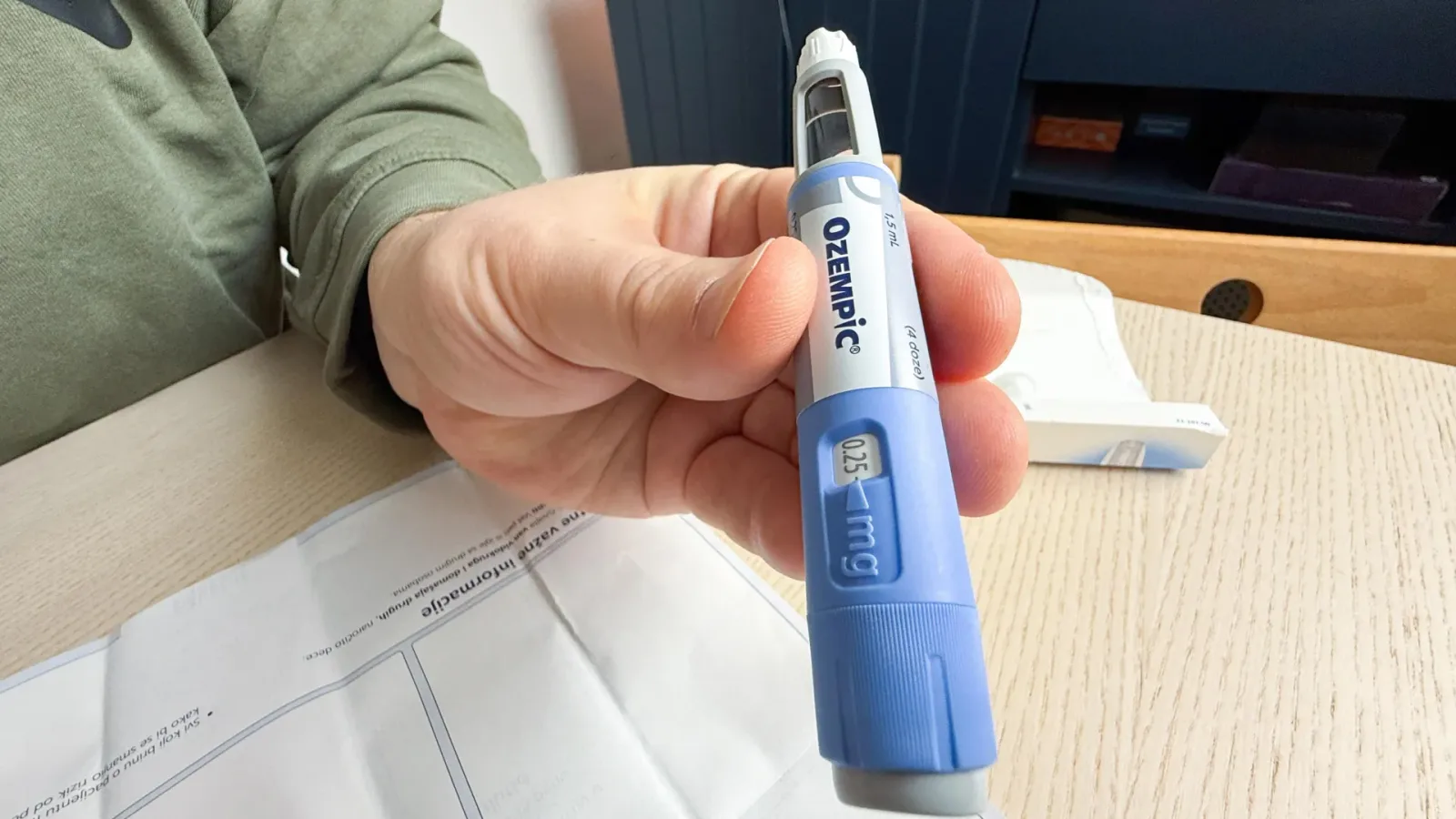
- Ozempic: Often used off-label for weight loss, though covered under different Part D plans.
Patients should verify with their pharmacy benefit manager which specific formulations are included in their plan's formulary to avoid unexpected costs.
Why Are Drugmakers Leading the Awareness Campaign?
The campaigns arrive as both drugmakers compete for what could become a significant new pool of GLP-1 patients within the senior demographic. Novo spent nearly $500 million advertising Wegovy and Ozempic in the U.S. during the first nine months of 2025, compared with Lilly’s $214 million for Zepbound and Mounjaro. The Trump administration did relatively little to promote the benefit before its launch, leaving the companies whose drugs stand to gain from expanded coverage to help close the awareness gap. This marketing push highlights the challenge of turning a major coverage expansion into real patient uptake when awareness remains limited among the target population. Without this education, many eligible seniors might remain unaware of the financial relief available to them.
Precision tracking for your journey
Join thousands using Shotlee to accurately track GLP-1 medications and side effects.
📱 Get the Shotlee App
Track your GLP-1 medications, peptides, and health metrics on the go with our mobile app!
Eli Lilly launched “Medicare Opens Doors,” a consumer education effort aimed at adults 65 and older, on the same day the program took effect. The campaign includes social media, print and out-of-home ads in high visibility locations, according to the company. Novo Nordisk is also promoting the program, although the company declined to share specifics about its media strategy. This competitive landscape ensures that patients receive multiple points of contact regarding their eligibility.
How Can Patients Track Progress and Costs During Treatment?
Managing a new medication regimen requires consistent monitoring of weight changes, side effects, and adherence to the prescribed dosage schedule. Platforms like Shotlee can help patients log daily symptoms and track weight trends to ensure the treatment is effective and safe over the long term. Since the copay does not count toward a patient’s Part D deductible, patients should keep records of their payments to understand their actual out-of-pocket spending accurately. Healthcare providers often recommend regular check-ins to assess clinical criteria related to body mass index, which can be documented digitally for easier review. Maintaining a clear record of these health metrics supports better communication with your care team during the program.
Tracking your health data becomes even more critical when navigating a new insurance benefit. By documenting your progress, you provide your doctor with the evidence needed to justify continued coverage or dosage adjustments. This proactive approach to health management ensures that the $50 copay translates into tangible health outcomes rather than just financial savings.
Practical Takeaways for Patients
- Verify your Medicare Part D plan type to ensure eligibility before applying.
- Confirm with your doctor that your BMI and comorbidities meet the clinical criteria.
- Use health tracking tools to monitor weight loss and side effects consistently.
- Keep receipts of your $50 payments, as they do not count toward your deductible.
- Stay informed about the program end date of December 31, 2027.
Conclusion
The Medicare GLP-1 Bridge program represents a historic shift in obesity treatment coverage, offering a lifeline to millions of seniors who previously faced prohibitive costs. While the awareness gap remains a challenge, the concerted efforts of Eli Lilly and Novo Nordisk are helping to bridge it. By understanding the eligibility requirements, covered medications, and tracking their own health data, patients can maximize the benefits of this temporary but significant program.
Frequently Asked Questions
Does the $50 copay count toward my Part D deductible?
No, the $50 copay under the Bridge program does not count toward a patient’s Part D deductible or out-of-pocket spending. This is a key distinction of the program, meaning you will pay $50 per month regardless of your deductible status, but those payments will not help you reach the catastrophic coverage threshold.
Can I use low-income subsidies for the $50 copay?
No, low-income subsidies cannot be applied to the $50 cost under the Bridge program. The program is designed as a standalone benefit with a fixed copay rate that does not interact with standard subsidy structures or Medicare Part D financial assistance programs.
What happens if my Medicare plan is excluded from the program?
Some Medicare plan types are excluded from the Bridge program. If your plan is excluded, you will not be able to access the $50 copay rate for these specific GLP-1 medications. You should contact your plan administrator to confirm your eligibility before starting treatment.
Is the program permanent or temporary?
The program is scheduled to run through December 31, 2027, according to the Centers for Medicare & Medicaid Services. It is a temporary federal initiative, so patients should plan their treatment expectations accordingly and discuss long-term coverage options with their providers before the program ends.
Are oral GLP-1 medications covered under the Bridge?
Yes, the program allows access to both injectable and oral forms of semaglutide and tirzepatide. Specifically, Eli Lilly’s Foundayo oral GLP-1 is included, offering flexibility for seniors who prefer non-injectable treatments over traditional pen-based injections.