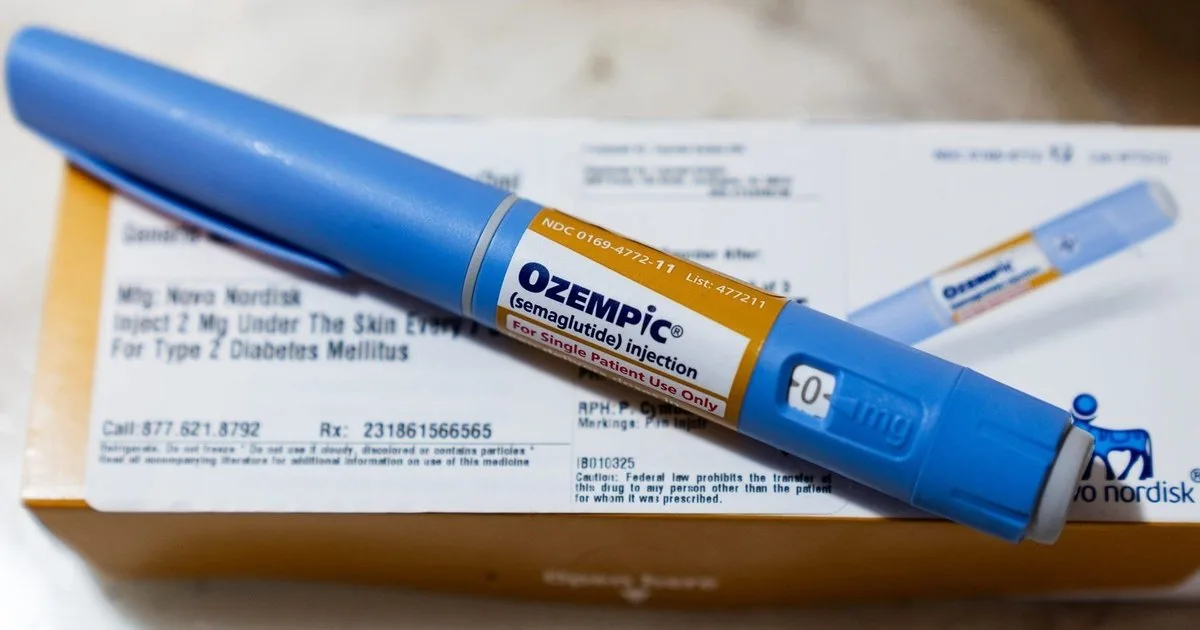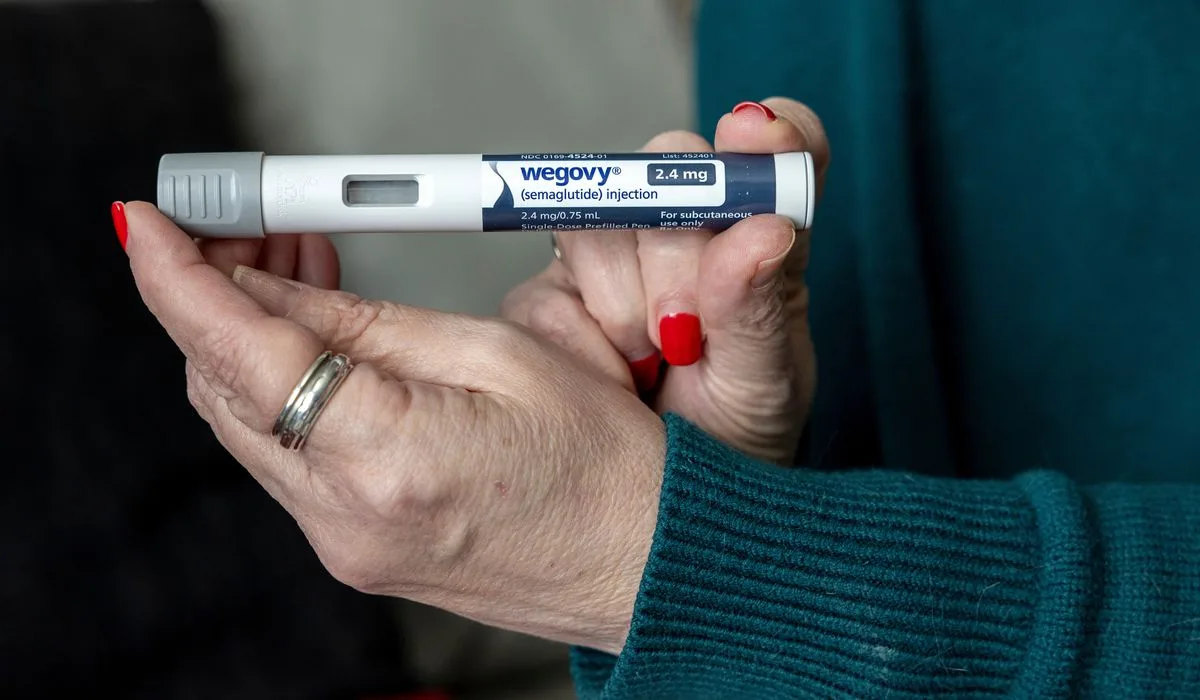
The rapid rise of GLP-1 medications like Ozempic, Wegovy, Mounjaro, and Zepbound for weight loss has been a medical phenomenon, offering new hope to millions struggling with obesity. However, a groundbreaking study from Yale University has cast a stark spotlight on the potential dangers lurking within the burgeoning online telehealth landscape for these powerful drugs. The findings suggest that convenience may be coming at a steep price: patient safety.
The Yale 'Secret Shopper' Study: Red Flags in Online Prescribing
Researchers from Yale University, led by fourth-year medical student Ashwin Chetty, conducted a comprehensive investigation into the practices of leading telehealth clinics dispensing GLP-1 prescriptions. Posing as a patient seeking weight loss solutions between August and December, the study employed a "secret shopper" approach to assess the prescription process. The results, published in the Journal of the American Medical Association, paint a concerning picture of how easily these potent medications are being accessed online, often with minimal medical oversight.
The core of the study's findings revealed that a staggering 91.8% of 49 prominent telehealth clinics issued GLP-1 prescriptions based on little more than a self-reported questionnaire and an upper-body photograph. This cursory evaluation bypassed essential steps typically involved in a medical consultation, raising immediate questions about the adequacy of patient screening.
Alarming Speed and Lack of Scrutiny
The speed at which these prescriptions were processed and shipped is particularly alarming. A significant 69.4% of the clinics dispatched branded or compounded GLP-1 medications within 24 hours of the patient's application. In some extreme cases, two clinics fulfilled orders in as little as five minutes. This rapid turnaround time, coupled with the minimal information gathered, suggests a system designed for volume rather than thorough patient care.
"Limited clinician involvement and not collecting critical patient history indicates that online GLP-1RA prescribing often falls far short of accepted standards of care, and puts patients at risk of harm," stated Mr. Chetty, highlighting the potential dangers of this approach.
The study also noted that only a small fraction of the clinics denied prescriptions. Out of the 49 investigated, just four turned away the "patient." These rejections were due to reasons such as requiring blood work, detecting an existing prescription on another platform, or identifying a discrepancy between the submitted photo and reported weight. While these instances represent responsible practice, they underscore how rare such diligence appears to be in the broader online market.
Understanding GLP-1 Medications and Their Risks
Glucagon-like peptide-1 (GLP-1) receptor agonists are a class of drugs originally developed to help manage type 2 diabetes by improving blood sugar control. Their significant impact on appetite regulation and gastric emptying, however, led to their repurposing and widespread adoption for weight management. Medications like semaglutide (found in Ozempic and Wegovy) and tirzepatide (found in Mounjaro and Zepbound) have become highly sought after, driving billions in sales.
Despite their efficacy, these drugs are not without serious risks. The Food and Drug Administration (FDA) has issued a black box warning for GLP-1 medications due to a potential risk of thyroid cancer. Furthermore, healthcare providers are cautioned to screen patients for pancreatitis before prescribing these medications. These critical safety checks are virtually impossible to conduct through online questionnaires alone.
The Perils of Unsupervised Use
The Yale study's findings suggest that many patients may be obtaining GLP-1s without adequate medical supervision. This lack of oversight can lead to:
- Undiagnosed Health Conditions: Pre-existing conditions like pancreatitis or a history of thyroid issues might go undetected, increasing the risk of severe adverse events.
- Inappropriate Use: GLP-1s are powerful medications that require careful titration and monitoring. Using them without understanding the correct dosage or potential interactions can be dangerous.
- Cosmetic Over Medical Necessity: The study noted that a significant portion of online prescriptions were for purely cosmetic weight loss, potentially bypassing patients who might benefit more from supervised medical intervention.
- Masked Side Effects: The drugs have been associated with a range of side effects, sometimes colloquially termed "Ozempic face," "Ozempic breath," or "Ozempic zombies." Without proper medical guidance, these effects might be ignored or mismanaged.
Expert Opinions and Regulatory Concerns
The Yale study has resonated with medical professionals who have long voiced concerns about the unregulated expansion of telehealth for potent medications. Dr. Muhammad Ghanem, a bariatric surgeon and obesity specialist at Orlando Health, emphasized the need for stricter controls, stating, "The idea that weight loss is easy and meds have no risk is out of control and needs to be reined in."
Precision tracking for your journey
Join thousands using Shotlee to accurately track GLP-1 medications and side effects.
📱 Get the Shotlee App
Track your GLP-1 medications, peptides, and health metrics on the go with our mobile app!
Dr. Damola Aje, an endocrinologist at Berkshire Medical Center, echoed these sentiments, calling for a governing body to establish and enforce minimum standards of care for dispensing these medications. The increase in emergency room visits related to GLP-1 side effects, such as chronic nausea, vomiting, and dehydration, further supports the need for better patient education and follow-up care, as noted by Dr. Elizabeth Rubin, an emergency medicine specialist.
The Yale researchers specifically called on the FDA to address a regulatory loophole that permits telehealth clinics to sell compounded versions of popular weight-loss drugs. These compounded copies, often marketed as "personalized" or "tailored" treatments, can be a source of concern for pharmaceutical companies like Eli Lilly, which stated, "Patient safety is our top priority, and we remain concerned about the risks associated with mass-compounded and unauthorized versions."
Counterarguments and Nuances in Telehealth
While the Yale study highlights significant issues, some in the telehealth industry argue for a more nuanced perspective. Ryan Michaels, a biotechnology research analyst, pointed out that the study used a single, standardized patient profile, which may not reflect the variability of real patient data encountered by platforms. He suggested that some platforms might perform better with more diverse intake information.
Similarly, Dr. Fernando Ovalle, an obesity specialist, described the study as a "snapshot" that doesn't represent all telehealth obesity care. He differentiated between legitimate telemedicine practices and those that prioritize rapid prescription fulfillment over patient well-being, stating, "Low-oversight prescribing is the problem rather than just the use of telemedicine itself."
The Yale study did acknowledge that most online vendors did inquire about medical conditions, medications, and allergies. Many also asked about weight-loss goals and past attempts at dieting and exercise. However, the critical gap remained in the lack of required video or phone consultations for the vast majority of these platforms, leaving essential health assessments to self-reported data.
The Evolving Landscape of GLP-1 Access
The demand for GLP-1 medications continues to surge. A recent Gallup poll indicated that 11% of adults are now using these drugs for weight loss, a significant increase from previous years. The expansion of Medicare coverage for GLP-1 drugs further broadens access, though many individuals still face substantial out-of-pocket costs, with monthly expenses potentially reaching $1,300, despite manufacturing costs being significantly lower.
This economic disparity fuels the appeal of online clinics offering compounded versions at substantially lower prices, starting as low as $69 a month. While cost-effective, the Yale study serves as a critical reminder that such savings may come at the expense of vital medical safeguards.
For individuals considering GLP-1 medications, whether through traditional healthcare or telehealth, careful consideration and diligent tracking are paramount. Utilizing tools like the Shotlee app can help users monitor their progress, track medication adherence, log side effects, and share this vital data with their healthcare providers, ensuring a more informed and safer treatment journey.
Key Takeaways for Patients
The Yale study underscores the importance of patient vigilance when seeking GLP-1 prescriptions online:
- Prioritize Medical Supervision: Always seek prescriptions from qualified healthcare professionals who conduct thorough evaluations.
- Question the Process: Be wary of online platforms that offer quick prescriptions with minimal screening.
- Understand the Risks: Educate yourself about the potential side effects and contraindications of GLP-1 medications.
- Verify Authenticity: Ensure you are receiving FDA-approved medications from reputable sources.
- Track Your Health: Use tools to monitor your progress, side effects, and adherence, and share this information with your doctor.
Conclusion: Balancing Innovation with Safety
The convenience of telehealth has revolutionized healthcare access, but the Yale study's findings on GLP-1 prescribing demand immediate attention. While these medications offer immense potential for weight management and metabolic health, their powerful effects necessitate a robust framework of medical oversight. The current landscape, as depicted by the Yale research, reveals a critical need for enhanced regulatory scrutiny to ensure that the pursuit of convenience does not compromise the fundamental principle of patient safety. As the market for GLP-1s continues to grow, a collaborative effort between regulators, healthcare providers, and patients will be essential to navigate this complex terrain responsibly.