
GLP-1 Side Effects Guide
Semaglutide Nausea
Complete GLP-1 side effects guide — semaglutide and tirzepatide nausea, constipation, diarrhea, injection site reactions, hair loss, and serious effects.
Semaglutide & Tirzepatide — Every Side Effect Explained with Management (2026)
GLP-1 receptor agonists including semaglutide (Ozempic, Wegovy) and tirzepatide (Mounjaro, Zepbound) produce well-characterized side effects — most are gastrointestinal, dose-dependent, and improve over time as the body adapts to GLP-1 receptor activation.
In STEP 1, 74% of semaglutide patients experienced GI adverse events vs 48% with placebo, but discontinuation rates were low (7% vs 3%). Understanding which side effects are expected vs concerning, and how to manage each one, significantly improves tolerability and long-term adherence to GLP-1 therapy.
GLP-1 Side Effects — Complete Reference
Side Effect Frequency Onset Management
Managing the Most Common GLP-1 Side Effects
Nausea is the most frequently reported side effect with GLP-1 medications, affecting 44–74% of patients in clinical trials — but is dose-dependent, most severe during escalation phases, and typically improves significantly after 4–8 weeks at any given dose.
The mechanism: GLP-1 receptors in the area postrema (brain's nausea center) and GI tract both contribute to nausea. Managing GLP-1 nausea effectively: (1) Eat small portions — a slowed stomach cannot handle normal meal volumes.
(2) Eat slowly and stop at the first sense of fullness. (3) Choose bland, low-fat foods during peak nausea (crackers, toast, rice, bananas, plain chicken). (4) Avoid triggers: greasy foods, alcohol, carbonated drinks, strong smells.
(5) Eat cold or room-temperature food — hot food aroma intensifies nausea. (6) Ginger (tea, supplements, ginger chews) reduces nausea through anti-emetic mechanisms. (7) Delay dose escalation if nausea is ≥4/10 for most days — staying at a lower dose 4–8 extra weeks dramatically improves tolerance.
If nausea prevents adequate nutrition or hydration, ask your prescribing physician about anti-nausea medications: ondansetron (Zofran) or promethazine (Phenergan) are commonly prescribed adjuncts.
Constipation is the second most common GLP-1 side effect, affecting 24–35% of patients, and is often more persistent and harder to manage than nausea.
Unlike nausea (which improves with dose stabilization), constipation may persist or even worsen at higher doses due to progressive slowing of intestinal motility from GLP-1 receptor activation in the enteric nervous system.
Management approach: (1) Hydration first — constipation is dramatically worsened by dehydration, which is common on GLP-1 therapy (from reduced food volume and any vomiting). Target 8–10 glasses of water daily.
(2) Fiber increase — soluble fiber (oats, legumes, apples) and insoluble fiber (vegetables, whole grains) both help. (3) Physical activity — even walking 30 minutes daily significantly improves gut motility.
(4) Osmotic laxatives — polyethylene glycol (MiraLax) or magnesium citrate are first-line for GLP-1 constipation; they work by drawing water into the colon without causing dependence. (5) Stool softeners (docusate sodium/Colace) are a gentle adjunct.
Avoid stimulant laxatives (senna, bisacodyl) for daily use — use only occasionally. Contact your physician if no bowel movement for 3+ days despite interventions.
Vital Protocol FAQs
The of GLP-1 side effects depends on the specific side effect and the phase of therapy. Gastrointestinal side effects (nausea, vomiting, diarrhea) are typically worst during dose escalation — starting with the first injection at each new dose level and gradually improving over 1–3 weeks as the gut adapts to increased GLP-1 receptor stimulation.
Most patients find that nausea that was significant at week 1 of a new dose is substantially reduced by week 3–4. At maintenance dose, GI side effects further diminish for most patients, though some residual sensitivity persists.
Constipation tends to be more persistent and may require ongoing management strategies throughout therapy. Hair loss (telogen effluvium from rapid weight loss) typically begins 3–6 months after significant weight loss and resolves spontaneously over 6–9 months with adequate protein intake.
Side effects that do NOT improve with time — severe persistent vomiting, significant abdominal pain, or any symptoms suggesting pancreatitis or gallbladder disease — warrant prompt medical evaluation rather than watchful waiting.
'Ozempic face' is an informal term describing the facial volume loss and sagging appearance that some patients experience with rapid GLP-1-driven weight loss.
This is not unique to Ozempic — it occurs with any significant rapid weight loss and reflects: (1) Loss of subcutaneous fat throughout the body including the face, and (2) Potential collagen loss associated with very rapid weight loss and the caloric restriction it entails.
Prevention strategies: (1) Adequate protein intake (1.6–2.2 g/kg/day) supports collagen synthesis and skin integrity during weight loss. (2) Slower, more gradual weight loss reduces the degree of facial fat loss.
(3) Resistance training maintains overall body composition and supports muscle preservation. (4) Staying well-hydrated. (5) Vitamin C and collagen-supporting nutrients support skin quality. From a cosmetic perspective, facial volume loss from weight loss is generally addressed (if desired) with hyaluronic acid fillers or other cosmetic interventions after weight stabilizes.
Reassuringly, most patients report that the overall health benefits of weight loss far outweigh aesthetic concerns about facial changes.
Yes — anti-nausea medications (antiemetics) can and frequently should be used alongside semaglutide when nausea is significantly affecting quality of life or nutritional intake.
Commonly used antiemetics with GLP-1 therapy: (1) Ondansetron (Zofran) — a 5-HT3 antagonist commonly used for chemotherapy-induced nausea; effective for GLP-1 nausea; generally safe and available. Typical dose: 4–8 mg as needed.
(2) Promethazine (Phenergan) — a phenothiazine antiemetic with sedative properties; more sedating than ondansetron; useful when nausea disrupts sleep. (3) Metoclopramide (Reglan) — a dopamine antagonist that also promotes gastric motility; particularly useful when GI stasis contributes to nausea; use short-term due to tardive dyskinesia risk with extended use.
(4) Ginger supplements — available OTC; anti-emetic at 1,000–1,500 mg/day; safe long-term. Antiemetics are a bridge tool to help patients through dose escalation phases, not a permanent crutch. If antiemetics are required daily at a given dose level, this is a signal to delay escalation to the next dose and allow more adaptation time at the current level.
Guide FAQs
Complete GLP-1 side effects guide — semaglutide and tirzepatide nausea, constipation, diarrhea, injection site reactions, hair loss, and serious effects.
Yes. Shotlee supports tracking doses, side effects, and health metrics. It is free.
Track Your GLP-1 Protocol in Shotlee
Free dose logging, side effect tracking, and health metric monitoring for your complete protocol.
📚References & sources
Latest on GLP-1 Side Effects

Beyond Weight Loss: GLP-1 Drugs and Unexpected Changes to Taste and Smell
The revolutionary GLP-1 medications, celebrated for their efficacy in diabetes and weight management, are now being scrutinized for a less-discussed side effect: alterations in our senses of smell and taste. A recent study suggests a tangible link between these peptide therapies and sensory disturbances.
6 min read
Beyond the Headlines: Navigating Severe GLP-1 Side Effects
Actress Mayim Bialik's recent experience with severe gastrointestinal distress after starting a GLP-1 medication has brought a critical conversation to the forefront: the reality of significant side effects associated with these popular drugs. While GLP-1s offer profound benefits for many, understanding and managing potential adverse reactions is paramount.
7 min read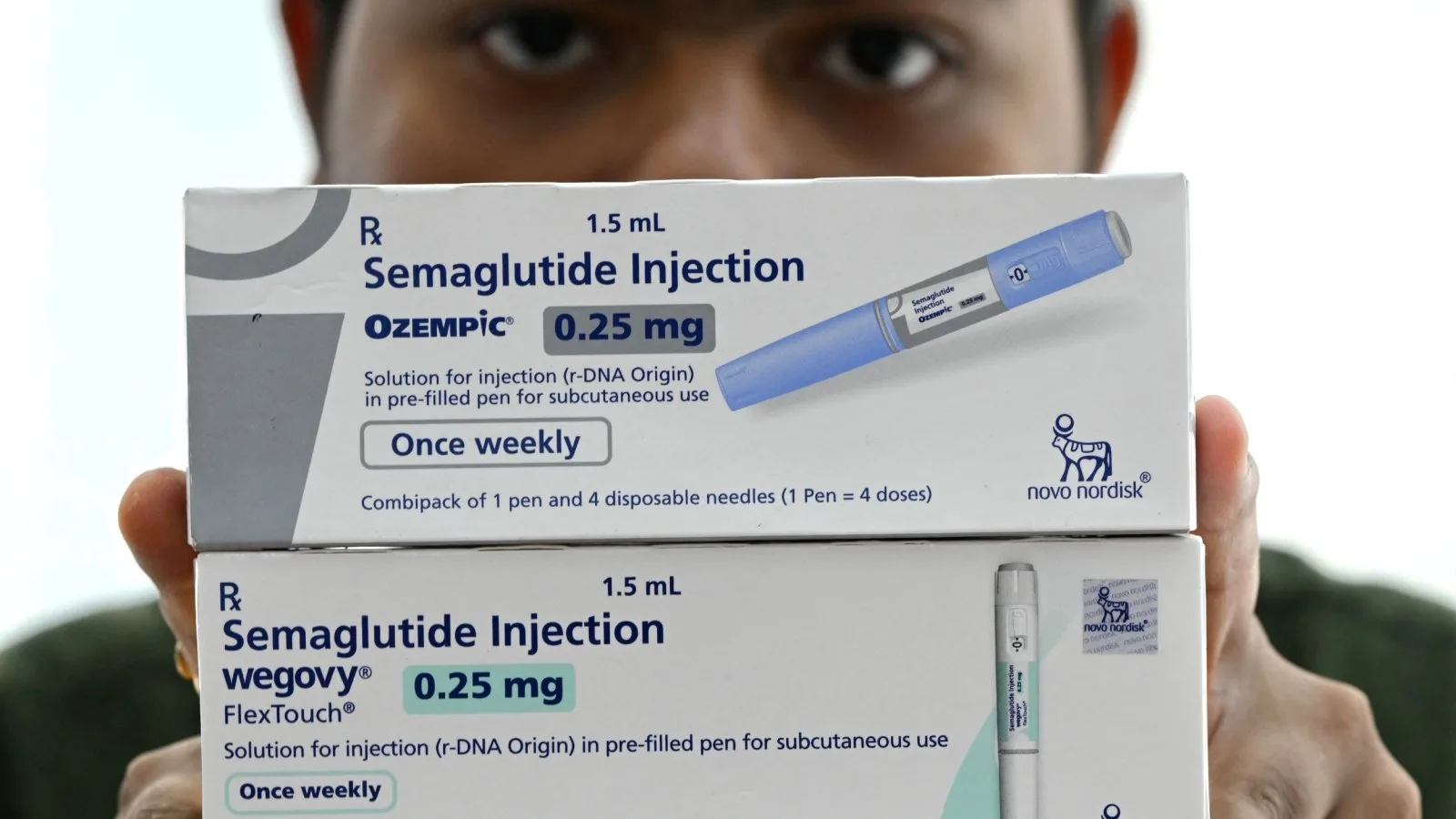
Beyond the Headlines: New GLP-1 Side Effects Uncovered on Reddit?
A groundbreaking study utilized AI to sift through over 400,000 Reddit posts, uncovering potential new side effects associated with popular GLP-1 medications such as Ozempic, Wegovy, and Mounjaro. This research highlights the growing role of real-world data in understanding medication safety.
8 min read