How to Manage Nausea on GLP-1 Medications
Complete Guide & Evidence (2026)
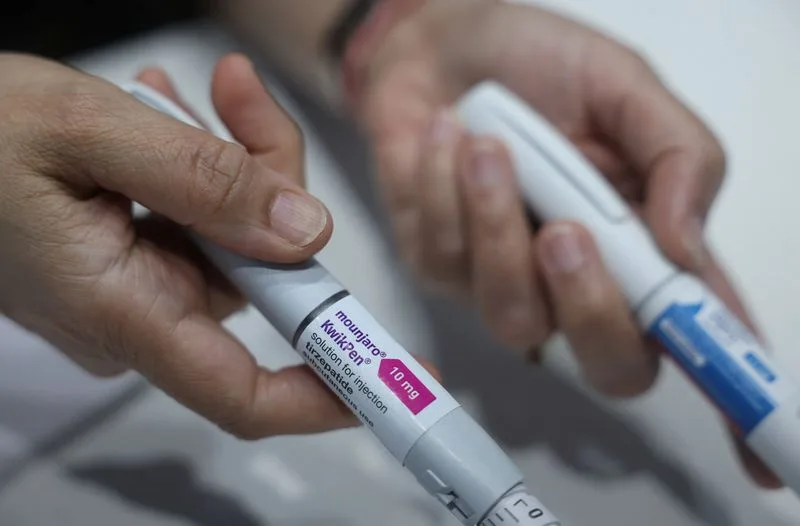
Nausea affects 40-50% of GLP-1 users. Learn the timing, triggers, and evidence-based strategies to manage nausea on Ozempic, Mounjaro, and Wegovy.
Why Do GLP-1 Medications Cause Nausea?
GLP-1 receptor agonists cause nausea through two main mechanisms. First, GLP-1 receptors are densely expressed in the area postrema — a region in the brainstem that acts as the body's vomiting trigger zone and continuously monitors the bloodstream for toxins. When GLP-1 drug levels are high (particularly after injection or dose escalation), this region is stimulated, generating nausea signals. This is a pharmacological effect of the drug, not an indication that something is wrong.
Second, GLP-1 medications significantly slow gastric emptying — food moves from the stomach to the small intestine more slowly than usual. This is beneficial for blood sugar control and satiety, but it means the stomach remains fuller for longer, which creates a sensation of fullness, bloating, and nausea — especially if you eat large meals or high-fat foods that are inherently harder to digest.
Nausea is typically most pronounced in the first 4-8 weeks of treatment and after each dose escalation step, as the body adapts to new drug levels. As GLP-1 receptors in the area postrema down-regulate with sustained exposure, the nausea signal weakens. This is why the dose escalation schedule exists — giving the body time to adapt at each level before increasing further is the single most important strategy for tolerability.
Timing and Triggers: Know Your Nausea Window
Evidence-Based Relief Strategies
These strategies are widely used by GLP-1 users and supported by the clinical evidence on GLP-1 tolerability management. Start with dietary changes and injection timing, and add pharmacological options if needed.
Dose Escalation: The #1 Preventable Cause of Severe Nausea
The single most preventable cause of severe or disabling GLP-1 nausea is escalating the dose too quickly. Standard escalation schedules (e.g., Ozempic: 0.25mg for 4 weeks, then 0.5mg, then 1mg) are designed to give the area postrema time to adapt to each GLP-1 concentration before it increases further. Many patients and even some prescribers are tempted to escalate faster to achieve weight loss sooner — this is almost always a mistake.
The clinical guidance is clear: stay on each dose for a minimum of 4 weeks before escalating — and if you are experiencing significant nausea at the current dose, stay for 8 weeks before escalating. There is no prize for reaching the top dose quickly. Many users achieve excellent weight loss results at intermediate doses (Ozempic 0.5mg or 1mg) without escalating to the maximum. Your optimal dose is the one that is effective and well-tolerated, not necessarily the highest.
If you are on Ozempic or Mounjaro and your doctor is pressuring rapid escalation while you are experiencing significant nausea, advocate for yourself. Slowing the escalation timeline is medically supported and dramatically improves long-term tolerability and medication adherence. Patients who push too fast often discontinue due to side effects — a poor outcome for everyone.
Warning Signs: When to Seek Medical Help
Guide FAQs
Nausea affects 40-50% of GLP-1 users. Learn the timing, triggers, and evidence-based strategies to manage nausea on Ozempic, Mounjaro, and Wegovy.
Yes. Shotlee tracks GLP-1 and peptide doses, side effects, weight, and lab results — free to use.
PubMed, ClinicalTrials.gov, and the FDA website are the most reliable sources for current Glp1 Nausea research and regulatory updates. Peer-reviewed journals including the New England Journal of Medicine, The Lancet, and JAMA publish the most impactful clinical trial results. This guide is updated regularly to reflect the latest available evidence. Use Shotlee to track your personal protocol outcomes alongside the published research.
Before starting Glp1 Nausea, establish baseline measurements including body weight, waist circumference, blood pressure, and relevant lab work with your healthcare provider. Download Shotlee and begin logging your baseline metrics at least one week before starting treatment. This pre-treatment data provides the comparison point needed to objectively evaluate your treatment response over time. Additionally, discuss potential side effects and management strategies with your prescriber so you are prepared for the initial adaptation phase.
Evidence-based lifestyle modifications that complement Glp1 Nausea protocols include: maintaining adequate protein intake (1.2-1.6g per kg body weight per day) to preserve lean mass, performing resistance training two to three times per week, staying well hydrated with at least eight glasses of water daily, prioritizing seven to nine hours of quality sleep, managing stress through regular physical activity or mindfulness practices, and eating smaller more frequent meals during dose titration phases. Track these lifestyle factors alongside your Glp1 Nausea data in Shotlee to identify which combinations drive your best results.
Track Your GLP-1 Protocol in Shotlee
Free dose logging, side effect tracking, and health metric monitoring for your complete protocol.