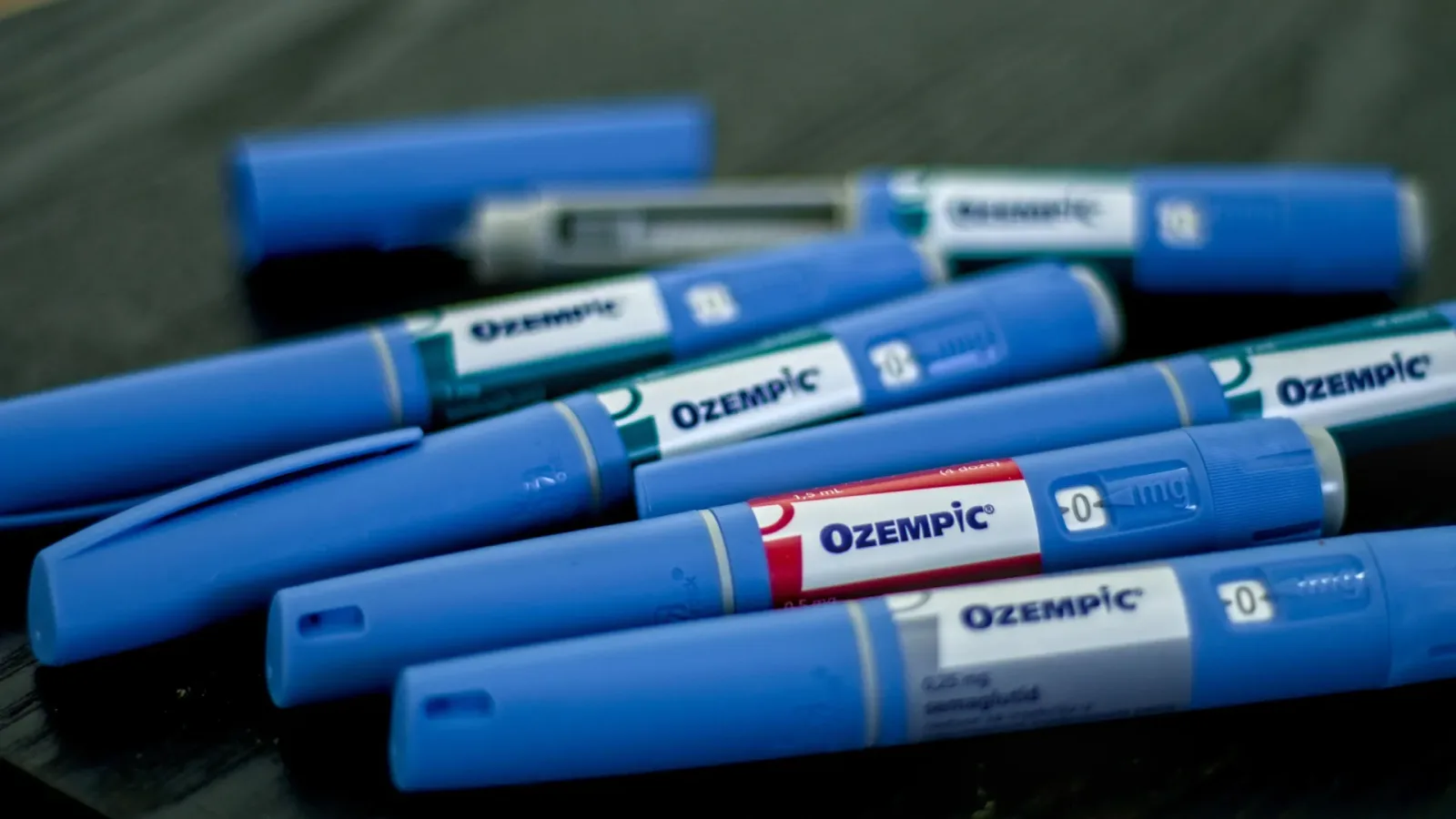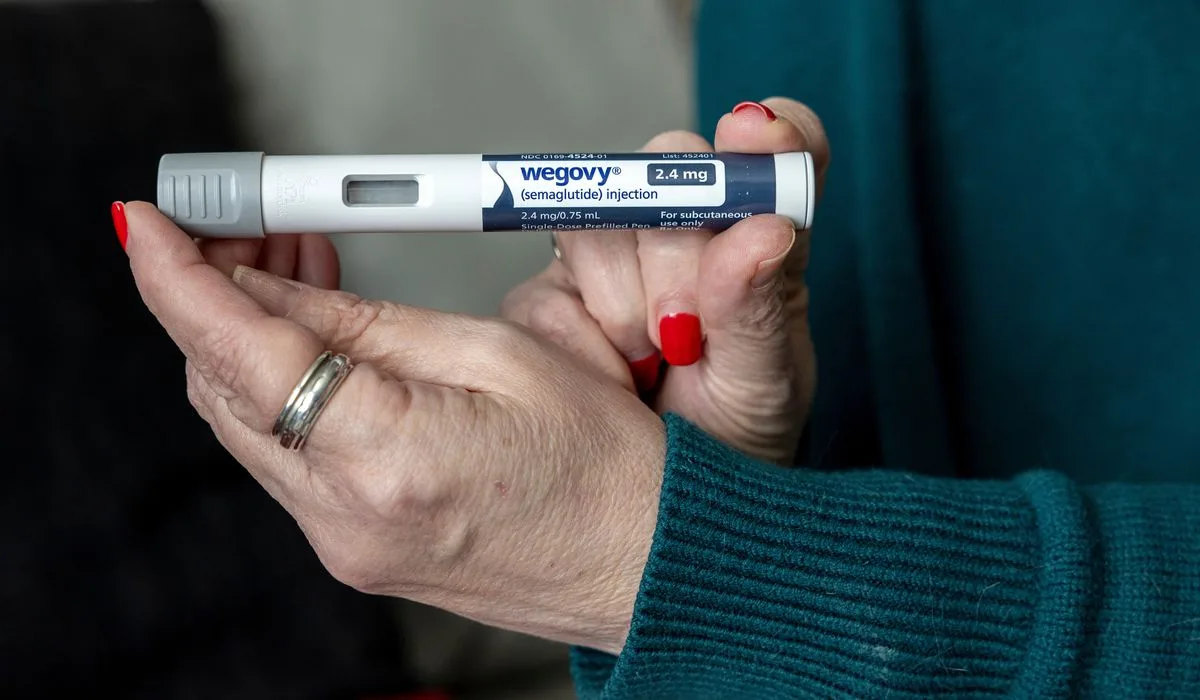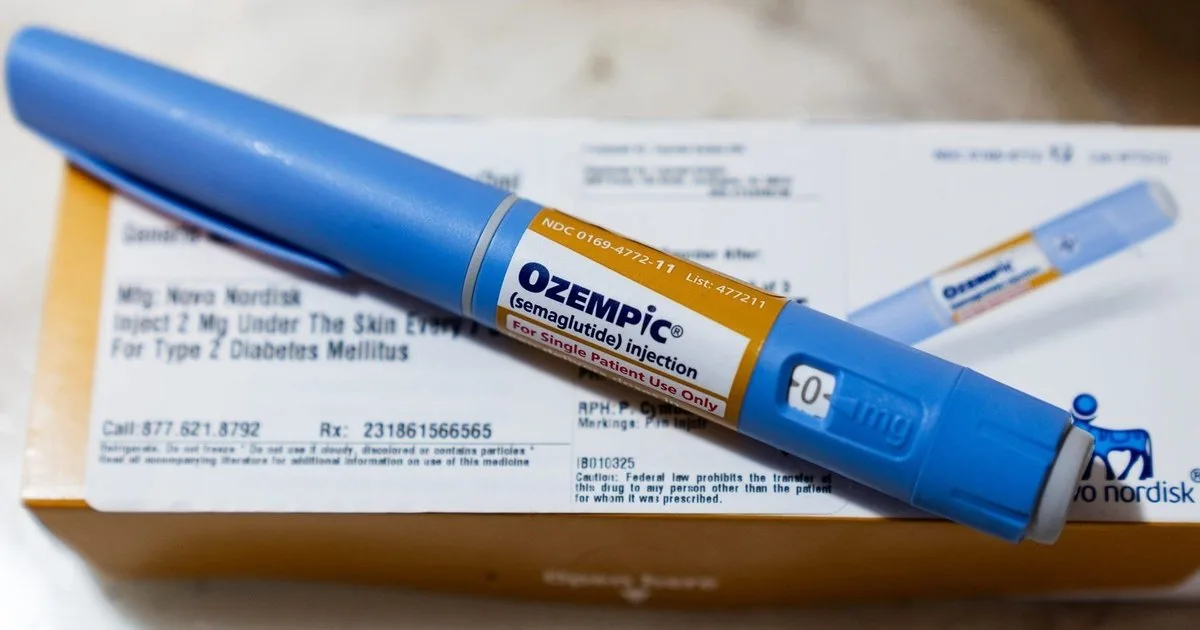

The allure of rapid weight loss has propelled GLP-1 medications like Ozempic, Wegovy, Mounjaro, and Zepbound into the spotlight. Initially developed for diabetes management, their remarkable efficacy in aiding weight loss has led to an explosion in demand. However, this surge has also created a fertile ground for concerning practices, particularly within the burgeoning landscape of online pharmacies and telehealth services. A recent study by Yale researchers has shed a stark light on the alarming ease with which individuals can bypass crucial medical consultations to obtain these potent medications, raising serious questions about patient safety.
The Alarming Findings: Online Prescriptions Without Proper Scrutiny
The Yale study, published in the Journal of the American Medical Association, employed a 'secret shopper' approach to investigate the oversight involved in obtaining GLP-1 weight-loss drugs online. A researcher, posing as an individual seeking to lose weight, navigated nearly 50 different telehealth websites. The results were sobering: over 90% of these websites readily dispensed prescriptions for medications such as semaglutide (brand names: Wegovy, Ozempic) and tirzepatide (brand names: Mounjaro, Zepbound).
Perhaps the most troubling finding was that approximately two-thirds of these sites provided prescriptions with zero interaction with a clinician. This means that in a majority of cases, patients could potentially receive powerful medications that require careful medical supervision without ever speaking to or being evaluated by a doctor. Even among the sites that did require some form of provider interaction, the methods were often superficial. Only a small fraction utilized video calls (13%) or phone calls (3%), and a staggering 8% of the websites didn't even offer a mechanism to ask health providers questions.
Dr. Ashwin Chetty, a Yale medical student and lead author of the study, expressed his concern, stating, "It indicates that the clinicians are not paying attention to the patient. It's another piece of evidence that paints the picture. Prescriptions first, questions later -- if that." This sentiment underscores a critical failure in the presumed safeguards of online healthcare, suggesting a system that prioritizes dispensing over patient well-being.
Understanding GLP-1 Medications: Benefits and Crucial Risks
Glucagon-like peptide-1 (GLP-1) receptor agonists were originally developed to help manage type 2 diabetes by improving blood sugar control. Their significant impact on appetite regulation and gastric emptying, however, quickly revealed their potential as powerful tools for weight management. Today, it's estimated that roughly 1 in 8 people in the United States are utilizing these medications for weight loss, highlighting their widespread adoption.
However, it is paramount to understand that GLP-1s are not without their risks and are not suitable for everyone. While they can be highly effective, serious side effects can occur, including:
- Bowel obstruction
- Gallstone attacks
- Pancreatitis
Less severe, but still impactful, side effects can include nausea, vomiting, diarrhea, and constipation. These potential complications are precisely why a thorough medical evaluation by a qualified healthcare provider is essential before initiating treatment. Factors such as pregnancy, a history of pancreatitis, or other underlying medical conditions can make GLP-1s unsafe for certain individuals. Consulting with a clinician ensures that the medication is appropriate, that potential risks are understood, and that a safe treatment plan is established.
The Rise of Compounded and Unapproved Versions
The study also highlighted a disturbing trend: compounded versions of GLP-1 medications were the easiest to obtain online. These compounded drugs are not approved by the U.S. Food and Drug Administration (FDA). This lack of FDA approval means they may not meet the same rigorous standards for quality, safety, and efficacy as their brand-name counterparts. Potential issues with compounded versions can include inconsistent potency, contamination, or the presence of unlisted ingredients, all of which pose significant health risks to consumers.
Precision tracking for your journey
Join thousands using Shotlee to accurately track GLP-1 medications and side effects.
📱 Get the Shotlee App
Track your GLP-1 medications, peptides, and health metrics on the go with our mobile app!
The appeal of these unapproved versions, despite the inherent risks, is often driven by the prohibitive cost of the brand-name medications. For individuals without insurance coverage, the price of GLP-1s can range from $900 to $1,400 per month. This financial barrier forces many patients into a difficult position, leading them to seek out cheaper, albeit riskier, alternatives.
Dr. Reshma Ramachandran, a Yale medical school professor and senior author of the study, commented on this phenomenon: "The high cost of the brand name drugs and lack of insurance coverage has led to 'these sort of gray markets that are cropping up all over the place that are forcing patients to make these trade-offs." This situation creates a dangerous environment where financial constraints directly compromise patient safety and access to legitimate medical care.
The Drive to Prescribe vs. Patient Safety
The research points to a concerning underlying issue: a potential "drive to prescribe" rather than a genuine commitment to patient safety and appropriateness. In a system where online platforms may be incentivized to dispense medications quickly, the critical step of ensuring a patient is a suitable candidate for treatment and will be safe while taking it can be overlooked. This is particularly problematic for medications with significant physiological effects and potential for serious side effects like GLP-1s.
For individuals embarking on a weight-loss journey with these medications, diligent tracking of progress, symptoms, and dosage is crucial. Tools like the Shotlee app can be invaluable in this regard, allowing users to meticulously record their experiences, monitor potential side effects, and share this data with their healthcare providers. This proactive approach to health tracking empowers patients and provides clinicians with the necessary information to make informed decisions about ongoing treatment.
Navigating the Risks: What Patients Need to Know
The findings of the Yale study serve as a critical warning. While the convenience of online pharmacies is undeniable, it should never come at the expense of proper medical guidance, especially when dealing with powerful prescription medications. Patients considering GLP-1s for weight loss should:
- Prioritize Consultation: Always seek a face-to-face or comprehensive telehealth consultation with a qualified healthcare provider before obtaining any GLP-1 medication.
- Understand the Risks: Be fully aware of the potential side effects and contraindications associated with these drugs.
- Beware of Unapproved Sources: Avoid compounded or unapproved versions of GLP-1s, as their safety and efficacy are not guaranteed.
- Question the Process: If an online platform makes it too easy to get a prescription without thorough evaluation, it's a red flag.
- Discuss Costs and Alternatives: Talk to your doctor about the cost of medications and explore all available and safe treatment options.
The landscape of weight-loss treatments is evolving rapidly, and while medications like Ozempic and Wegovy offer new hope for many, they must be approached with caution and under the guidance of medical professionals. The ease with which these drugs can be obtained online without proper oversight is a significant public health concern that demands attention from both consumers and regulatory bodies.
Conclusion
The proliferation of online pharmacies offering GLP-1 weight-loss medications without adequate medical supervision presents a clear and present danger to public health. The Yale study's findings underscore the urgent need for stricter regulations and increased awareness among consumers. While these medications can be life-changing for many, their use must be guided by thorough medical evaluation, ongoing monitoring, and a commitment to patient safety above all else. For those on these therapies, utilizing tools to track their journey can provide valuable insights and support their overall health management.