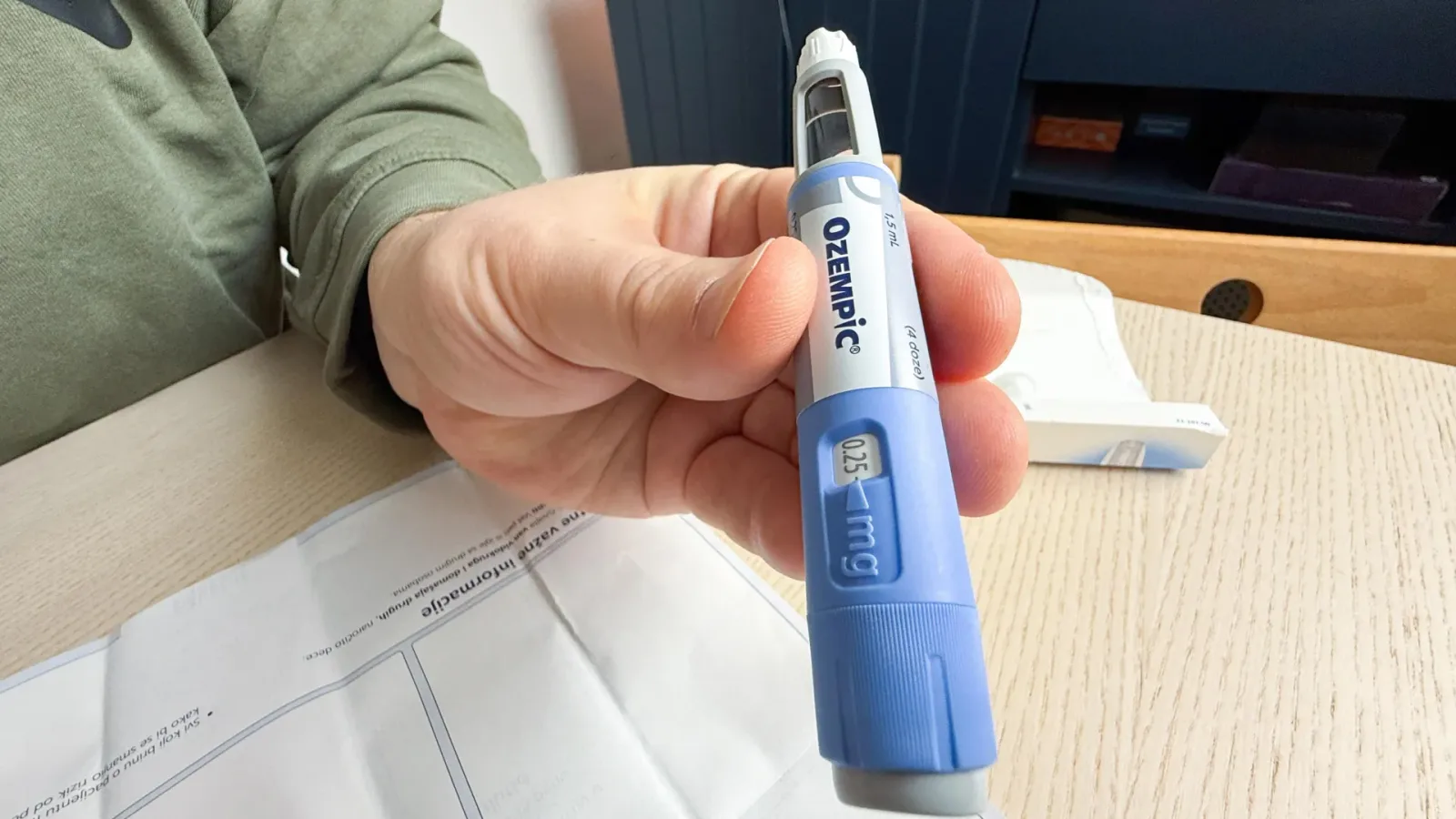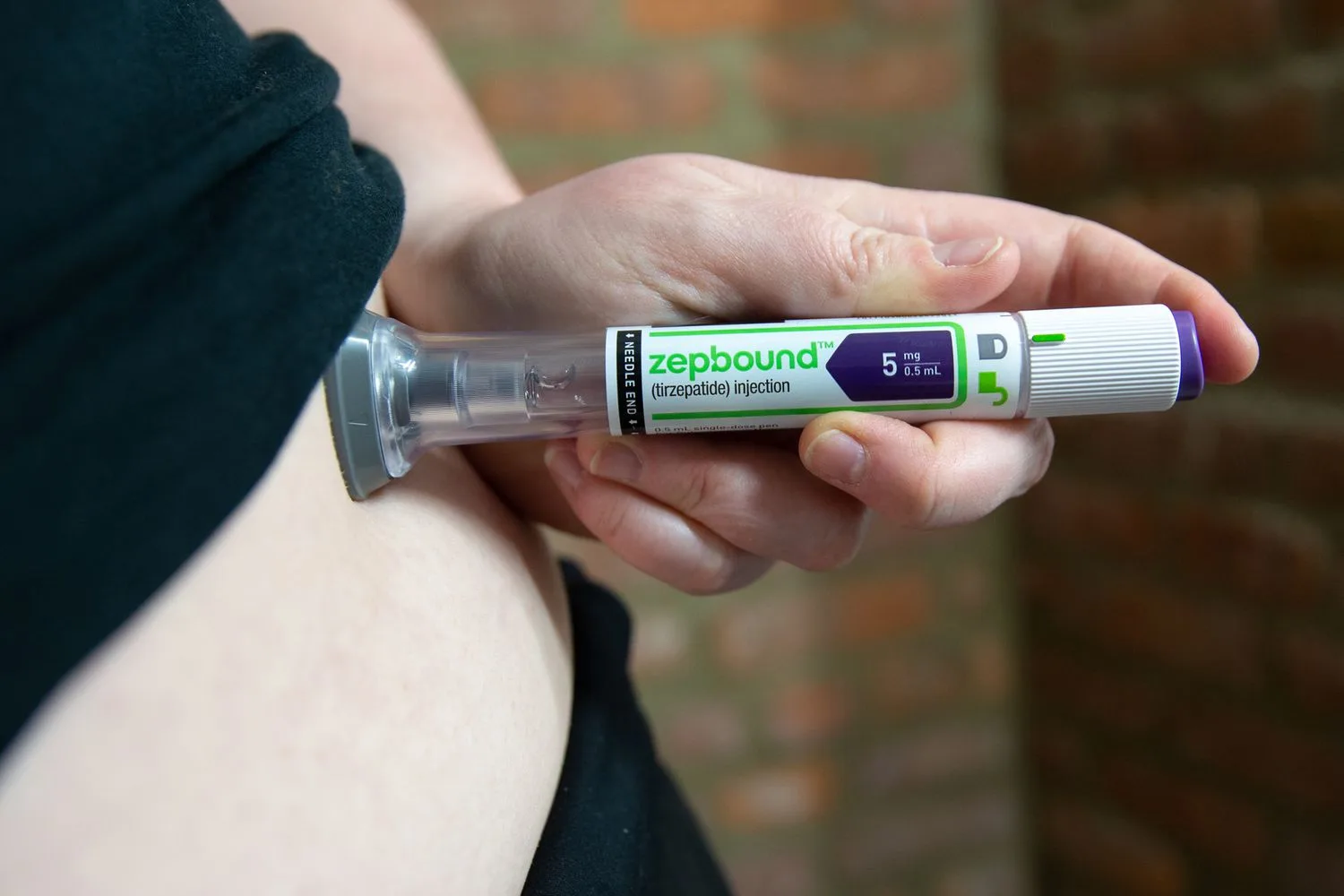

The advent of medications like tirzepatide (Mounjaro, Zepbound) has brought new hope for individuals managing type 2 diabetes and obesity. Beyond their primary indications, these drugs, which act as GLP-1 and GIP receptor agonists, are showing potential for addressing complex conditions related to impulse control, such as binge eating disorder. A recent case study, published in Nature Medicine, offers a rare and detailed look into how tirzepatide interacts with the brain, specifically its reward center, to influence food cravings and preoccupations.
This research provides a unique opportunity to observe deep brain activity in an individual with obesity and loss of control eating. The recordings revealed that tirzepatide significantly reduced activity in the brain's reward center, a region critically involved in processing motivation, pleasure, and impulse control. This reduction was directly linked to a decrease in what is often described as "food noise" – the persistent, intrusive thoughts about food that can drive compulsive eating behaviors. However, the study also highlights a crucial limitation: this effect was not permanent, with cravings eventually returning.
Understanding Loss of Control Eating and "Food Noise"
Loss of control eating is a significant challenge affecting a vast number of individuals, particularly those with obesity and various eating disorders. Binge eating disorder (BED), for instance, is the most prevalent eating disorder in the United States, impacting millions. People with BED often struggle with an inability to stop eating, even when they are physically full, leading to distress and significant health consequences.
The brain's intricate network for regulating eating behavior involves key areas like the hypothalamus and the nucleus accumbens (NAc). The NAc, a central component of the brain's reward system, plays a vital role in motivation, pleasure, and modulating impulses. Research indicates that in individuals with obesity and BED, the signaling within the NAc and its associated neural circuits can become disrupted, contributing to compulsive eating patterns.
The Pervasive Impact of "Food Noise"
Even without a formal diagnosis of BED, a substantial portion of individuals with obesity experience persistent "food noise." This phenomenon is characterized by a constant stream of thoughts centered on food, which can be highly distressing and often leads to maladaptive eating patterns, including bingeing or loss of control over food intake. Food noise is also a common feature in other eating disorders like bulimia nervosa and anorexia nervosa. The distress and impulsivity associated with binge eating have been linked to an increased risk of suicide in individuals with obesity and eating disorders, underscoring the urgent need for effective treatment strategies.
Dr. Casey H. Halpern, a professor of Neurosurgery and senior author of the study, emphasized the critical need for new treatment approaches. "Developing new ways to treat these patients is of the utmost importance," he stated. "While many individuals taking GLP-1 and GIP inhibitors report a reduction in food noise, these medications are not FDA-approved to treat food preoccupation and its related impulsivity. In fact, their impact on human brain activity has only begun to be studied."
A Patient's Journey: Severe Obesity and Persistent Food Noise
The case study focused on a 60-year-old woman, referred to as "Participant 3," who lived with severe, treatment-resistant obesity and persistent food noise. She described her experience as a relentless barrage of food-related thoughts that frequently prompted her to order takeout or snack throughout the day, despite her efforts to resist. She often found herself eating until uncomfortably full, with a particular preference for sugary and salty items like packaged cupcakes, fast-food sandwiches, and French fries. She also had type 2 diabetes and had previously tried dulaglutide, another GLP-1 inhibitor, which unfortunately did not lead to weight loss or a reduction in her obsessive focus on food.
Having exhausted numerous treatment avenues, including bariatric surgery, various medications, and behavioral therapy for disordered eating, she enrolled in Dr. Halpern's clinical trial. This trial involved a surgical procedure to implant electrodes in her brain, designed to detect and potentially interrupt cravings before they could escalate into binge episodes. This invasive procedure provided an unprecedented opportunity to monitor brain activity in real-time.
Recording Brain Signals During Cravings
Prior research by Dr. Halpern's team had identified a specific pattern of electrical activity in the NAc that reliably precedes the onset of intense food fixation and the urge to binge. This distinct signal differs from the activity observed during normal hunger before a meal. A previous pilot trial demonstrated that delivering high-frequency electrical stimulation to the NAc precisely when these craving signals emerged could effectively halt binge eating behavior.
Precision tracking for your journey
Join thousands using Shotlee to accurately track GLP-1 medications and side effects.
📱 Get the Shotlee App
Track your GLP-1 medications, peptides, and health metrics on the go with our mobile app!
In the current study, which included four participants with obesity and loss of control eating, intracranial electroencephalography (iEEG) electrodes were implanted. These electrodes, similar to those used in managing epilepsy and Parkinson's disease, allowed researchers to record NAc activity as participants were exposed to foods known to trigger their binge episodes. After establishing baseline brain responses, the research team programmed the electrodes to deliver targeted stimulation upon detection of craving-related signals. Over a six-month period, participants reported significant decreases in sensations of loss of control and fewer binge eating episodes.
Tirzepatide Offers a Unique Research Window
Before enrolling in the trial and prior to any electrode implantation or stimulation, Participant 3 was prescribed tirzepatide to manage her type 2 diabetes. Her dosage was gradually increased to the maximum level, both before and after the electrode implantation, a necessary precaution due to the increased risk of infection following brain surgery. This therapeutic regimen created an extraordinary circumstance, allowing researchers to observe the real-time effects of tirzepatide on brain signals associated with cravings.
"Brain surgery to implant the electrodes is invasive, and thus it is extremely rare to study human brain activity in this way," Dr. Halpern explained. "Research fuels more research. This participant was already taking tirzepatide when she enrolled in the trial, but before any stimulation was delivered, giving us a unique opportunity to make foundational observations about how the drug alters brain signals."
Tirzepatide's Effects Appear Temporary
Once Participant 3 reached her full tirzepatide dosage and the electrodes were implanted, she reported a complete absence of food preoccupation, and her NAc activity mirrored this silence. However, after approximately five months, the previously suppressed NAc activity began to re-emerge, accompanied by a return of intense food noise. This observed shift strongly suggested that tirzepatide's impact on her loss of control eating was temporary, and the underlying patterns of food preoccupation had resurfaced.
In contrast, other participants in the trial who were not taking tirzepatide consistently exhibited heightened NAc activity and frequent food preoccupation, consistent with previous findings from Dr. Halpern's group. The dramatic reduction in signaling observed exclusively in Participant 3 provided compelling evidence that tirzepatide could temporarily suppress this activity.
Kelly Allison, PhD, a professor of Psychiatry and Director of the Center for Weight and Eating Disorders, commented on the findings: "GLP-1 and GIP inhibitors are amazing medications at doing what they were developed for -- managing blood sugar in people with type 2 diabetes and weight loss in obesity. This research shows us that they might be useful to manage food preoccupation and binge eating, but not in their current form."
Co-first author Wonkyung Choi, a PhD candidate in Dr. Halpern's lab, added, "Although this study only featured the data from one person taking tirzepatide, it provides compelling data about how GLP-1 and GIP inhibitors alter electrical signals in the brain. These insights should inspire further research into developing a treatment better tailored to the impulsivity traits of obesity and related eating disorders that is safe and long-lasting."
Key Takeaways
- Tirzepatide (Mounjaro, Zepbound) demonstrated a temporary reduction in brain activity associated with food cravings and "food noise."
- The study utilized intracranial electroencephalography (iEEG) to monitor brain signals in the nucleus accumbens (NAc), a key reward center.
- The observed reduction in NAc activity correlated with a decrease in food preoccupation and loss of control eating in the participant taking tirzepatide.
- The effects of tirzepatide appeared to diminish over time, with cravings and associated brain activity returning.
- While promising, the findings suggest that current GLP-1 and GIP inhibitors may require further optimization for long-term efficacy in treating impulse control disorders like binge eating disorder.
This research, supported by the National Institutes of Health, underscores the complex interplay between brain activity, medication, and eating behaviors. It paves the way for future investigations into more targeted and sustained therapeutic interventions for individuals struggling with food preoccupation and impulse control issues.
For individuals managing their health and treatment progress, tools like the Shotlee app can be invaluable for tracking medication doses, symptom fluctuations, and overall well-being, providing data that can inform discussions with healthcare providers.